Tag

Seismic Tomography

All articles tagged with #seismic tomography

The Earth's hidden drip redirected a river through a mountain range
science2 months ago

The Earth's hidden drip redirected a river through a mountain range

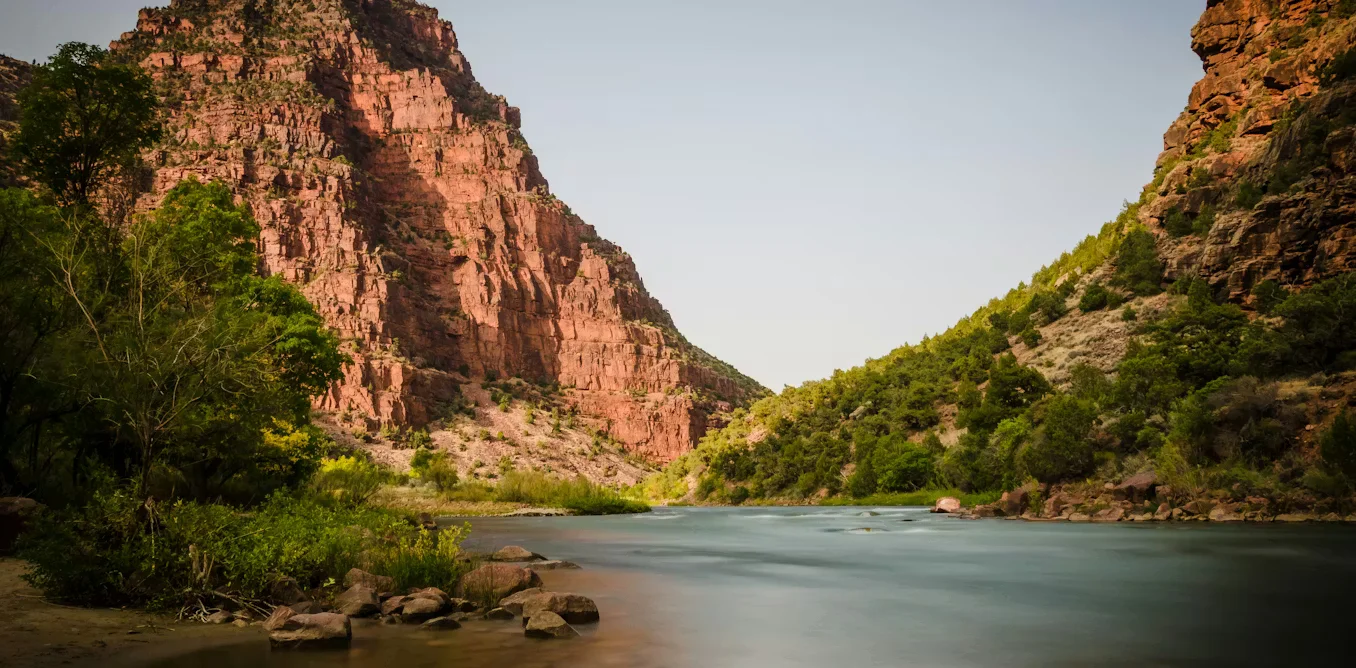
Geologists have resolved a 150-year mystery: the Green River carved the Canyon of Lodore by exploiting a temporary dip in the Uintas caused by a lithospheric drip, a dense crustal slab sinking into the mantle and then rebounding. Seismic tomography shows a large beneath-the-surface anomaly beneath the Uintas that detached 2–5 million years ago, aligning with uplift inferred from surrounding rivers and the timing of the Green River’s crossing. This deep-Earth process redirected the river from the eastern plains toward the Colorado and reshaped North American drainage and ecosystems, illustrating how deep crustal dynamics can alter surface landscapes.

Rockies Origin Rewritten: Westward-Dipping Craton Redefines the Mountain's Birth
science2 months ago

Rockies Origin Rewritten: Westward-Dipping Craton Redefines the Mountain's Birth

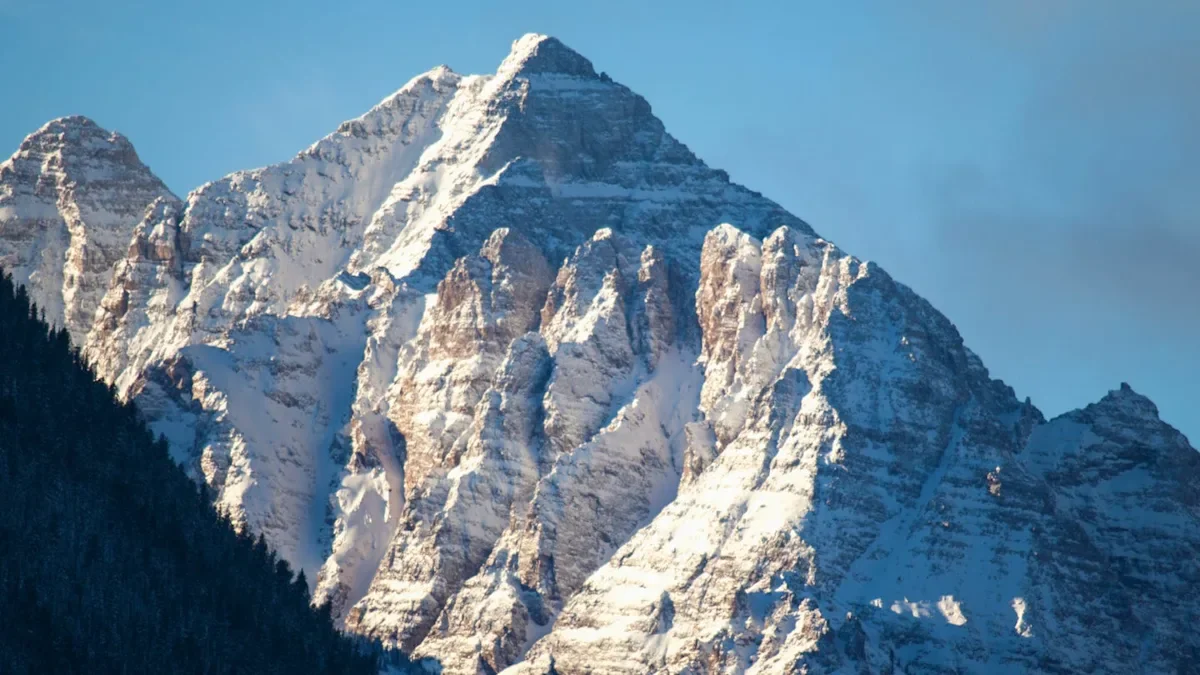
A new seismic tomography study of the Canadian Rockies shows the North American craton dips about 6 degrees west near the Rockies, revealing a multi-layer Cordillera-craton boundary rather than a sharp vertical step. This challenges the long-held subduction-only view of the Rockies’ formation and suggests a more complex interaction with mantle rocks beneath. Led by University of Alberta researchers and published in Nature Communications, the work refines our understanding of the boundary’s evolution and points to future research to fully unravel the mountain range’s birth history.

Ancient Volcano Awakens, Geologists Warn of Possible Eruption
science10 months ago

Ancient Volcano Awakens, Geologists Warn of Possible Eruption

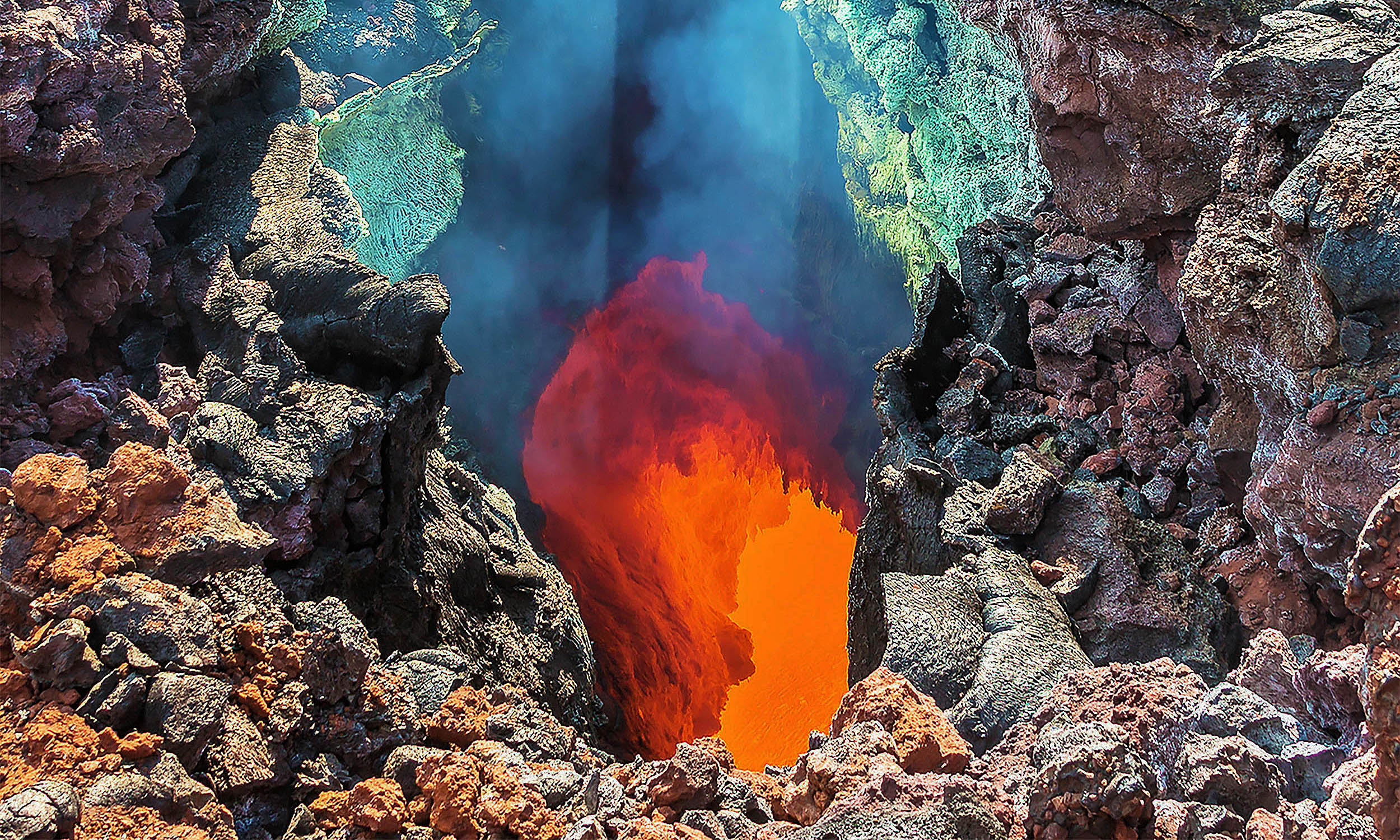
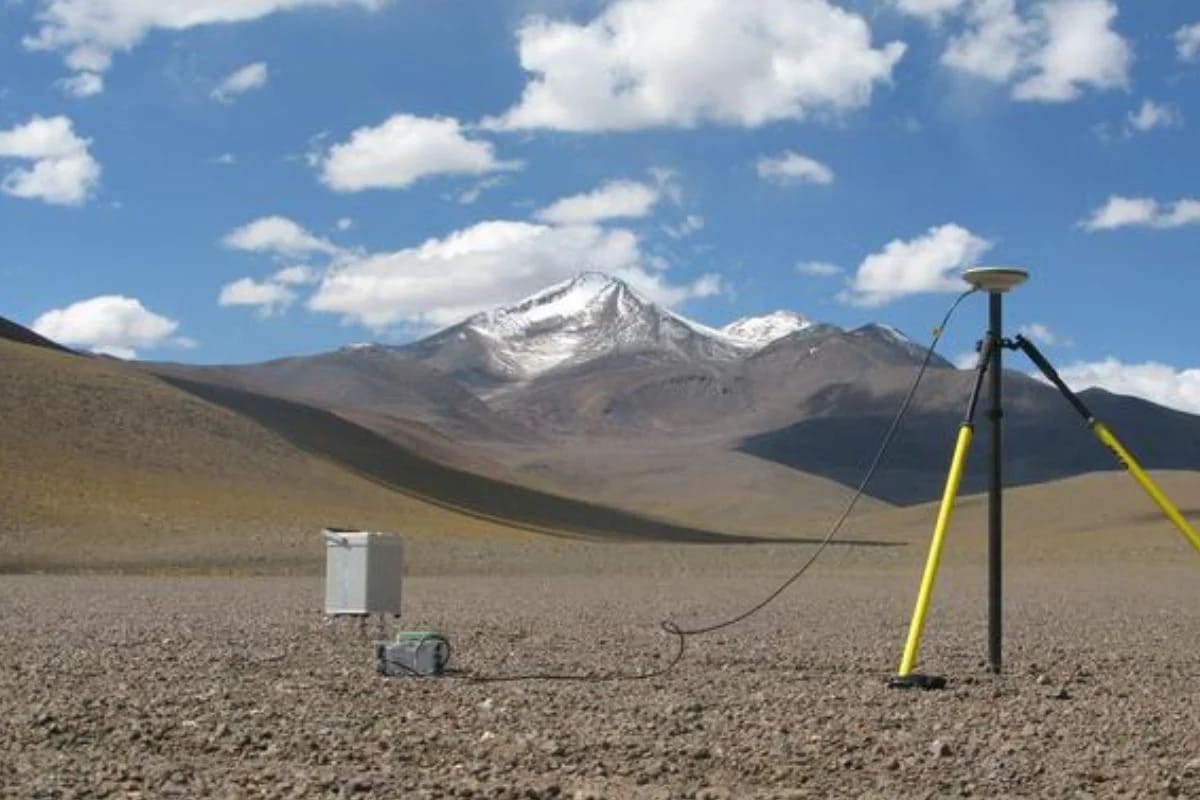
Scientists have detected signs of activity beneath Bolivia's dormant Uturuncu volcano, which has been inactive for over 250,000 years. Using advanced seismic imaging, they found unusual underground formations indicating potential internal fluid or gas movement, raising concerns about a possible eruption. While no immediate danger is confirmed, ongoing monitoring is crucial, and this research could improve global volcanic hazard prediction for long-dormant volcanoes. The study highlights international collaboration and advances in volcano monitoring technology, offering insights into 'zombie' volcanoes that may awaken unexpectedly.

"Unearthed: Ancient Planetary Remnants Discovered in Earth's Crust"
science2 years ago

"Unearthed: Ancient Planetary Remnants Discovered in Earth's Crust"

Scientists have discovered two massive structures, known as large low shear velocity provinces (LLSVPs), beneath Africa and the Pacific Ocean, which make up around six percent of the Earth's volume. These structures, also referred to as "blobs," have different seismic properties than the surrounding mantle, indicating they are made of something different. One theory suggests that they could be remnants of an ancient planet called Theia, which collided with Earth around 4.5 billion years ago. However, the exact composition and origin of these structures remain unknown, highlighting the ongoing mysteries of Earth's core and the need for further research.

Possible Traces of an Ancient Planet Found in Earth's Core
science2 years ago

Possible Traces of an Ancient Planet Found in Earth's Core

Two large structures, known as large low shear velocity provinces (LLSVPs), located beneath Africa and the Pacific Ocean, could be the remains of an ancient planet that hit the Earth around 4.5 billion years ago, according to the "giant impact hypothesis". These structures occupy around six per cent of the world's entire volume, and seismic tomography has shown that they are made of something different than the surrounding lower mantle. The origin of these structures remains a mystery, but studying Theia has offered important insights into how the possible collision might have kickstarted key plate tectonic and mantle motion inside our planet.

Possible discovery of ancient planet remnants deep within Earth.
science2 years ago

Possible discovery of ancient planet remnants deep within Earth.

Two large structures, known as large low shear velocity provinces (LLSVPs), located beneath Africa and the Pacific Ocean, could be the remains of an ancient planet that hit the Earth around 4.5 billion years ago. These structures occupy around six per cent of the world’s entire volume, and seismic tomography has shown that they are made of something different than the surrounding lower mantle. While there is no direct way of observing the Earth’s core, studies into Theia have offered important insights into how the possible collision might have kickstarted key plate tectonic and mantle motion inside our planet.

Ancient Planet Remnants Found Within Earth, Say Scientists.
science2 years ago

Ancient Planet Remnants Found Within Earth, Say Scientists.

Two mysterious structures, known as Tuzo and Jason, have been discovered underneath Africa and the Pacific, estimated to take up between three and nine percent of the Earth's total volume. These "blobs" could be part of an ancient planet, Theia, which collided with Earth around 4.5 billion years ago and threw off enough rock to form the Moon. Scientists used seismic tomography to create a map of the Earth's hidden layers and unravel where these "blobs" are, but it's still not clear what they're made of.

Possible discovery of ancient planet remnants deep within Earth.
science2 years ago

Possible discovery of ancient planet remnants deep within Earth.

Two large structures, known as large low shear velocity provinces (LLSVPs), located beneath Africa and the Pacific Ocean, could be the remains of an ancient planet that hit the Earth around 4.5 billion years ago. These structures occupy around six per cent of the world’s entire volume, and seismic tomography has shown that they are made of something different than the surrounding lower mantle. While there is no direct way of observing the Earth’s core, studies into Theia have offered important insights into how the possible collision might have kickstarted key plate tectonic and mantle motion inside our planet.

Uncovering Earth's Mysterious Subterranean Mountains
science2 years ago

Uncovering Earth's Mysterious Subterranean Mountains

Scientists have discovered two large and mysterious structures, known as large low shear velocity provinces (LLSVPs), deep within the Earth's mantle. These blobs occupy around three to nine percent of the volume of the Earth and are denser than the surrounding mantle. One hypothesis is that they are piles of oceanic crust that have been subducted and accumulated over billions of years, while another theory suggests that they are chunks of an ancient planet, Theia, that collided with Earth around 4.5 billion years ago. Techniques for investigating beneath the Earth's surface are continually improving, and hopefully, we will soon have a better understanding of these mysterious structures.