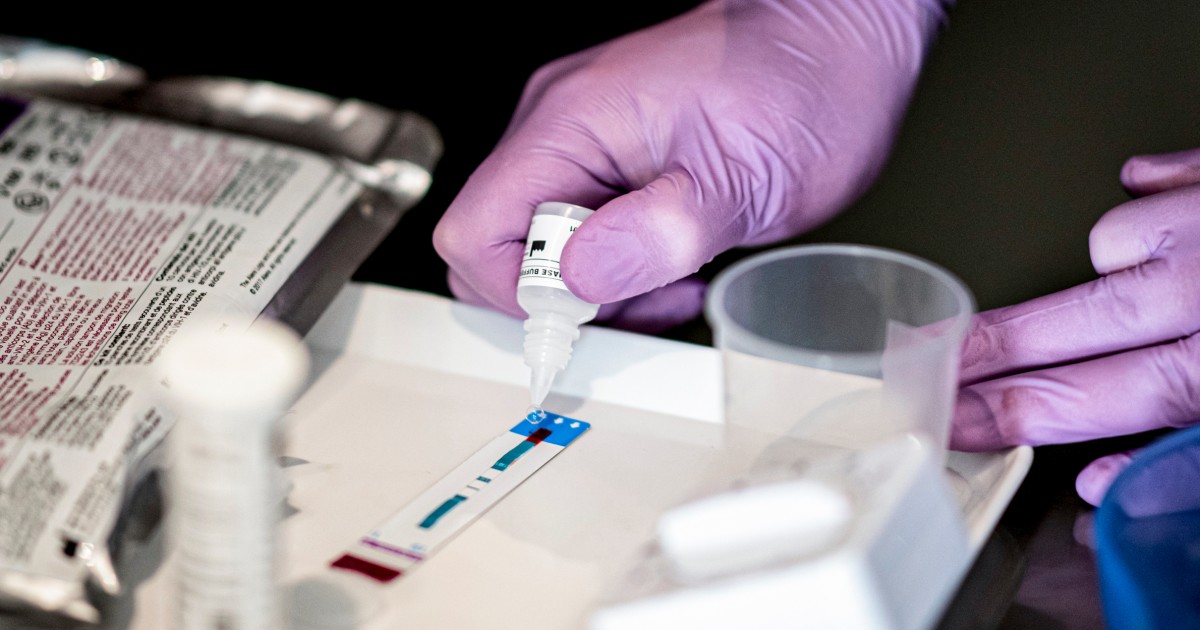
Shigella, a bacterium causing severe diarrhea, is increasingly spreading through sexual contact, particularly among men who have sex with men. This shift has led to a rapid rise in extensively drug-resistant strains, making the infection significantly harder to treat and more likely to require hospitalization.
A TikTok user who visited a clinic for a yeast infection ended up diagnosed with chlamydia after a full STI panel, despite having no symptoms. She urges others to get tested regularly since many infections are asymptomatic, and notes relief that it wasn’t a more serious condition, highlighting the importance of routine sexual health screening.
A Cambridge-led study of UK Shigella cases (2004–2020) shows sexually transmitted strains, concentrated among GBMSM, spreading more than twice as fast and becoming antibiotic-resistant much faster than non-sexually transmitted ones. About 70% of sexually transmitted strains resist at least one antibiotic, underscoring the need for targeted surveillance, tailored prevention, and different treatment approaches beyond standard hygiene advice.
European health authorities report a 2024 record in sexually transmitted infections, with gonorrhoea at 106,331 cases and syphilis at 45,577, while chlamydia remains the most reported STI at 213,443 and LGV at 3,490. Congenital syphilis cases rose from 78 to 140 across 14 reporting countries. The ECDC urges broader, faster testing and treatment and stronger partner notification, noting that 13 of 29 countries still charge out-of-pocket for basic STI tests, risking widening inequalities unless national STI strategies and surveillance are strengthened.
Mississippi is experiencing a severe outbreak of STDs, with extremely high rates of gonorrhea, chlamydia, and syphilis, leading health officials to declare an epidemic and urging residents to get tested and take preventive measures.
An Alaska woman in her 50s died from a rare but increasingly reported complication of gonorrhea called disseminated gonococcal infection (DGI), which occurs when the bacteria spreads to internal organs. The rise in DGI cases is linked to untreated or asymptomatic gonorrhea infections, highlighting the need for regular testing, especially among those with multiple sexual partners. Alaska has seen a significant increase in gonorrhea and DGI cases recently, raising concerns about public health and the importance of early detection and treatment.
A new sexually transmitted fungal infection caused by Trichophyton mentagrophytes genotype VII (TMVII) has been identified in four men in New York City, all of whom are men who have sex with men (MSM). The infection, which can be mistaken for eczema or psoriasis, is spread through direct skin contact and has been reported in Europe as well. All patients were successfully treated with antifungals. Experts emphasize the need for awareness, better testing, and monitoring of TMVII, as well as further research on treatment and transmission.
The first U.S. case of a rare sexually transmitted ringworm caused by the fungus Trichophyton mentagrophytes type VII has been reported in a New York City man. The infection, which took over four months to heal, highlights the growing issue of antifungal resistance. While not widespread, doctors advise seeking medical attention for persistent rashes, especially in the groin area.
The first U.S. case of a rare sexually transmitted ringworm caused by the fungus Trichophyton mentagrophytes type VII has been reported. The infection, which was contracted by a New York City man in his 30s, took over four months to treat with various antifungal medications. While not widespread, the case highlights the growing issue of antifungal resistance and the need for awareness among clinicians and the public.
Sexually transmitted infections are on the rise on Long Island, with 731 diagnoses of early syphilis in 2022 and increasing rates of chlamydia and gonorrhea. Factors contributing to the increase include the COVID-19 pandemic, dating app usage, drug shortages, and decreased awareness of STIs. Public health officials are implementing strategies such as increased surveillance, outreach, and sexual health education to combat the rising rates. Budget cuts and obstacles in contact tracing and sexual education are hindering prevention efforts, but new treatments and expedited partner treatment offer hope.
CDC data shows that rates of chlamydia, gonorrhea, and syphilis have more than doubled among adults aged 55 and older in the U.S. over the past decade. Factors such as longer life expectancy, active lifestyles, and lack of comprehensive sex education contribute to the rise. Experts emphasize the need for better sex education for older adults, as well as the importance of discussing safe sex practices with healthcare providers to prevent the spread of sexually transmitted infections in this age group.
CDC data shows a sharp rise in sexually transmitted infection rates among adults aged 55 and older in the U.S. over the past decade, with cases of chlamydia, gonorrhea, and syphilis more than doubling. Factors contributing to this trend include longer life expectancy, active lifestyles, and lack of comprehensive sex education for older adults. Experts emphasize the need for improved doctor-patient discussions on safe sex practices and awareness of STI risks in this age group.
European countries have seen a significant surge in sexually transmitted infections, with gonorrhoea cases rising by 48%, syphilis by 34%, and chlamydia by 16% in 2022 compared to the previous year. The European Centre for Disease Prevention and Control (ECDC) has warned of the urgent need to raise awareness and promote sexual health, emphasizing the importance of testing, treatment, and prevention efforts to address the rise in infections. The increase in STIs is attributed to changes in sexual behavior, reduced testing and treatments during the pandemic, and potential changes in the number of sexual partners or types of sex post-pandemic. Experts are urging governments to focus on promoting protection, practising safer sex, and fostering open dialogues about STIs to reduce transmission rates.
The European Centre for Disease Prevention and Control reported a surge in sexually transmitted infections (STIs) across Europe in 2022, with cases of gonorrhoea, syphilis, and chlamydia increasing by significant percentages. The rise in infections is attributed to factors such as better surveillance, increased home-testing, and riskier sexual behavior, particularly among young heterosexual people. The ECDC emphasized the need for immediate attention, action, testing, treatment, and prevention efforts to address the escalating STI rates.
Health experts in Michigan are concerned about the rising rates of syphilis among adult men and women, as well as infants, with a particular increase in the heterosexual community. Dr. Natasha Bagdasarian warns that syphilis can be asymptomatic, especially in women, and emphasizes the importance of testing as untreated syphilis can lead to neurological damage. There has also been an increase in congenital syphilis, prompting a nationwide demand for penicillin, which is the recommended treatment for the disease.