Wisconsin has recorded 392 measles cases in 2026, with 389 involving unvaccinated individuals. The outbreak is concentrated in southwest and western counties, with eight hospitalizations and no deaths reported so far.
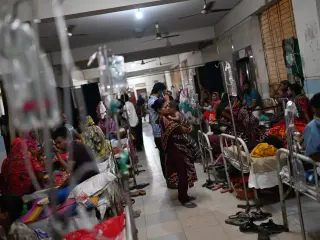
Bangladesh has recorded over 1,000 deaths from a measles epidemic since March 2026, despite administering nearly 20 million vaccine doses. Experts attribute the high mortality to initial underestimation of the target population, uneven local coverage, and a surge in cases among infants too young for routine vaccination.
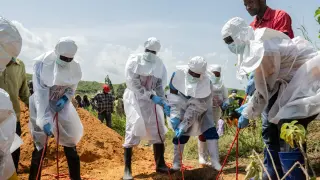
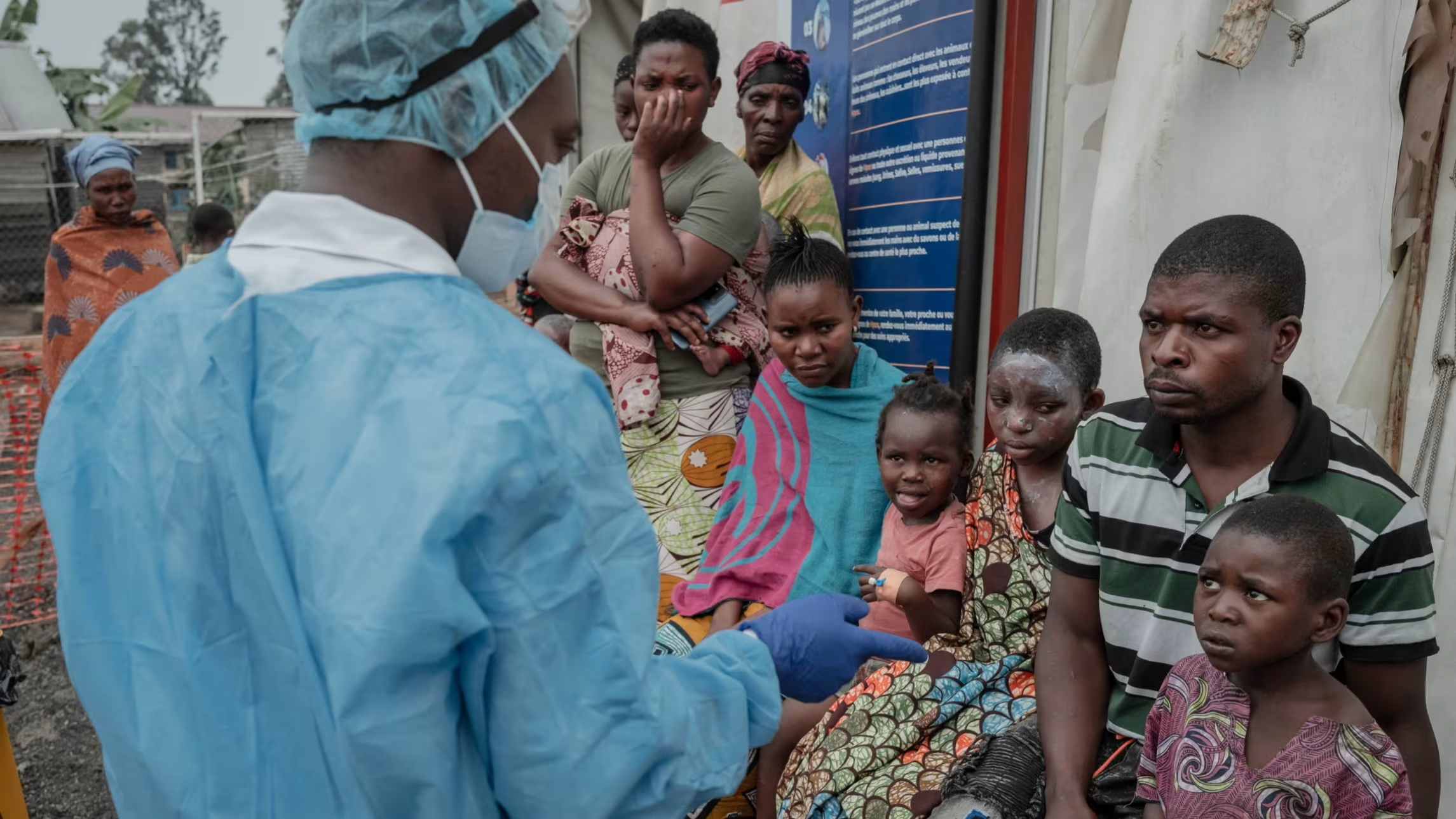
Suspected Ebola cases in eastern DR Congo topped 900 (904 cases and 119 suspected deaths) as violence, displacement and aid cuts leave health facilities overwhelmed; health centers were burned last week, complicating an already fragile response with cases spreading to North and South Kivu and across the border into Uganda.
The article traces the early history of AIDS in Missouri, highlighting the case of Robert Rayford in 1968, the slow recognition of the epidemic in the state during the 1980s, and the public's growing awareness and fear as testing and understanding of the disease developed.
Japan has declared a nationwide influenza epidemic with early and unusually high cases, potentially impacting other countries as the virus could spread through international travel, especially with strains like H3N2 circulating in the Southern Hemisphere.
Fiji is experiencing a rapid increase in HIV cases driven by intravenous drug use, unsafe sexual practices, and innovative sharing methods like bluetoothing, with concerns about underreporting and insufficient healthcare resources exacerbating the crisis.
A recent study suggests that the perceived rise in cancer among younger adults may be largely due to increased diagnosis of cases that would not have caused serious illness, with the actual rate of aggressive or late-detected cancers remaining stable over 35 years.
The World Health Organization warns of a potential epidemic as the chikungunya virus spreads beyond its usual regions, affecting billions and reminiscent of past outbreaks, with prevention focusing on controlling mosquito populations.
Mississippi is experiencing a severe outbreak of STDs, with extremely high rates of gonorrhea, chlamydia, and syphilis, leading health officials to declare an epidemic and urging residents to get tested and take preventive measures.
Vermont experienced the first recorded polio epidemic in the US in 1894, initially misdiagnosed as meningitis, which marked the beginning of a series of outbreaks that would later be controlled through vaccination efforts, notably the development of the Salk vaccine in the 1950s, leading to a dramatic decline in cases worldwide.
The Mpox epidemic is straining African health systems, exacerbated by reductions in US aid, highlighting challenges in managing infectious diseases in the region.
Researchers warn of a rapid increase in appendiceal cancer among people under 50, especially Millennials, with rates up to seven times higher than in the 1940s, possibly linked to environmental factors. Despite its rarity, early detection is crucial for high survival rates, but the disease is often misdiagnosed due to nonspecific symptoms.
The bird flu epidemic is severely impacting wild animal populations, posing a significant threat to biodiversity and conservation efforts. The virus, which has already caused widespread mortality among birds, is now affecting various wildlife species, raising concerns about the long-term ecological consequences.
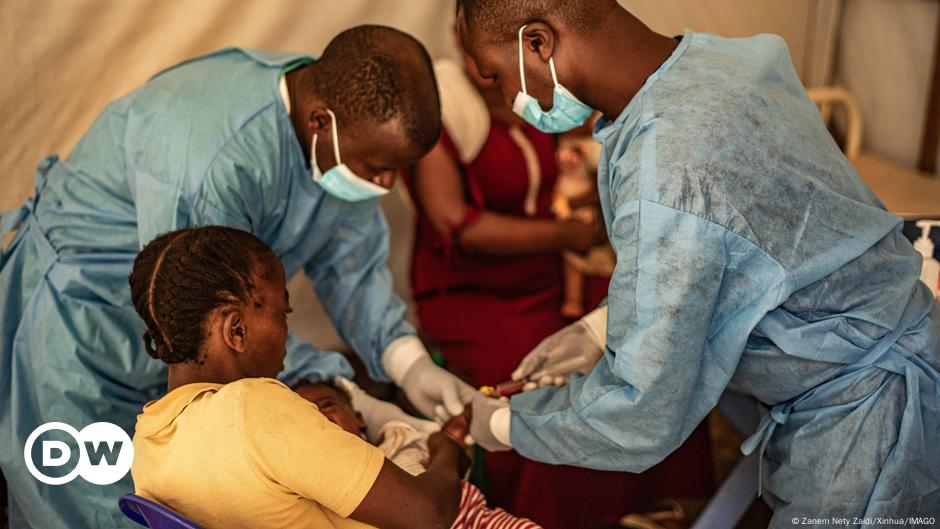
Health authorities in the Democratic Republic of Congo are investigating a mysterious illness that has resulted in nearly 80 deaths out of 376 reported cases, primarily affecting children under five in the remote Panzi district of Kwango province. The disease presents flu-like symptoms with respiratory distress and a significant drop in hemoglobin levels. Authorities have dispatched medical teams to assess the situation, and measures are being implemented to prevent the spread, including limiting movement and encouraging mask-wearing. The outbreak occurs amid ongoing challenges with malnutrition and a concurrent Mpox epidemic.
A medical mystery in Congo is providing valuable insights into the Mpox epidemic, potentially aiding in understanding and controlling the disease's spread. Researchers are investigating the origins and transmission patterns of Mpox, which could lead to improved public health strategies.