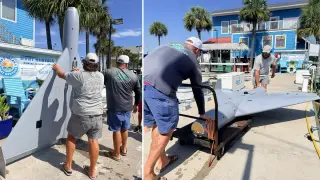
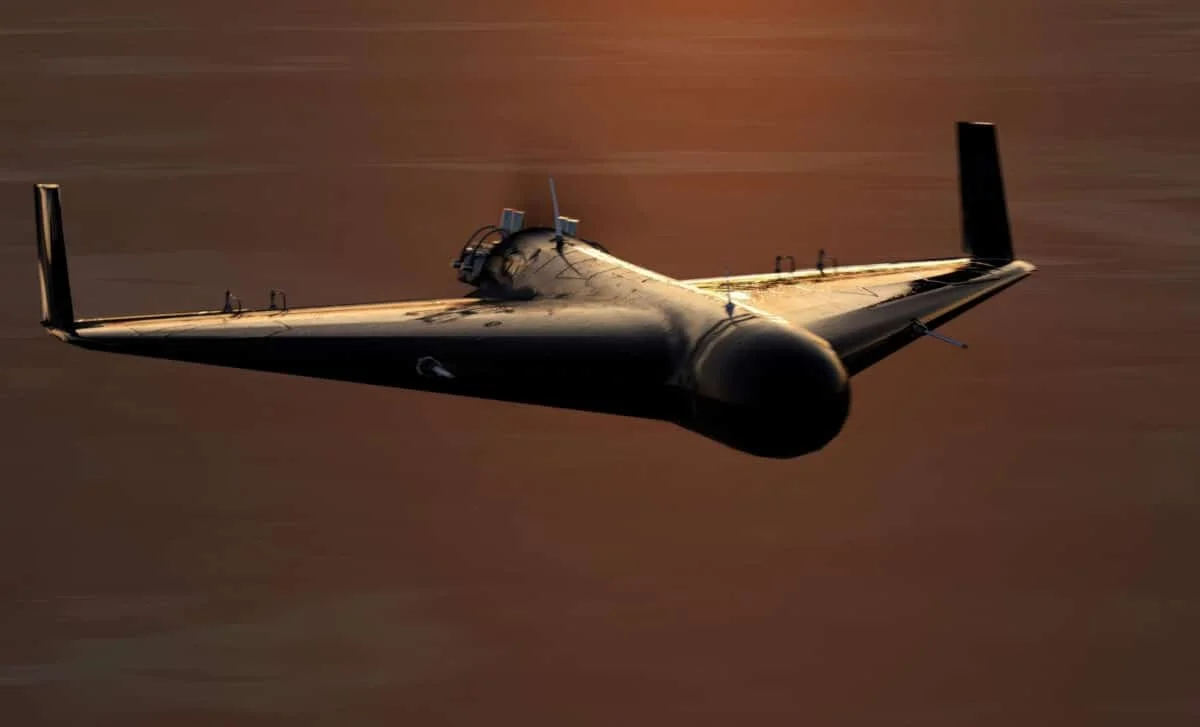
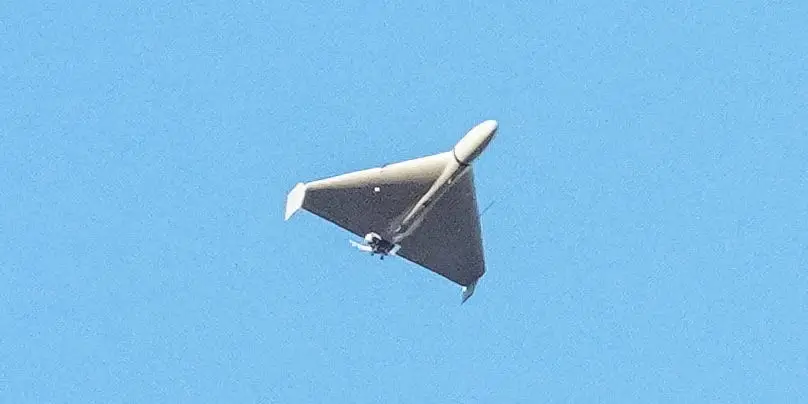
A Florida charter captain pulled a drone resembling the U.S. Low-Cost Uncrewed Combat Attack System (LUCAS) from the water near Eglin Air Force Base. Eglin confirmed losing a test drone but declined to link the two. The recovered craft, missing key components, likely originated from testing activities in the Gulf of Mexico.
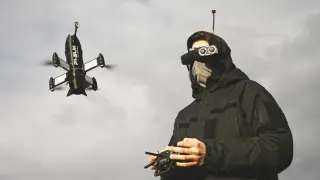
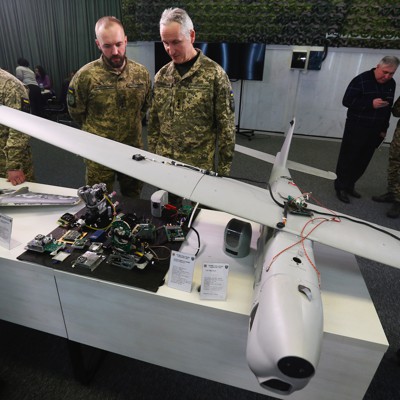
Ukraine is expanding a cost-effective, multi-architecture fleet of interceptor drones—ranging from FPV micro-drones to larger aircraft—to counter Shahed-136 drones; Brave1 cites a 97% destruction rate, capacities to produce thousands of interceptors per day, and AI-assisted guidance with a human-on-loop, while stressing that interceptors augment rather than replace Patriot missiles and drawing rising US and allied interest amid a push for diverse, rapid drone defenses.
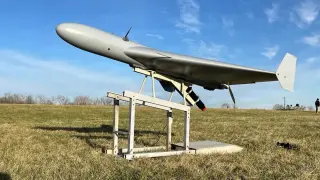
An interview with former Pentagon official Michael C. Horowitz explains how the U.S. developed LUCAS, a low-cost unmanned combat drone reverse-engineered from Iran’s Shahed‑136 and first fielded in Operation Epic Fury. The program, pushed through under both the Trump and Biden administrations with support from the Defense Innovation Unit, APFIT, and SpektreWorks, aims to flood the force with inexpensive, mass-produced precision munitions to supplement—not replace—high-end weapons like Tomahawks. Horowitz argues this “mass depth” approach could complicate defenses against peers like China, advocates tens of thousands (even hundreds of thousands) of units, and signals a broader shift toward scalable, risk-tolerant defense procurement, though production bottlenecks and operational use questions remain.
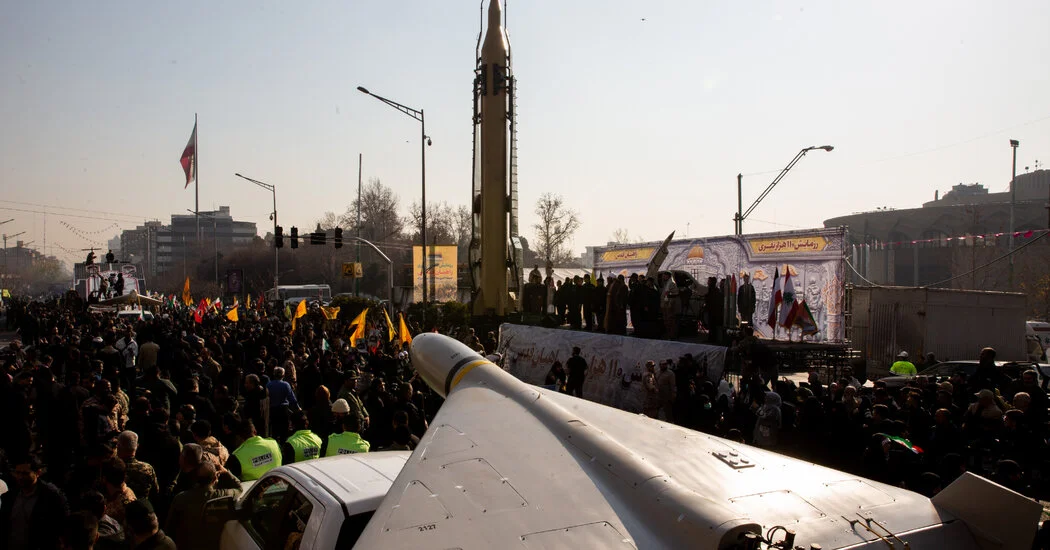
Analysts say Iran’s Shahed drones are cheap, easy to assemble with off-the-shelf parts, and capable of long-range strikes, allowing Tehran to keep pressuring Gulf targets and the Strait of Hormuz even as U.S.-led strikes target drone production; experts warn that decentralized manufacturing and potential Russian assistance could sustain thousands of these drones, while costly interceptors and air defenses struggle to stop them.
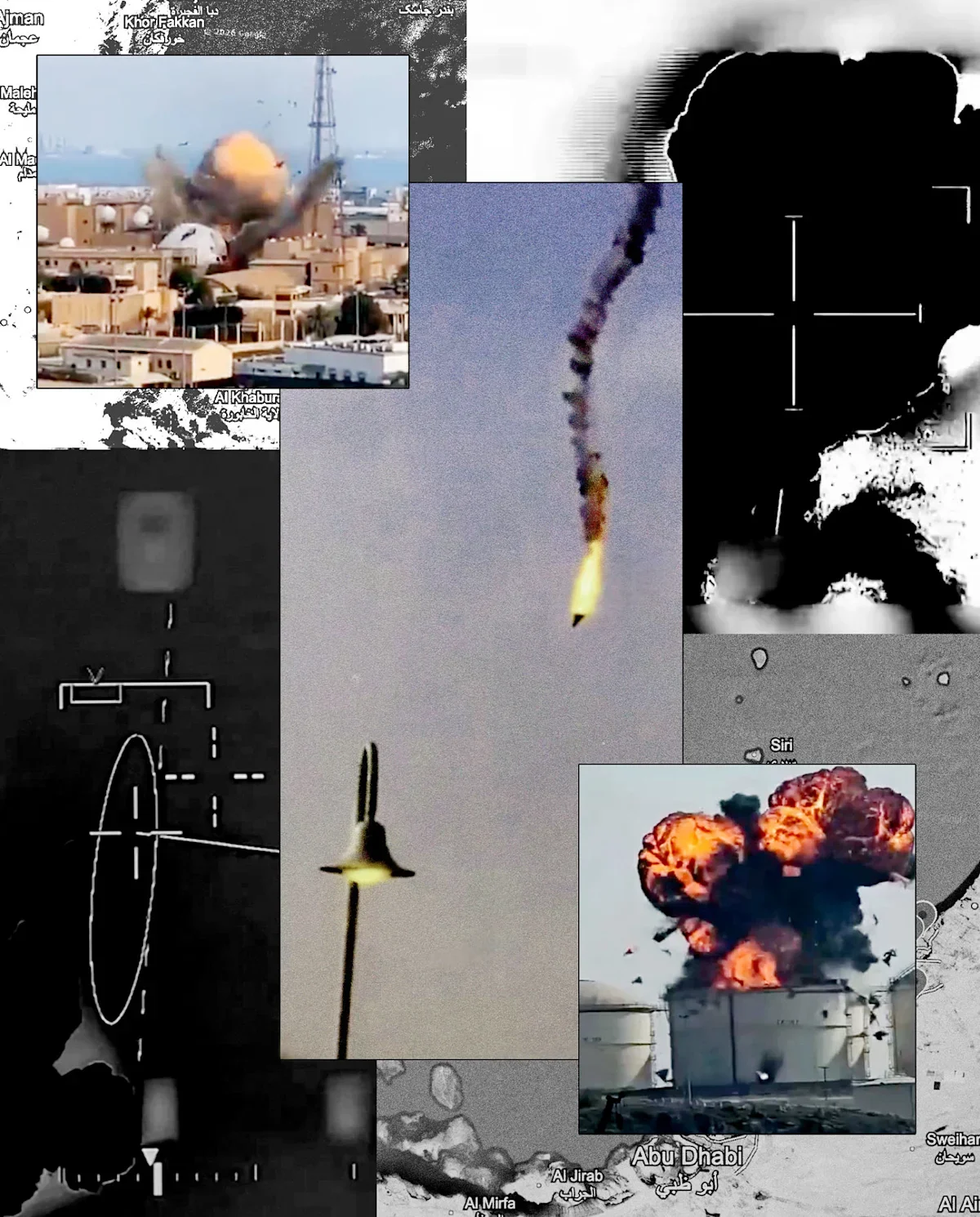
NBC News analyzed more than 30 open‑source videos and satellite images showing Iran using Shahed‑type drones to hit bases, energy infrastructure, and diplomatic sites across seven countries. The drones can reach targets despite defenses, and interceptions are costly, signaling a new asymmetrical warfare approach that could prolong the conflict and impact Gulf air traffic and the Hormuz Strait, with Iran’s drone program also tied to broader regional and global arms dynamics.
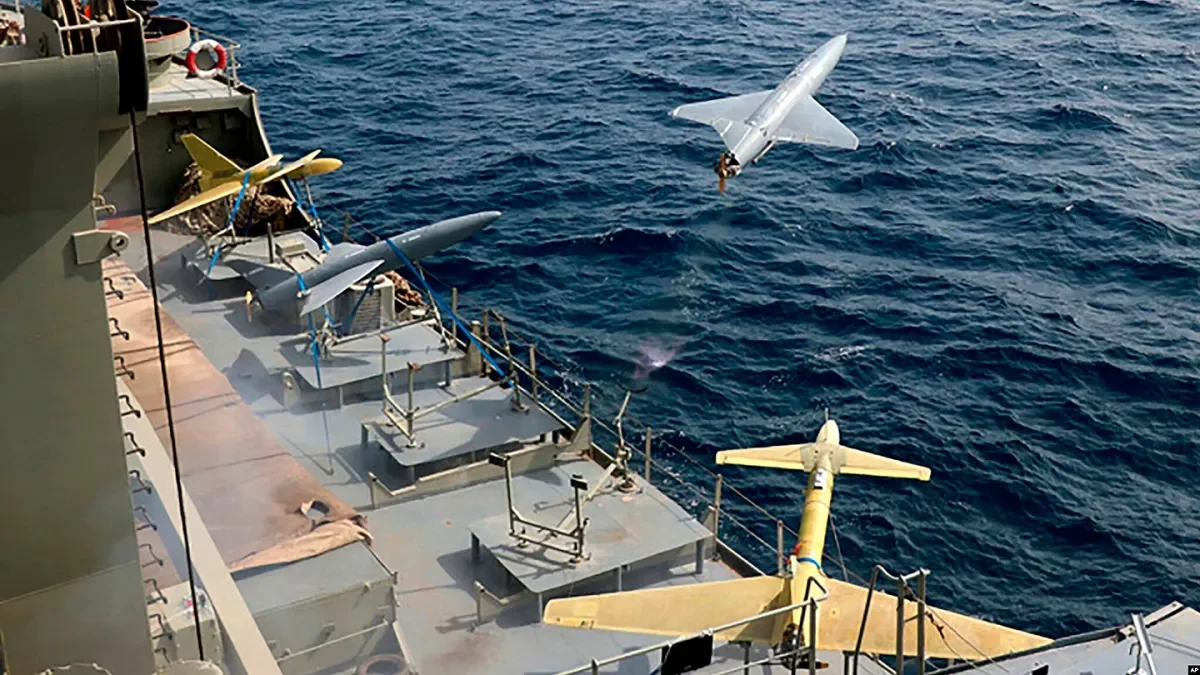
An FBI alert warning of a possible Iranian drone attack on California launched from an offshore vessel was based on unverified intelligence and issued as a precaution. Regardless, it underscores a long-standing, plausible threat: sea- or ship-launched long-range drones that can be hard to detect and reach U.S. shores. The risk spans Shahed-136-type drones and other one-way weapons, fueling ongoing calls for expanded counter-drone defenses even as domestic defenses lag behind technological advances.
A Western intelligence official says Russia is now providing Iran with specific drone-tactics guidance drawn from its Ukraine campaign, moving beyond broad assistance. Iran-designed Shahed drones, mass-produced in Moscow for use against Ukraine, have proven unexpectedly effective, raising concerns they could be deployed more against Gulf states or US interests. CNN has reported prior satellite imagery sharing between Moscow and Tehran, and Kyiv has sent drone-defense know-how to the Gulf. While officials haven’t detailed the exact tactics, the new level of intelligence-sharing suggests a potentially lethal expansion of Iran’s drone capabilities and broader regional security risks.
The piece argues that weaker powers win by asymmetric warfare, and Iran is leveraging proxies in Iraq, Lebanon and Yemen along with inexpensive Shahed-136 drones to pressure US bases and allies, potentially dragging out a US-Israel confrontation in the Middle East, echoing past conflicts like Vietnam, Algeria, Afghanistan and Ukraine.
Ukraine uses its years of drone-defense experience to offer cheap interceptor drones and expertise to partners worldwide as Iranian Shahed drones appear across the Middle East and beyond, with Gulf states reporting thousands of incursions and Kyiv marketing its cost-effective defense solutions.
Cheap Shahed-136 drones, mass-produced for tens of thousands, are exposing gaps in NATO’s air defenses during a 2025 incursion. The attack strains expensive interceptor missiles and prompts a shift to layered, affordable countermeasures—drone-on-drone interceptors, electronic warfare, laser/energy options, and Ukraine-inspired tactics—to deter swarms without draining resources.
Russia has reportedly developed its own version of Iranian attack drones, known as Geran-2, and has been using them against Ukraine. The drones, similar to the Iranian Shahed-136, have been adapted to better suit Russian needs and are made with different materials. The Russian-made drones allow Russia to sustain its attack patterns and reliance on one-way drones. The findings raise questions about export control and counter-diversion measures, as Russia continues to find ways to acquire military supplies despite Western sanctions.
The US is sending anti-drone missiles to Ukraine as part of an experimental platform to help the country combat Iranian-built drones that have caused blackouts across the country. The package includes 10 mobile c-UAS laser-guided rocket systems, which were tested in January to fight off Shahed-136 suicide drones. SAIC, which participated in the competition, is in the running to send ten of the weapons to Ukraine. The aid package also includes munitions for the National Advanced Surface-to-Air Missile Systems, anti-drone 30mm gun trucks, air-surveillance radars, and anti-aircraft ammunition.
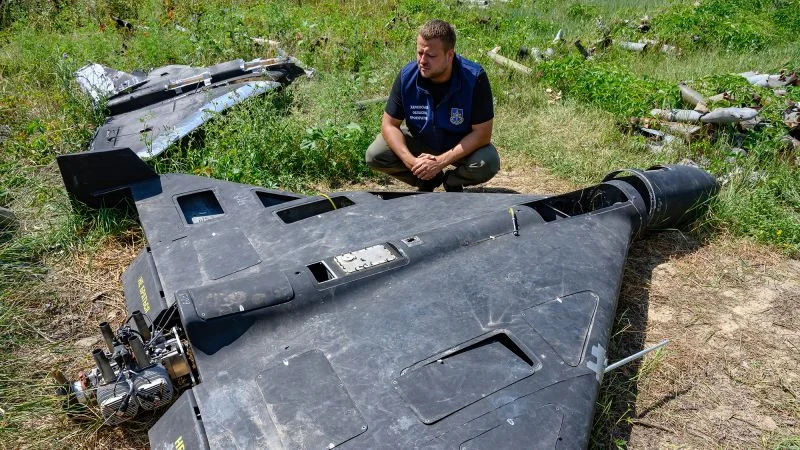
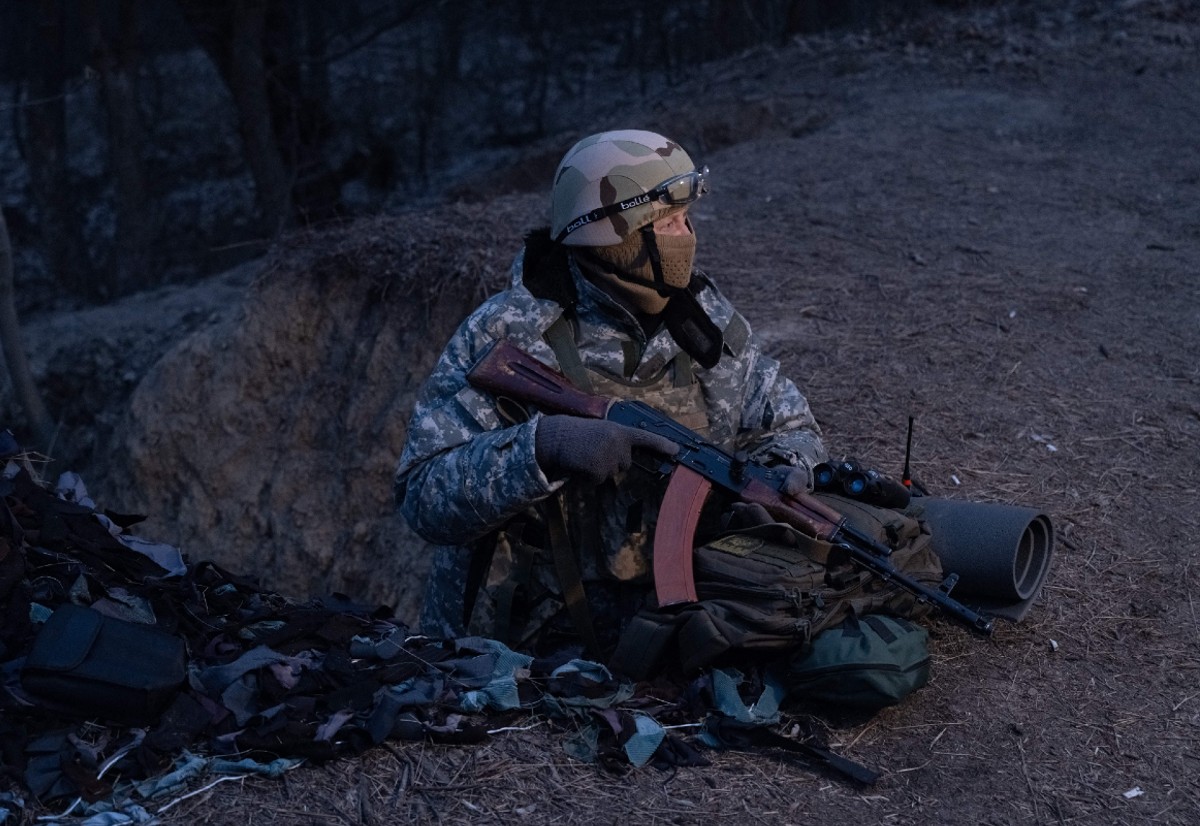
Ukraine's military is using large-caliber machine guns to shoot down the slow-moving, low-flying Shahed drones operated by Russia in the ongoing conflict. The Shahed-131 and -136 drones are equipped with warheads that can shatter or explode as they approach their target. The drones are often simple to shoot down if Ukrainian forces can detect them in time. Russia likely launches the drones from two sites near the Ukrainian border, and they are sent into Ukraine from Russia's Krasnodar Krai and Bryansk regions.