More than 3,500 people have died after twin earthquakes struck Venezuela, with about 16,740 injured and 17,854 left homeless; around 60,000 buildings were damaged, and thousands remain in shelters or outdoors as health officials warn of a looming crisis amid a strained healthcare system.
During Delhi’s brutal heatwave, with daytime readings near 43C and nighttime around 32C, a homeless family under a flyover endures scarce water, meals, and shelter, while a nine‑month‑old baby remains at risk; repeated shelter demolitions and a roughly 75% shelter-capacity deficit leave them with little relief, and women bear the heaviest caregiving and sleep deprivation.
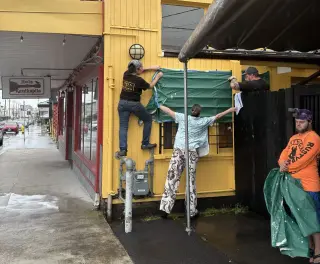
With heavy rain and gusty winds forecast, Hawaii officials ordered all non-essential state and city offices closed on Friday to prioritize safety, while emergency personnel continue to work and hearings are postponed. Emergency shelters will open (pet-friendly), public facilities like parks and zoos close, and residents are urged to stay home, prepare for possible power outages, and monitor alerts as transportation disruptions may occur. The Legislature will maintain operations.
Long-range Shahed-136 drones—cheap, ‘kamikaze’ weapons used by Iran and linked to Russia—are now targeting Gulf states and beyond. The piece explains their size and range (basic Shahed variants can fly hundreds to about 2,000 km; Shahed-136 is around 3.5 m long with a 2.5 m wingspan and a 50-kg warhead) and why their buzzing final approach is psychologically unsettling. It also offers safety steps: if you hear or see a drone, avoid windows and move to an interior room with two to three surrounding walls, or seek a basement/stairwell, and shelter for the duration of the threat. While missiles cause larger blasts, Shahed attacks can still cause serious damage, so practical shelter and evacuation timing matter. The article situates the drone threat in a wider context of sanctions, export controls, and defense-sharing with Ukraine as drone warfare goes global.
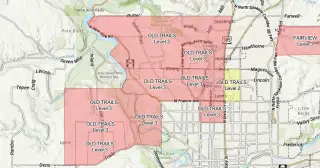
Mayor Parker declared a Disaster Emergency as a major winter storm brings heavy snow and high winds, triggering a citywide mobilization of 1,000+ personnel and 800+ vehicles to plow and treat 2,500 miles of roads; city buildings and schools close, warming centers and Code Blue shelters open, trash collections suspended with a two‑day delay, and residents urged to stay off roads and monitor ReadyPhiladelphia for updates.
New York City Mayor Zohran Mamdani says encampment sweeps will resume with a redesigned approach: the Department of Homeless Services will lead rather than the police, daily outreach by homeless-services workers will precede any removal, and after seven days of outreach the city will again offer shelter before dismantling sites; the plan includes funds for about 60 additional outreach workers. The reversal from the prior administration drew both criticism from advocates and support from those who cite cold-weather deaths as a prompt for bolder action.
Animal Planet’s Puppy Bowl, now in its 22nd year, uses a four-hour spectacle to highlight shelter dogs up for adoption, with 150 dogs from 72 shelters featured; trainer Victoria Schade, referee Dan Schachner, and Discovery Networks president Howard Lee all end up adopting or fostering dogs (Boris, Papi, and Cedar aka Fred), turning a game into a platform for pet rescue and home placements.
A Jacksonville veterinarian reports rising cases of feline panleukopenia, urging vaccination, indoor housing, and vigilant monitoring; the virus spreads quickly, especially in shelters, and while there is no cure, prevention through vaccines and community programs like Trap-Neuter-Vaccinate-Release is essential.
Mozambique is grappling with the worst floods in a generation, with more than 640,000 people affected and at least 12 deaths in the affected areas, while 125 people have died nationwide since the rainy season began in October. Rescue teams from Brazil, South Africa and the UK are aiding thousands who have fled rising waters and are sheltering in schools and churches in Marracuene, where about 4,000 people are staying. Homes, livestock and livelihoods have been lost, and fears of further flooding grow as river releases from a South African dam threaten downstream communities. Roads are cut, food shortages are emerging, and authorities are considering delaying the start of the 2026 academic year to use shelters as accommodation.
Governor Meyer declared a State of Emergency and activated DEMA as Delaware issues a statewide Level 1 Driving Warning at 12:01 a.m. for a major winter storm; a Winter Storm Warning remains in effect, 24-hour Code Purple shelters are open statewide, and 211 is available for assistance as National Guard deployment and DelDOT snow-removal operations get underway. Residents are urged to stay off the roads and prepare at home.
Central Texas braces for a weekend cold front bringing freezing temperatures, single-digit wind chills, and a chance of freezing rain or sleet. The NWS has a winter storm watch Friday night through Sunday for the Austin area, with temperatures dropping about 30 degrees and remaining below freezing into Monday. Officials urge precautions (drip faucets, check on neighbors) and have opened cold-weather shelters, with One Texas Center serving as a check-in point and CapMetro offering free rides to shelters; ERCOT expects higher energy demand but no widespread outages anticipated. No school closures have been announced yet.
Anchorage is preparing four shelters to house over 1,000 storm evacuees from Western Alaska, with potential for up to 2,000 people displaced by severe storms, as the city and partners work to provide temporary housing amid ongoing recovery efforts and community support events.
Chicago officials have started evicting migrants from city shelters who have exceeded a 60-day limit, causing confusion and distress among the newly arrived. Over 10,000 migrants are affected, with more than 2,000 expected to be forced out by April. The policy has drawn criticism, with concerns raised about the well-being of those being evicted and the ability of migrants to find stable housing. This comes amid reports of poor conditions in some shelters and an influx of immigrants to Democrat-led cities.
Chicago has begun evicting migrants from its shelters, causing widespread confusion and frustration among those affected. The city has sought to limit shelter stays to 60 days for the more than 10,000 migrants, requiring them to find housing or apply for other shelter at the city’s “landing zone” for new arrivals after their exit dates arrive. The evictions come amid a measles outbreak at one of the shelters, and the policy has faced backlash from advocates and some elected officials. Mayor Brandon Johnson’s administration has defended the policy as necessary to optimize resources and advance a pathway to stability and self-sufficiency for migrants.
Chicago officials have begun evicting migrants from shelters, with over 2,000 people expected to be affected by the end of April, citing strain on resources. While exemptions will be considered for certain individuals, including pregnant women and those with medical issues, families with children may face challenges finding alternative housing. The city has been grappling with the influx of migrants, having received over 37,000 since August 2022, leading to a significant strain on its resources.