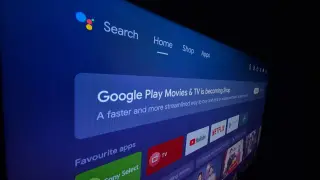
A developer successfully used Anthropic's Claude to remove bloatware from an Android TV, but experts warn that granting AI agents full debugging access risks system instability and security vulnerabilities.
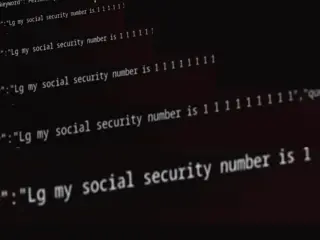
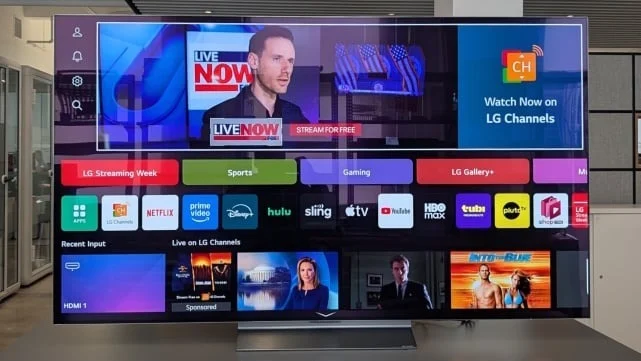
A Gamers Nexus investigation into LG OLED TVs running webOS found the sets actively sweep the local network to identify phones and nearby devices, gather names and signal strengths of neighboring Wi‑Fi networks, and log on-screen content via Automated Content Recognition. Tests also showed the TVs can capture microphone audio with the screen off and store it locally, uploading data once internet connectivity resumes. The researchers noted webOS vulnerabilities and urged disconnecting LG TVs from the internet or using external streaming devices until LG addresses the issues; LG has not commented at publication.
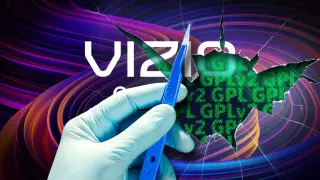
The Software Freedom Conservancy is suing Vizio to force release of the complete, executable source code for Vizio OS (Linux-based) under GPLv2/LGPLv2.1, arguing open access would let owners modify the OS to curb ads and tracking and extend device lifetimes. The August 10 trial could reshape how Linux-based smart-TV platforms are licensed, while Vizio contends GPL licenses do not create a contractual obligation to share code. A prior ruling limited guarantees that modified code would keep TVs operable, but still acknowledged source-code access as a GPL requirement.
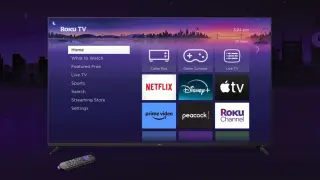
A late-April class-action filed in the Central District of California (Else v. Roku, Inc.) accuses Roku and TCL via TTE Technology of bricking Roku-enabled TCL TVs through faulty software updates, causing freezes, black screens, boot loops, or power-on failures across Roku Select/Plus and TCL Roku TV models. Plaintiffs allege marketing promised reliable performance and ongoing improvements, but updates degraded core functions, seeking class certification, damages, and changes to update disclosures and practices. The case is in its early stages and responses from Roku/TCL have not yet been publicly provided.
A federal class action accuses Roku Inc. and TCL North America of selling Roku-powered smart TVs that become inoperable after automatic software updates, including crashes and black screens. Led by Terri Else, the suit seeks nationwide and California subclasses under case 8:26-cv-00748 in the Central District of California, claiming rushed updates violate warranties and California law (UCL/CLRA) and seeking injunctive relief, damages, and full purchase-price restitution. If certified, the case could affect thousands of households and influence how software updates are treated in consumer electronics.
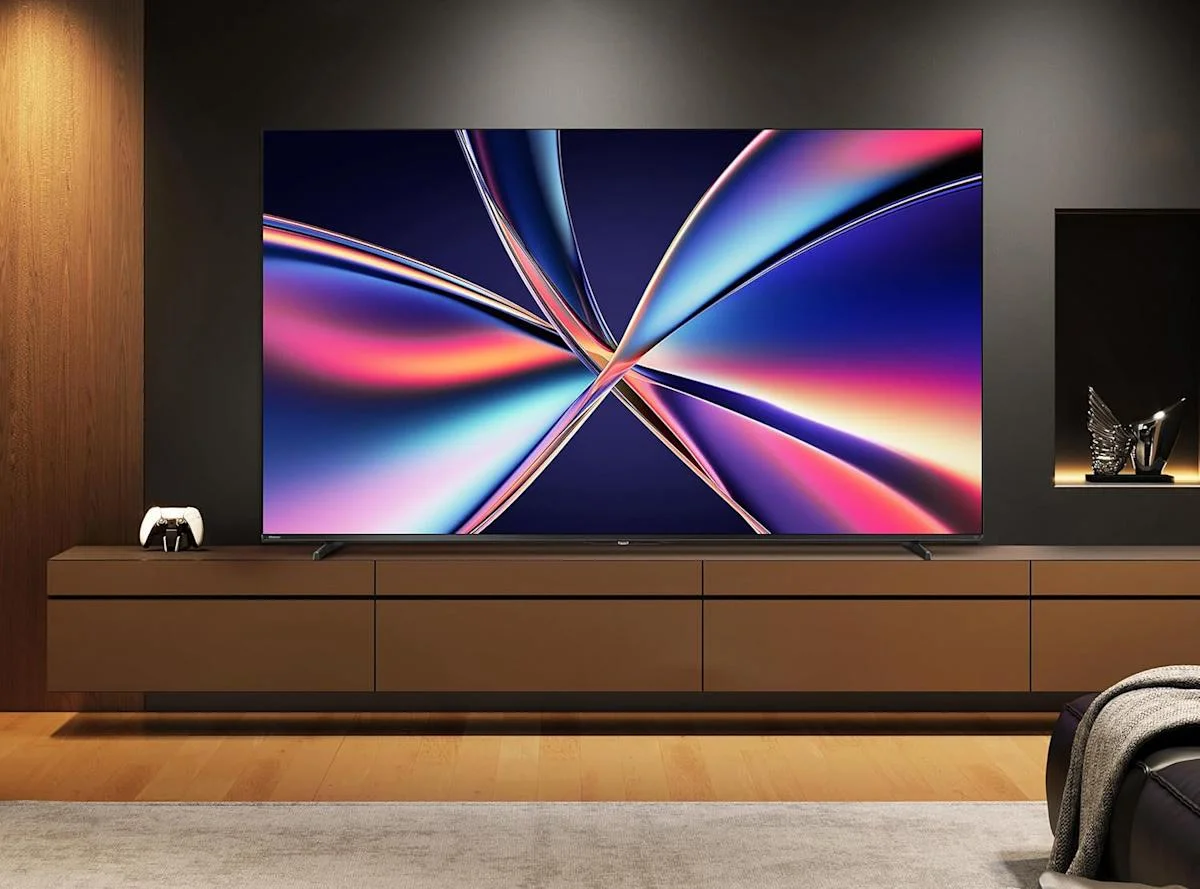
Engadget rounds up Super Bowl 2026 TV deals—from sub-$500 4K sets to premium OLEDs—highlighting picks like Hisense 43-inch E6 Cinema Series, Samsung 65-inch OLED S90F, Hisense 65-inch U8 Mini LED, plus the Disney+/Hulu bundle and other streaming gear to boost a home-theater setup.
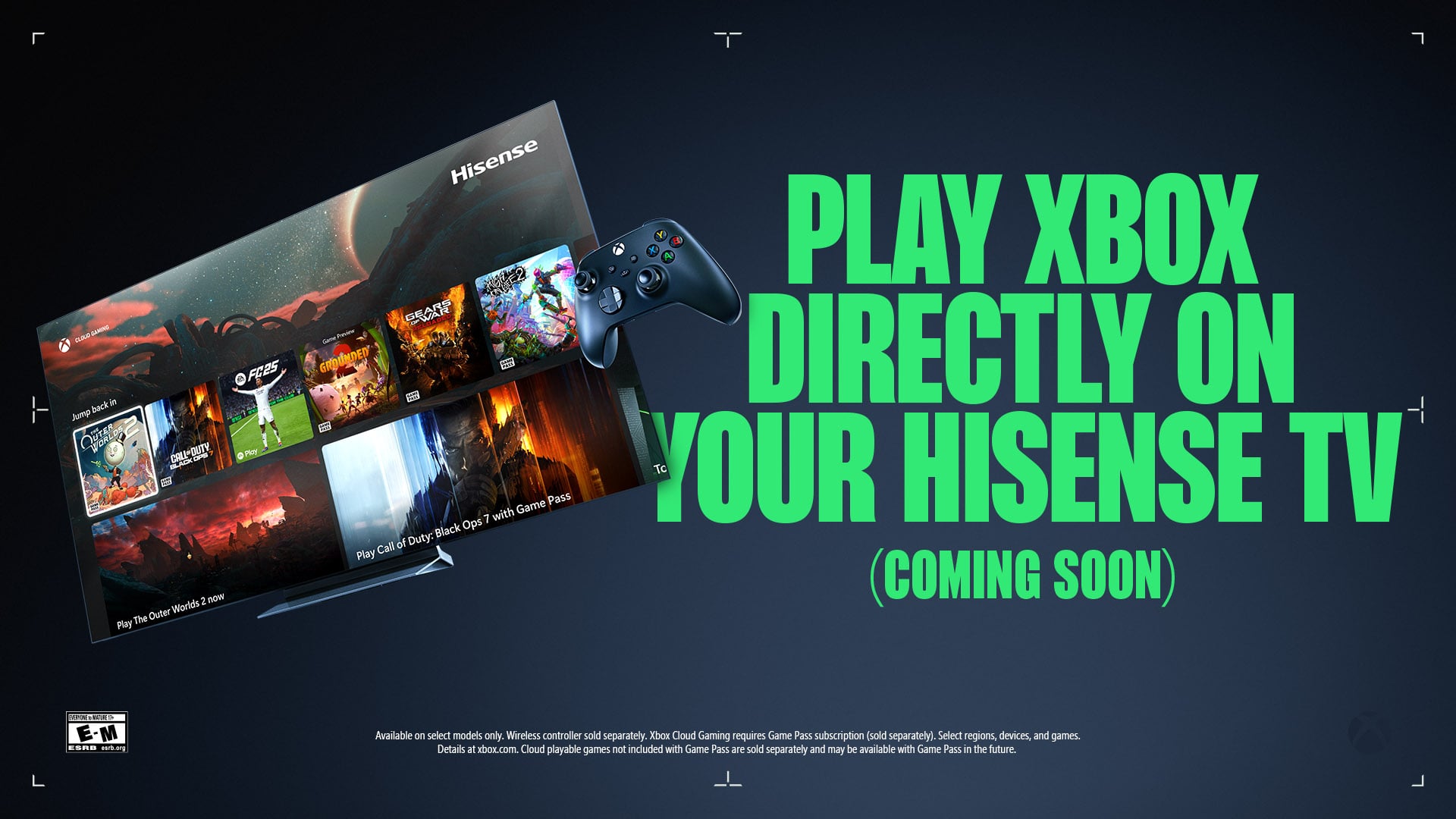
Xbox is partnering with V (formerly VIDAA) to bring the Xbox app and cloud gaming to select Hisense and V homeOS-powered smart TVs in 2026, allowing Xbox Game Pass subscribers to stream a wide range of games directly on their TVs for more flexible gaming options.
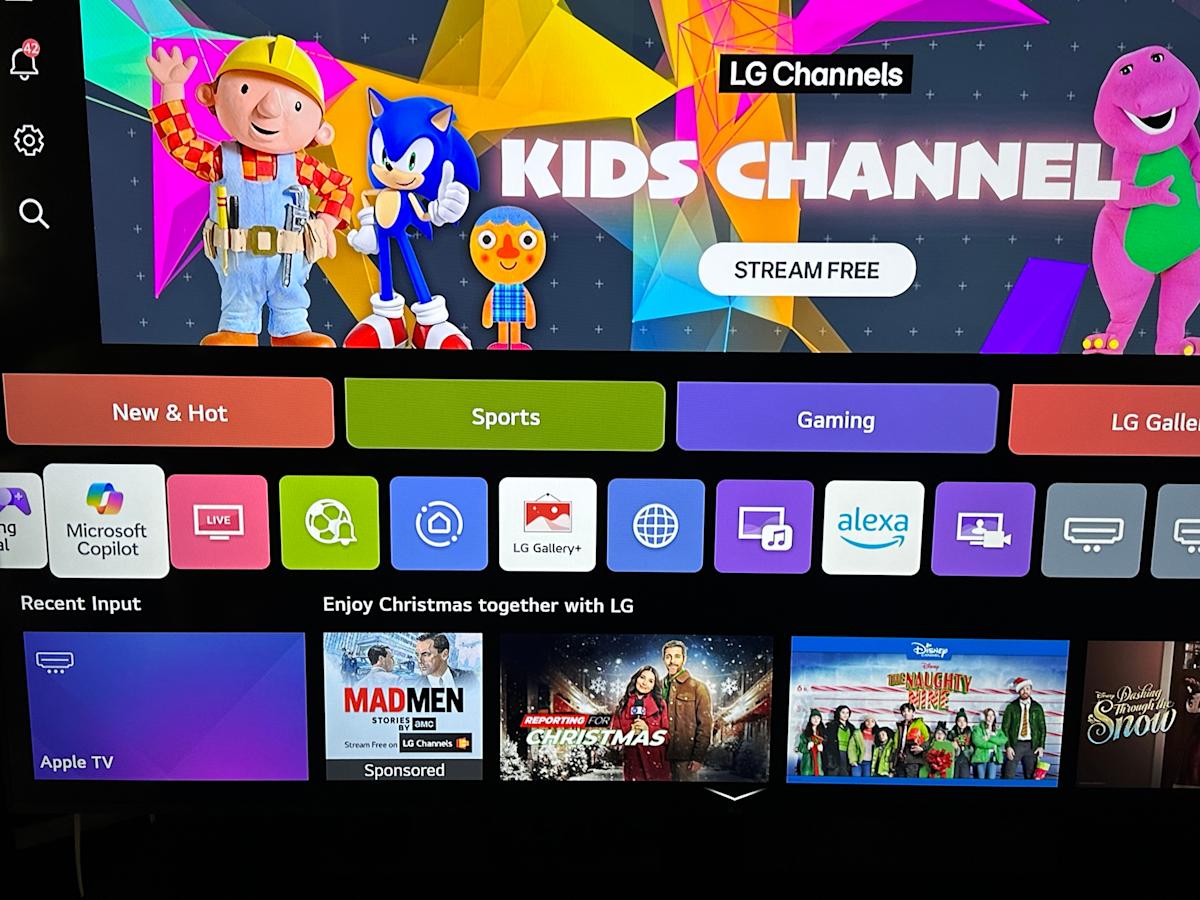
LG will enable users to delete the Microsoft Copilot shortcut on its smart TVs after customers were surprised to find it pre-installed; the shortcut is for launching an AI chatbot via the web browser, not an embedded app, amid concerns over privacy and unsolicited features.
LG smart TVs now come with an unremovable Microsoft Copilot app following a recent webOS update, reflecting a broader trend of pre-installed AI features in TVs, which users cannot delete, raising concerns about user control and privacy.
LG has quietly installed Microsoft Copilot on its smart TVs via a recent update, making it non-removable unless the TV is disconnected from the internet, raising concerns about consumer choice and privacy. The app, which acts as a web shortcut rather than a native feature, was announced by LG and Samsung earlier this year but is now appearing on LG TVs without official confirmation or user control options.
LG's recent TV software update secretly installs Microsoft Copilot, an AI assistant, onto its smart TVs without user ability to uninstall, sparking privacy concerns, user backlash, and debates over data collection and control in connected devices.
The article ranks 12 major smart TV brands based on customer satisfaction, expert reviews, and features, highlighting Samsung as the top brand, followed by LG, Sony, and others, with insights into their strengths and weaknesses across various categories like gaming, streaming, and smart home integration.
Samsung has partnered with Perplexity to include its AI engine on select smart TVs, allowing users to access AI features via the AI button, marking a significant step in integrating AI into the living room and enhancing media search and discovery. This move highlights the growing importance of AI in shared entertainment spaces, alongside other tech giants like Google.
Netflix is expanding its gaming offerings by allowing subscribers to play casual games directly on smart TVs without a console, using their smartphones as controllers. This move aims to diversify entertainment options, increase viewer engagement, and compete with other gaming platforms, with initial rollout in select regions. NFLX stock is rated as a Moderate Buy with potential upside, reflecting confidence in the company's new gaming strategy.
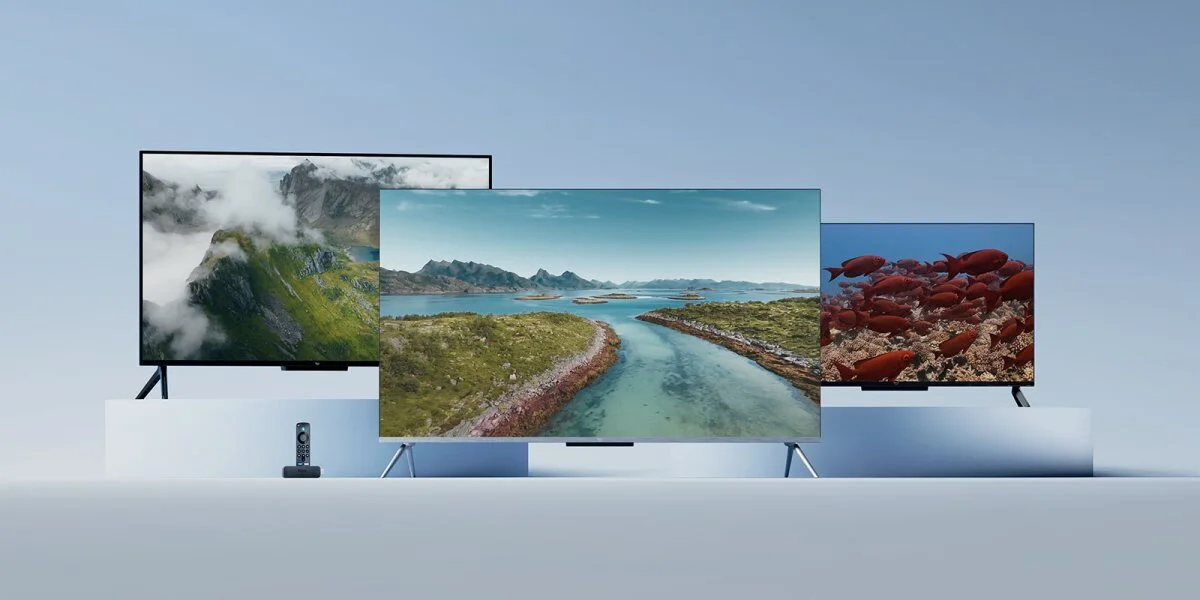
Amazon has announced a new lineup of Fire TV devices, including the Fire TV Stick 4K Select and the Omni QLED Series, featuring faster performance, smarter discovery with Alexa+, and enhanced visual quality. Alexa+ offers personalized content suggestions, scene search, and live sports updates, transforming the TV viewing experience into a more intuitive and interactive process. The new devices aim to simplify content discovery and improve user engagement across various price points and screen sizes.