Tag

Supernova Remnant

All articles tagged with #supernova remnant

Hubble captures 25-year evolution of the Crab Nebula
space13 days ago

Hubble captures 25-year evolution of the Crab Nebula

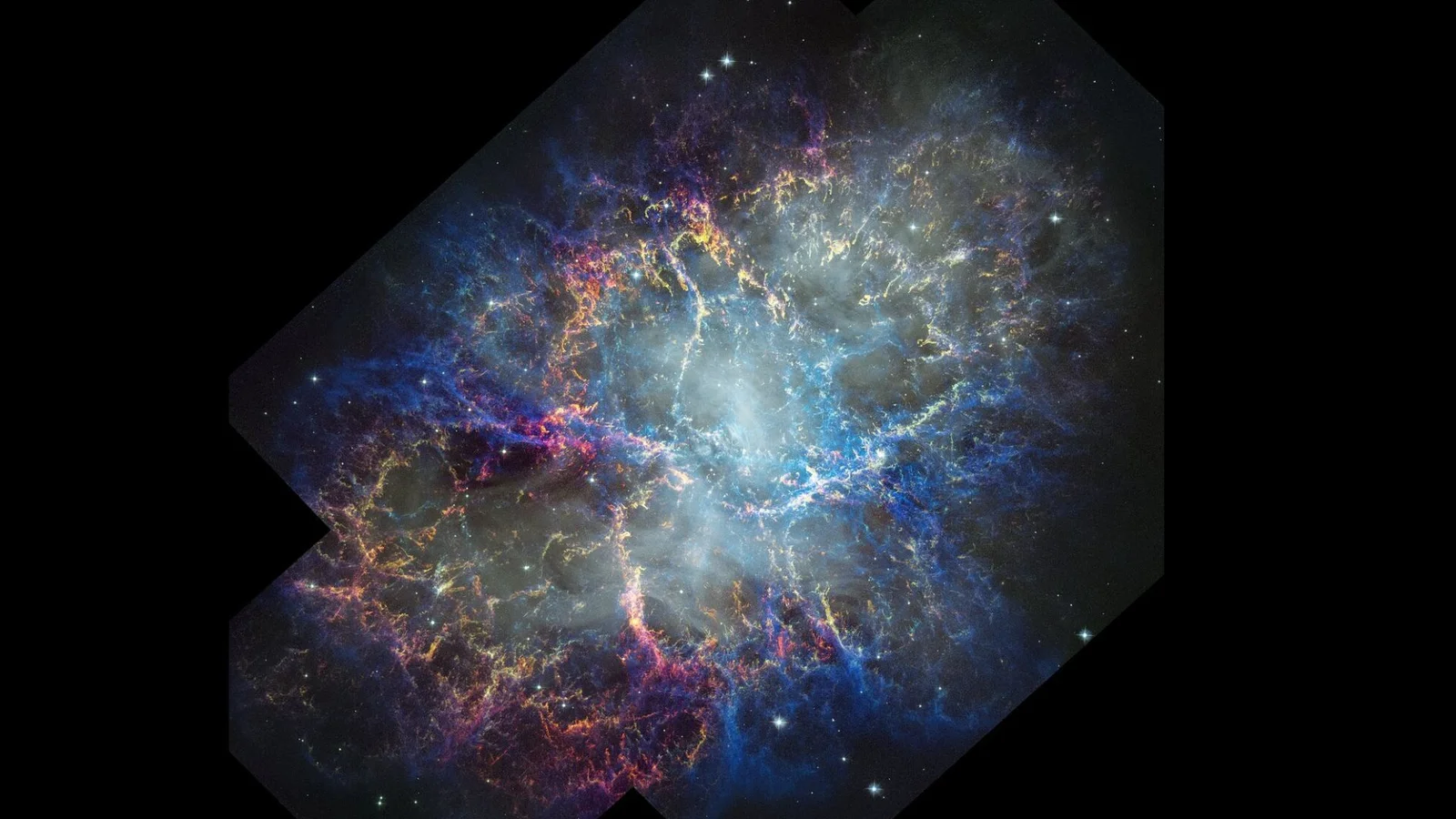
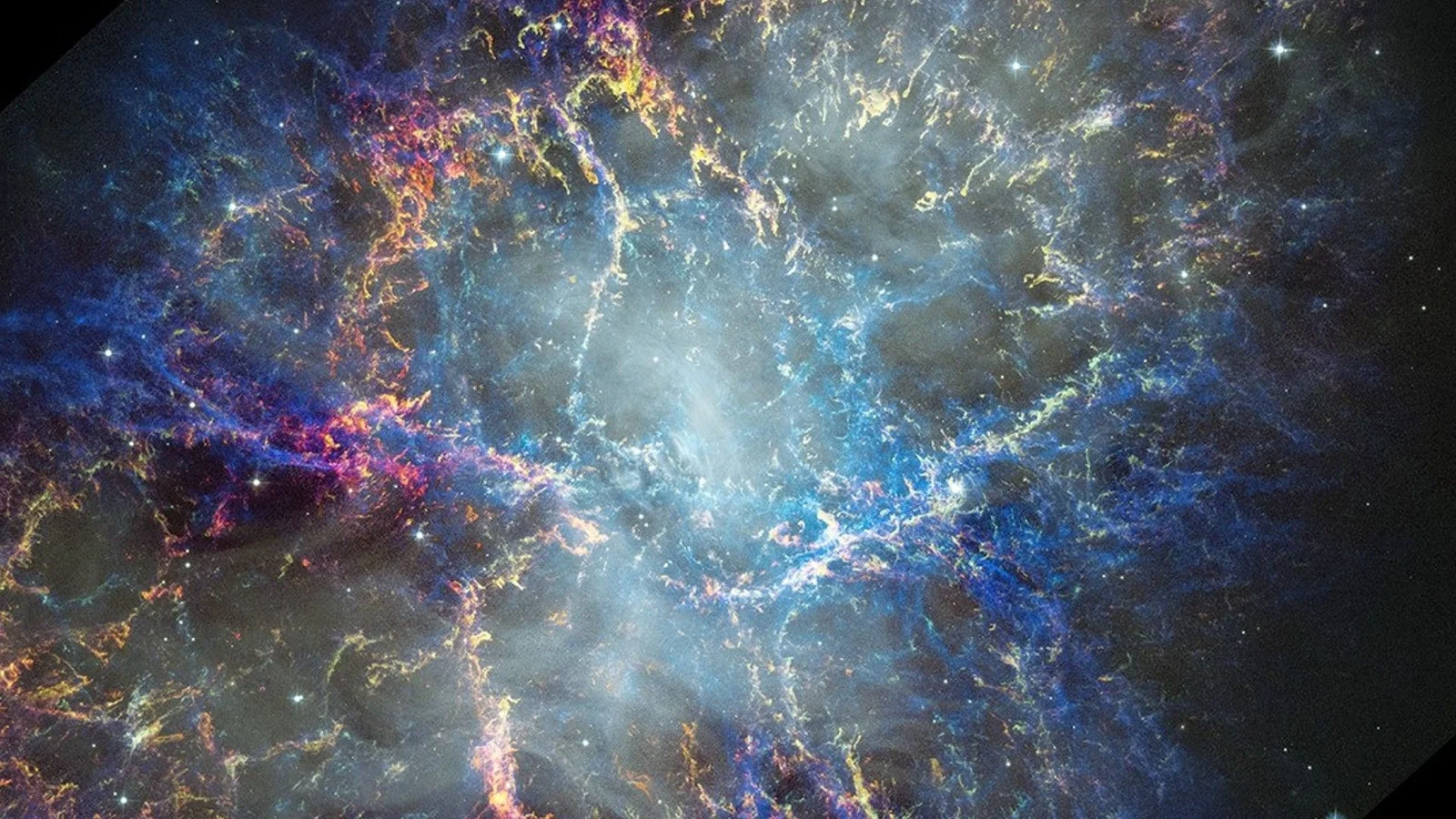
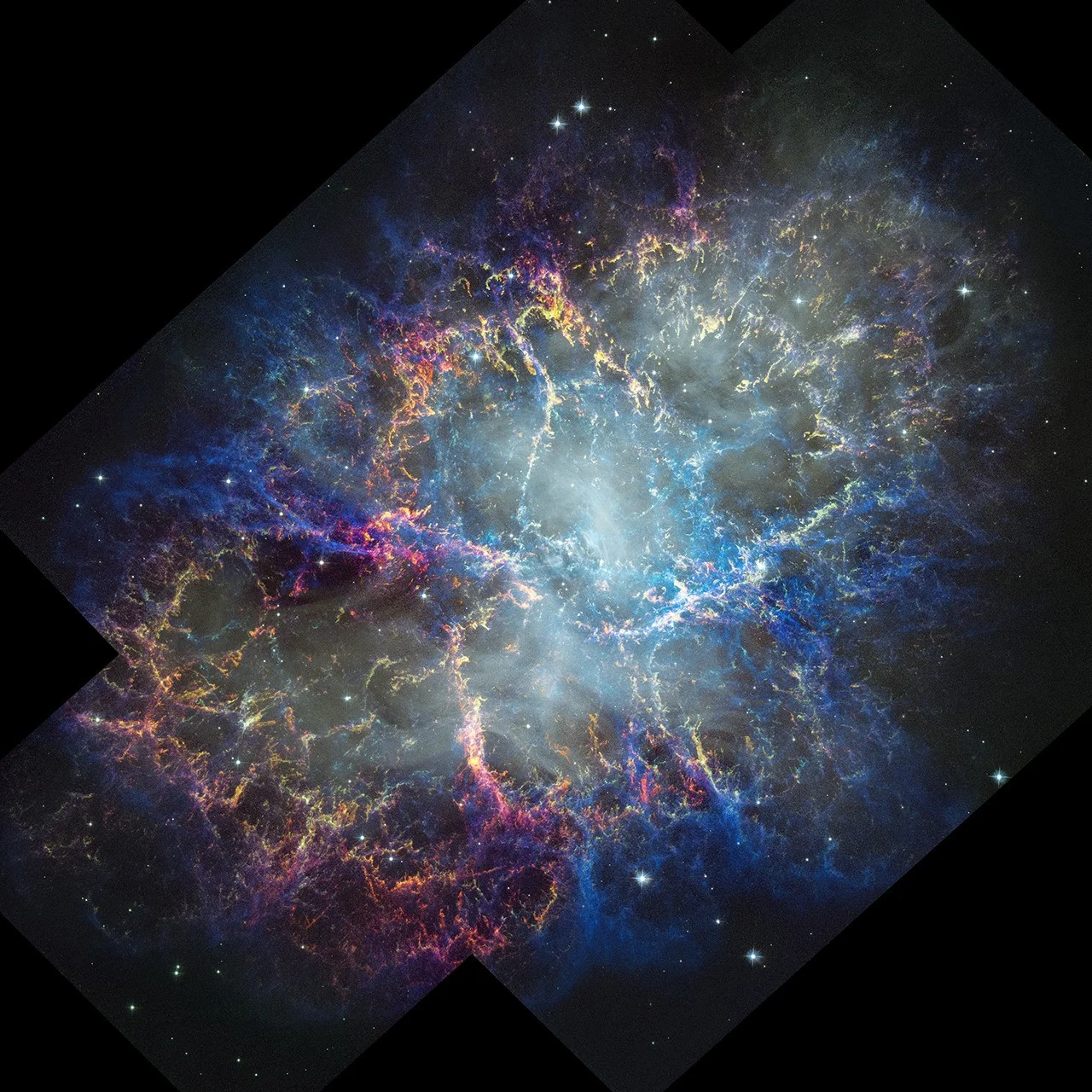
Astronomers compared two high-resolution Hubble images of the Crab Nebula taken in 1999/2000 and 2024, finding the iconic supernova remnant has expanded and changed shape over 25 years. The nebula’s filaments are moving outward at about 3.4 million mph, driven by energy from the central pulsar rather than a passing shock wave, and the new view reveals 3D structure and varying gas temperatures within the expanding shell.

Hubble Revisits Crab Nebula, Revealing Evolving Gas Clouds After 25 Years
space17 days ago

Hubble Revisits Crab Nebula, Revealing Evolving Gas Clouds After 25 Years

NASA’s Hubble Space Telescope released new 2024 images of the Crab Nebula (Messier 1), taken 25 years after the initial look, showing moving gas clouds and changes in temperature, density, and chemistry as the remnant continues to expand (about 3.4 million mph) from its 1054 supernova, located roughly 6,500 light-years away in Taurus.

Hubble Traces a Quarter-Century of Crab Nebula Expansion
science19 days ago

Hubble Traces a Quarter-Century of Crab Nebula Expansion

NASA's Hubble Space Telescope revisited the Crab Nebula, producing a 2024 image that, when paired with 1999 data, reveals the remnant's 25-year expansion and evolving filaments driven by the central pulsar wind. The study shows outward motion of filaments at about 3.4 million miles per hour and highlights how Hubble's longevity and upgraded instruments enable detailed 3D insights when combined with multiwavelength observations, including JWST, with findings published in The Astrophysical Journal.

Jellyfish Nebula in Gemini Resembles a Brain in Brilliant Space Photo
space-astronomy1 month ago

Jellyfish Nebula in Gemini Resembles a Brain in Brilliant Space Photo

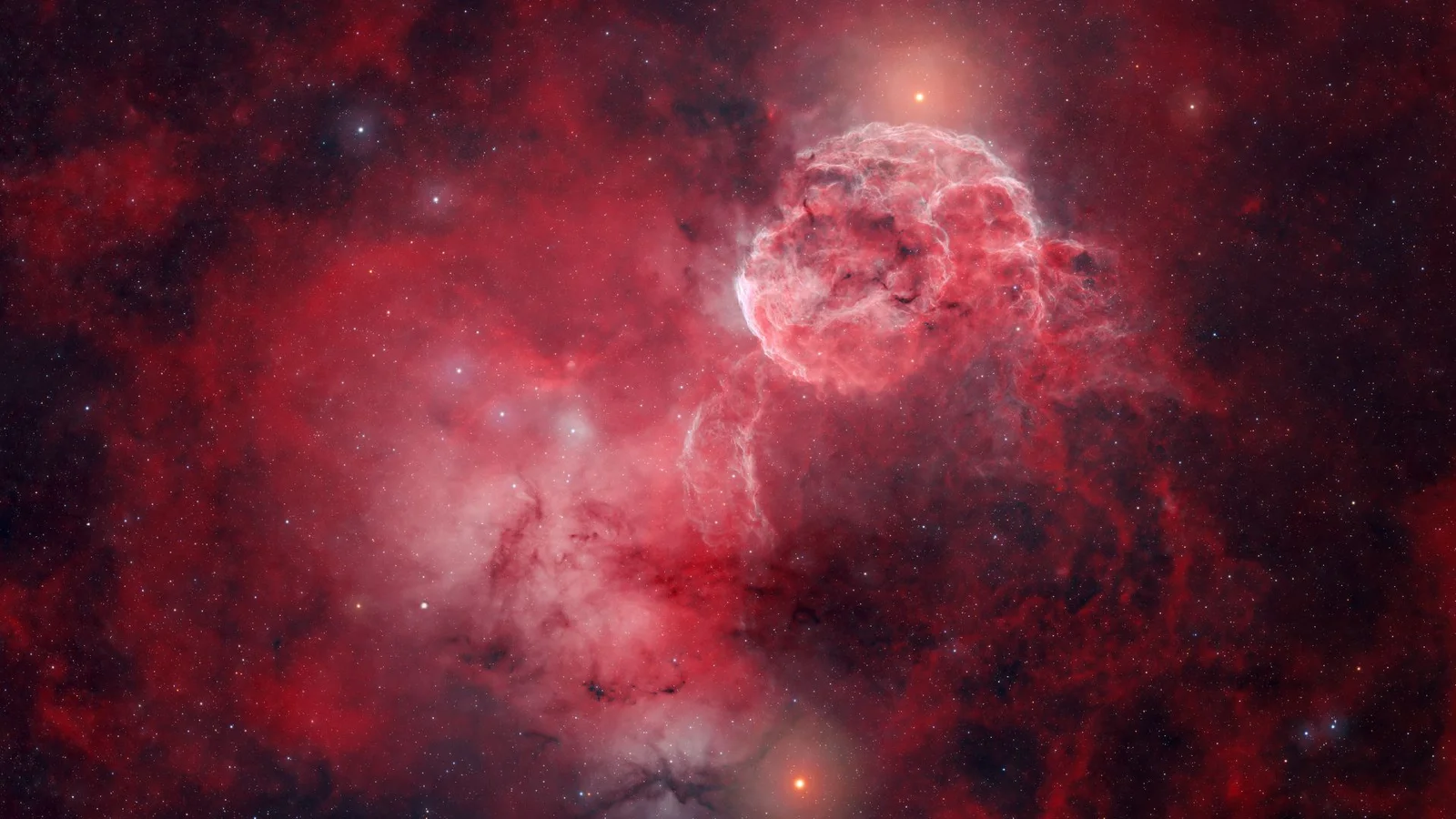
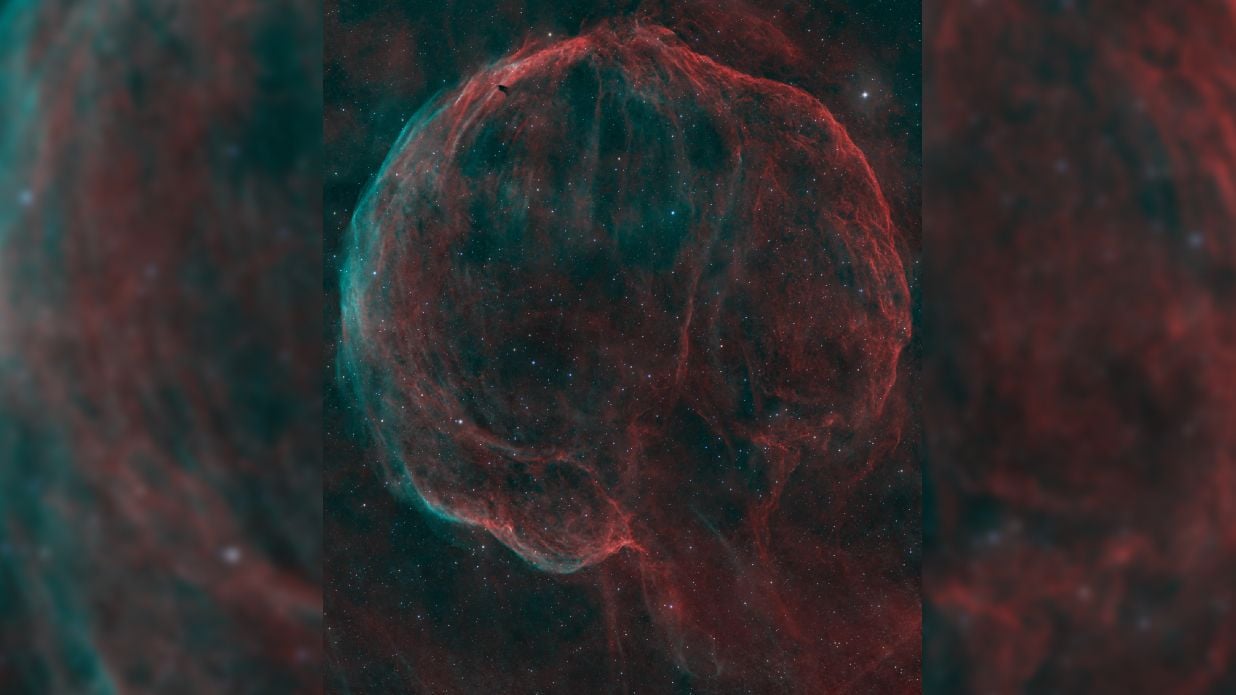
Space.com reports astrophotographer Ogetay Kayali captured IC 443—the Jellyfish Nebula—a 5,000‑light‑year‑old supernova remnant in Gemini near Propus. The image highlights the glowing hydrogen shell and intricate interstellar filaments, with a pulsar remaining from the explosion. Kayali notes the composition can resemble both a jellyfish and a brain, illustrating the remnant’s striking shell and its environment.

Astronomers Discover Mysterious Perfect Sphere in the Milky Way
science10 months ago

Astronomers Discover Mysterious Perfect Sphere in the Milky Way

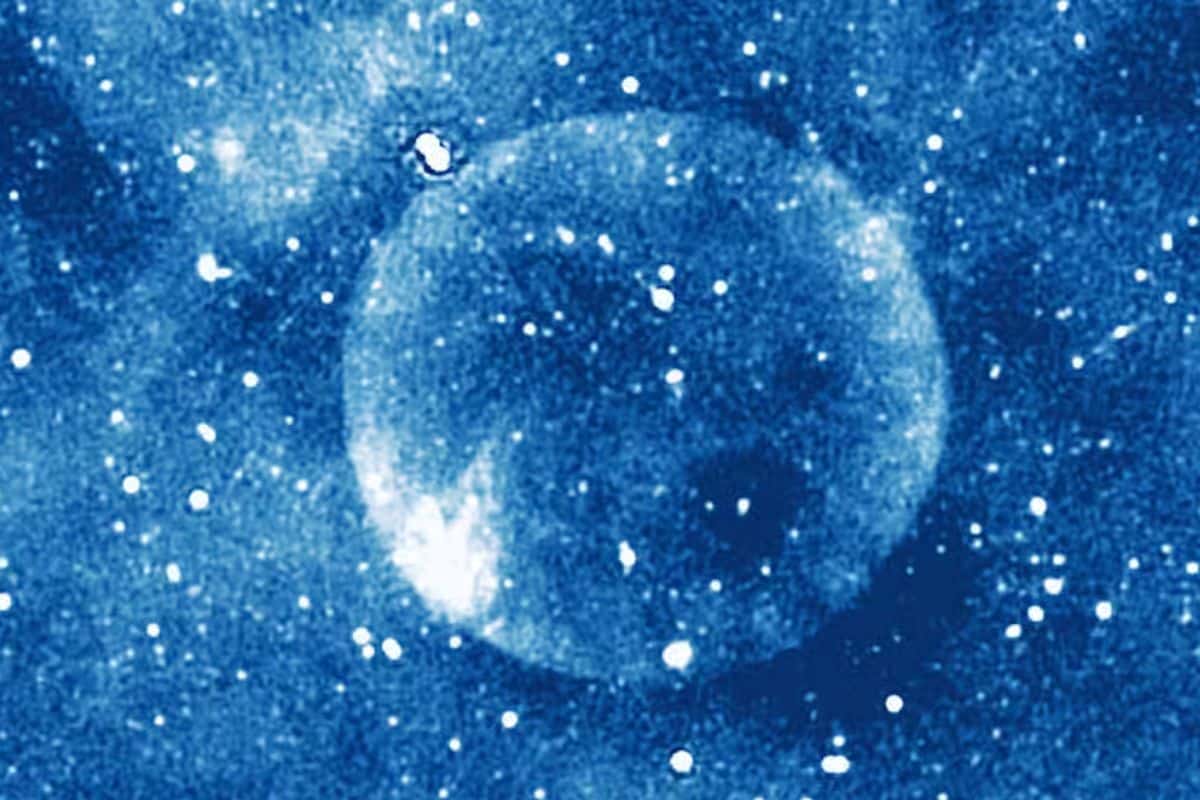
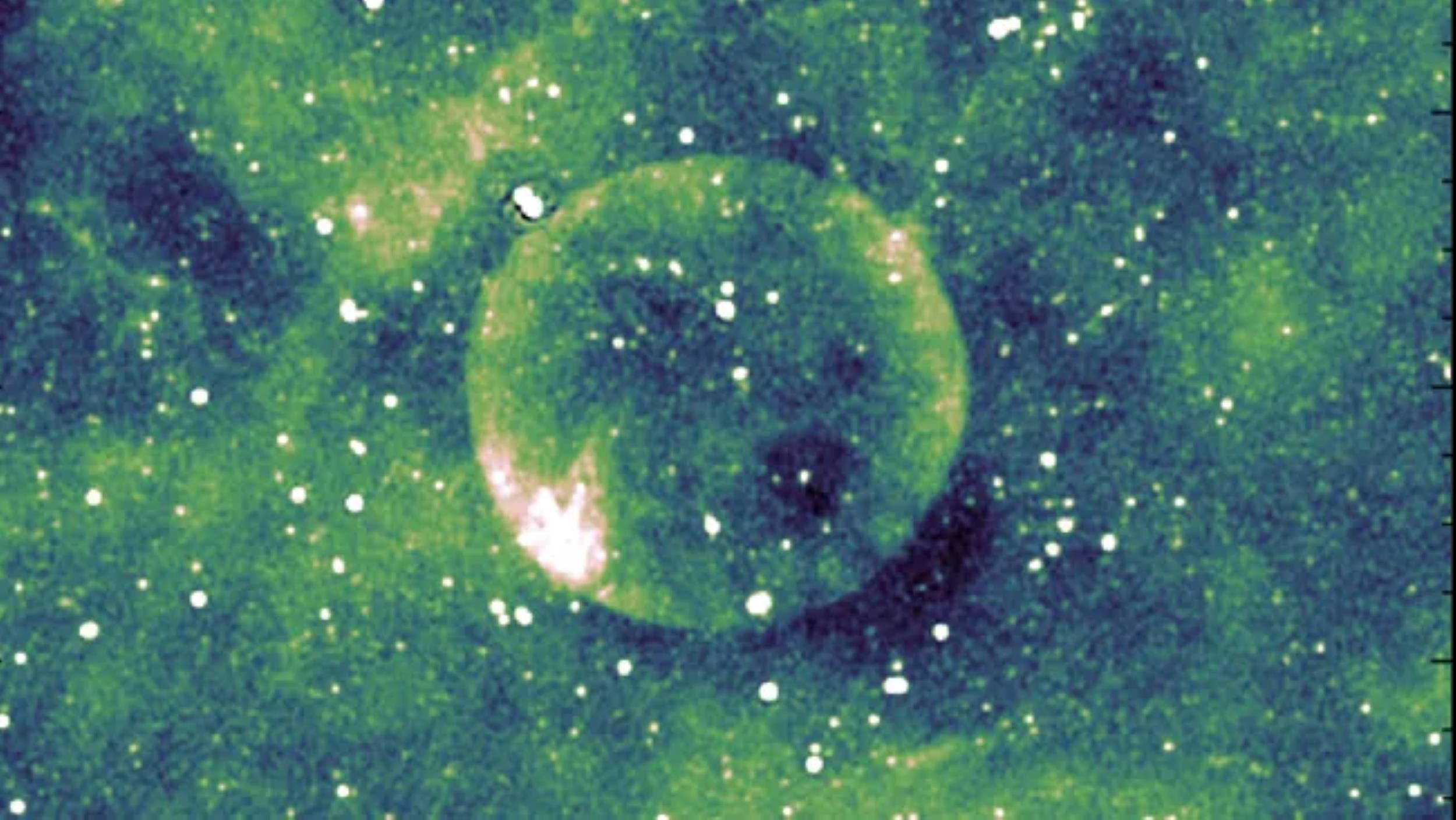
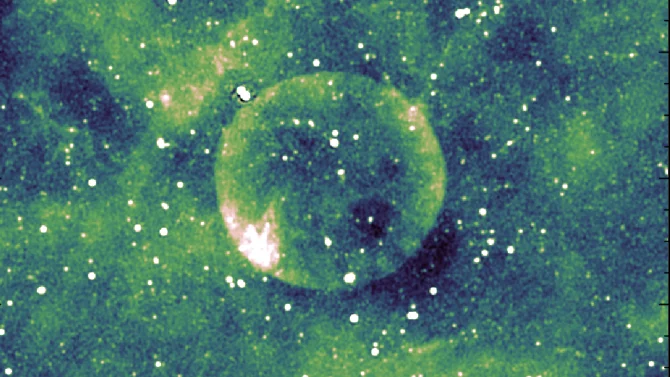
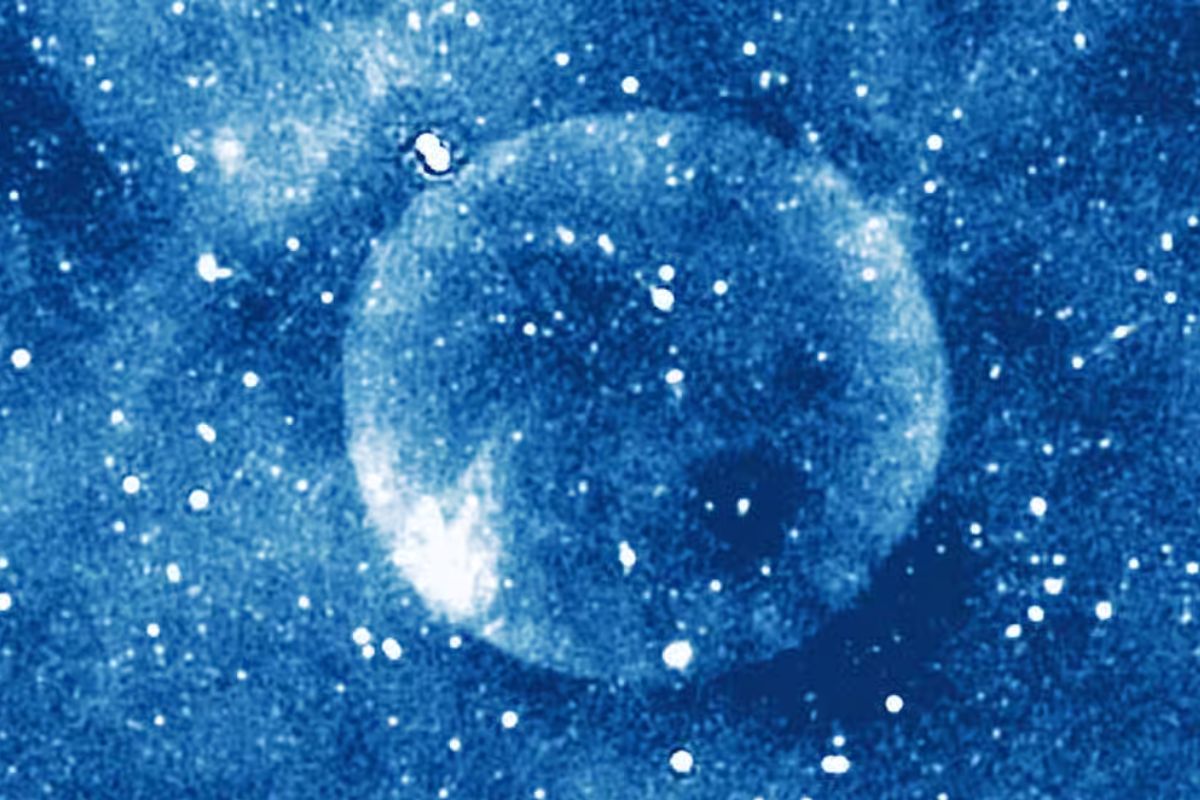
Scientists have discovered a mysterious, perfectly spherical object named Teleios in the Milky Way that emits only radio signals and lacks visible or X-ray emissions, challenging existing theories about celestial structures and possibly representing a unique stellar remnant or cosmic bubble. Its precise nature remains uncertain, prompting further observations and research.

"Dark Energy Camera Reveals Ancient Supernova in Stunning Gigapixel Image"
astronomy2 years ago

"Dark Energy Camera Reveals Ancient Supernova in Stunning Gigapixel Image"

The Dark Energy Camera (DECam) has captured a 1.3-gigapixel image of the Vela Supernova Remnant, showcasing the remains of a massive star that exploded nearly 11,000 years ago. This colorful image, taken with state-of-the-art technology, reveals the intricate web-like filaments of the expanding nebula, which spans almost 100 light-years. The image also features the Vela Pulsar, the collapsed core of the star, now an ultra-condensed neutron star. DECam's capabilities allow for the creation of mesmerizing images of faint astronomical objects, offering a limitless starscape to explore.

"Newly Discovered Supernova Remnant Unveiled by Astronomers"
astronomy2 years ago

"Newly Discovered Supernova Remnant Unveiled by Astronomers"

Astronomers from Curtin University and other institutions have discovered a new supernova remnant (SNR) named G321.3-3.9, located 3,300 light years away. The elliptical SNR is estimated to be a few thousand years old and was confirmed using radio and X-ray data. The SNR's distance, diameter, and age were estimated, but uncertainties remain due to limited data. Further observations are planned to search for a pulsar association, which could provide more accurate measurements of the SNR's properties.