Tag

Pulsar

All articles tagged with #pulsar

Crab Nebula Still Expanding: A Millennium-Old Supernova Remnant in Motion
space17 minutes ago

Crab Nebula Still Expanding: A Millennium-Old Supernova Remnant in Motion

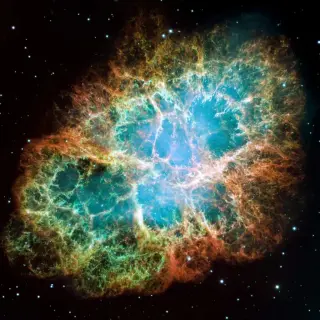
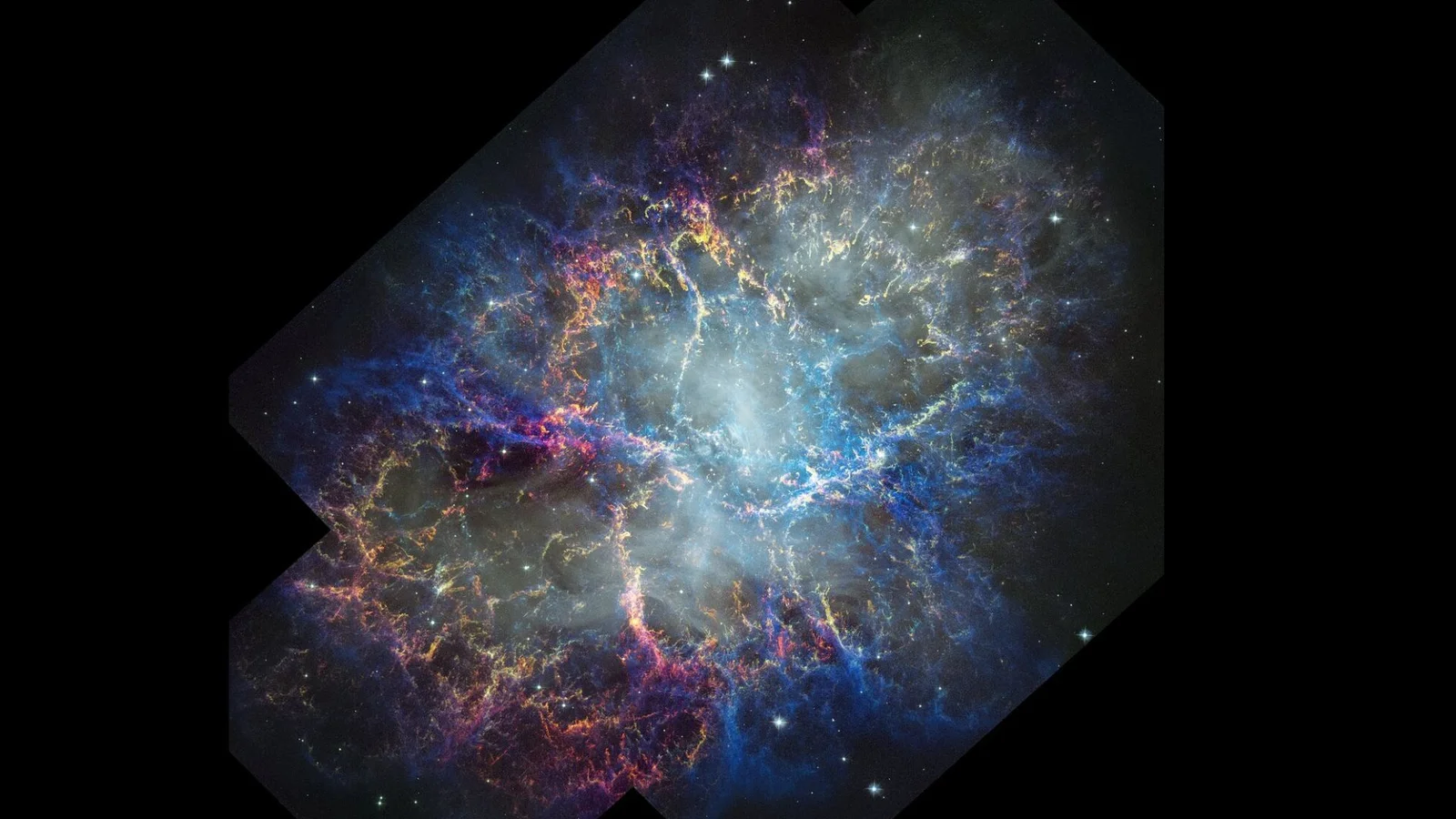
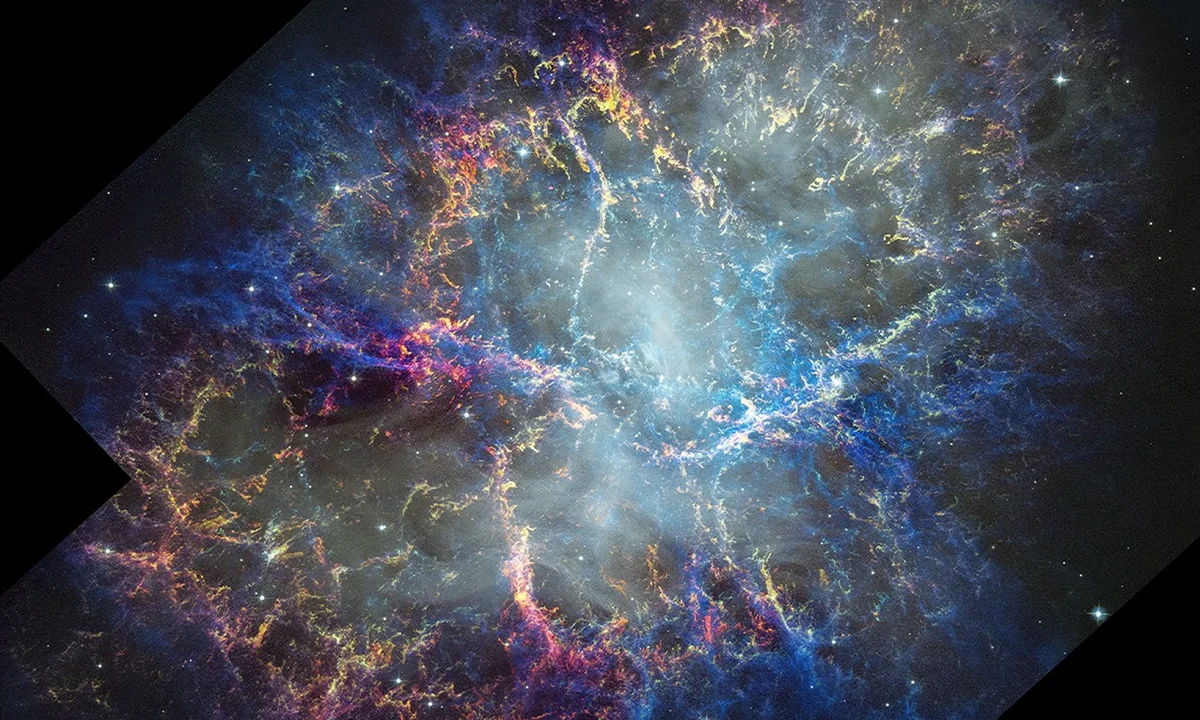
Hubble re-imaged the Crab Nebula to measure its ongoing expansion since SN 1054, finding filaments moving about 0.3 arcseconds per year (roughly 3.4 million mph) driven by energy from the central pulsar; the thousand-year-old remnant is not a static shell and new filament groups with similar emission were identified, linking the medieval guest star to a living, evolving nebula about 6,500 light-years away in Taurus.

Blue Eye Pulsar Finds Its Voice: Faint Radio Pulses Detected
science5 days ago

Blue Eye Pulsar Finds Its Voice: Faint Radio Pulses Detected

Using the MeerKAT radio telescope, astronomers detected very faint radio pulses from 1E 1207.4-5209, a central compact object at the center of a supernova remnant nicknamed the Blue Eye Pulsar, about 10,000 light-years away. The signal matches the 424-millisecond spin, marking the first detection of radio emission from this quiet neutron star after decades; a 2015 spin glitch may have reoriented or boosted its magnetic field to make the pulses detectable, suggesting many more such faint pulsars exist and possibly explaining missing pulsars in remnants like SN 1987A.

Diamond-Rain World Around a Pulsar Challenges Planet-Formation Theory
space10 days ago

Diamond-Rain World Around a Pulsar Challenges Planet-Formation Theory

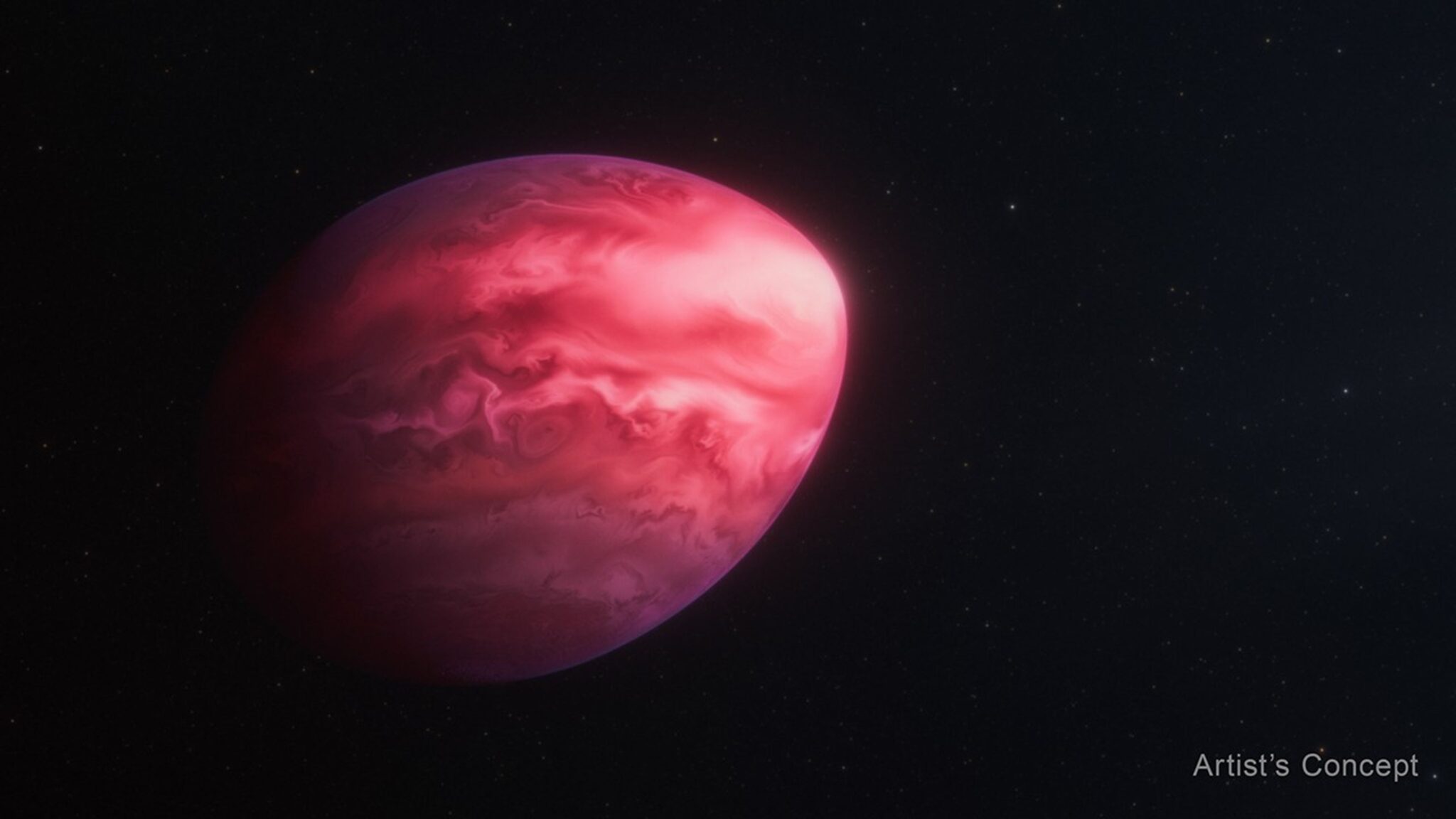
Using the James Webb Space Telescope, astronomers identified PSR J2322-2650b, a Jupiter-mass world orbiting a pulsar. Its atmosphere is unusually rich in helium and carbon, with nitrogen and oxygen largely absent, and its clouds may condense soot into diamond, implying a “diamond rain.” The planet’s nearly pure carbon composition and puzzling formation history defy current models, challenging the line between planet and stellar remnant and prompting new theories about how such worlds form.

Lemon-shaped exoplanet around a pulsar reveals carbon-rich atmosphere, baffling formation theories
science18 days ago

Lemon-shaped exoplanet around a pulsar reveals carbon-rich atmosphere, baffling formation theories

NASA’s James Webb Space Telescope observed PSR J2322-2650b, a Jupiter-mass planet in a lemon-like orbit around a millisecond pulsar, with an atmosphere dominated by molecular carbon (C2 and C3) rather than water or methane. The extreme carbon-to-oxygen and carbon-to-nitrogen ratios, plus the planet’s shape and winds, challenge current formation theories. The finding is based on spectra from a single planet using one instrument, so while striking, it highlights a new puzzle rather than a confirmed explanation for how such worlds form.

Hubble captures 25-year evolution of the Crab Nebula
space3 months ago

Hubble captures 25-year evolution of the Crab Nebula

Astronomers compared two high-resolution Hubble images of the Crab Nebula taken in 1999/2000 and 2024, finding the iconic supernova remnant has expanded and changed shape over 25 years. The nebula’s filaments are moving outward at about 3.4 million mph, driven by energy from the central pulsar rather than a passing shock wave, and the new view reveals 3D structure and varying gas temperatures within the expanding shell.

Jellyfish Nebula in Gemini Resembles a Brain in Brilliant Space Photo
space-astronomy4 months ago

Jellyfish Nebula in Gemini Resembles a Brain in Brilliant Space Photo

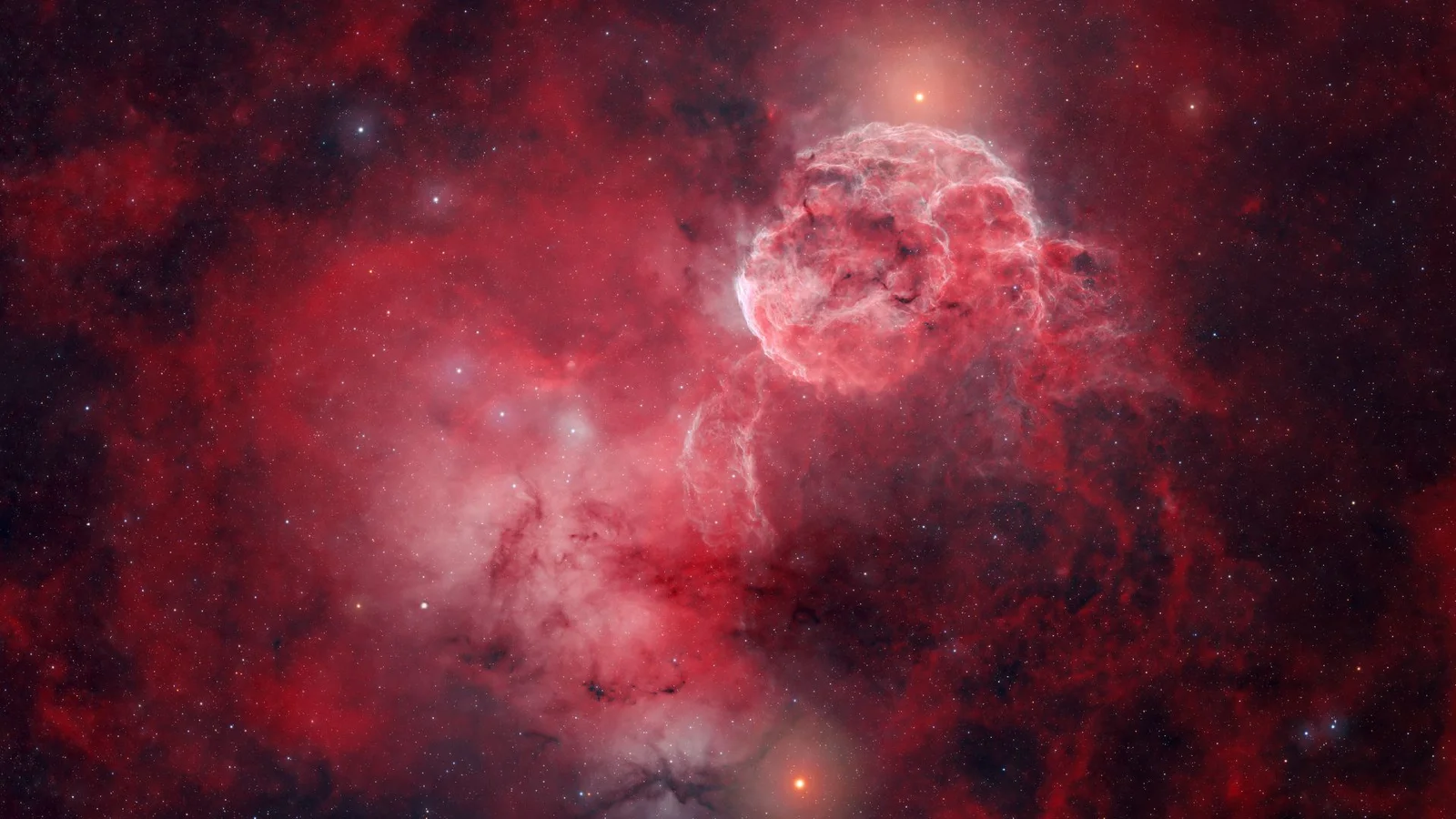
Space.com reports astrophotographer Ogetay Kayali captured IC 443—the Jellyfish Nebula—a 5,000‑light‑year‑old supernova remnant in Gemini near Propus. The image highlights the glowing hydrogen shell and intricate interstellar filaments, with a pulsar remaining from the explosion. Kayali notes the composition can resemble both a jellyfish and a brain, illustrating the remnant’s striking shell and its environment.

Milky Way’s Core May Hide an Ultra-Magnetized Pulsar
astronomy4 months ago

Milky Way’s Core May Hide an Ultra-Magnetized Pulsar

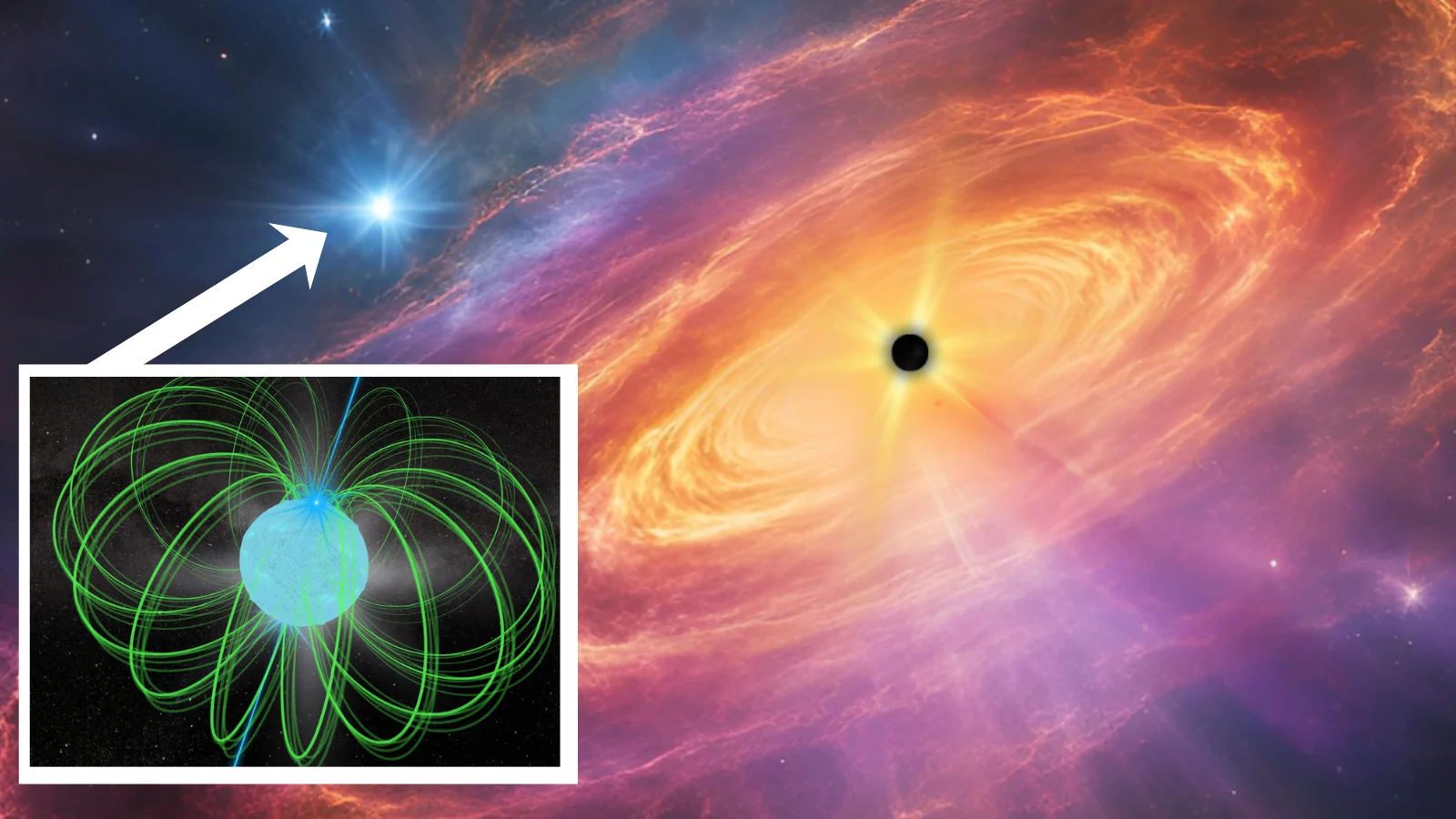
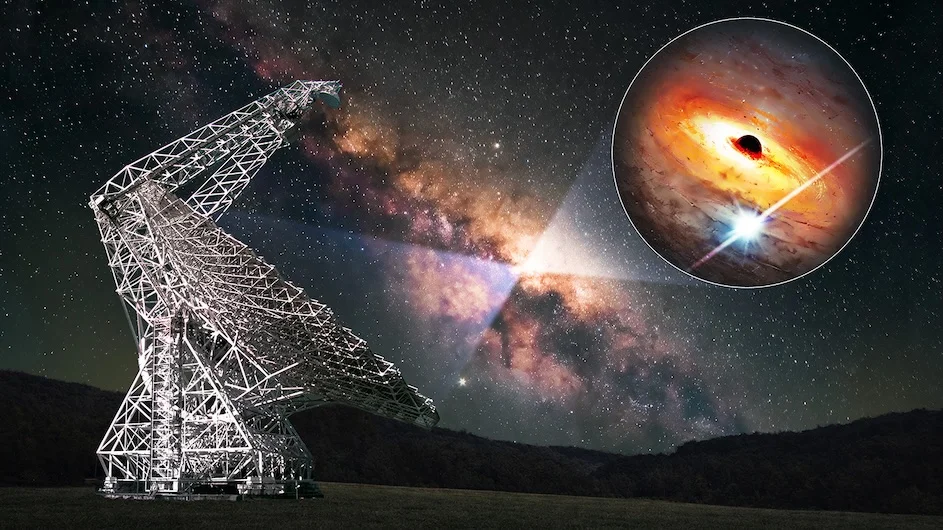
Scientists suspect a rapidly spinning, highly magnetic neutron star (a pulsar) sits near the Milky Way’s center. A Breakthrough Listen radio survey with the Green Bank Telescope (2021–2023) found a single pulsar candidate, BLPSR, around 122 rotations per second. If confirmed, such a pulsar orbiting Sagittarius A* could serve as a precise cosmic clock to test general relativity in the extreme gravity near the galaxy’s supermassive black hole, though the Galactic Center is notoriously hard to survey. Future facilities like ngVLA and SKA could help determine how many pulsars truly populate the core.

NASA's Webb Unveils Bizarre Lemon-Shaped Exoplanet with Unique Atmosphere
science6 months ago

NASA's Webb Unveils Bizarre Lemon-Shaped Exoplanet with Unique Atmosphere

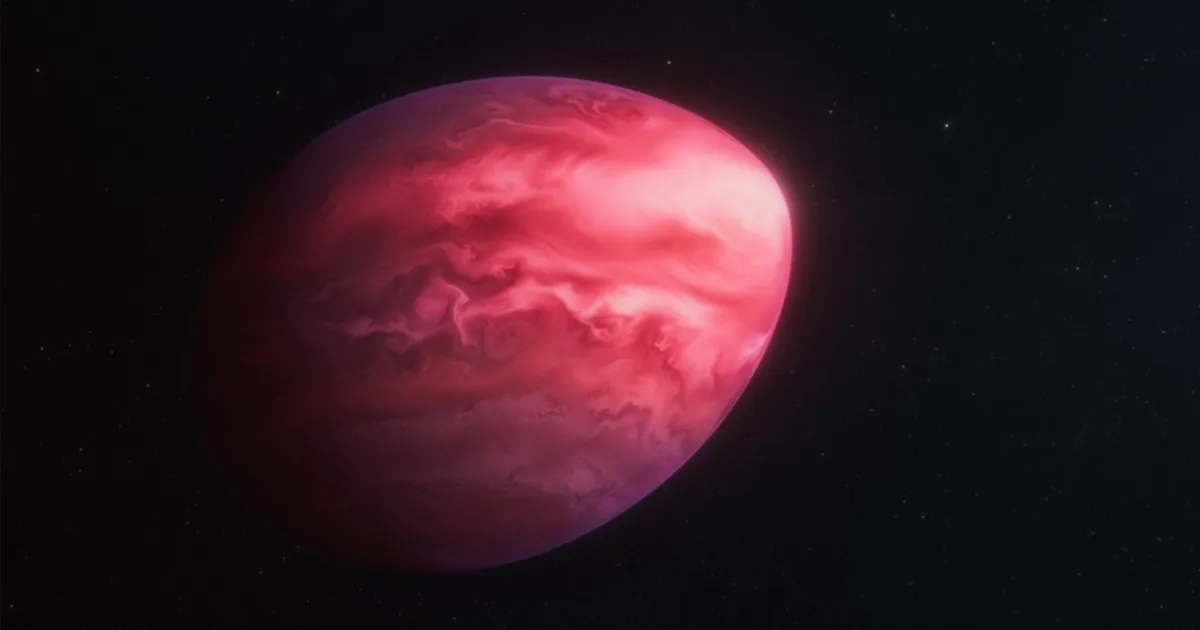
Astronomers using the James Webb Space Telescope have discovered a unique, lemon-shaped exoplanet called PSR J2322-2650b, orbiting a pulsar at a very close distance. The planet has an unusual composition dominated by helium and carbon, with surface temperatures up to 3,700°F, and may represent a new class of cosmic object due to its peculiar shape and atmosphere. Its origins are uncertain, raising the possibility of a new type of celestial body.