Tag

Crab Nebula

All articles tagged with #crab nebula

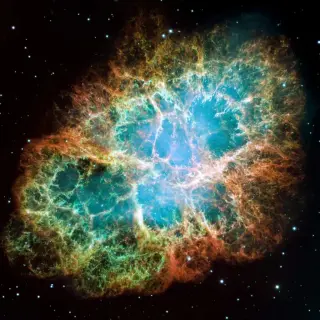
Hubble captures 25-year evolution of the Crab Nebula
space13 days ago

Hubble captures 25-year evolution of the Crab Nebula

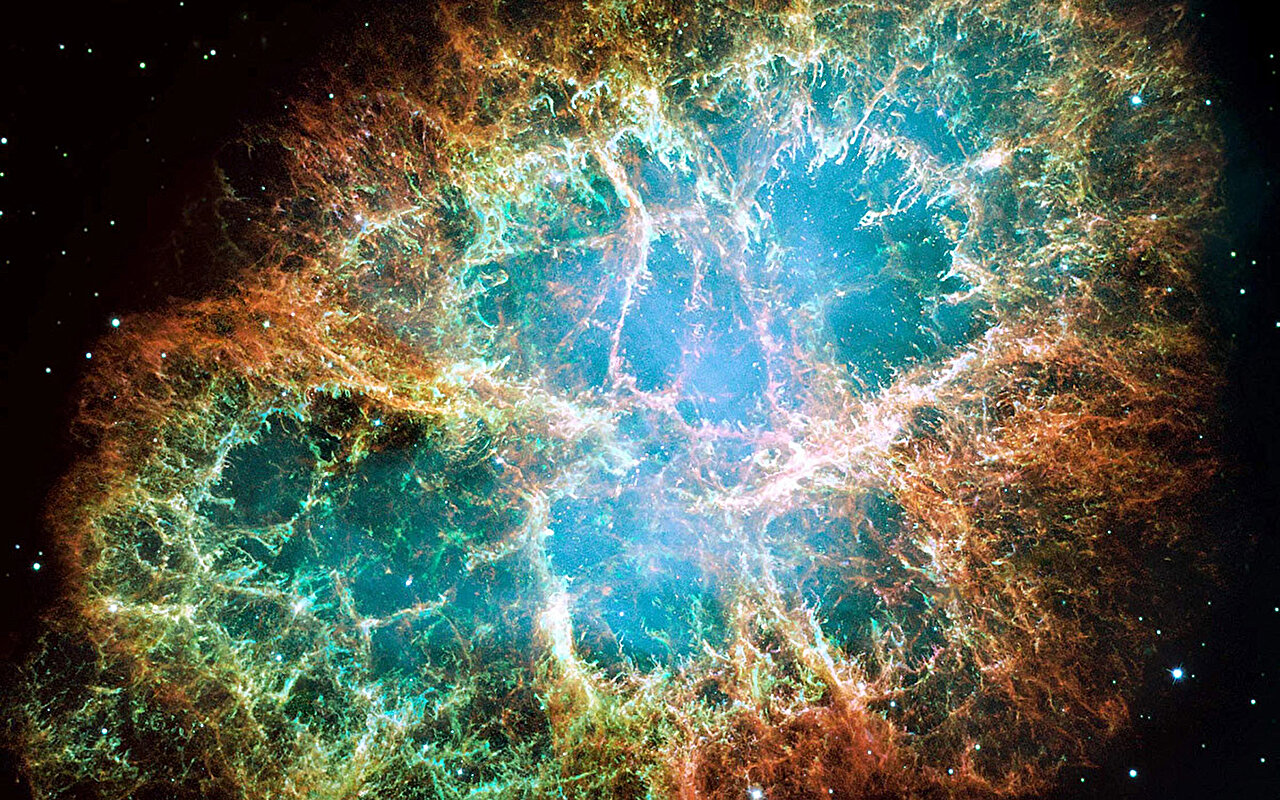
Astronomers compared two high-resolution Hubble images of the Crab Nebula taken in 1999/2000 and 2024, finding the iconic supernova remnant has expanded and changed shape over 25 years. The nebula’s filaments are moving outward at about 3.4 million mph, driven by energy from the central pulsar rather than a passing shock wave, and the new view reveals 3D structure and varying gas temperatures within the expanding shell.

Hubble Revisits Crab Nebula, Revealing Evolving Gas Clouds After 25 Years
space17 days ago

Hubble Revisits Crab Nebula, Revealing Evolving Gas Clouds After 25 Years

NASA’s Hubble Space Telescope released new 2024 images of the Crab Nebula (Messier 1), taken 25 years after the initial look, showing moving gas clouds and changes in temperature, density, and chemistry as the remnant continues to expand (about 3.4 million mph) from its 1054 supernova, located roughly 6,500 light-years away in Taurus.
Hubble clocks a quarter-century of Crab Nebula expansion in sharper detail
space17 days ago

Hubble clocks a quarter-century of Crab Nebula expansion in sharper detail

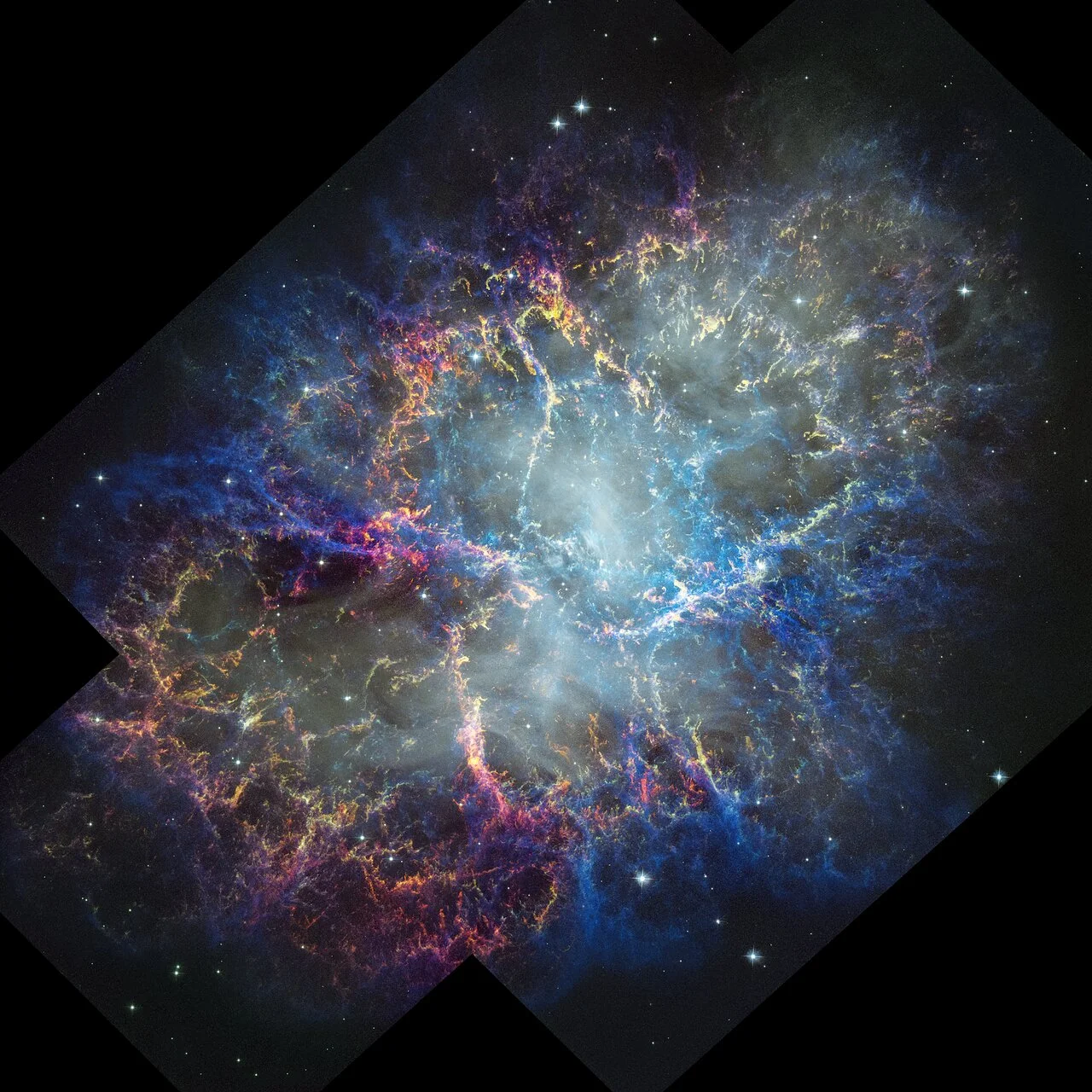
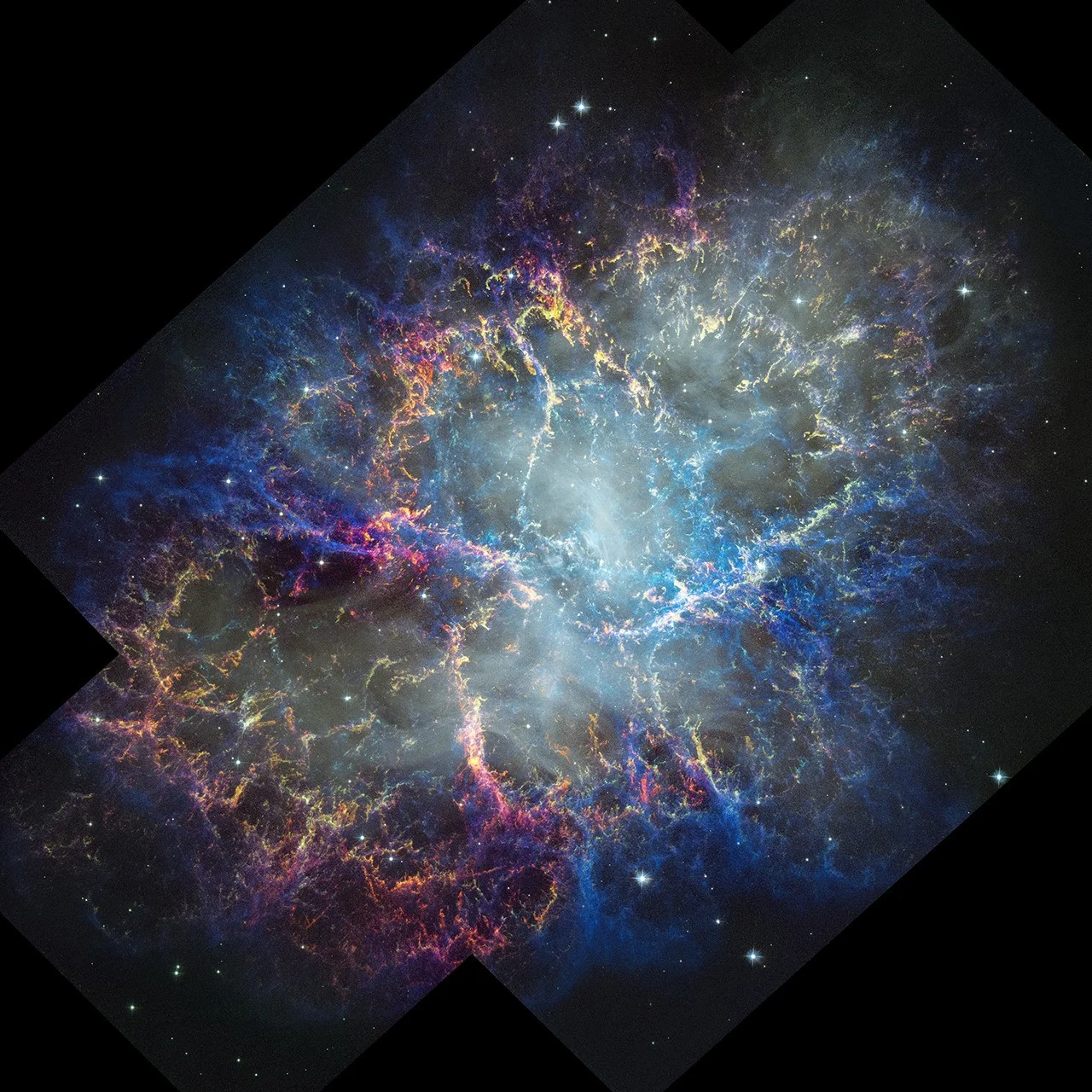
The Hubble Space Telescope revisits the Crab Nebula, 6,500 light-years away, to trace 25 years of expansion. The new high-resolution images show peripheral filaments moving outward at about 5.5 million kilometers per hour and reveal a more detailed 3D structure, with color and brightness changes tied to local temperature, density, and composition. The study, comparing with the 1999 data and complemented by multiwavelength work including Webb’s 2024 infrared observations, will help scientists better understand the ongoing aftermath of the SN 1054 explosion. The findings are published in The Astrophysical Journal.

Hubble Traces a Quarter-Century of Crab Nebula Expansion
science18 days ago

Hubble Traces a Quarter-Century of Crab Nebula Expansion

NASA's Hubble Space Telescope revisited the Crab Nebula, producing a 2024 image that, when paired with 1999 data, reveals the remnant's 25-year expansion and evolving filaments driven by the central pulsar wind. The study shows outward motion of filaments at about 3.4 million miles per hour and highlights how Hubble's longevity and upgraded instruments enable detailed 3D insights when combined with multiwavelength observations, including JWST, with findings published in The Astrophysical Journal.

Astrophysicist Unveils Theory on Crab Nebula's Zebra Stripes
science1 year ago

Astrophysicist Unveils Theory on Crab Nebula's Zebra Stripes

A theoretical astrophysicist from the University of Kansas, Mikhail Medvedev, has proposed a solution to the mysterious 'zebra' pattern observed in the Crab Nebula's radio emissions. By modeling wave diffraction and using wave optics, Medvedev suggests that the pattern is caused by the diffraction of electromagnetic pulses through the pulsar's plasma, which varies in density. This new understanding could enhance the study of pulsars and their magnetospheres, offering insights into their plasma density and distribution.

"Supernovas Explode in Stunning Time-Lapse"
space-and-cosmos1 year ago

"Supernovas Explode in Stunning Time-Lapse"

To celebrate the 25th anniversary of the Chandra X-ray Observatory, NASA released time-lapse videos of two supernova explosions, the Crab Nebula and Cassiopeia A, showing their evolution over two decades. Despite proposed budget cuts, there is legislative support for the continued operation of Chandra, which has been crucial for astrophysical discoveries.

"James Webb Telescope Uncovers Hidden Discovery in Crab Nebula's Core"
astronomy2 years ago

"James Webb Telescope Uncovers Hidden Discovery in Crab Nebula's Core"

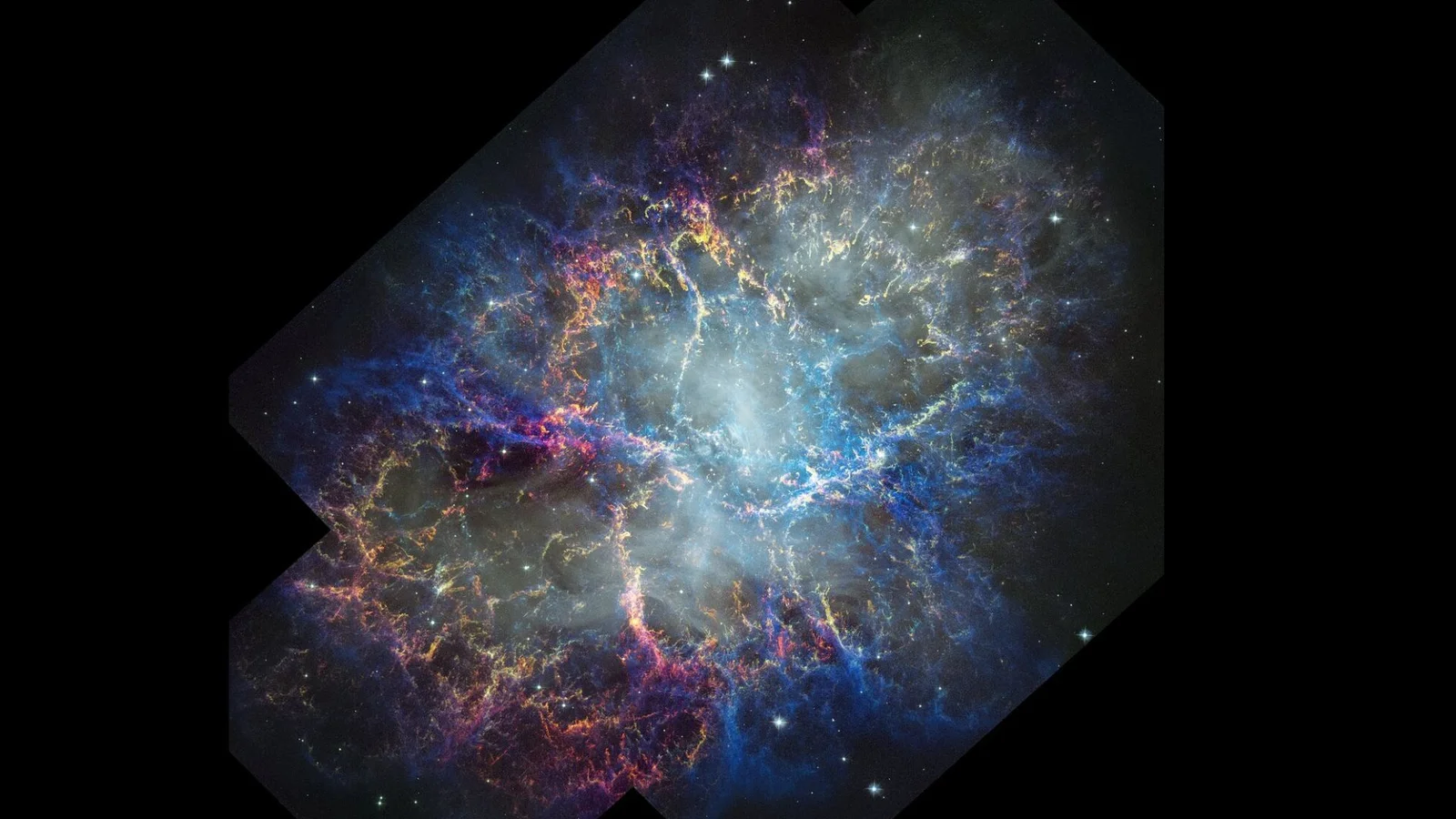
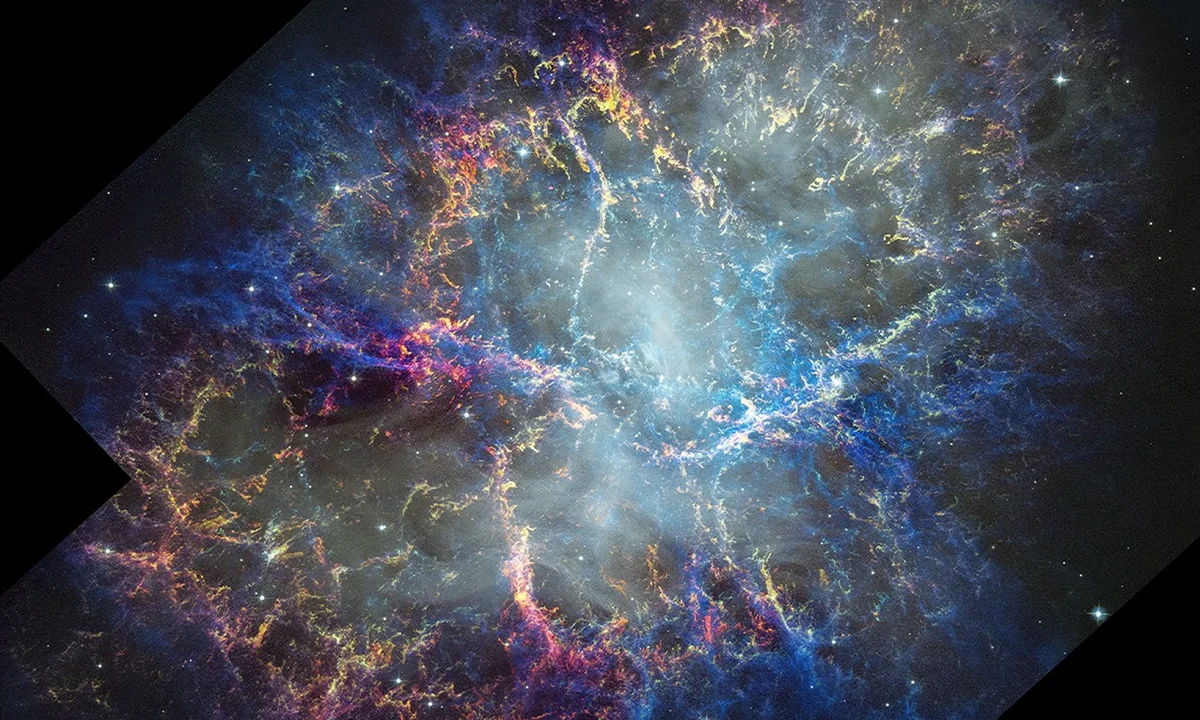
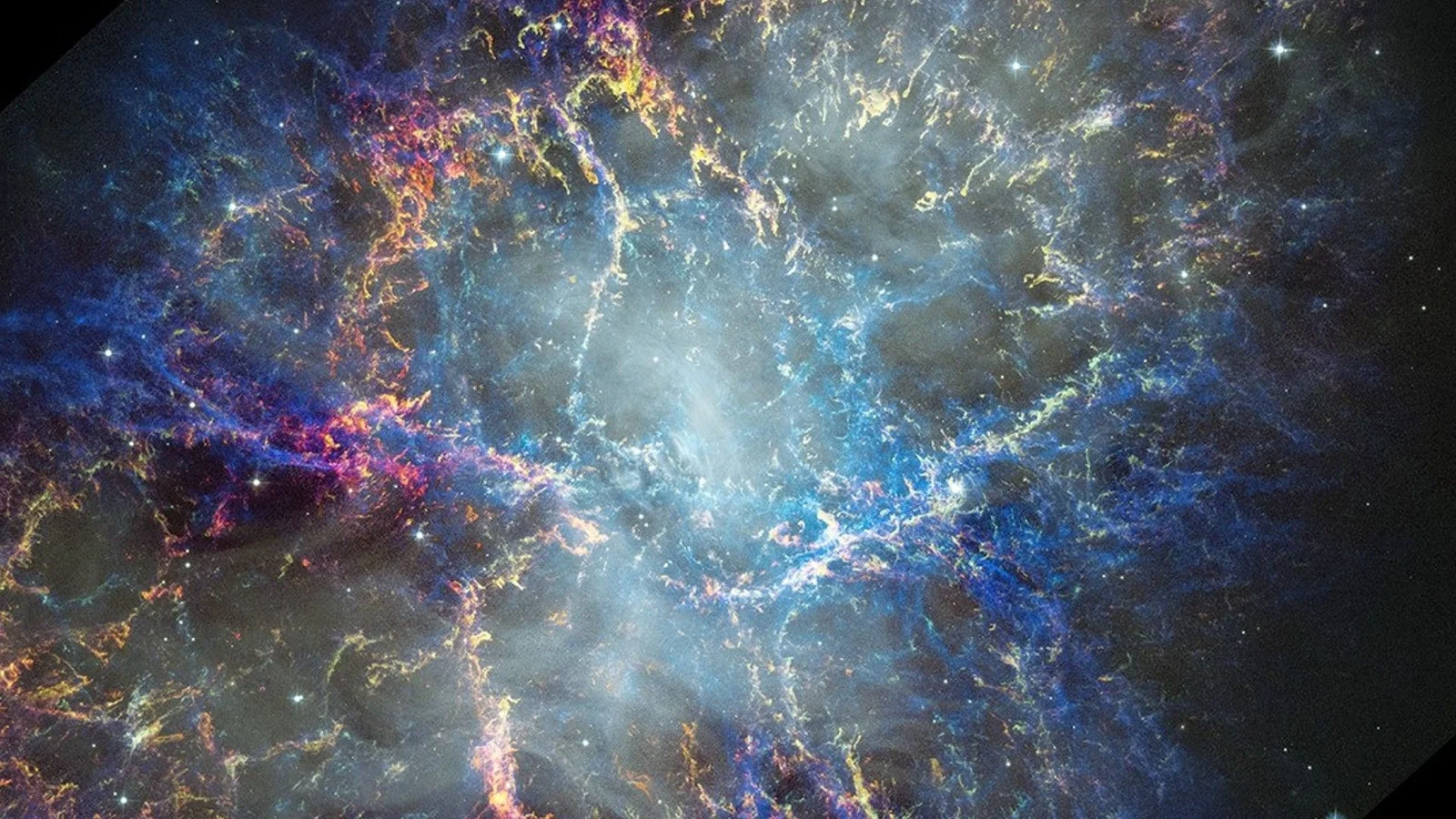
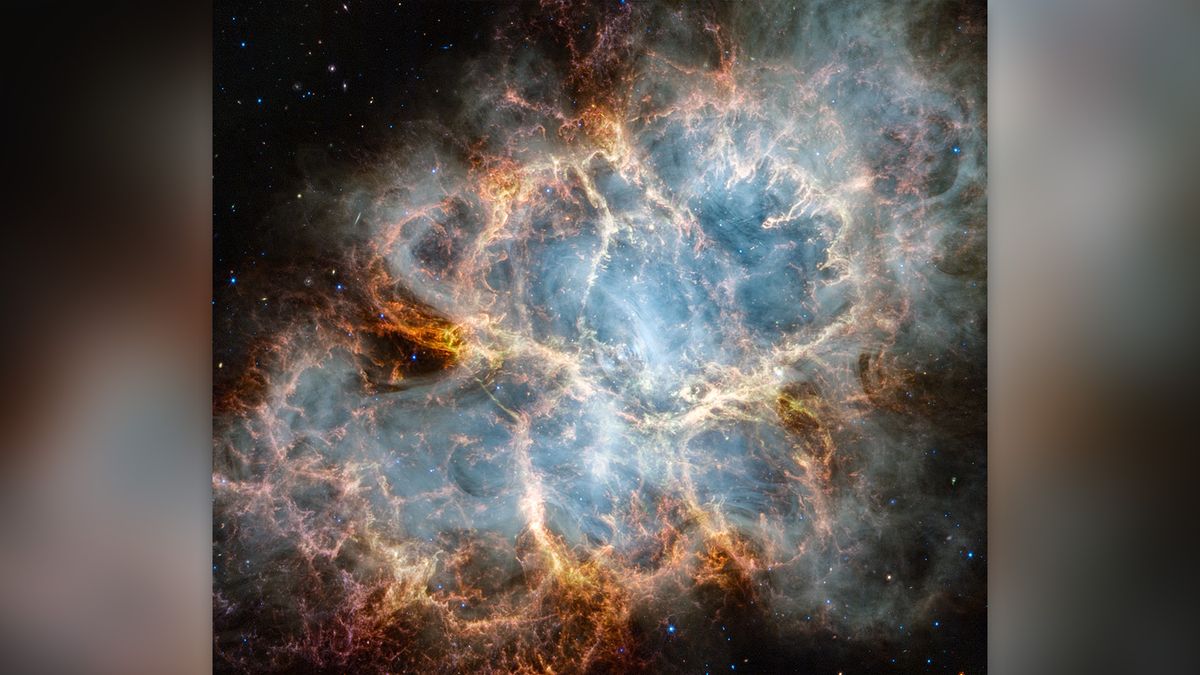
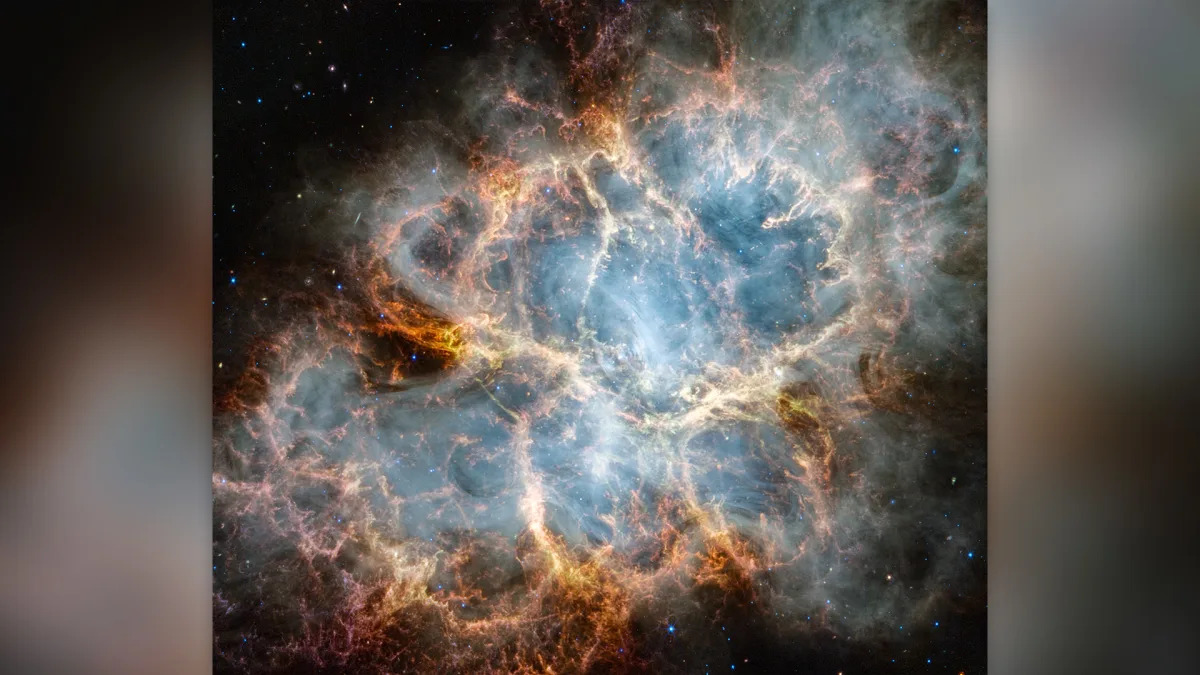
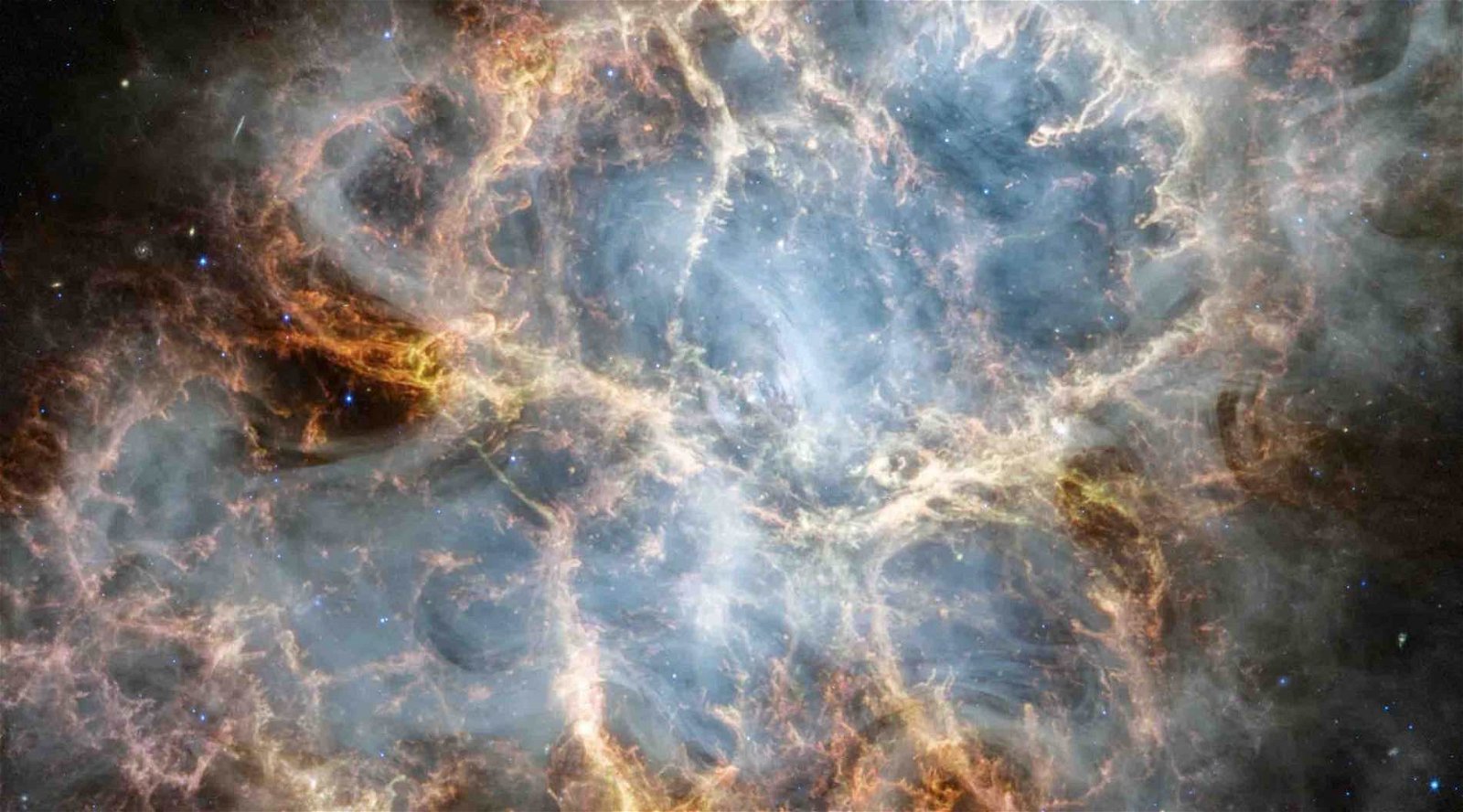
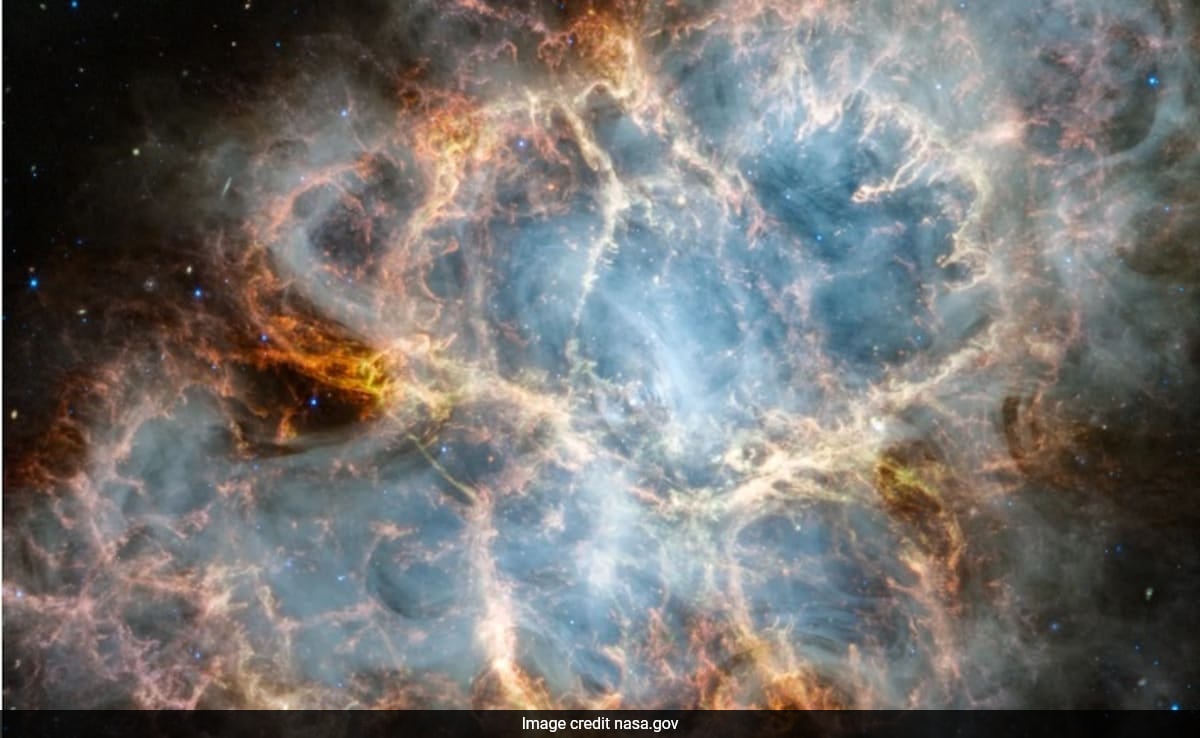
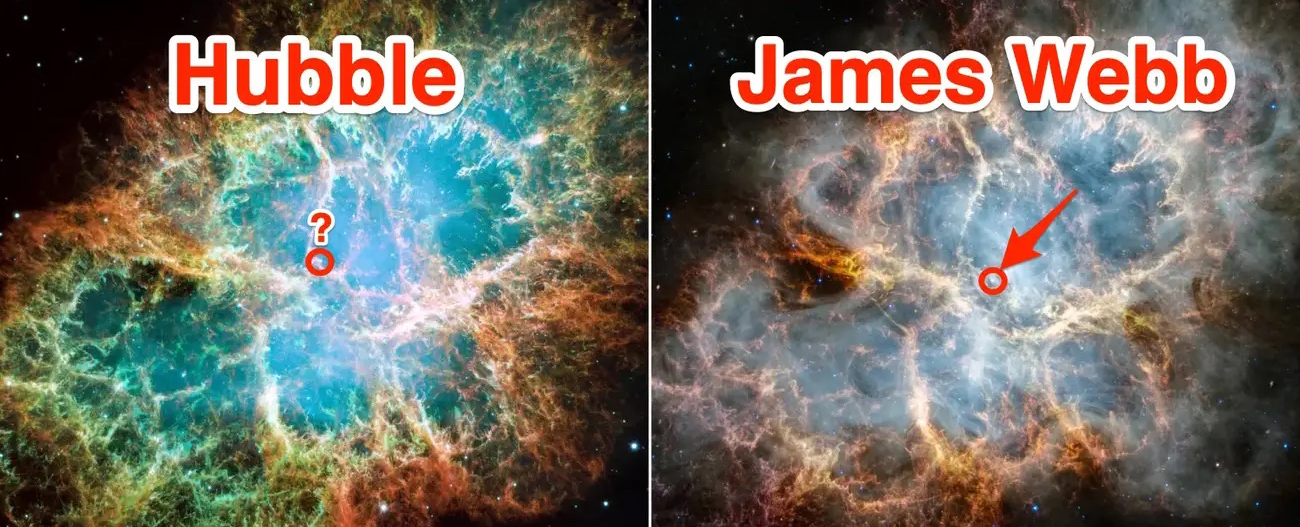
The James Webb Space Telescope (JWST) has captured the highest-resolution infrared image of the Crab Nebula, revealing new details within the supernova remnant. The image shows wispy gas filaments, dust grains emitting light, and a bluish-white smoky glow caused by radiation from charged particles moving around magnetic-field lines produced by the central neutron star. JWST's infrared capabilities allow it to see through dust and gas that typically block visible light emissions. This image surpasses the previous best picture from the Hubble Space Telescope in 2005 and provides valuable insights into the inner workings of the Crab Nebula.

"James Webb Telescope Uncovers Hidden Discovery in Crab Nebula's Core"
astronomy2 years ago

"James Webb Telescope Uncovers Hidden Discovery in Crab Nebula's Core"

The James Webb Space Telescope (JWST) has captured the highest-resolution infrared image of the Crab Nebula, revealing new details within the supernova remnant. The image shows wispy gas filaments, dust grains emitting light, and a bluish-white smoky glow caused by radiation from charged particles moving around magnetic-field lines produced by the central neutron star. JWST's infrared capabilities allow it to see through dust and gas that typically block visible light emissions. This image surpasses the previous best picture from the Hubble Space Telescope in 2005 and provides valuable insights into the inner workings of the Crab Nebula.

Unveiling the Intricate Beauty of the Crab Nebula with JWST
astronomy2 years ago

Unveiling the Intricate Beauty of the Crab Nebula with JWST

The James Webb Space Telescope (JWST) has captured new images of the Crab Nebula, a supernova remnant in our galaxy, providing new insights into its evolution. The images, taken with JWST's Near-Infrared Camera (NIRCam) and Mid-Infrared Instrument (MIRI), reveal details previously hidden from us, including the composition of the ejected material and the structure of the nebula. The images show gaseous filaments, dust grains, and synchrotron radiation created by the pulsar at the nebula's center. These observations, combined with data from other telescopes, contribute to a better understanding of cosmic objects.

James Webb Space Telescope Unveils Astounding Revelations of Celestial Enigmas and Nebula Mysteries
space2 years ago

James Webb Space Telescope Unveils Astounding Revelations of Celestial Enigmas and Nebula Mysteries

NASA's James Webb Space Telescope has captured stunning new images of the Crab Nebula, providing unprecedented detail and revealing new clues about its origin. The high-resolution imagery reveals structures resembling a cage of gaseous filaments and emissions from grains of dust, which were not seen before. The telescope's sensitivity and spatial resolution allow astronomers to accurately determine the composition of the ejected material, potentially shedding light on the type of explosion that created the nebula. The images also show evidence of synchrotron radiation resulting from the movement of charged particles along magnetic field lines. Additional data from the Hubble Space Telescope will further expand our understanding of the Crab Nebula in the coming year.

Webb Telescope Reveals Exquisite Details of Crab Nebula
astronomy2 years ago

Webb Telescope Reveals Exquisite Details of Crab Nebula

The James Webb Space Telescope (JWST) has captured stunning new details of the Crab Nebula, located 6,500 light years away from Earth. The never-before-seen image reveals the inner workings of the nebula, including its "beating heart" that emits pulses of radiation and charged particles. Astronomers from Princeton University are studying the image to determine the composition of the ejected material and shed light on the nebula's origins. The image shows a cage-like structure of gaseous filaments in red-orange, with detailed emissions from dust grains in yellow-white and green. The Crab Nebula was formed from a supernova explosion about 1,000 years ago, with its dense core now known as the Crab Pulsar.

JWST Reveals Stunning New Images of the Crab Nebula
astronomy2 years ago

JWST Reveals Stunning New Images of the Crab Nebula

NASA's James Webb Space Telescope (JWST) has captured stunning new views of the Crab Nebula, revealing never-before-seen details. The image shows the Crab Pulsar at the center of the nebula, surrounded by hazy, ghost-like wisps of charged particles. JWST's infrared capabilities allowed it to capture features that the Hubble Space Telescope couldn't, such as the composition of the ejected material. This marks the first time in 20 years that Hubble will have a new image of the Crab Nebula for comparison.

"Captivating Snapshot: NASA's James Webb Space Telescope Reveals Breathtaking Crab Nebula Image"
space2 years ago

"Captivating Snapshot: NASA's James Webb Space Telescope Reveals Breathtaking Crab Nebula Image"

NASA's James Webb Space Telescope has captured stunning new images of the Crab Nebula, revealing never-before-seen details of the supernova remnant. The telescope's infrared capabilities allowed it to capture ghostly tendrils and the dense core of the exploded star, including the spinning pulsar at the nebula's center. These observations provide valuable insights into the composition and dynamics of the nebula, which is located 6,500 light years away.

"Stunning Image: Webb Telescope Reveals Eerie Glow of Crab Nebula"
astronomy2 years ago

"Stunning Image: Webb Telescope Reveals Eerie Glow of Crab Nebula"

The James Webb Space Telescope has captured new details of the Crab Nebula, a well-studied supernova remnant, revealing insights into the aftermath of a massive star explosion. The telescope's ability to view the universe in infrared light allowed it to pierce through the dust of the nebula and uncover previously unseen features. The image shows yellow-white and green filaments made of dust grains, as well as rippling circular wisps pointing to the nebula's pulsar heart. Astronomers hope that comparing the Webb data with observations from other telescopes will provide a fresh perspective on the nebula and help unlock its origins.