Tag

Katalyst Space

All articles tagged with #katalyst space

Swift Observatory Burns Up Over Indonesia After Failed Rescue Mission
space13 days ago

Swift Observatory Burns Up Over Indonesia After Failed Rescue Mission

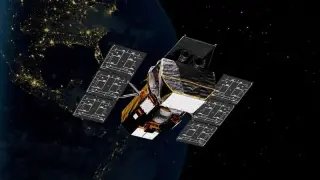
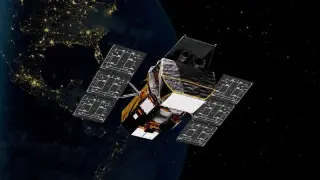
NASA’s Neil Gehrels Swift Observatory reentered Earth’s atmosphere on November 4, 2026, ending a 22-year mission. The 3,200-pound spacecraft, launched in 2004 to study gamma-ray bursts, burned up over North Sumatra after a failed rescue attempt by the commercial spacecraft LINK. While most of the telescope disintegrated, some dense components may have survived, though the risk of ground injury was estimated at 1 in 2,100.
Swift Observatory burns up over Indonesia after failed rescue mission
space13 days ago

Swift Observatory burns up over Indonesia after failed rescue mission

NASA’s Neil Gehrels Swift Observatory reentered Earth’s atmosphere over Indonesia on November 4, 2026, ending a 22-year mission. The 3,200-pound spacecraft burned up after a commercial rescue attempt failed and solar activity accelerated its orbital decay. NASA is now seeking proposals to potentially save the Hubble Space Telescope from a similar fate by 2032.

Swift Observatory burns up over Indonesia after failed rescue mission
space15 days ago

Swift Observatory burns up over Indonesia after failed rescue mission

NASA's Neil Gehrels Swift Observatory reentered Earth's atmosphere over Indonesia on November 4, 2026, ending a 22-year mission that observed gamma-ray bursts for 11 times longer than planned. The 3,200-pound spacecraft burned up after a failed commercial rescue attempt by Katalyst Space, with some debris surviving reentry. NASA is now seeking proposals to potentially save the Hubble Space Telescope from a similar fate by 2032.

Swift Observatory Ends 22-Year Mission After Failed Rescue, Reenters Over Indonesia

Swift Observatory Ends 22-Year Mission After Failed Rescue, Reenters Over Indonesia

NASA's Neil Gehrels Swift Observatory reentered Earth's atmosphere on November 4, 2026, ending a 22-year mission that observed gamma-ray bursts for 11 times longer than planned. A commercial rescue attempt by Katalyst Space failed in September, and intense solar activity accelerated the telescope's orbital decay. NASA is now seeking private sector proposals to potentially save the Hubble Space Telescope from a similar fate by 2032.

Swift Telescope Ends 22-Year Run with Uncontrolled Reentry Over Indonesia
space19 days ago

Swift Telescope Ends 22-Year Run with Uncontrolled Reentry Over Indonesia

NASA’s Neil Gehrels Swift Observatory reentered Earth’s atmosphere on November 4, 2026, ending a 22-year mission that far exceeded its original two-year scope. The 3,200-pound telescope fell uncontrolled after a failed rescue attempt by Katalyst Space’s LINK spacecraft. Most of the craft burned up, but some debris survived, with a 1 in 2,100 risk of ground injury. NASA is now seeking proposals to potentially save the Hubble Space Telescope, which faces a similar orbital decay risk by the mid-2030s.

NASA's Swift Observatory to Reenter Earth's Atmosphere on Nov. 4
space20 days ago

NASA's Swift Observatory to Reenter Earth's Atmosphere on Nov. 4

NASA's Neil Gehrels Swift Observatory, a 3,200-pound telescope launched in 2004, is expected to reenter Earth's atmosphere on November 4, 2026. After a failed commercial rescue mission by Katalyst Space in July, the satellite's orbit decayed rapidly due to increased solar activity. Most of the craft will burn up, but dense tungsten components may survive and land in the ocean or sparsely populated areas. The risk of harm to people is estimated at 1 in 2,100.

Swift Telescope Ends 22-Year Mission With Uncontrolled Reentry
space21 days ago

Swift Telescope Ends 22-Year Mission With Uncontrolled Reentry

NASA's Neil Gehrels Swift Observatory, a 1.5-ton telescope launched in 2004, is expected to reenter Earth's atmosphere on November 4, 2026. After a failed commercial rescue mission by Katalyst Space, the telescope decayed to 171 miles altitude and ceased operations in October. Most of the craft will burn up, but dense tungsten and mirror components may survive, posing a low risk of harm to people on Earth.

Swift Observatory to Reenter Earth's Atmosphere by Friday After Failed Rescue
science-and-technology23 days ago

Swift Observatory to Reenter Earth's Atmosphere by Friday After Failed Rescue

The Neil Gehrels Swift Observatory is expected to reenter Earth's atmosphere on or around Friday, October 31, 2026. The 1.5-ton telescope, which has operated for 22 years, is decaying due to intense solar activity that accelerated its orbital decline. A commercial rescue attempt by Katalyst Space failed in September, leaving the telescope to burn up. Most of the craft will disintegrate, but dense tungsten components and mirror parts may survive and fall into the ocean or land in regions including Africa, Australia, and the Americas.

Swift Observatory to Reenter Earth After Failed Rescue
space23 days ago

Swift Observatory to Reenter Earth After Failed Rescue

NASA’s Neil Gehrels Swift Observatory is expected to reenter Earth’s atmosphere around October 31, 2026, after a failed commercial rescue mission. The 22-year-old telescope, which observed over 2,000 gamma-ray bursts, will likely burn up, though some dense components may survive. Its final orbit was too low for reliable observations, ending a mission that far exceeded its two-year design life.

Swift Observatory Captures Final Cosmic Images Before November Re-entry
science1 month ago

Swift Observatory Captures Final Cosmic Images Before November Re-entry

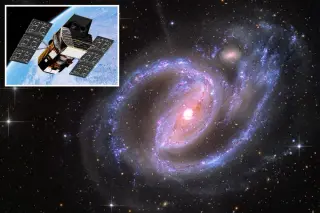
NASA’s Neil Gehrels Swift Observatory has transmitted new images of distant galaxies and the Small Magellanic Cloud just weeks before its expected atmospheric re-entry. The 21-year-old spacecraft, which detects gamma-ray bursts, is currently orbiting at approximately 200 miles above Earth. Its orbit is decaying rapidly due to increased solar activity. A previous rescue attempt by Katalyst Space failed in the summer, leaving the observatory to burn up in the atmosphere, potentially in November. The latest data includes views of NGC 1097 and NGC 4151, highlighting the telescope’s continued scientific value despite its impending end.

Swift Observatory to Burn Up as Failed Rescue Mission Ends in Atmospheric Reentry
space1 month ago

Swift Observatory to Burn Up as Failed Rescue Mission Ends in Atmospheric Reentry

NASA’s Neil Gehrels Swift Observatory is rapidly decaying toward Earth after a failed commercial rescue mission. The telescope, which has operated for over two decades, is expected to reenter the atmosphere and burn up in early to mid-October. Although the $30 million effort by Katalyst Space Technologies failed to boost Swift’s orbit, it provided critical data for future satellite servicing technologies. Scientists have resumed observations to maximize data collection before the inevitable end, accepting that this activity accelerates the telescope's descent.

Swift Observatory to Reenter Atmosphere After Failed Rescue Mission
space1 month ago

Swift Observatory to Reenter Atmosphere After Failed Rescue Mission

NASA’s Neil Gehrels Swift Observatory is expected to burn up in Earth’s atmosphere later this year after a rapid-response rescue mission failed. Katalyst Space Technologies built and launched the 'Link' satellite in nine months to boost Swift’s orbit, but technical malfunctions prevented the capture. While the rescue failed, the mission demonstrated that commercial satellite servicing can be executed on aggressive timelines and at a fraction of traditional government costs.

Swift Observatory to burn up after failed rescue; LINK mission ends
science1 month ago

Swift Observatory to burn up after failed rescue; LINK mission ends

NASA’s Neil Gehrels Swift Observatory is expected to re-enter Earth’s atmosphere and burn up in early to mid-October 2026. The 22-year-old telescope, which weighs 3,200 pounds, is currently at an altitude of 200 miles and will drop below 185 miles, where operations become unfeasible. A $30 million rescue attempt by Katalyst Space’s LINK satellite failed due to orientation issues and fuel depletion. Although the boost failed, LINK successfully demonstrated robotic arm deployment and close-proximity maneuvers before re-entering on September 25. Swift will continue limited observations until its orbit decays further, with no immediate replacement planned.