Tag

Synthetic Cells

All articles tagged with #synthetic cells

SpudCell exposes how close we are to synthetic life—and how far we still are
science6 days ago

SpudCell exposes how close we are to synthetic life—and how far we still are

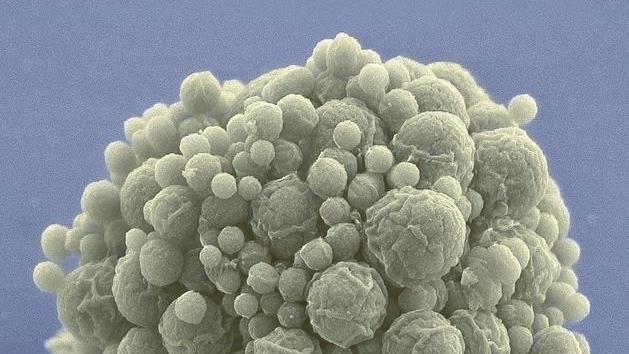
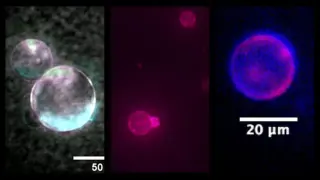
Scientists announced on July 2, 2026 that they created SpudCell, the first synthetic cell built from purified, nonliving components. While it can feed, grow, replicate genetic material and undergo a cell-like division, it is not autonomous: it relies on laboratory conditions and ongoing input of molecular machinery, and it cannot reproduce indefinitely. The milestone helps researchers study core cellular processes—membranes, gene expression, energy use, and growth—while offering potential safe, simplified platforms for disease research, drug delivery, and environmental sensing. It also highlights ongoing debates about what constitutes life, and underscores the need for safety, governance, and ethical oversight in synthetic biology.
SpudCell: Open-source synthetic cells to run tiny, low-carbon factories
technology13 days ago

SpudCell: Open-source synthetic cells to run tiny, low-carbon factories

Scientists unveiled SpudCell, a bottom-up synthetic cell that can feed, grow and reproduce, designed to function as a tiny, open-access biofactory for sustainable materials and drugs. With Biotic hosting its patent and the University of Minnesota license, the project aims to democratize access to micro-scale bioengineering to accelerate low-carbon manufacturing, while prompting debates over governance, ethics and biosafety.

Scientists Address Doomsday Threats of 'Mirror Life'
science10 months ago

Scientists Address Doomsday Threats of 'Mirror Life'

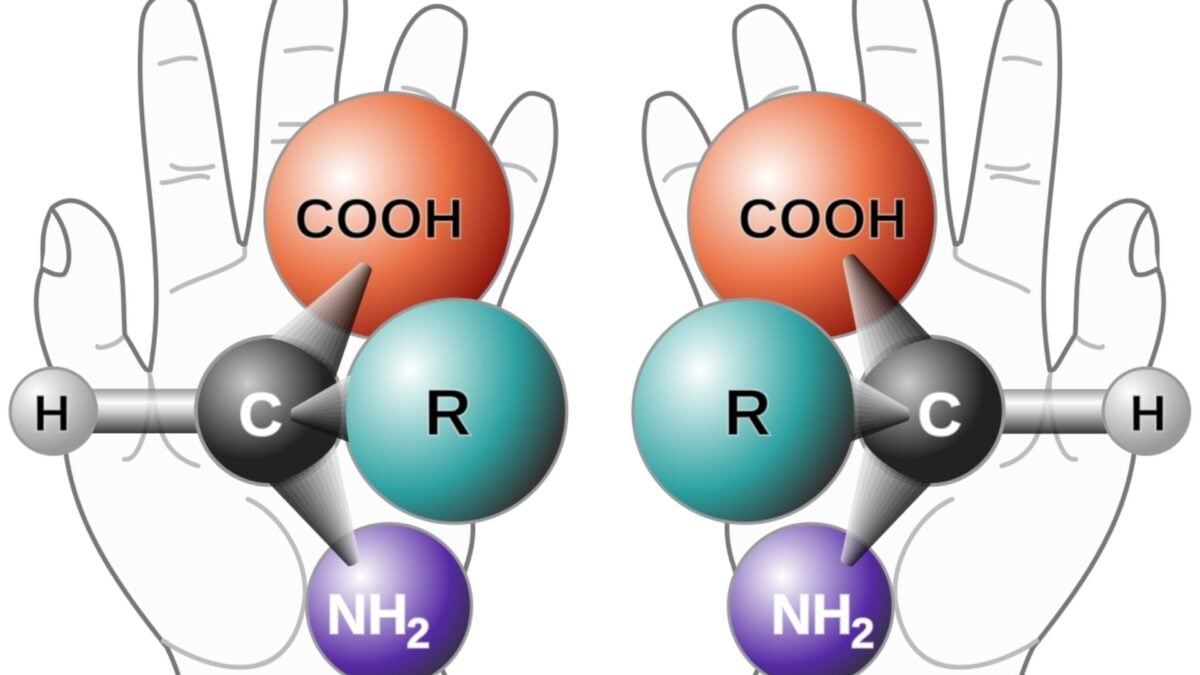
Scientists worldwide are discussing the potential risks and benefits of creating mirror life, synthetic cells made from molecules that are mirror images of natural ones, due to concerns about environmental and health dangers versus potential medical and scientific benefits. The conference in Manchester aims to establish guidelines for safe research in this emerging field.

Advancements in Chromosome Replication Model Revolutionize Physics
science2 years ago

Advancements in Chromosome Replication Model Revolutionize Physics

A new theoretical study by researchers from the University of California, San Diego, has upgraded the model of chromosome replication in bacteria, shedding light on the molecular mechanisms that control replication initiation. The model explains why the protein responsible for replication initiation switches between two states and why it is immediately sequestered by the cell. The study provides insights into how living cells achieve precise control of replication and other cellular cycles, with potential implications for understanding evolutionary processes and designing synthetic cells.

"Artificial Cells Outpace Natural Ones in Evolutionary Race"
science3 years ago

"Artificial Cells Outpace Natural Ones in Evolutionary Race"

In a study published in Nature, synthetic bacterial cells with a minimal genetic blueprint were found to thrive and evolve at a faster rate than their non-minimal counterparts. Over 2,000 generations, the stripped-down cells regained their evolutionary fitness, demonstrating the robustness of life and the power of evolution. The findings have implications for the development of synthetic bacteria that can produce medications, biofuels, and degrade hazardous chemicals by harnessing the forces of evolution. The study also sheds light on the importance of essential genes and metabolic innovation in adaptation and survival.

"Revolutionizing Energy: Artificial Cells as Future Powerhouses"
science-and-technology3 years ago

"Revolutionizing Energy: Artificial Cells as Future Powerhouses"

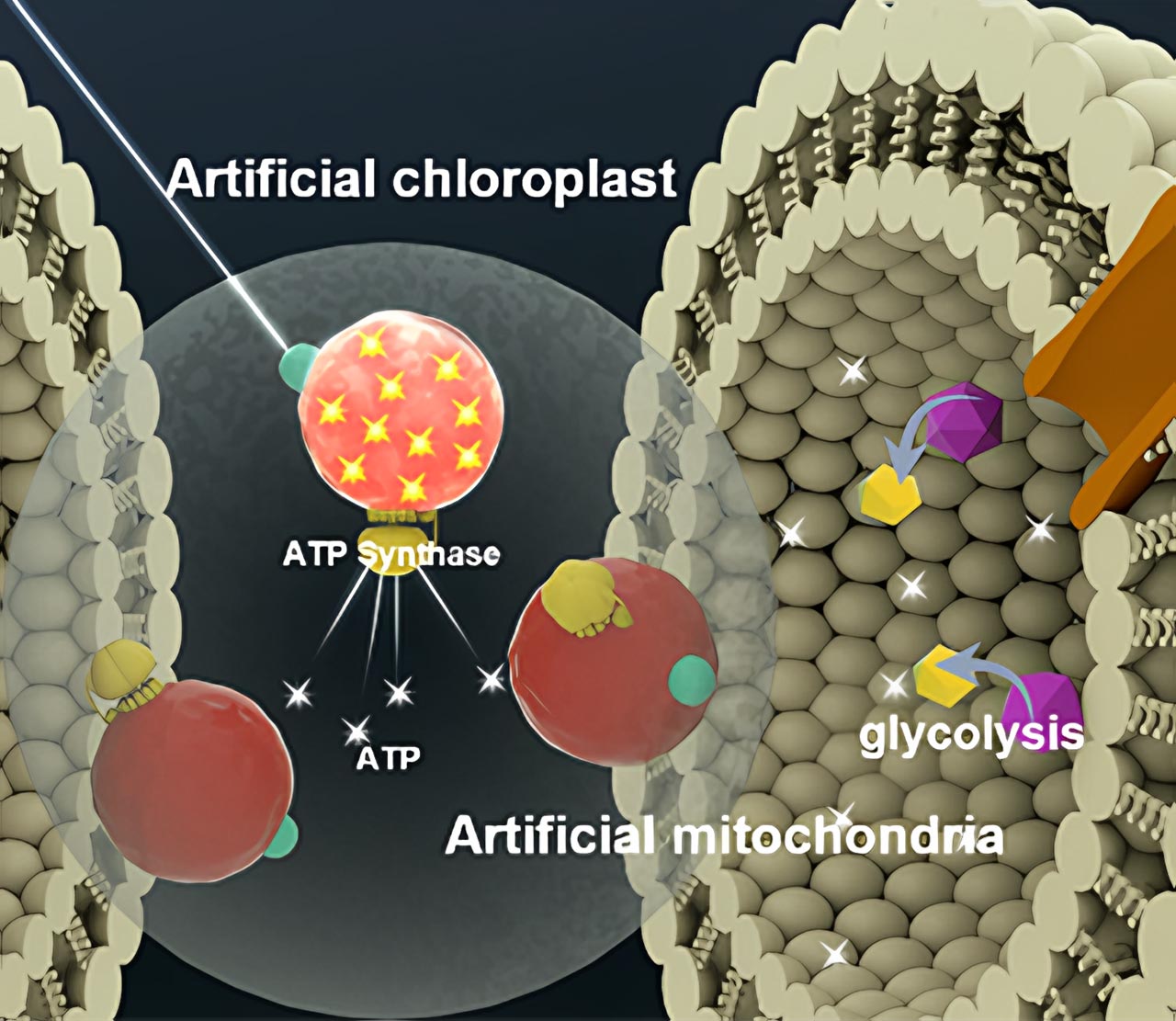
Researchers have assessed the progress and challenges in creating artificial mitochondria and chloroplasts for energy production in synthetic cells. These artificial organelles could potentially enable the development of new organisms or biomaterials. The researchers identified proteins as the most crucial components for molecular rotary machinery, proton transport, and ATP production, which serves as the cell’s primary energy currency. Future studies must investigate how to improve upon the limiting feature of self-adaptation in changing environments to maintain a stable supply of ATP before synthetic cells are self-sustainable.