Tag

Mirror Life

All articles tagged with #mirror life

UK Researchers Propose Optical Method to Detect Hypothetical Mirror Life
science8 days ago

UK Researchers Propose Optical Method to Detect Hypothetical Mirror Life

Researchers from the University of Strathclyde and Durham University have proposed a new method to detect 'mirror life,' a hypothetical form of biology that could pose an existential threat if created or discovered. The team suggests using circularly polarized luminescence (CPL) to identify mirror-image molecules, which would emit light with a reversed twist compared to natural biological structures. While mirror life does not currently exist, scientists warn that artificial creation or accidental emergence could bypass immune defenses and cause catastrophic damage. The proposed technique uses fluorescent probes that bind to cellular targets, allowing detection through the handedness of the emitted light. This approach could be adapted to existing cameras and microscopes for bio-surveillance.
UK researchers propose polarized light method to detect hypothetical mirror life
science8 days ago

UK researchers propose polarized light method to detect hypothetical mirror life

Scientists from the University of Strathclyde and Durham University have proposed a detection method for hypothetical 'mirror life' using circularly polarized luminescence (CPL). The technique relies on fluorescent probes that bind to biological structures and emit light with a specific handedness, which would reverse if the target molecule were a mirror image. While mirror life does not currently exist, researchers warn that artificial creation could pose a severe biosecurity threat, as such organisms might evade immune defenses. The proposed method could be adapted to existing microscopes and cameras to serve as a first-line assay for bio-surveillance.

UK Researchers Propose Light-Based Method to Detect Hypothetical 'Mirror Life' Threats
science13 days ago

UK Researchers Propose Light-Based Method to Detect Hypothetical 'Mirror Life' Threats

Scientists from the University of Strathclyde and Durham University have proposed a new detection method for 'mirror life,' hypothetical organisms with reversed molecular chirality. Published in Royal Society Open Science, the study suggests using circularly polarized luminescence (CPL) and fluorescent probes to identify these potential biohazards. While mirror life has not been discovered, researchers warn it could bypass natural biological defenses and render existing drugs ineffective. The proposed assay aims to serve as a first-line screening tool for bio-surveillance, though no experimental tests were conducted in this initial paper.

Mirror Life: The Emergence of a Second Tree of Life and Its Global Risks
technology6 months ago

Mirror Life: The Emergence of a Second Tree of Life and Its Global Risks

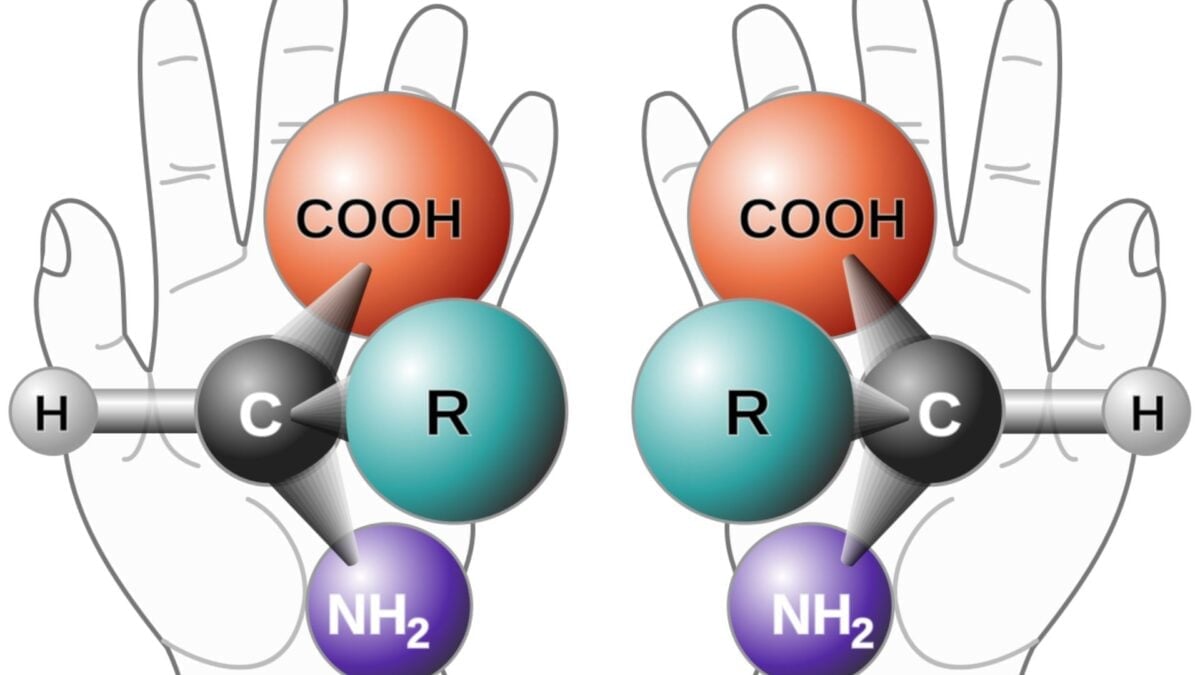
A Noema feature surveys the looming possibility of mirror life—an engineered, mirror‑image form of biology that could evade immune defenses and spread without containment. While experts say such life is years to decades away and not yet realized, a 299‑page report and high‑profile scientists are calling for governance, a precautionary moratorium, and changes in funding and publishing to prevent an existential biosafety crisis. The piece traces the science of chirality from Pasteur to DNA/RNA, explores potential therapeutic and material applications of mirror biomolecules, and examines the political and ethical debates about restricting research in the name of safety while not stifling innovation.

Scientists Explore the Promise and Perils of Mirror Cells in Synthetic Biology
science1 year ago

Scientists Explore the Promise and Perils of Mirror Cells in Synthetic Biology

A researcher at the University of Minnesota and a group of scientists have raised concerns about the potential dangers of creating mirror cells, which are synthetic organisms with reversed biomolecular structures. While such cells could advance scientific understanding and medical research, experts warn they might pose significant ecological and health risks if released, leading to calls for strict regulations and ethical considerations to prevent potential existential threats.

The Mirror of Life: Exploring the Risks and Possibilities of Mirror Life
science1 year ago

The Mirror of Life: Exploring the Risks and Possibilities of Mirror Life

The article discusses the potential creation of mirror life, which involves synthetic biomolecules with opposite chirality to natural life, highlighting both the scientific possibilities and the significant risks, including ecological collapse and resistance to immune responses, while emphasizing the need for ongoing research and ethical debate.

Scientists Debate Ceasing Potentially Catastrophic Research
science1 year ago

Scientists Debate Ceasing Potentially Catastrophic Research

Scientists are debating whether to halt research into 'mirror life' organisms, which are hypothetical life forms made of molecules that mirror those in natural life, due to potential risks such as ecological disruption and pandemics. While some experts warn of catastrophic consequences if such organisms are created and escape, others believe the risks are exaggerated and that the research could lead to significant medical advances. The debate highlights the need for cautious progress in this emerging field.

Scientists Address Doomsday Threats of 'Mirror Life'
science1 year ago

Scientists Address Doomsday Threats of 'Mirror Life'

Scientists worldwide are discussing the potential risks and benefits of creating mirror life, synthetic cells made from molecules that are mirror images of natural ones, due to concerns about environmental and health dangers versus potential medical and scientific benefits. The conference in Manchester aims to establish guidelines for safe research in this emerging field.

Scientists Warn of Dangerous Risks from Synthetic 'Mirror Life'
science1 year ago

Scientists Warn of Dangerous Risks from Synthetic 'Mirror Life'

Scientists warn that creating 'mirror life'—organisms with reversed molecular structures—could pose significant risks if they escape the lab, potentially causing irreversible harm to humans and ecosystems. While full mirror cells are not yet feasible, progress in related technologies raises concerns about future capabilities and the need for global regulation to prevent ecological and health disasters.