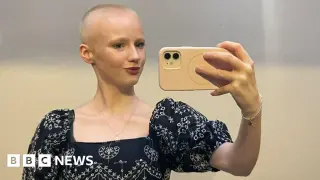
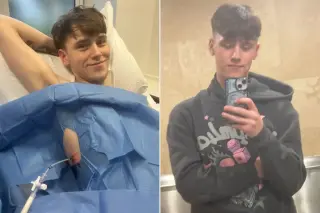
A social media trend called 'heightmaxxing' is driving teenage boys to purchase and use erdafitinib, a prescription cancer drug, in an attempt to increase their height. Medical experts warn that this practice is extremely dangerous, causing severe side effects like vision damage and skeletal fractures, with no guaranteed long-term benefits.
Medical experts warn that a social media trend called 'heightmaxxing' is driving teenagers to take erdafitinib, a prescription cancer drug, to increase their height. While some teens report growth, doctors emphasize that the drug is unapproved for this use and causes severe side effects, including vision damage and skeletal fractures. Johnson & Johnson confirmed the medication has no established safety profile for adolescents.
Teenagers are increasingly using erdafitinib, a cancer drug, to attempt to increase their height, a practice known as 'heightmaxxing.' Despite severe side effects and lack of medical approval, some teens report significant growth. Experts warn that the drug targets receptors in every cell, with unknown long-term effects, and that growth plates close after puberty, making such interventions dangerous and likely ineffective for most.
A 17-year-old boy, Adam Renteria, shared his experience with the GLP-1 medication Wegovy on Good Morning America, detailing how the drug helped him overcome lifelong obesity. His mother, Robin, noted significant behavioral changes, including reduced snacking and smaller meal portions. Over two years, Adam's body mass index dropped from 36 to 22.8, and he joined a cheer team, citing a major boost in confidence. While Wegovy is the only FDA-approved weekly GLP-1 for children over 12, experts caution that it is not a quick fix and may require long-term use. A NYU Langone study indicates pediatric prescriptions for the drug rose 310% between 2019 and 2026, despite overall low usage rates.
Medical experts state that pre-teens and teenagers with healthy, balanced diets do not require protein supplements. While social media promotes high-protein products, dietitians warn that excessive intake can strain kidneys and displace essential micronutrients. For most young people, whole foods provide sufficient amino acids for growth and repair.
American teenagers are increasingly using peptides to achieve aesthetic goals such as muscle growth and skin improvement. While these compounds are marketed for various benefits, medical experts warn that their safety profile for adolescents is unknown. The trend reflects broader societal pressures regarding appearance, but lacks the regulatory oversight and clinical data necessary to ensure safety for young users.
A new case study highlights the severe, life-threatening risks of 'scromiting,' a slang term for cannabinoid hyperemesis syndrome (CHS). A 15-year-old developed Wernicke encephalopathy, a rare brain condition caused by thiamine deficiency from prolonged vomiting. While CHS is often dismissed as a minor side effect, this case demonstrates it can lead to critical neurological damage, weight loss, and cognitive impairment. Experts warn that as cannabis potency rises and usage among youth increases, emergency room visits for CHS are surging, necessitating greater awareness and potential abstinence for long-term recovery.
A 15-year-old developed life-threatening brain damage after prolonged cannabis use caused severe vomiting, leading to a vitamin B1 deficiency. This rare case highlights the dangers of 'scromiting' (cannabinoid hyperemesis syndrome), which has seen a 370% surge in ER visits since a new diagnosis code was introduced in 2025. While the teen recovered with treatment, the condition remains difficult to diagnose and can cause permanent cognitive issues.
A 14-year-old girl from Yorkshire, Grace, endured years of severe menstrual pain before being diagnosed with endometriosis. Doctors initially dismissed her symptoms, labeling them as anxiety, irritable bowel syndrome, or 'just a bad period,' and explicitly stated she was too young for the condition. Grace required hospital visits and strong opioids like morphine to manage her pain, describing it as 'heated barbed wire' around her abdomen. Her diagnosis was only confirmed after her family sought a second private opinion, as both her GP and the first specialist she consulted failed to identify the issue. Grace now faces potential fertility issues and has undergone keyhole surgery to remove lesions. Her case highlights a broader issue where adolescents are often not taken seriously, leading to delayed diagnoses and significant impacts on their education and social development. Experts emphasize that endometriosis can occur at any age once periods begin, and that severe pain in teenagers is not normal.
Enlli Thompson, a 19-year-old from Caernarfon, was diagnosed with stage 3 ovarian cancer after a year of dismissed symptoms. The treatment required a hysterectomy, inducing immediate menopause and infertility, but she has since frozen seven eggs and is now advocating for better youth cancer detection.
A detransitioner, Claire Abernathy, who began gender transition at 14 and underwent a teenage double mastectomy after a brief consultation, writes an open letter accusing Dr. Alan Dulin of performing an unnecessary operation and harming her, detailing long‑term physical and emotional consequences and urging accountability as Fox News covers her op-ed and the broader debate over youth gender surgeries.
A 17-year-old girl presents with vomiting, weight loss, thirst and very high blood sugar, initially pointing to type 1 diabetes. Despite insulin treatment, she experiences morning hypoglycemia, and doctors note tanning and atypical symptoms, prompting evaluation for Addison's disease. Tests reveal autoimmune polyendocrine syndrome type 2 (APS-2), linking diabetes with Addison’s. She’s treated with insulin and steroids, and after about two months shows improvement. The case underscores screening youths with new-onset type 1 diabetes for additional autoimmune disorders to prevent adrenal crises.
Born with no heartbeat for 22 minutes and diagnosed with ataxic cerebral palsy, 18-year-old Dylan Law has fought tremors and mobility challenges; after a 2022 deep brain stimulation procedure, he suffered a stroke that temporarily impaired speech and walking, but with therapy and support he regained both and now pursues his goal of becoming a youth pastor, earning praise as a comeback kid.
A 17-year-old Fall River resident, Broeden Sabin, has been battling fatigue and pain and is seeking a bone marrow donor while undergoing a blood transplant this month, as his family appeals for potential donors.
A 19-year-old from Wolverhampton who began vaping at 13 was hospitalized with a collapsed lung, which doctors linked to his vaping. He even vaped in the hospital before doctors explained the cause, after which he quit the habit and hopes his story warns other teens about the health risks of vaping.