Tag

Tick Borne Diseases

All articles tagged with #tick borne diseases

Majority of Wisconsin deer ticks tested carry Lyme disease bacteria
health7 days ago

Majority of Wisconsin deer ticks tested carry Lyme disease bacteria

A Marshfield Clinic-led study through the Tick Inventory via Citizen Science found that 51% of 707 non-engorged adult female deer ticks tested in 2024 carried Borrelia burgdorferi, the bacteria that causes Lyme disease, with additional data from 2024–25. Lyme disease is the most common tick-borne illness in the Upper Midwest, and ticks can carry other pathogens; climate shifts are expanding tick ranges, increasing human exposure risk; researchers emphasize mapping pathogen prevalence to guide public health responses.

Tick season poised to break records as bite numbers climb nationwide
health18 days ago

Tick season poised to break records as bite numbers climb nationwide

CDC data suggest this year’s tick season could be the worst in years, with tick-bite ER visits running higher than average across most U.S. regions in 2026 and the Northeast leading; about 114 visits per 100,000 in late April. Roughly 31 million Americans are bitten annually and around 476,000 are treated for Lyme disease. Experts attribute factors like milder winters, earlier springs, snow insulation for ticks, and variable acorn mast years that boost wildlife hosts, which can fuel tick populations and disease. Prevention and tick checks are essential.

Tick-bite surge pushes Maryland ERs toward peak tick season
health20 days ago

Tick-bite surge pushes Maryland ERs toward peak tick season

Emergency department visits for tick bites have risen by more than 25% nationwide, with Maryland at the forefront as warmer weather expands tick habitats. Lyme disease remains the top threat, with tens of thousands of U.S. cases in 2023 and Maryland reporting over 2,400 cases in 2023 and more than 3,000 in 2024; ticks can also spread other diseases and alpha-gal syndrome. Health experts urge prevention—using EPA-approved repellents, wearing protective clothing, treating gear with permethrin, showering after outdoors, and performing tick checks—while noting there are no vaccines for most tick-borne illnesses, though a Lyme vaccine shows promise for the future.

Early Spring Tick Surge Pushes ERs Toward Spike in Bites
health27 days ago

Early Spring Tick Surge Pushes ERs Toward Spike in Bites

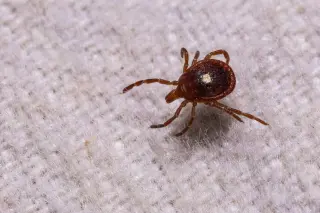
A CDC tick-bite tracker shows an early, larger-than-usual surge in emergency department visits across the U.S., rising from 28 to 114 bite-related visits per 100,000 between March and April as warmer spring weather expands tick activity and ranges. Tick-borne illness risk is driven by the black-legged tick (Lyme disease) and the lone star tick (red meat allergy), with spread into new areas. Most bites don’t require ED care; prompt tick removal is advised and doctors may treat suspected infections with doxycycline before tests return. Tick season generally runs March through October, peaking in late May, with about 31 million bites annually and Lyme disease affecting roughly 476,000 people each year.

Tick Boom: Michigan Sees Lyme Disease Surge as Ticks Expand Into Suburbs
health1 month ago

Tick Boom: Michigan Sees Lyme Disease Surge as Ticks Expand Into Suburbs

Lyme disease cases in Michigan nearly quadrupled from 553 in 2022 to 2,167 in 2025 as tick populations explode and spread into more populous areas, pushing the state into the CDC's high-incidence category. Early 2026 data show 246 provisional cases. Experts say milder, shorter winters allow ticks to stay active year-round, expanding the risk. The blacklegged tick is the primary carrier; symptoms include fever, fatigue, and often a distinctive rash. Antibiotics can treat Lyme disease, but early removal of ticks within 24 hours reduces infection risk. Prevention steps include DEET repellents, protective clothing, tick checks, and yard management to limit tick habitat. No Lyme vaccine is approved in the U.S.; an investigational vaccine is in trials. MDHHS offers free tick ID services and advises symptom monitoring within 30 days of a bite.

Indoor Tick Survival: Weeks-Long Risk After Outdoor Exposure
science1 month ago

Indoor Tick Survival: Weeks-Long Risk After Outdoor Exposure

Ohio State University researchers tested two tick species (Gulf Coast tick and Lone Star tick) on five home floor surfaces and found they can survive from about a week up to 25 days indoors, with survival times varying by species and flooring. The findings, published in the Journal of Vector Ecology, suggest ticks can linger after entering homes from tick-prone areas and underscore practical prevention steps (check for ticks on people and pets, wash clothes in hot water and tumble-dry, shower soon after outdoor exposure) to reduce bite risk and disease transmission.

US Faces Rising Cases of Tick-Borne Red Meat Allergy and Health Concerns
health5 months ago

US Faces Rising Cases of Tick-Borne Red Meat Allergy and Health Concerns

Lawmakers across the US are increasing efforts to raise awareness and improve reporting of alpha-gal syndrome, a tick-borne allergy to red meat, as its prevalence rises due to climate change and expanding tick habitats. While some states have introduced legislation for better tracking, prevention strategies include avoiding tick bites and developing tick-repellent medications. The CDC estimates up to 450,000 Americans may be affected.

Asian long-horned tick discovered on local dog
health7 months ago

Asian long-horned tick discovered on local dog

A potentially dangerous invasive Asian long-horned tick has been found on a dog in Butler County, Ohio, marking its first detection in the area. The tick can carry diseases affecting humans, dogs, cats, and cattle, and reproduces rapidly through asexual females. Experts warn of the increasing prevalence of this species and recommend year-round tick prevention for pets.

Life on a Maine Island Battling Tick-Borne Diseases
health7 months ago

Life on a Maine Island Battling Tick-Borne Diseases

Residents of Islesboro, Maine, are facing increasing cases of tick-borne diseases like Lyme, babesiosis, and anaplasmosis, leading to health concerns and lifestyle changes. Efforts to control deer populations and raise awareness are ongoing, but the rising tick population and climate change pose ongoing challenges, with residents worried about future risks and the need for better prevention and treatment options.

Illinois Reports First Cases of Rare Tick-Borne Powassan Virus
health8 months ago

Illinois Reports First Cases of Rare Tick-Borne Powassan Virus

An Illinois resident has been diagnosed with the rare Powassan virus, marking the first confirmed case in the state. Health officials are investigating the source and testing ticks in the area. The Illinois Department of Public Health urges residents to take precautions against tick bites, as the virus can cause severe illness and has no current vaccine or treatment. The risk remains low but precautions are advised, especially in wooded areas.

Health officials warn of rising ER visits due to tick-borne diseases
health9 months ago

Health officials warn of rising ER visits due to tick-borne diseases

A CDC report highlights a significant increase in tick bites in the U.S., especially in the Northeast, driven by rising temperatures that expand tick habitats and spread tick-borne diseases like Lyme disease. Experts emphasize the importance of preventive measures such as protective clothing and checking for ticks after outdoor activities, as well as ongoing research into new prevention methods. The trend underscores the need for increased awareness among doctors and the public due to the expanding geographic range of ticks and associated health risks.

Officials Warn of Rising ER Visits Due to Insect Bites
health9 months ago

Officials Warn of Rising ER Visits Due to Insect Bites

Massachusetts officials warn of a surge in ER visits due to tick bites, including a resurgence of the lone star tick, driven by environmental changes. The increase raises concerns about tick-borne illnesses like Lyme disease and allergic reactions, prompting health recommendations for prevention and expanded screening efforts. Experts emphasize that awareness and early action are key to managing the growing threat.