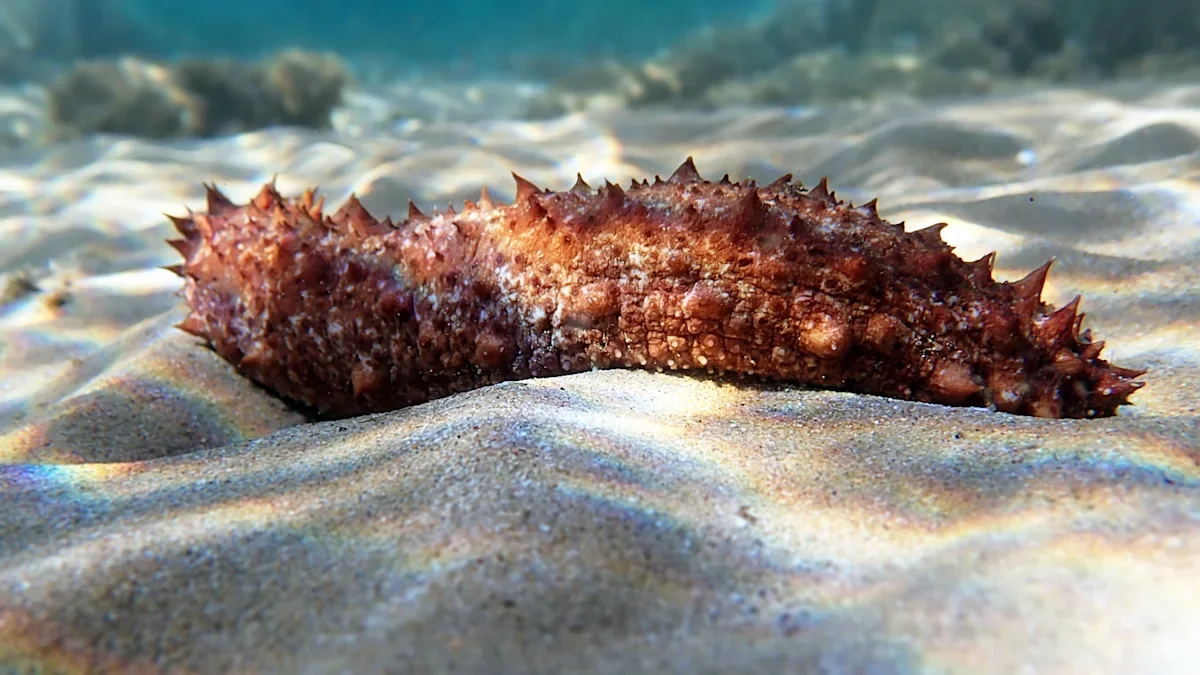
Researchers report that tissue cut from a sea cucumber’s body can continue to live, providing new insights into regeneration and prompting a rethink of what it means for an organism to be alive.
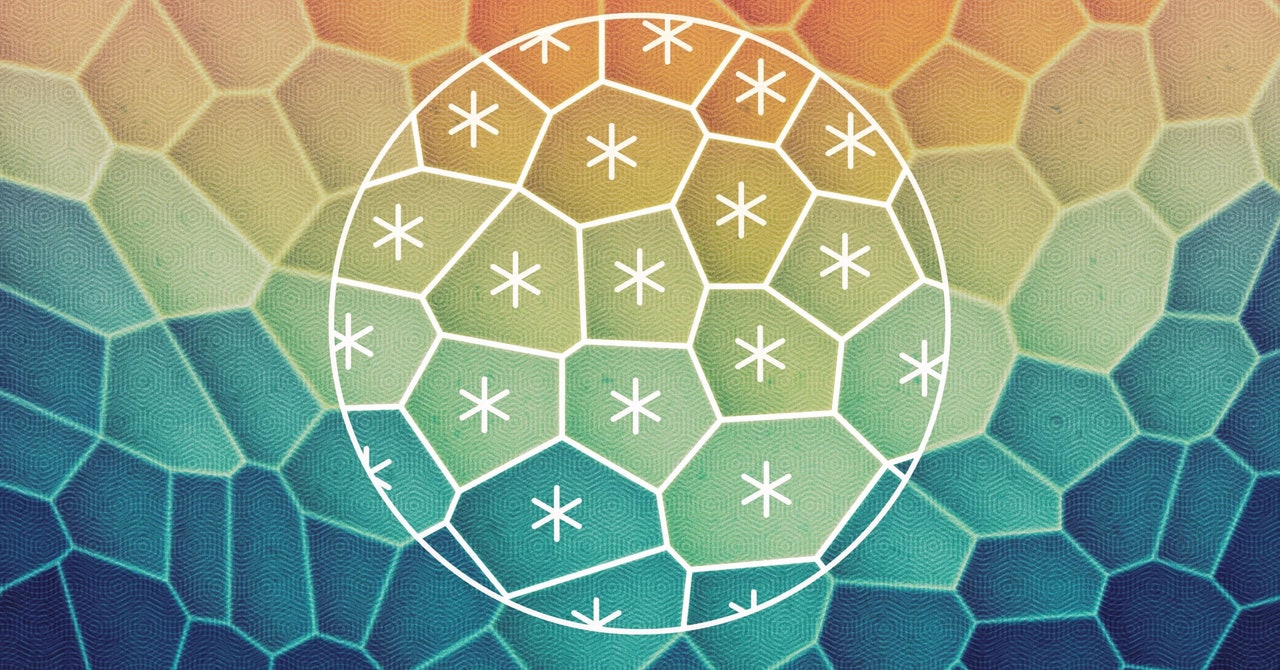
Biophysicists at Leiden University have discovered that sheets of epithelial tissue, which make up skin and internal organs, exhibit two distinct symmetries that coexist at different scales, similar to liquid crystals. By using mathematical tools and experimental data, the researchers were able to demonstrate the presence of both sixfold and twofold rotational symmetries in the tissue. This finding could allow for the application of fluid dynamical simulations to predict the movement and deformation of living tissues, potentially aiding in understanding processes such as wound healing and cancer metastasis.
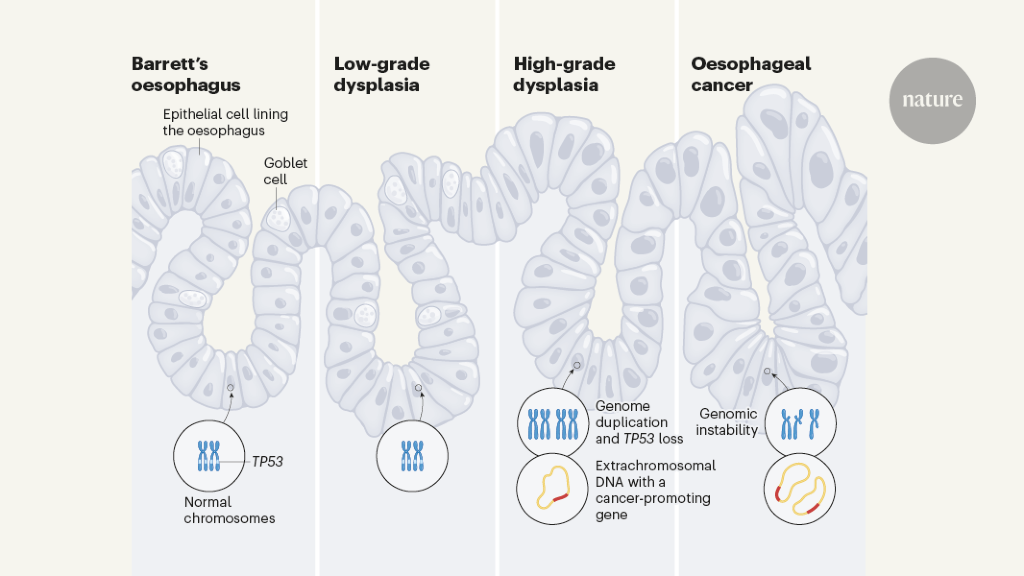
Extrachromosomal DNA, a circular DNA not found on chromosomes, was previously thought to be exclusive to cancer. However, a recent study found extrachromosomal DNA in non-cancerous oesophageal tissue that is predisposed to cancer development, suggesting it may have an early active role in malignant transformation. This type of DNA can aid cancer growth by harbouring cancer-promoting genes and boosting the efficiency of its transcription, leading to rapid amplification of oncogene content and tumour evolution.