Tag

Regeneration

All articles tagged with #regeneration

Crown-of-Thorns: The Venomous Giant Starfish Threatening Coral Reefs
science10 days ago

Crown-of-Thorns: The Venomous Giant Starfish Threatening Coral Reefs

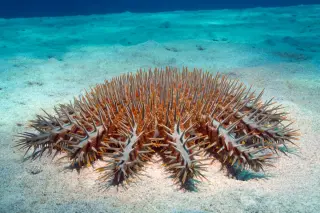
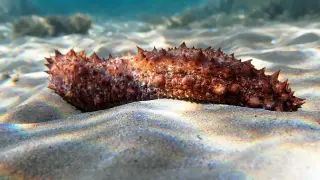
Crown-of-thorns starfish are large, venomous sea stars with up to 21 spines that can reach 80 cm; their toxins can cause severe pain and, in rare cases, fatal reactions. More pressingly, they voraciously eat hard coral—up to about 10 square meters per starfish per year—threatening reefs like the Great Barrier Reef and capable of wiping out reef sections in weeks when populations surge. They regrow from fragments, making culling ineffective, so management favors injections of vinegar or bile salts. Natural predators such as giant triton snails and many reef fish help limit outbreaks, and the presence of giant tritons can even drive COTS away. They feed by everting their stomachs to digest coral tissue, turning it into a coral soup before retracting it.

Two-Growth-Factor Trick Sparks Regeneration in Mice, Skipping Scar Formation
science18 days ago

Two-Growth-Factor Trick Sparks Regeneration in Mice, Skipping Scar Formation

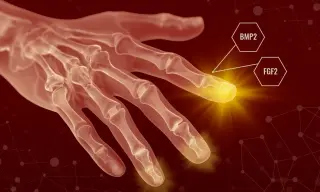
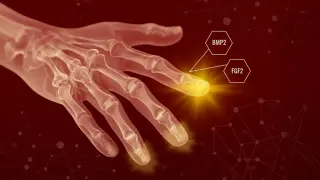
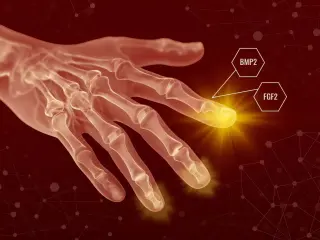
A two-step treatment using growth factors FGF2 and BMP2 reprograms fibroblasts at wound sites to form a blastema-like structure in mice, enabling bone, ligaments and skin to regrow rather than scar. While not a perfect replica of the original anatomy, the approach suggests regeneration in mammals can be steered away from scarring and toward rebuilding tissue, with potential to improve healing after amputations; BMP2 is FDA-approved for certain uses and FGF2 is in clinical trials, possibly speeding translation to humans.

Two-step growth-factor therapy hints at hidden regenerative powers in mammals
science23 days ago

Two-step growth-factor therapy hints at hidden regenerative powers in mammals

Texas A&M researchers report that sequentially applying FGF2 after wound closure and BMP2 days later can redirect the mammalian healing response from scar formation toward true tissue regeneration, enabling regrowth of bone, joints, ligaments, and tendons in amputated animal models. The work suggests mammals have dormant regenerative capacity that can be unlocked without adding external stem cells, though the regeneration is not an exact replica of the original anatomy and the approach remains early-stage with potential clinical implications.

Sea cucumber tissue fragments defy death, hinting at true immortality
science1 month ago

Sea cucumber tissue fragments defy death, hinting at true immortality

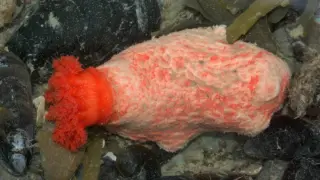
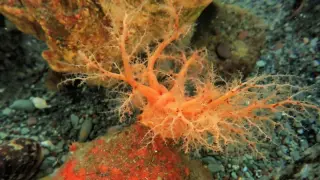
A study of the North Atlantic sea cucumber Psolus fabricii found severed tissue fragments that survived for more than three years in untreated seawater, healing and remaining biologically active without a mouth while absorbing nutrients. Researchers say these “zombie” tissues maintain cellular function without becoming a whole organism, revealing a novel model for tissue maintenance, wound healing, and aging—potentially offering alternatives to immortal cell lines like HeLa for research, though whether the tissues are truly immortal remains to be confirmed.

Two-Protein Trick Sparks Partial Toe Regrowth in Mice
science2 months ago

Two-Protein Trick Sparks Partial Toe Regrowth in Mice

Texas A&M researchers coaxed mice toe regrowth by applying two signaling proteins—FGF2 to prime fibroblasts and BMP2 to drive blastema formation—enabling regeneration of bone, tendons, ligaments, and joints across multiple attempts. While imperfect and not yet tested in humans, the work suggests mammals may have latent regenerative potential and could inform future therapies; BMP2 is already used in reconstructive surgery and FGF2 is moving toward clinical use.

Two-Step Growth Factor Therapy Sparks Regeneration in Mice
science2 months ago

Two-Step Growth Factor Therapy Sparks Regeneration in Mice

Texas A&M researchers showed that a two-step treatment—first applying FGF2 after wound closure, then BMP2—redirects local fibroblasts to form a blastema-like structure and triggers regrowth of bone, tendons, ligaments, and joints in mice after amputation. The regenerated tissues were not perfectly formed, but the main structures were restored, suggesting latent regenerative capacity in mammals and potential for reducing scarring. Because BMP2 is FDA-approved for some uses and FGF2 is in clinical trials, the approach could move toward clinical testing sooner rather than later.

Human Hearts Show Regrowth After Heart Attacks, Study Finds
health2 months ago

Human Hearts Show Regrowth After Heart Attacks, Study Finds

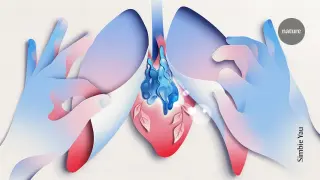
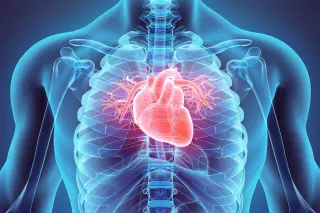
New human data confirm that heart muscle cells can regrow after a heart attack, challenging the long-held belief that damage is permanent. By analyzing living heart tissue from bypass patients, researchers observed increased cardiomyocyte mitosis in the damaged regions, suggesting a regenerative process alongside scarring. While not yet reversing heart failure, these findings pave the way for therapies that boost the heart’s natural cell production to repair damage and potentially reduce reliance on transplantation.

McGill team tests 'click clotting' to halt bleeding in seconds
canada-health2 months ago

McGill team tests 'click clotting' to halt bleeding in seconds

Montreal researchers at McGill University have developed 'click clotting,' a chemical approach using a patient’s own or donor blood to rapidly form a stronger clot and control severe bleeding. In vitro and rodent testing show clots that are tougher and may promote healing, with results indicating minimal immune reactivity and no organ toxicity. The method could form clots within 10–20 minutes and, when applied, stop bleeding in seconds, offering potential use in emergency care, wound management, and surgeries. However, further trials in larger animals and humans are needed before clinical deployment.

Enzyme Inhibition Reverses Cartilage Degeneration Without Stem Cells
science5 months ago

Enzyme Inhibition Reverses Cartilage Degeneration Without Stem Cells

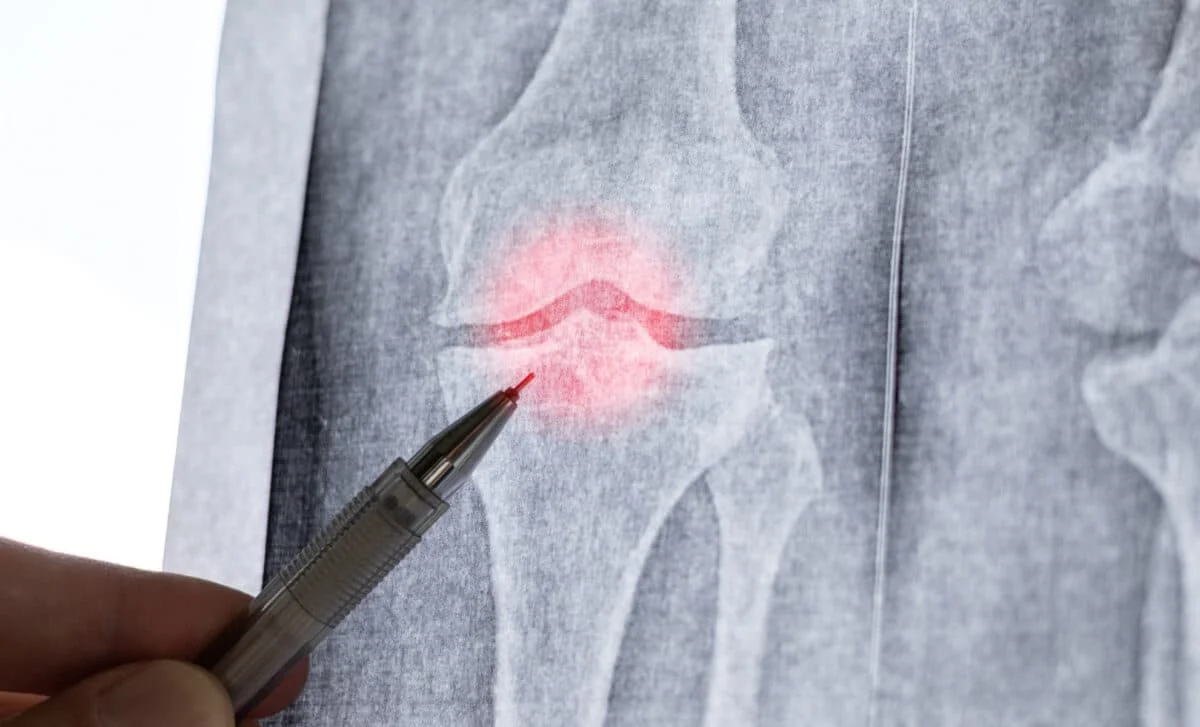
Scientists have shown in mice that inhibiting the aging enzyme 15-PGDH can regrow cartilage without stem cells, with treated cartilage thickening into hyaline cartilage and reprogramming existing joint cells to build tissue. Early tests on human cartilage also show reduced enzyme activity and initial matrix rebuilding, suggesting a potential, less invasive path to treating osteoarthritis, though research is in early stages.

Blocking an Aging Enzyme Reawakens Cartilage Regeneration Without Stem Cells
science5 months ago

Blocking an Aging Enzyme Reawakens Cartilage Regeneration Without Stem Cells

Researchers inhibited the aging-associated enzyme 15-PGDH in mice, thickening previously thinned cartilage and shifting local cells toward healthier cartilage formation; early tests on human osteoarthritic cartilage showed reduced enzyme activity and initial signs of matrix rebuilding, suggesting a potential upstream therapy for cartilage loss that doesn’t rely on stem cells.

Tiny Sea Anemone Holds Clues to Reversing Aging
science5 months ago

Tiny Sea Anemone Holds Clues to Reversing Aging

A study of the scarlet sea anemone, Nematostella vectensis, identifies tiny multipotent stem cells and key genes that drive its remarkable regeneration and aging resistance, using single-cell genomics and CRISPR to link nanos2 and piwi to somatic cell fate, making it a powerful model for anti-aging research while noting that translating these findings to humans remains a challenge.