Tag

Toxoplasma Gondii

All articles tagged with #toxoplasma gondii

Global Parasite May Be Shaping Human Cognition
science15 days ago

Global Parasite May Be Shaping Human Cognition

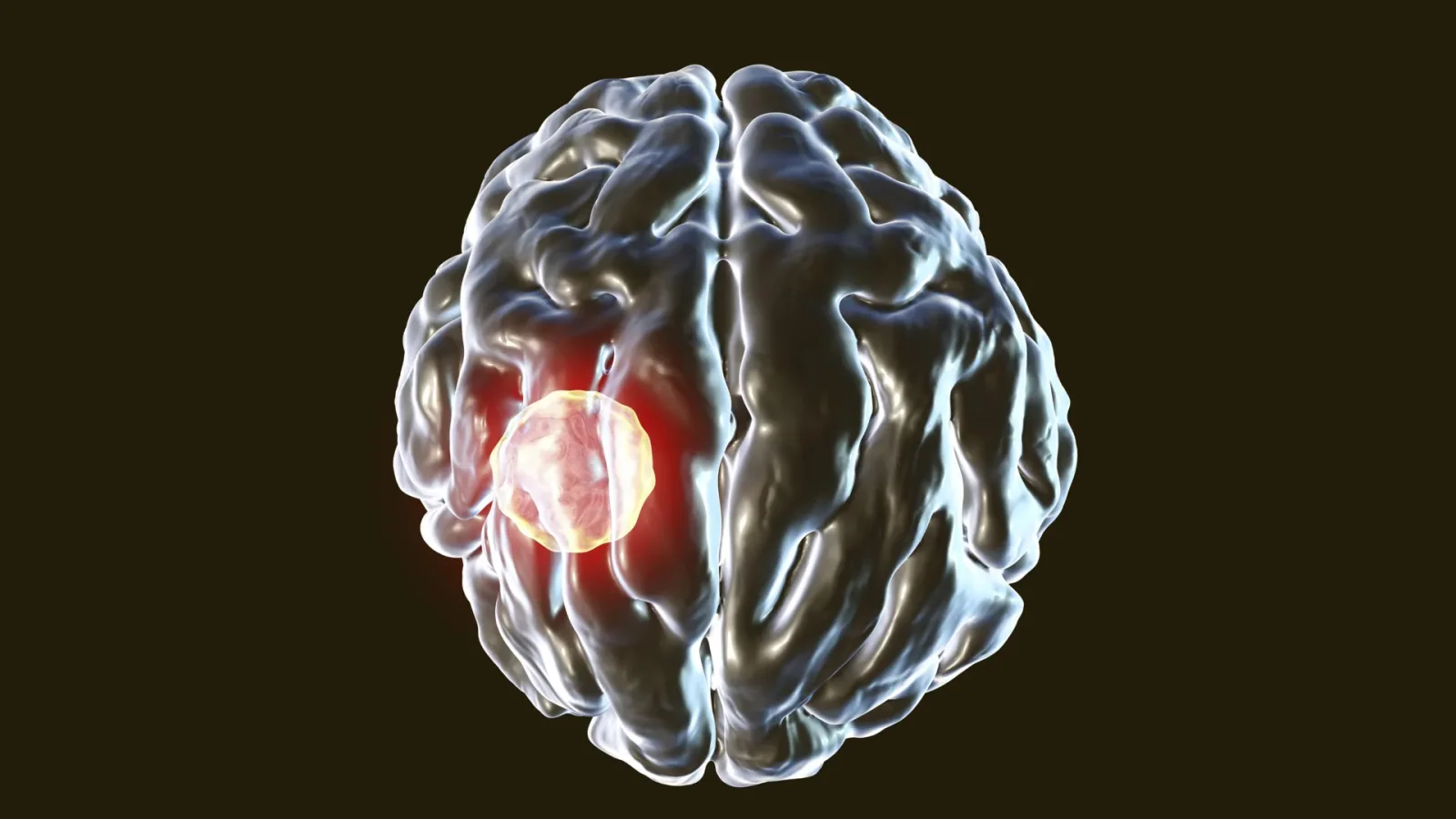
Toxoplasma gondii infects roughly one-third of people worldwide through cat feces, undercooked meat, contaminated water, and from mother to fetus. While often mild, the parasite can alter brain chemistry and behavior and has been linked to cognitive changes and an increased risk of schizophrenia. There is no vaccine or cure, and researchers argue for recognizing toxoplasmosis as a neglected tropical disease to mobilize resources, address its significant health and economic burden, and target especially vulnerable populations in poorer regions.

Widespread Parasite Linked to Cognition Changes Sparks Call for Policy Action
science16 days ago

Widespread Parasite Linked to Cognition Changes Sparks Call for Policy Action

A parasite called toxoplasma gondii, commonly spread via cat feces, undercooked meat, and contaminated water, infects roughly one-third of humans and can cause eye, brain, and possibly cognitive changes; there is no cure or vaccine. Researchers urge recognizing toxoplasmosis as a neglected tropical disease to mobilize resources for research and public health efforts, a move that could alleviate a disproportionate burden on poorer populations.

Toxoplasmosis Could Be Classified as an NTD to Unlock Global Health Funding
health19 days ago

Toxoplasmosis Could Be Classified as an NTD to Unlock Global Health Funding

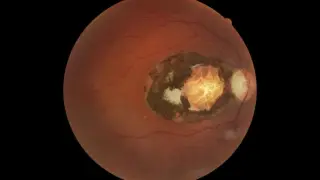
A new viewpoint argues that toxoplasmosis meets the WHO criteria to be classified as a neglected tropical disease, which would unlock funding and accelerate prevention, screening, and treatment efforts. About one-third of the global population is infected, though most are asymptomatic; ocular toxoplasmosis is a leading cause of eye infection and vision loss, and congenital infections affect roughly 190,000 babies annually. There is no vaccine or standard treatment, highlighting gaps in knowledge and care. Recognizing it as an NTD could enable integrated public health actions—improving food safety, sanitation, maternal and child health—across multiple sectors to reduce infection and health burden.

Toxoplasma gondii: The widespread cat parasite begging for neglected-disease status
health19 days ago

Toxoplasma gondii: The widespread cat parasite begging for neglected-disease status

An international team urges the WHO to designate Toxoplasma gondii infection as a neglected tropical disease, arguing it infects about 10% of Americans and can cause congenital problems and sight‑threatening eye disease; labeling it a NTD could boost funding for vaccines, diagnostics, and prevention through safer food systems, clean water, and prenatal care.

Cat Exposure Linked to Higher Schizophrenia Risk, Review Finds
science1 month ago

Cat Exposure Linked to Higher Schizophrenia Risk, Review Finds

A 2023 meta-analysis of 17 studies across 11 countries finds an association between cat exposure and higher risk of schizophrenia-related disorders, with exposed individuals about twice as likely to develop schizophrenia; however, the evidence is observational, often inconsistent, and causality cannot be established, underscoring the need for higher-quality, large-scale research and further exploration of mechanisms like Toxoplasma gondii.

Parasite makes chimpanzees crave leopard urine, hinting at human olfactory quirks
science3 months ago

Parasite makes chimpanzees crave leopard urine, hinting at human olfactory quirks

New research shows Toxoplasma gondii can alter chimpanzee behavior, drawing infected individuals to the scent of leopards (the parasite’s natural predator), likely boosting transmission when felines prey on them; similar olfactory effects are suspected in humans, suggesting an evolutionary relic of the parasite’s manipulation.

Brain T Cells Sacrifice Themselves to Halt Parasite Spread, Study Finds
science4 months ago

Brain T Cells Sacrifice Themselves to Halt Parasite Spread, Study Finds

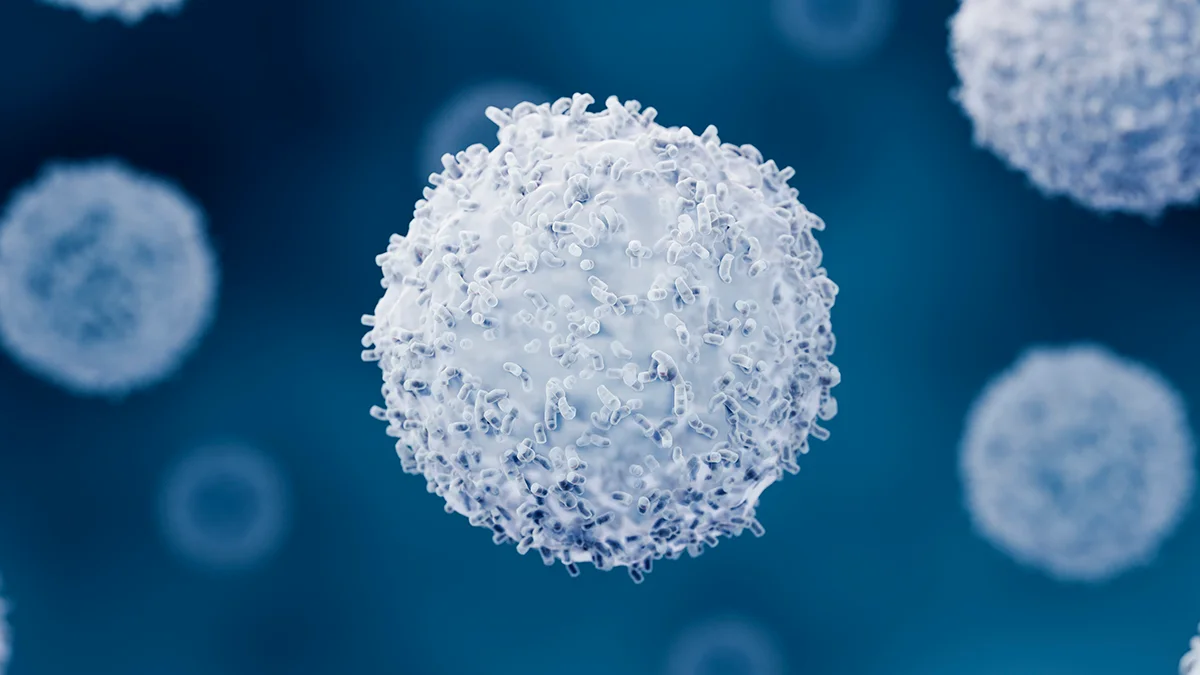
Researchers in mice found that CD8+ T cells infected by the brain parasite Toxoplasma gondii can trigger caspase-8–mediated self-destruction, killing the parasite-containing cells and preventing spread in the brain; absence of caspase-8 in these T cells leads to more brain infection, revealing a surprising protective role for T cell death and suggesting new avenues for toxoplasmosis treatment.

Brain Parasite Toxoplasma gondii Is Stopped by Immune Cells' Self-Destruct Switch
health-and-medicine4 months ago

Brain Parasite Toxoplasma gondii Is Stopped by Immune Cells' Self-Destruct Switch

Researchers at UVA Health found that the brain parasite Toxoplasma gondii can infect CD8+ T cells, but these immune cells use the enzyme caspase-8 to trigger a self-destruct mechanism that kills the infected cell and the parasite inside. In mice lacking caspase-8 in their T cells, brain parasite levels were higher and outcomes worse, indicating caspase-8 is crucial for limiting brain infection. With about a third of people believed to carry T. gondii, most cases are asymptomatic, though toxoplasmosis remains a risk for the immunocompromised. The study, published in Science Advances, enhances understanding of how the immune system controls the parasite and why T cells’ self-destruction can prevent brain persistence.

Brain Parasite Hijacks Immune Cells, Then Is Stopped by a Self-Destruct Switch
science6 months ago

Brain Parasite Hijacks Immune Cells, Then Is Stopped by a Self-Destruct Switch

Researchers at UVA Health found that Toxoplasma gondii can infect CD8+ T cells in the brain. Caspase-8 triggers the infected cells to die, cutting off the parasite's life cycle. Mice lacking caspase-8 show higher brain parasite loads and worse outcomes, while normal mice clear the infection. The finding highlights a brain-specific immune defense and a potential target for treatment in at-risk individuals.

Cat Parasite May Influence Your Decision-Making
health11 months ago

Cat Parasite May Influence Your Decision-Making

A parasite called Toxoplasma gondii, spread mainly through cats, may influence human behavior by increasing dopamine levels, leading to riskier and more aggressive actions. It infects a significant portion of the population worldwide, often without symptoms, and can alter brain chemistry to reduce fear responses, potentially impacting societal behavior and violence. Preventative measures include good hygiene and proper food handling.

Toxoplasma Parasite Alters Personality and Aggression
health1 year ago

Toxoplasma Parasite Alters Personality and Aggression

Research indicates that Toxoplasma gondii and other parasites can alter brain chemistry, increasing impulsivity, aggression, and risk-taking behaviors in humans, potentially impacting mental health and societal trends. These parasites manipulate dopamine and immune responses, which may influence personality traits and behavior, raising public health concerns and prompting further investigation into their broader effects.