Tag

Humans

All articles tagged with #humans

Ice-Age Dogs Bound Humans Across Eurasia, New DNA Pushes Timeline
archaeology14 days ago

Ice-Age Dogs Bound Humans Across Eurasia, New DNA Pushes Timeline

New genetic analysis of 15,800-year-old dog remains from Türkiye and 14,300-year-old bones from Gough’s Cave in Britain pushes back the domestication timeline, showing dogs lived closely with humans across western Eurasia during the Late Upper Paleolithic and were integrated into human groups, with evidence of dietary overlap and even burial alongside people, suggesting a deep, early bond before farming.

Parasite makes chimpanzees crave leopard urine, hinting at human olfactory quirks
science19 days ago

Parasite makes chimpanzees crave leopard urine, hinting at human olfactory quirks

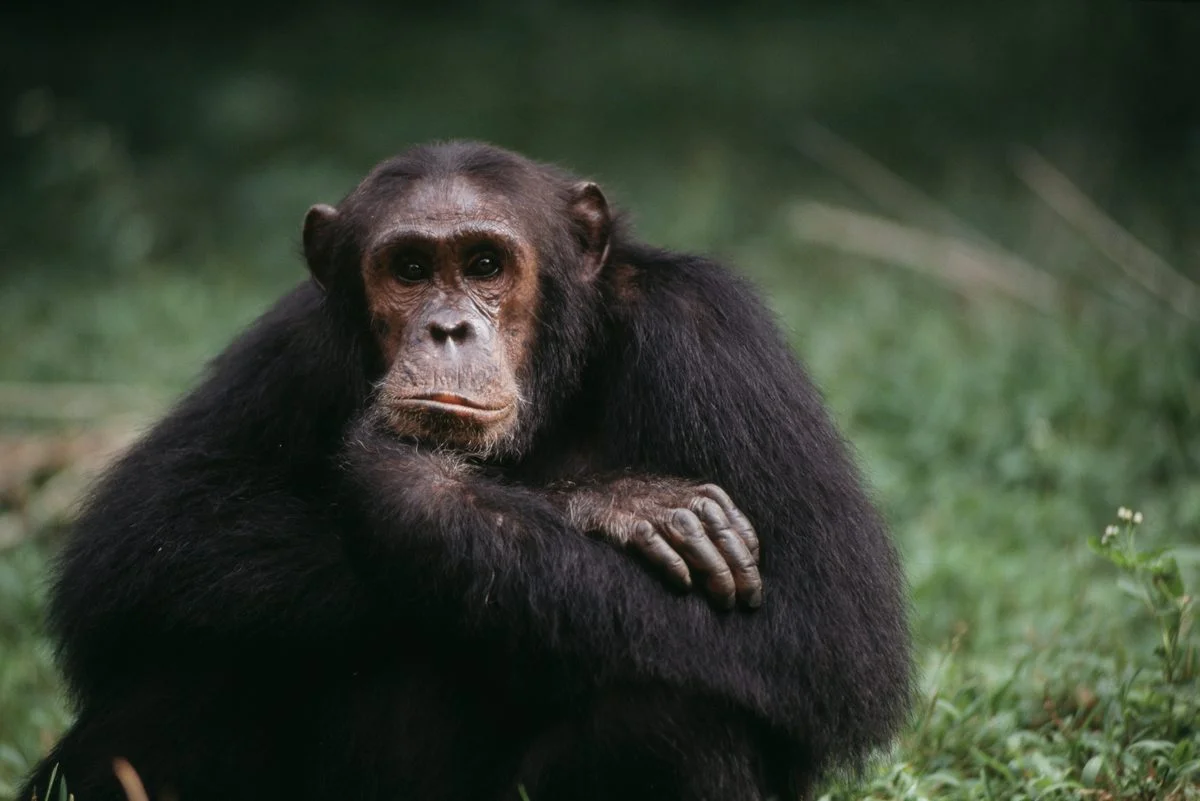
New research shows Toxoplasma gondii can alter chimpanzee behavior, drawing infected individuals to the scent of leopards (the parasite’s natural predator), likely boosting transmission when felines prey on them; similar olfactory effects are suspected in humans, suggesting an evolutionary relic of the parasite’s manipulation.

Mutual Mews: Rethinking the Human-Cat Bond Through Mutualism
science24 days ago

Mutual Mews: Rethinking the Human-Cat Bond Through Mutualism

A Live Science feature by Sophie Berdugo outlines how humans and domesticated cats evolved from a mutual pest-control partnership into a more complex, sometimes asymmetrical relationship. Tracing cats to African wildcats and their spread with agriculture, the piece argues that while early cats helped curb rodents in small settlements, their role in large grain stores likely diminished, prompting a broader rethink of what mutualism means and what a cat is in our shared ecological story.

X-Chromosome Clue Points to Ancient Neanderthal-Human Mating Bias
science1 month ago

X-Chromosome Clue Points to Ancient Neanderthal-Human Mating Bias

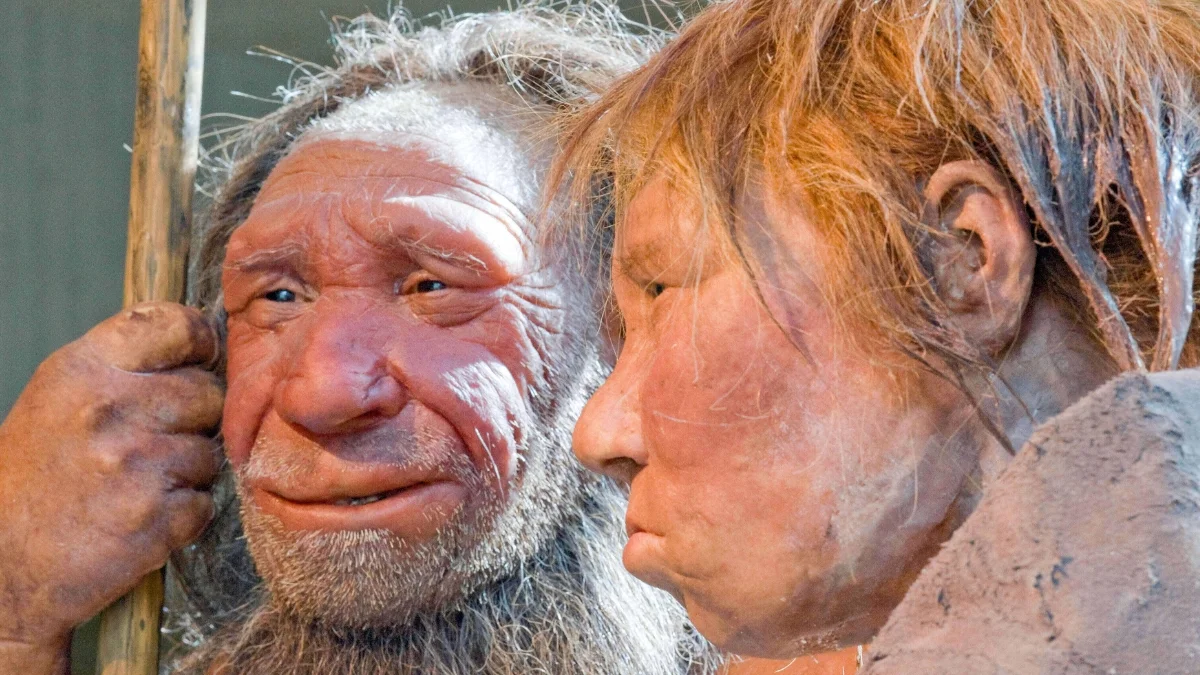
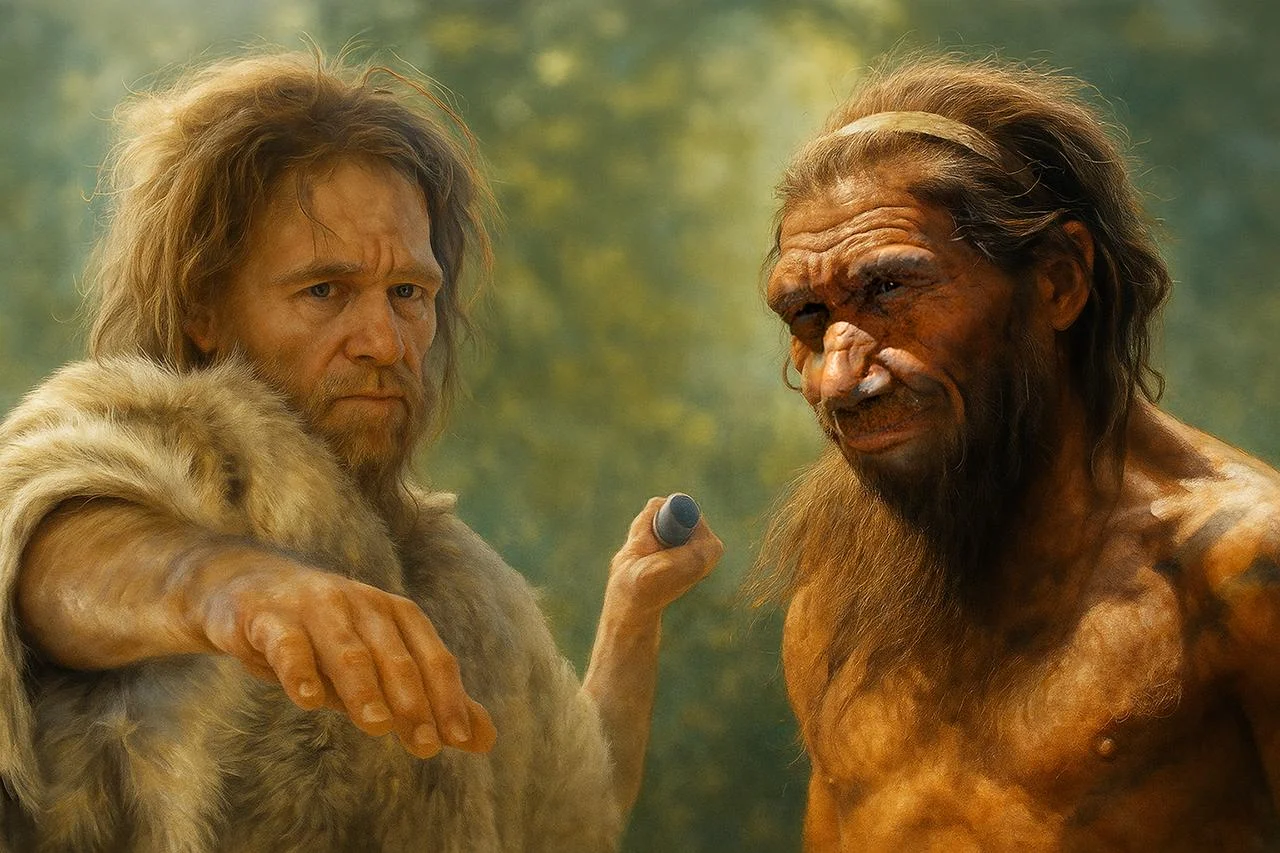
A new genetic analysis finds Neanderthal DNA is underrepresented on the human X chromosome while a human fingerprint appears on the Neanderthal X, suggesting that ancient mating favored human females with Neanderthal males. The pattern is attributed to mating behavior and social interactions rather than purely Darwinian survival, though other explanations aren’t ruled out.

Revealing the Origins of Human-Neanderthal Interactions
science10 months ago

Revealing the Origins of Human-Neanderthal Interactions

Scientists have identified the Zagros Mountains in Iran, northern Iraq, and southeastern Turkey as the likely location where Homo sapiens and Neanderthals interbred during the Late Pleistocene, supported by archaeological and genetic evidence. This interbreeding contributed 1-4% of Neanderthal DNA to non-African humans today, influencing various physical traits and health aspects.

"Rising Concerns as Zombie Deer Disease Spreads to Humans"
health2 years ago

"Rising Concerns as Zombie Deer Disease Spreads to Humans"

Scientists are growing concerned about the potential for chronic wasting disease (CWD) to cross over from deer to humans, as studies have shown that non-human primates can contract the disease. CWD, a neurological disorder similar to mad cow disease, has been found in deer, elk, and moose in 26 U.S. states and three Canadian provinces. While there is currently no evidence that CWD can infect humans, experts are urging caution and further research to understand the potential risks to public health.

The World's Deadliest Animals: A Global Ranking
animals2 years ago

The World's Deadliest Animals: A Global Ranking

Mosquitos are the most dangerous animals in the world, responsible for transmitting diseases that cause between 725,000 and 1,000,000 deaths annually. Humans come in second, with an estimated 56 million deaths per year, including intentional homicides, unintentional violent deaths, and deaths from war and terrorism. Dogs, saltwater crocodiles, and hippos also make the list of dangerous animals due to their potential for attacking and killing humans.

Ancient Footprints in New Mexico Rewrite History of Human Arrival in America
archaeology2 years ago

Ancient Footprints in New Mexico Rewrite History of Human Arrival in America

New research using radiocarbon dating and flow cytometry techniques has confirmed that humans settled in America approximately 23,000 years ago, 7,000 years earlier than previously thought. Fossil footprints found in New Mexico were dated to the last Ice Age, challenging the belief that humans arrived in North America as the ice sheets were melting. The study also addressed criticisms of the radiocarbon dating by analyzing pollen grains and using optically stimulated luminescence dating, both of which supported the earlier dates. The findings provide new insights into the prehistory of America and the migration patterns of early humans.

The Terrifying Power of Human Voices in the African Savannah
wildlife-conservation2 years ago

The Terrifying Power of Human Voices in the African Savannah

In a study conducted in South Africa's Greater Kruger National Park, researchers found that mammals in the African savannah are more afraid of human vocalizations than the sounds of lions or hunting. The fear of humans is deeply ingrained in these animals, causing them to abandon waterholes when they hear human conversations. This fear poses a threat to the already dwindling populations of many savannah species. However, conservation biologists hope to use this knowledge to protect endangered species by playing human conversations in areas with known poaching activities.

The Battle of Limbs: Debating the Importance of Legs vs. Arms
science2 years ago

The Battle of Limbs: Debating the Importance of Legs vs. Arms

The importance of legs versus arms depends on the species. For humans, legs are crucial for mobility and survival, while arms are less essential. However, individuals with amputations have shown that it is possible to thrive without certain limbs. In the case of Tyrannosaurus rex, their small arms were likely a result of evolution prioritizing their large heads and jaws. For birds, wings are vital for flight and are often the largest part of their bodies. Flightless birds may reduce their front limbs, except for swimming purposes. Some species, like snakes and worms, have evolved to be limbless, as it allows them to catch prey or move more efficiently.