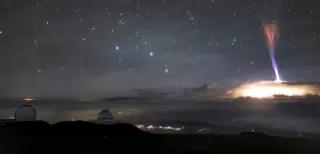
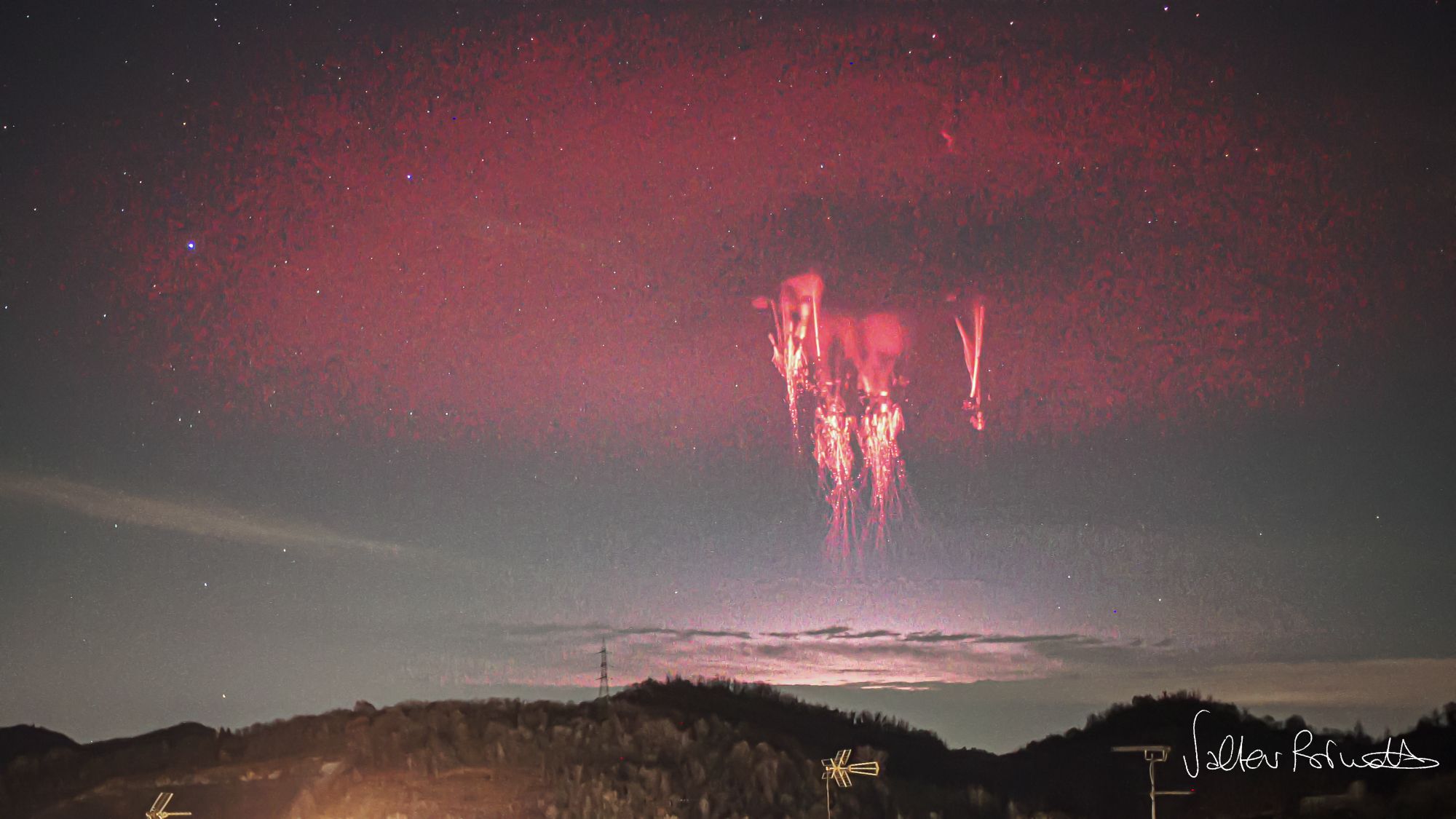
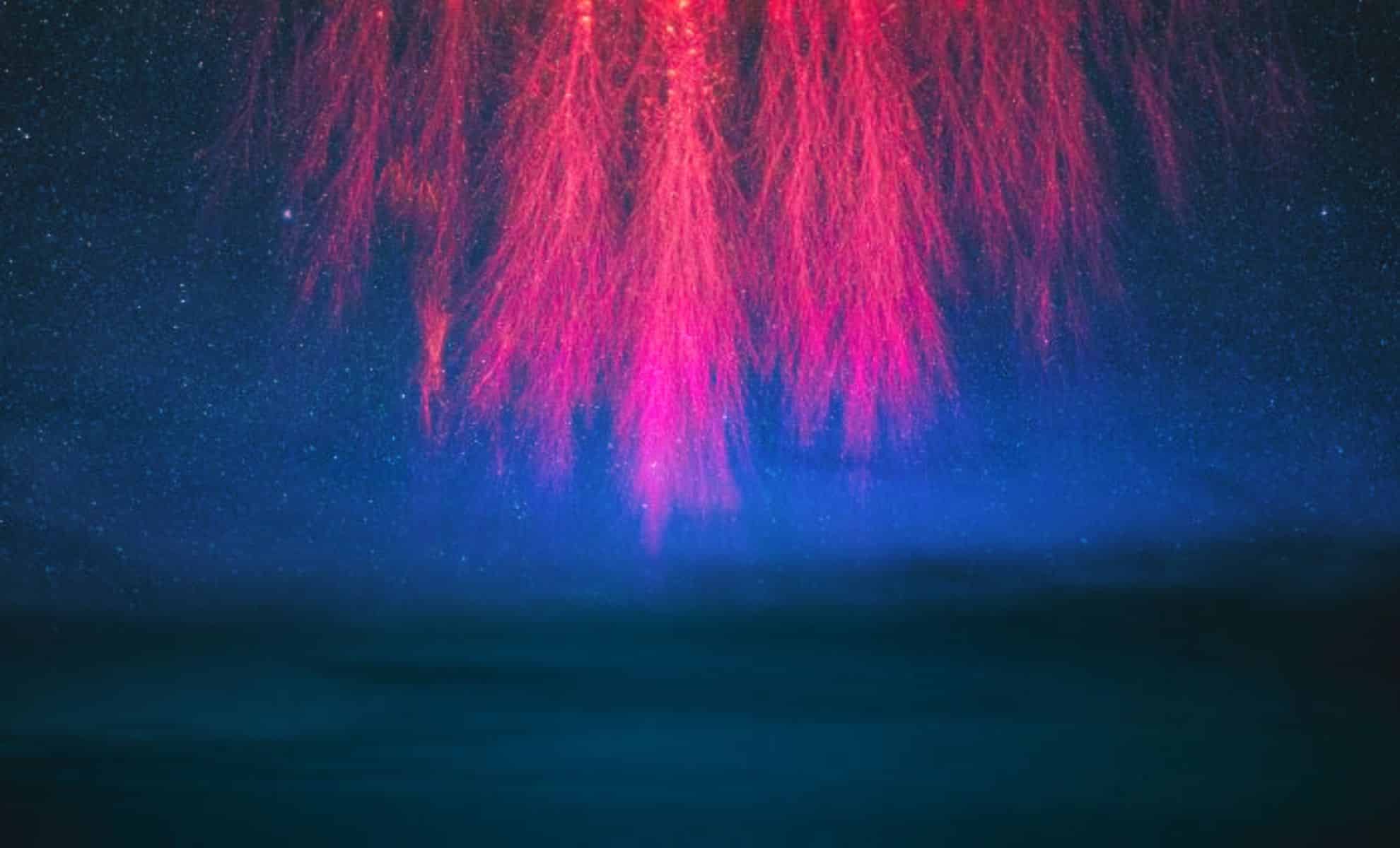
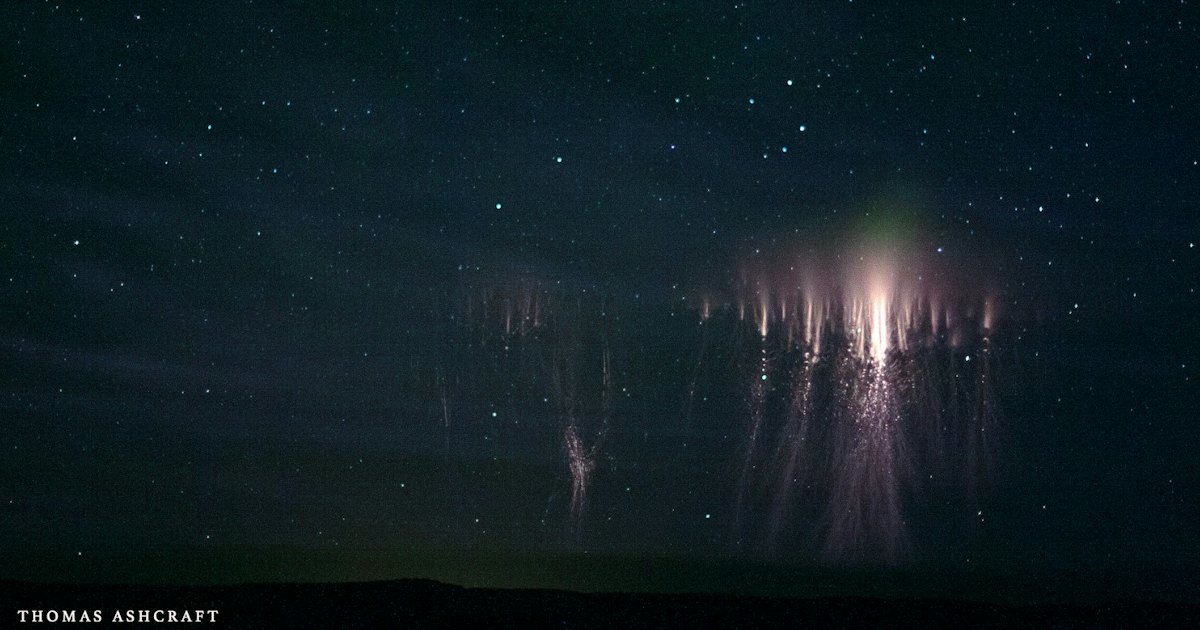
Multiple photographers captured rare red sprites, high-altitude electrical discharges, above thunderstorms in the Mediterranean region. These transient luminous events occur 40-90 km above Earth, lasting milliseconds, and were first confirmed on video in 1989.
Astronauts aboard the International Space Station captured rare high‑altitude lightning—transient luminous events such as red sprites, blue jets, and ELVES—using ASIM’s high-speed cameras. The observations help scientists understand how these flashes affect the ionosphere, radio communications, and aviation safety, as well as atmospheric chemistry and climate. Future upgrades and CubeSats like Light‑1 could expand monitoring and enable real‑time alerts for weather and space operations.
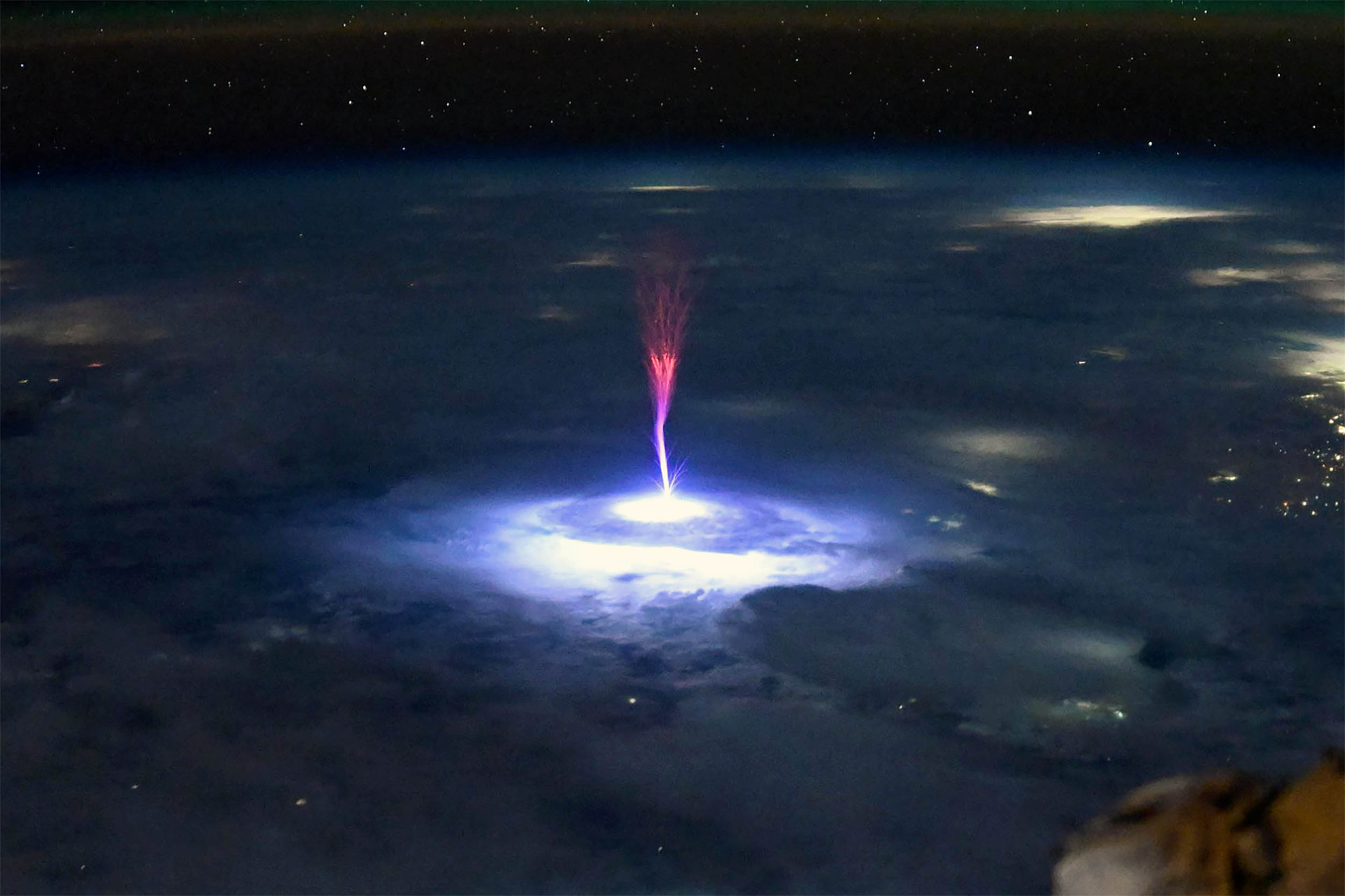
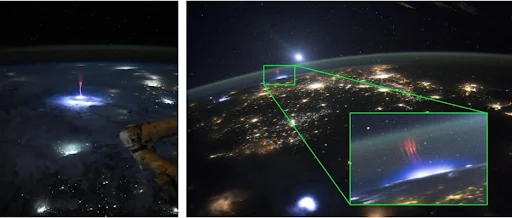
Astronauts aboard the International Space Station photographed a rare red sprite about 55 miles (90 km) above a Texas–Mexico border storm, one of several transient luminous events that flash for just milliseconds. The observation relies on the Atmosphere-Space Interactions Monitor (ASIM) with high-speed cameras up to 100,000 frames per second, and researchers are coordinating with JAXA's Light-1 CubeSat and ground networks to map where these high-altitude discharges occur and how they influence the upper atmosphere.
Astronauts aboard the ISS use high-speed cameras and the Atmosphere–Space Interactions Monitor to document rare high‑altitude lightning—blue jets, red sprites and ELVES. The observations shed light on how transient luminous events affect radio communications, aviation safety and upper-atmosphere chemistry, and future CubeSats like Light‑1 aim to map gamma-ray flashes and other TLEs for better forecasting.
A rare photograph captured both elves and sprites, two types of transient luminous events occurring high above thunderstorms, in northern Italy, marking a once-in-a-lifetime sky spectacle. Valter Binotto used a Sony A7S to photograph this extraordinary event, which is significant because such dual phenomena are exceedingly rare to observe and photograph together.
NASA's ISS captures stunning images and data of high-altitude lightning phenomena called TLEs, such as blue jets, red sprites, and ELVES, revealing their impact on Earth's atmosphere, communication systems, and climate, while advancing storm research and safety measures.
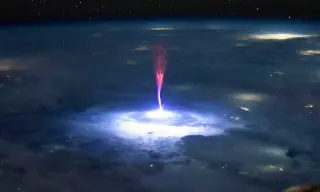
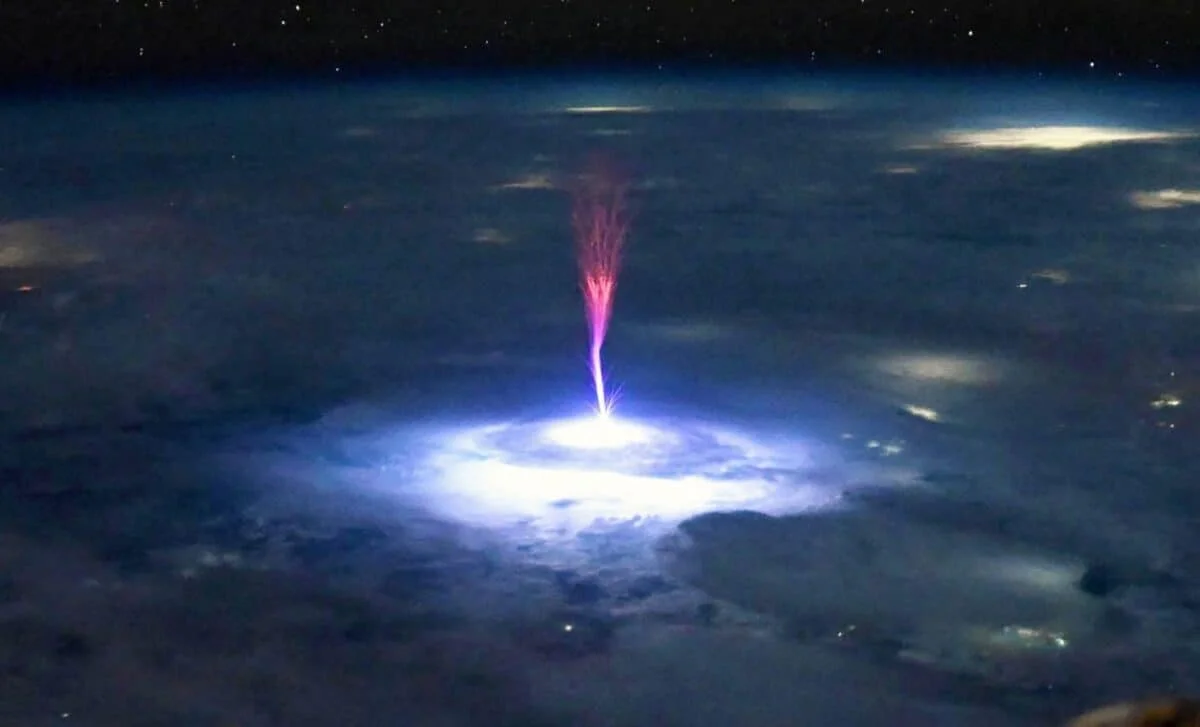
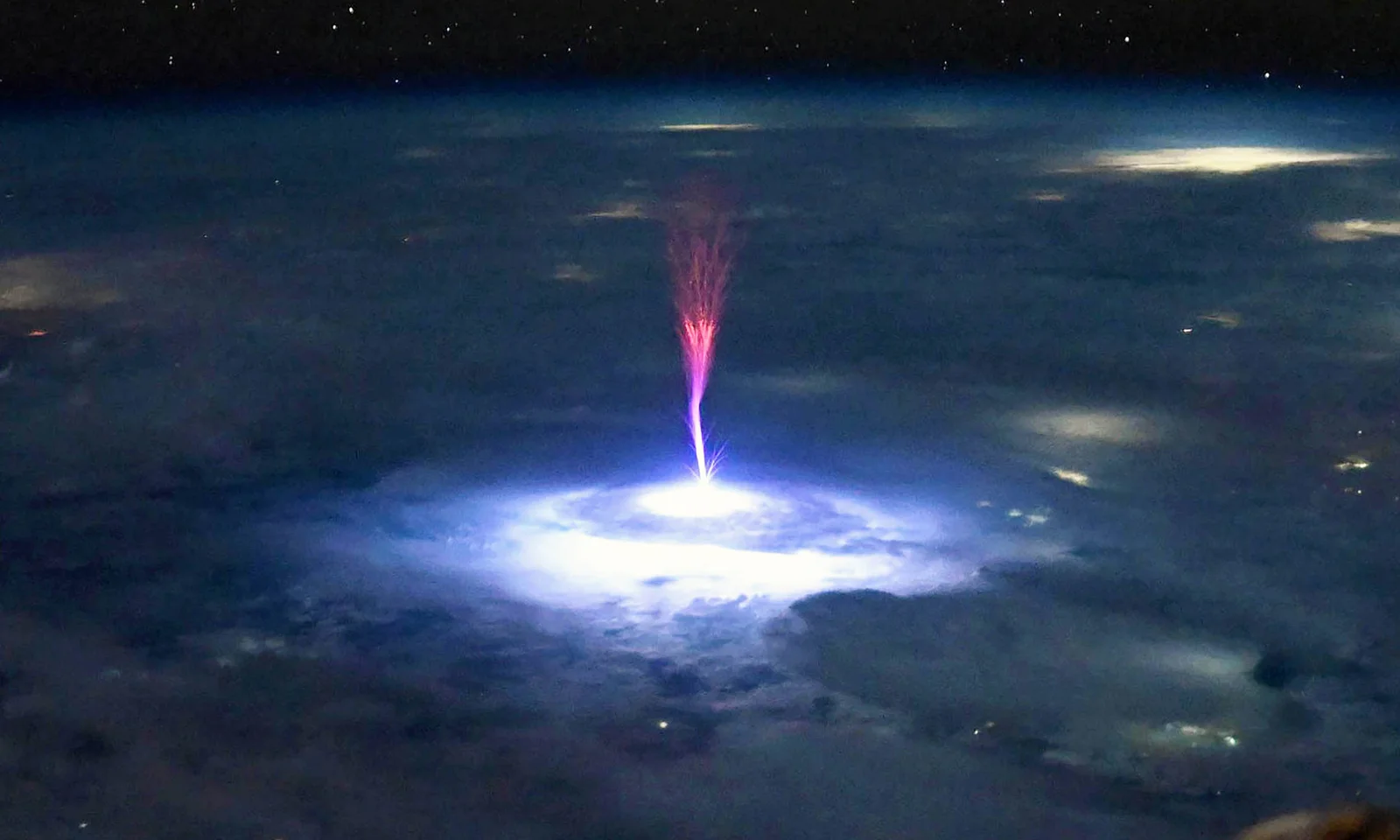
NASA astronaut Nicole Ayers captured a rare gigantic jet, a powerful electrical discharge extending from thunderstorms into the upper atmosphere, providing valuable insights into high-altitude electrical phenomena and contributing to the study of Transient Luminous Events (TLEs).
Scientists documented over 100 red sprite lightning strikes above the Himalayas, providing new insights into high-altitude electrical phenomena and highlighting the region's unique geography in influencing storm dynamics. The event underscores the importance of citizen scientists in atmospheric research and advances understanding of how thunderstorms impact the Earth's upper atmosphere and climate.
Scientists in Spain have conducted the first spectroscopic analysis of a rare atmospheric phenomenon known as "ghosts," which are a form of transient luminous event (TLE). These TLEs occur above thunderstorms and include various electrical events such as sprites, halos, elves, blue jets, and gigantic jets. The researchers observed a green glow above energetic sprites, which they named "ghosts." Through spectrographic analysis, they identified atomic oxygen, molecular nitrogen, and traces of atomic nickel, iron, sodium, and ionic silicon as contributing factors to the phenomenon. The findings suggest a need to revise current theories and models of TLEs.
Scientists have discovered a possible explanation for the mysterious "atmospheric ghosts" phenomenon, which are green afterglows that appear above thunderstorm clouds. Using a special instrument called the Granada Sprite Spectrograph and Polarimeter (GRASSP), researchers found evidence of oxygen and iron in the composition of these ghosts. The presence of iron at lower altitudes than expected suggests that thunder or gravity waves may be disrupting its usual position. Further observations are needed to gain a clearer understanding of this phenomenon.
Astronaut Andreas Mogensen captured a rare video of a red sprite, a type of Transient Luminous Event (TLE), hovering above a thundercloud from low Earth orbit. Red sprites are elusive and spectacular phenomena that occur above thunderstorms and have captivated scientists and sky-watchers. They were discovered in the late 20th century and are part of a family of upper-atmospheric phenomena linked to thunderstorm activity. Red sprites offer valuable insights into atmospheric electricity and upper-atmosphere conditions, but studying them remains challenging due to their unpredictability and brief lifespan. Continued research and observation promise to uncover more secrets about these ephemeral lights and deepen our understanding of Earth's atmospheric dynamics.