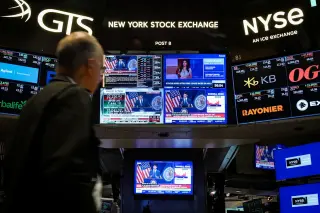
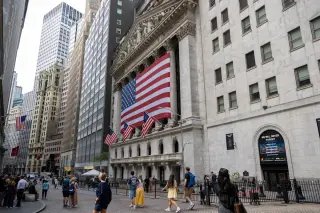
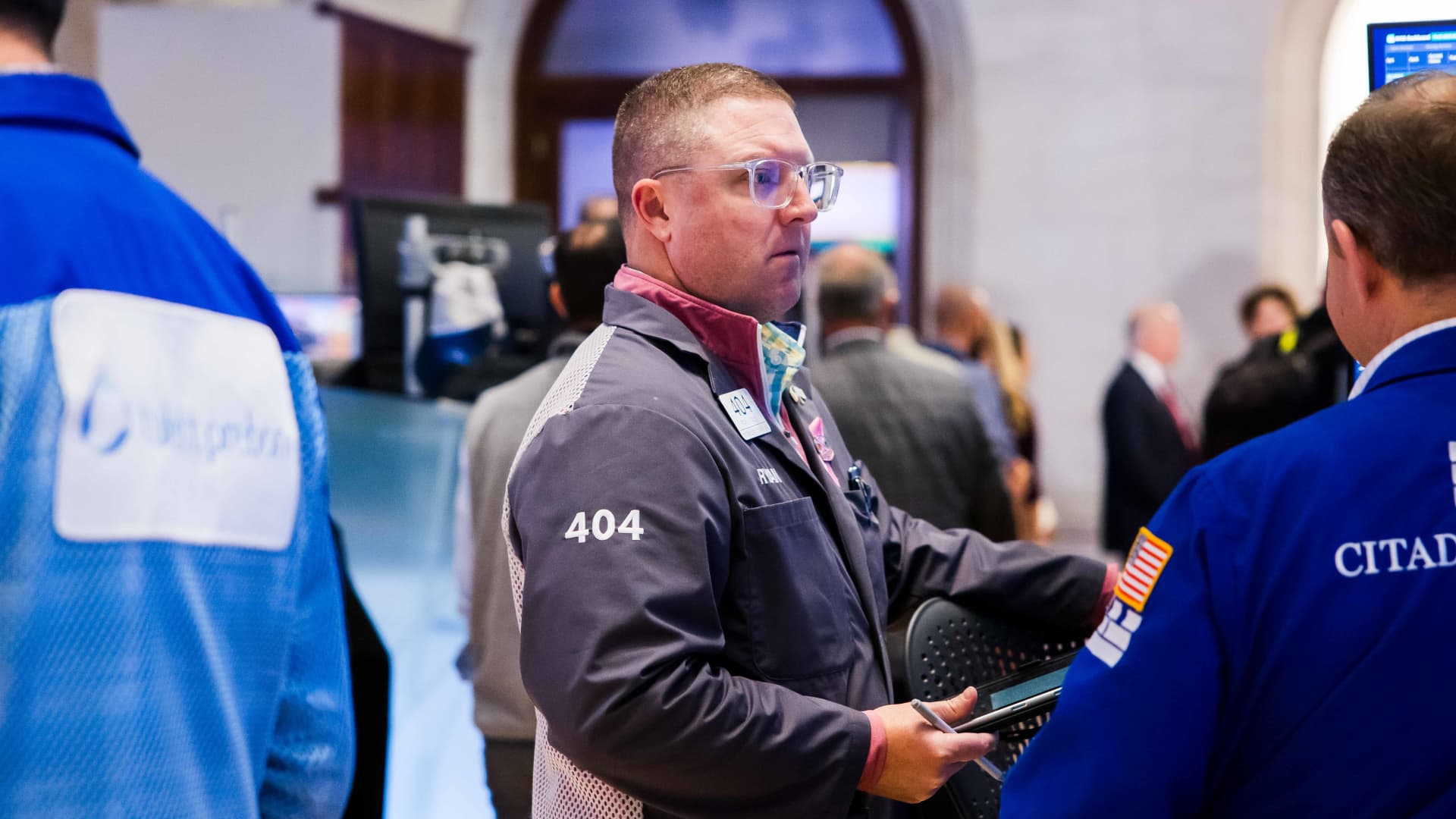
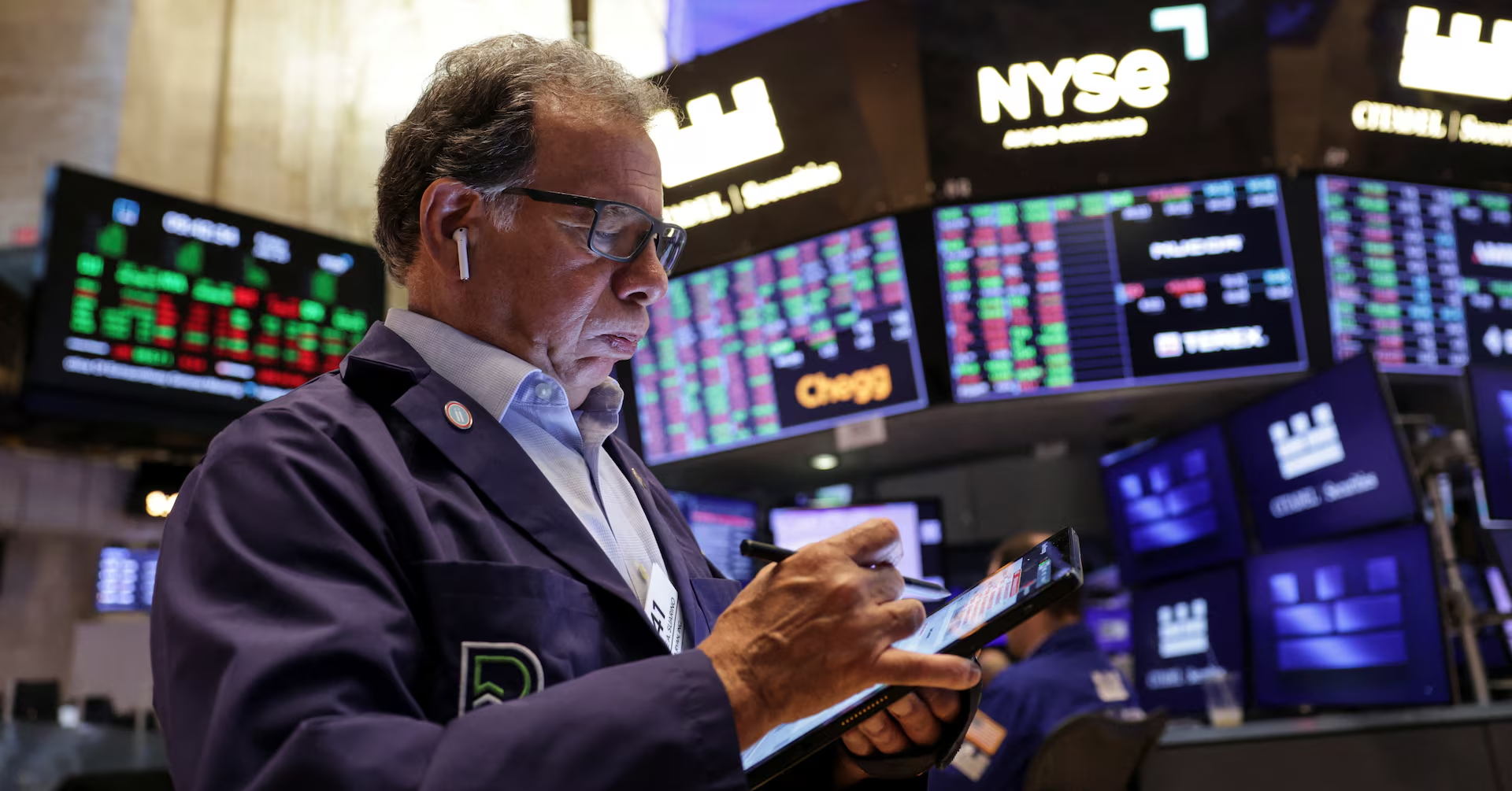
US equity markets will operate normally on Monday, October 12, 2026, despite the federal holiday. The bond market and Federal Reserve will remain closed. The next scheduled stock market closure is Thanksgiving on November 26.
US equities hit record highs on October 7, 2026, driven by a surge in technology and semiconductor shares. The Nasdaq Composite led the rally, with investors ignoring rising bond yields to focus on strong corporate earnings expectations. Key movers included Advanced Micro Devices (AMD) and Micron Technology (MU), which posted significant gains, while industrial and energy stocks like Caterpillar (CAT) and Hess Midstream (HESM) declined. This marks a continuation of the recent trend where AI-driven tech outperforms broader market concerns.
US stock indices posted monthly losses in September as rising Treasury yields pressured valuations. The 10-year yield reached 5.293%, its highest since 2007, while the 30-year mortgage rate hit 7.58%, the highest since November 2023. ADP reported 90,000 private sector jobs were added in September, exceeding expectations. Boeing shares rose after securing a $20 billion contract for next-generation fighter jets, while Moderna fell following a Citi downgrade. Asian markets showed mixed performance, with Japan's Nikkei 225 rising nearly 2% and South Korea's Kospi falling 0.5%.
U.S. stocks turned higher after the Supreme Court struck down Trump’s 2025 tariffs, with the S&P 500 up about 0.4%, the Dow roughly 0.6% higher, and the Nasdaq up about 0.6% as investors digest hotter December PCE inflation and weaker Q4 GDP, prompting a rethink of near‑term Fed rate-cut bets.
Bank of America warns that the US stock market is expensive as the new year begins, indicating potential caution for investors despite recent high returns.
U.S. stock futures remain steady following the Christmas holiday, indicating a pause in market activity and investor sentiment during the holiday period.
Stock futures are nearly unchanged as traders await the November jobs report, with US stocks ending lower due to AI stock declines, while Tesla hits a yearly high and Ford announces significant charges related to EV restructuring.
The article discusses the mixed reactions within the Democratic Party to the Senate shutdown deal, Europe's efforts to defend against Russian drones with a Latvian company's technology, and the U.S. stock market's underperformance compared to global markets this year.
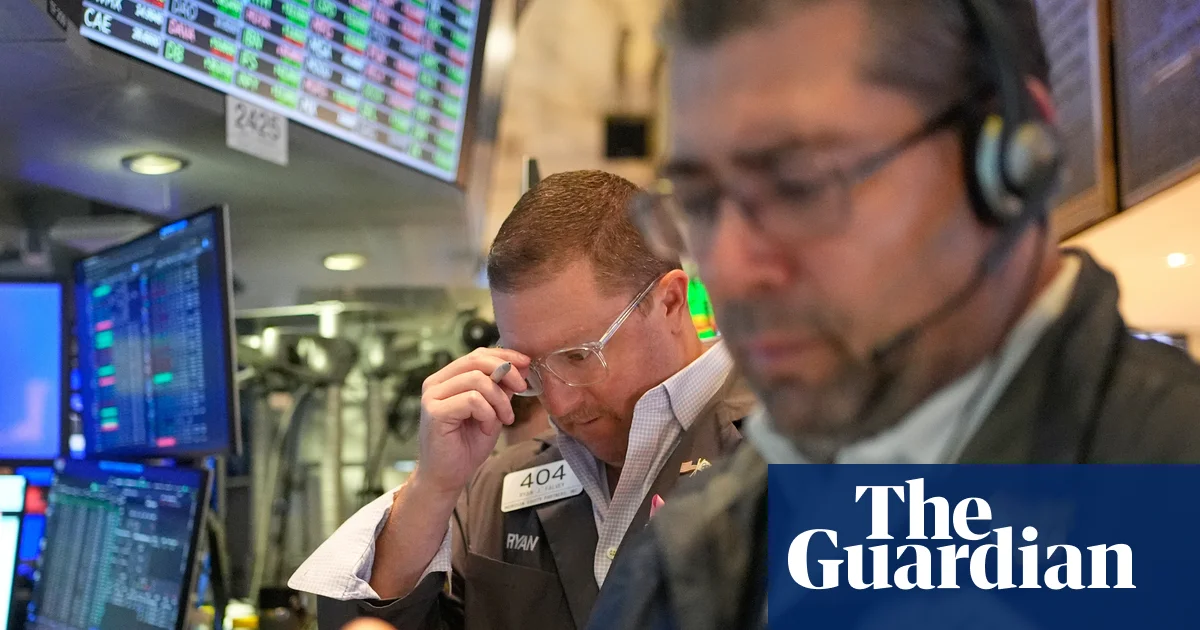
US stock markets declined due to fears of economic slowdown, high layoffs, and hiring freezes, compounded by a lack of official economic data amid government shutdowns and political uncertainties, leading investors to cautiousness and concerns about inflation and interest rate policies.
Asia markets mostly declined as investors awaited a key meeting between US President Trump and Japanese Prime Minister Takaichi, amid mixed regional performances and strong US gains driven by tech stocks and upcoming economic events.
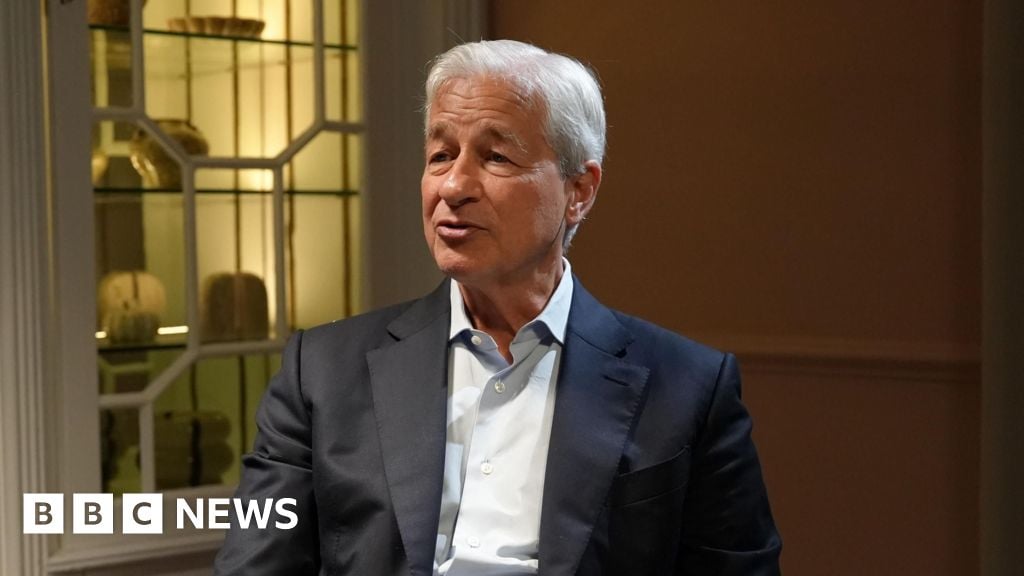
JPMorgan Chase CEO Jamie Dimon expressed significant concern about a potential decline in the U.S. stock market, indicating a more cautious outlook on the economy.
Jamie Dimon, CEO of JP Morgan, warns of a higher risk of a serious fall in US stocks within the next six months to two years, citing geopolitical risks, inflation concerns, and market overvaluation, especially in AI investments, while also commenting on global security and US economic policies.
The US stock market, heavily influenced by the 'Magnificent Seven' tech giants, shows signs of potential broadening beyond tech, with some analysts viewing recent gains as a short-term normalization rather than a fundamental shift, amid upcoming earnings reports from major firms.
UK bonds recovered after Keir Starmer's endorsement of Rachel Reeves eased investor concerns, while the US economy added 147,000 jobs in June, boosting stock markets and strengthening the dollar. Meanwhile, UK and US trade negotiations and airline disruptions due to strikes also made headlines.