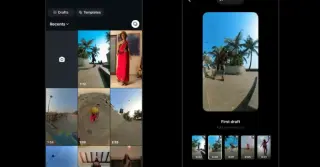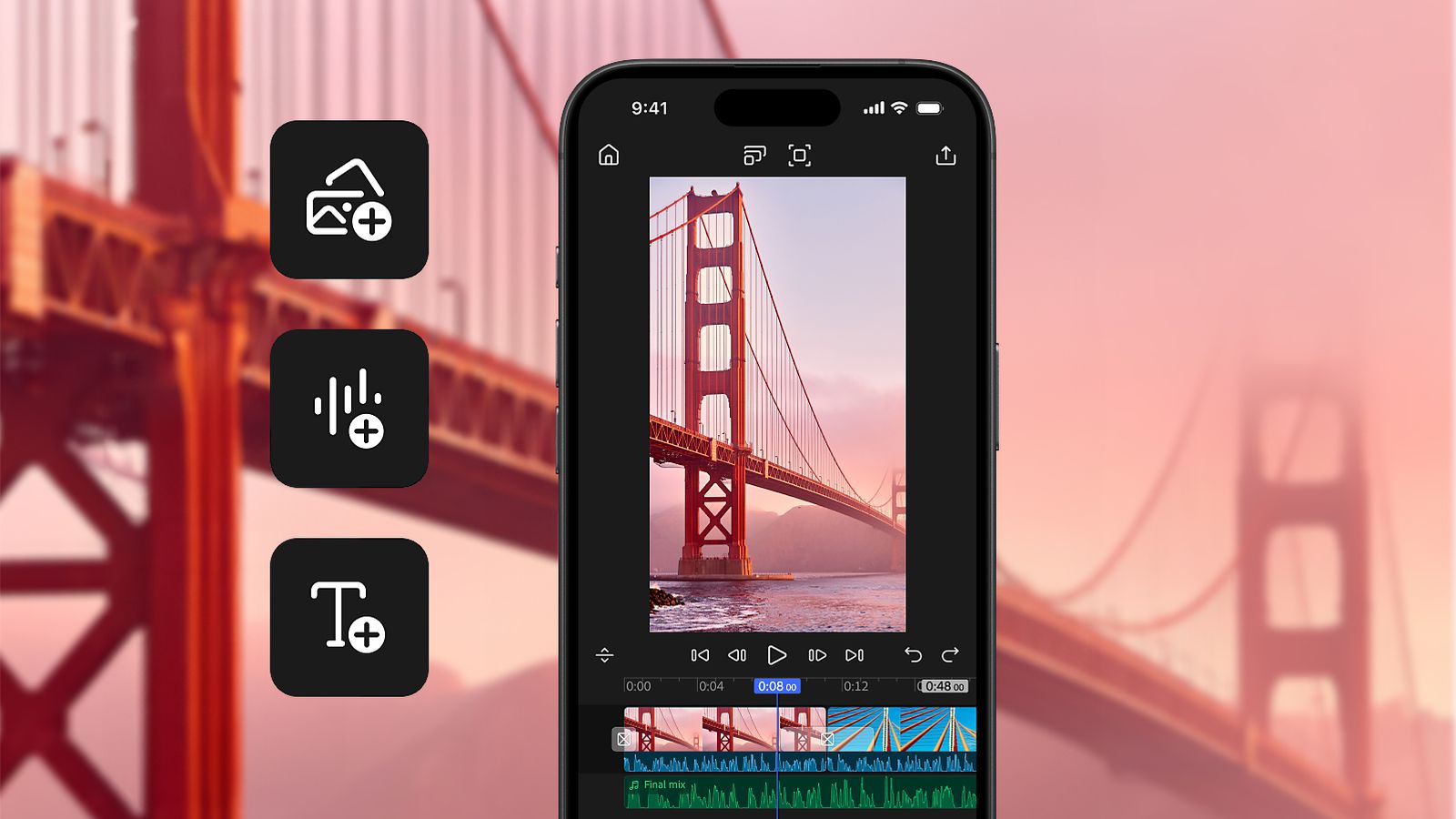
Instagram is rolling out First Draft, a Reels editing feature on iPhone that analyzes multiple clips and trims pauses to assemble a highlights reel, providing a starting point for further edits; it’s not AI-powered, and can be used from the camera or Reels gallery after selecting multiple clips.
CapCut announced a Gemini integration that lets users edit photos and videos directly inside Google Gemini using CapCut’s editing tools, joining Canva and Adobe as Gemini’s creator integrations. The rollout date isn’t announced, and while the integration could streamline workflows from ideation to export within Gemini, it may be affected by Gemini’s reduced usage limits.
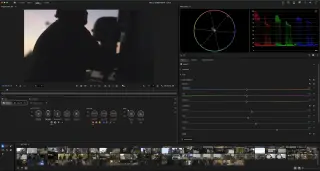
Adobe Premiere Pro’s public beta adds a dedicated Color Mode—an editor-focused color workspace with its own monitor, new scopes, color management, and module-based controls for clip and sequence grading—replacing the Lumetri panel in this mode. It enables a non-node workflow, supports Mercury Transmit and third-party control surfaces, and will evolve with updates; a final ship date remains TBD, with learning resources from Adobe and color expert Alexis Van Hurkman available.
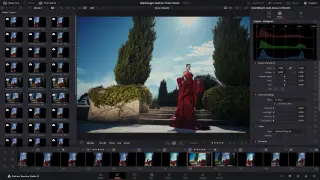
Blackmagic Design’s DaVinci Resolve 21 adds a new Photo page that lets editors color-grade and refine stills at their source resolution, plus a LightBox album view and tethering for select cameras. The update centers on AI features like IntelliSearch for object/keyword/face search, CineFocus with post-record focal shifts and bokeh, and facial tools to age, reshape, or remove blemishes, along with UltraSharpen and Motion Deblur. Other improvements include four‑point Bezier easing for keyframes, multi-clip edits, Fusion tweaks from Cut/Edit pages, multi-language spell check, a font/emoji toolset, Picture-in-Picture, and native support for OGraf HTML graphics and Lottie animations. A public beta is available now from Blackmagic Design, with a general release date to be announced.
An opinion piece argues that RAM matters for video editing but more RAM isn’t a cure-all amid a RAM shortage and rising prices. For most 4K editing, 32GB is a practical sweet spot; 64GB benefits longer timelines and heavier VFX, while 8–16GB is usually insufficient. Budget-minded editors can use DDR4 on older systems or proxy media, though DDR5 kits remain costly. The RAM crunch could ease around 2028 as prices normalize.
DaVinci Resolve dominates in a side-by-side test with Final Cut Pro, offering a free version plus a feature-rich Studio edition, cross‑platform flexibility, advanced AI tools, deeper color grading via its node-based system, a full Fairlight audio suite, robust 360° VR support, strong collaboration, and expansive export options. Final Cut Pro remains easier to learn and tightly integrated on Apple hardware, with solid performance and ecosystem benefits, but Resolve edges ahead on AI capabilities, media management, audio, color work, and team workflow.
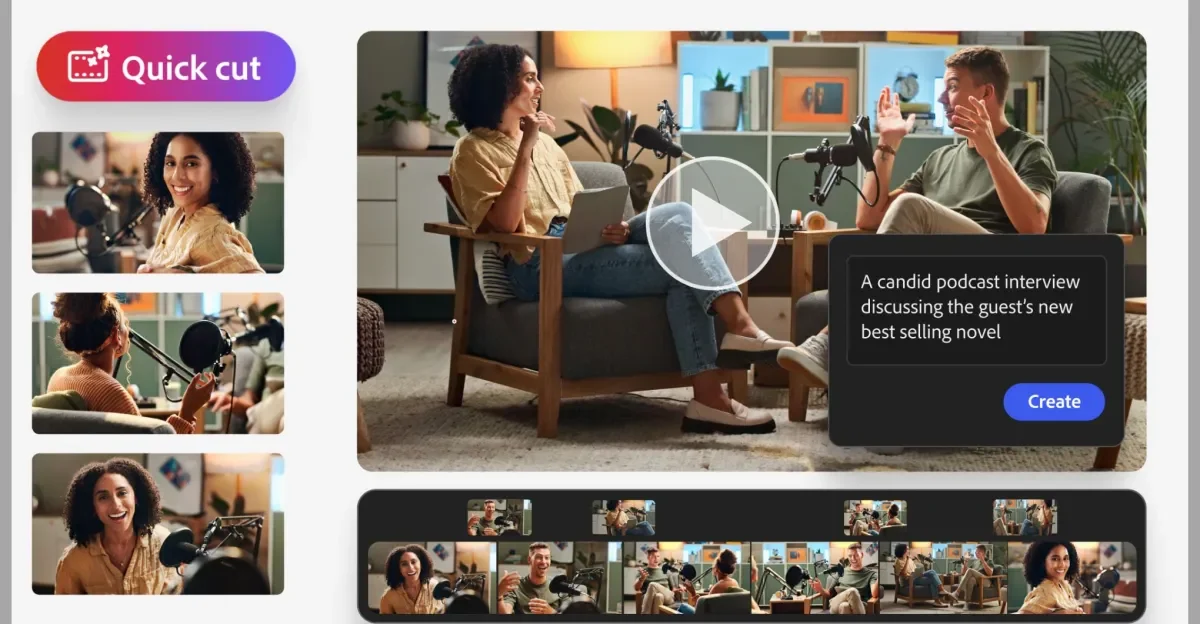
Adobe is beta-launching Quick Cut for Firefly’s video editor, which automatically stitches uploaded footage or AI-generated clips into a structured first cut from text prompts and simple inputs. It offers a transcription timeline and controls over aspect ratio and length to speed creation, aiming to reduce tedious manual assembly—though the result still requires refinement before final polish.
Adobe Firefly is a comprehensive suite of generative AI tools integrated into Adobe's ecosystem, allowing users to create and edit images, videos, and more through a web-based platform with various plans and credit-based usage, suitable for creative professionals and commercial applications.
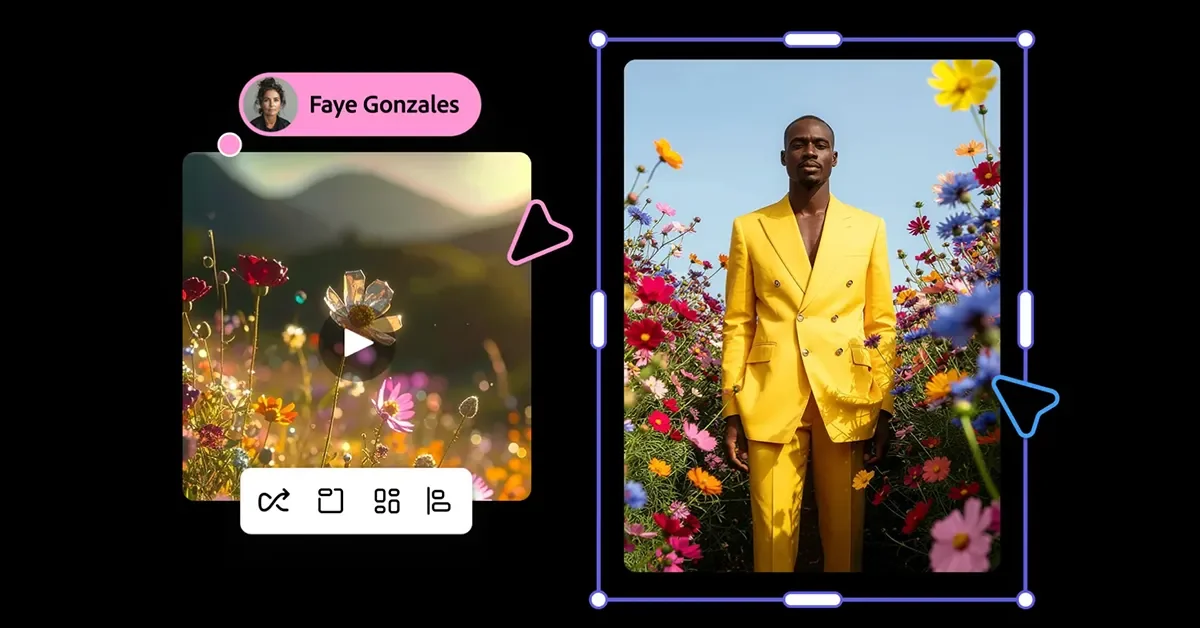
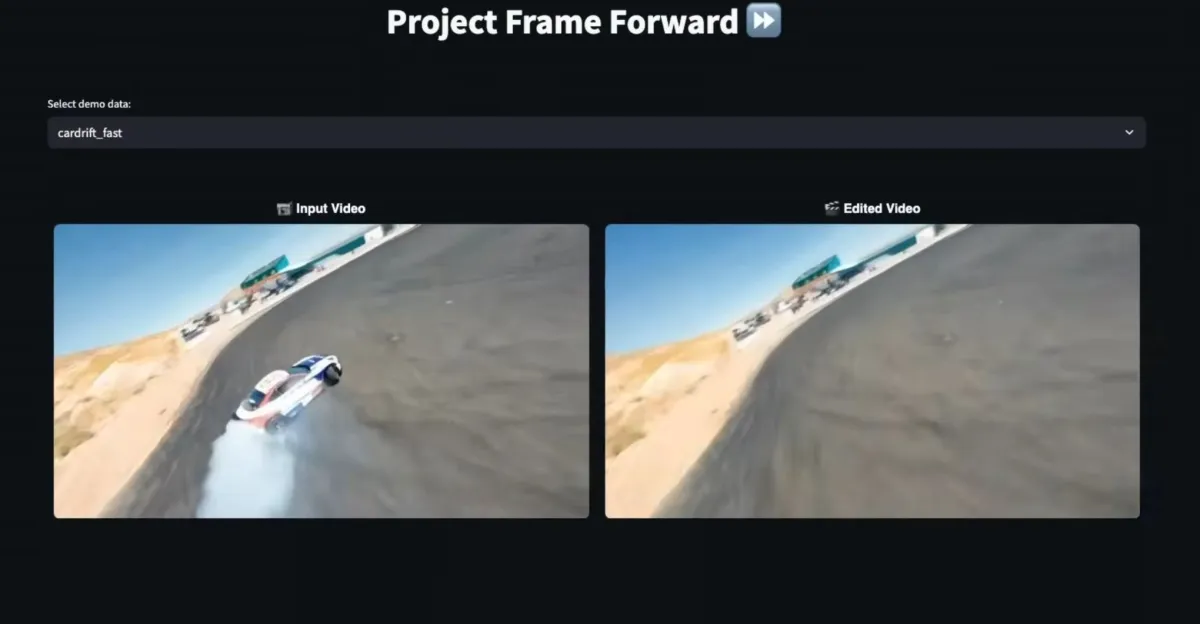
Adobe showcased experimental AI tools at its Max conference that enable intuitive video and photo editing, such as removing or adding objects across entire videos, reshaping lighting, and altering speech characteristics, with potential future integration into their Creative Cloud suite.
Google's AI video generator, Flow, is improving with more realistic editing features, including shadow and lighting adjustments, and new audio and scene extension capabilities, making AI-created videos more seamless and customizable.
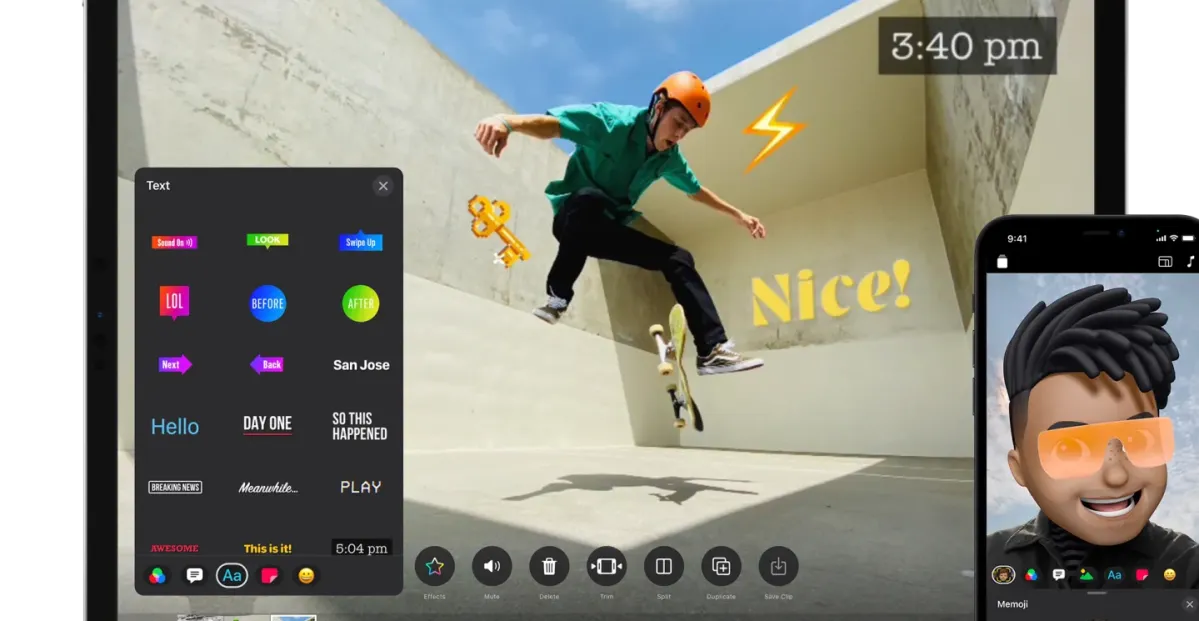
Apple has discontinued its Clips video editing app, removing it from the App Store and ending updates, though existing users can still use it on iOS and iPadOS. The company recommends saving videos locally to prevent data loss.
Apple is discontinuing support for the Clips app, removing it from the App Store and no longer providing updates, encouraging existing users to save their videos and switch to other apps for editing, as the app, launched in 2017 as a social media-like video tool, becomes outdated amidst newer AI-driven video apps.
Adobe has launched its Premiere video editing app on iPhone, offering professional editing tools, AI-powered features, and seamless cloud transfer, aiming to cater to mobile-first creators, with an Android version in development.