Tag

Default Mode Network

All articles tagged with #default mode network

Vitamin C in Blood Linked to Healthier Aging Brain, Large Study Finds
health18 days ago

Vitamin C in Blood Linked to Healthier Aging Brain, Large Study Finds

A study of 2,044 older adults (median age 69) found that higher blood vitamin C levels are associated with healthier brain structure—higher grey matter volume—and stronger connectivity in the brain's default mode network on MRI, even after adjusting for age and health factors. The study is observational (cross-sectional), so it shows association, not causation, and researchers caution that vitamin C is not a dementia cure. The article notes vitamin C’s antioxidant role and involvement in neurotransmitter production, and suggests obtaining vitamin C through a balanced diet (e.g., citrus, amla, guava, kiwifruit, peppers, leafy greens) rather than unsupervised supplementation.

Vitamin C Linked to Preserved Brain Structure in Aging, Study Finds
science20 days ago

Vitamin C Linked to Preserved Brain Structure in Aging, Study Finds

A large cohort study of 2,044 Japanese adults aged 64+ found that lower plasma vitamin C levels were associated with reduced gray matter volume and weaker connectivity in the brain’s default mode network, suggesting nutrition may influence brain aging. The findings show associations, not causation, and the researchers call for longer-term, more diverse studies to understand underlying mechanisms.

Vitamin C linked to preserved brain structure in older adults
health24 days ago

Vitamin C linked to preserved brain structure in older adults

In a Japanese study of about 2,000 older adults, higher blood plasma vitamin C levels were linked to better-preserved brain gray matter and stronger connectivity in the default mode network, even after adjusting for age, smoking, diabetes and other factors. While the finding suggests vitamin C status may play a role in brain health, the study is observational and cannot prove causation, with limitations including a single blood measurement and limited generalizability beyond older Japanese adults. The results highlight dietary vitamin C sources rather than supplements as a potential piece of the broader brain-health puzzle.

Vitamin C May Help Preserve Brain Structure in Older Adults
health25 days ago

Vitamin C May Help Preserve Brain Structure in Older Adults

A Japanese observational study of 2,044 older adults found higher blood levels of vitamin C were linked to healthier brain structure—larger gray matter volume and stronger connectivity in the brain’s default mode network—independently of age, smoking, diabetes, and other factors. The study used plasma measurements rather than dietary estimates and cannot prove causation. Researchers caution results may not generalize beyond mostly older Japanese participants and note limitations like a single blood measurement; they suggest maintaining vitamin C through diet (citrus, berries, tomatoes, leafy greens) as a potential way to support brain health, while calling for more research.

Blood Vitamin C Linked to Stronger Brain Connectivity in Aging
science25 days ago

Blood Vitamin C Linked to Stronger Brain Connectivity in Aging

A study of 2,044 older Japanese adults found that higher blood levels of vitamin C are associated with greater gray matter volume and stronger connectivity in the brain's default mode network, suggesting vitamin C may help support brain health and potentially slow age-related cognitive decline, though causation isn't proven and replication in longitudinal, diverse groups is needed.

Low Vitamin C Levels Linked to Reduced Gray Matter and Brain Connectivity in Aging
health28 days ago

Low Vitamin C Levels Linked to Reduced Gray Matter and Brain Connectivity in Aging

A study of about 2,000 adults over 64 found that lower blood plasma vitamin C is associated with reduced gray matter volume and weaker connectivity in the brain's default mode network, suggesting vitamin C status may relate to brain aging, though the results are observational and longitudinal research is planned to explore causality and cognitive impacts.

DBS Rewires Depression Circuits by Remodeling White Matter
science1 month ago

DBS Rewires Depression Circuits by Remodeling White Matter

Mount Sinai researchers show SCC-targeted deep brain stimulation in macaques triggers white matter remodeling and increased myelination in the cingulum, with widespread changes in brain connectivity—especially in the default mode network—revealing a durable structural mechanism for DBS’s effects in treatment-resistant depression and informing future non-surgical therapies.

We Lost Idle Time: The Brain’s Hidden Work Behind Screens
science1 month ago

We Lost Idle Time: The Brain’s Hidden Work Behind Screens

A science-forward piece argues that the decline of unstructured idle time since the mid-20th century has displaced the brain’s default mode network, which conducts essential internal processing like memory consolidation and future planning; mind-wandering during quiet moments boosts creative problem solving, but smartphones and constant input have collapsed these incubation periods, suggesting we haven’t gained productivity so much as eroded crucial brain maintenance time.

Brain's Creative Bridge Uncovered in Rostral Prefrontal Cortex
science2 months ago

Brain's Creative Bridge Uncovered in Rostral Prefrontal Cortex

A new study links creativity to a functional gradient in the rostral prefrontal cortex that bridges the default mode network (DMN) and the executive control network (ECN). The greater the separation (gradient amplitude) between DMN and ECN, the higher a person’s creative ability; in behavioral variant frontotemporal dementia this gradient compresses, reducing everyday problem-solving creativity yet sometimes sparking artistic activity due to loss of control. The rostral PFC thus acts as a tunable bridge enabling both spontaneous idea generation and deliberate idea refinement.

Amygdala networks altered by smartphone overuse disrupt emotion regulation
addiction3 months ago

Amygdala networks altered by smartphone overuse disrupt emotion regulation

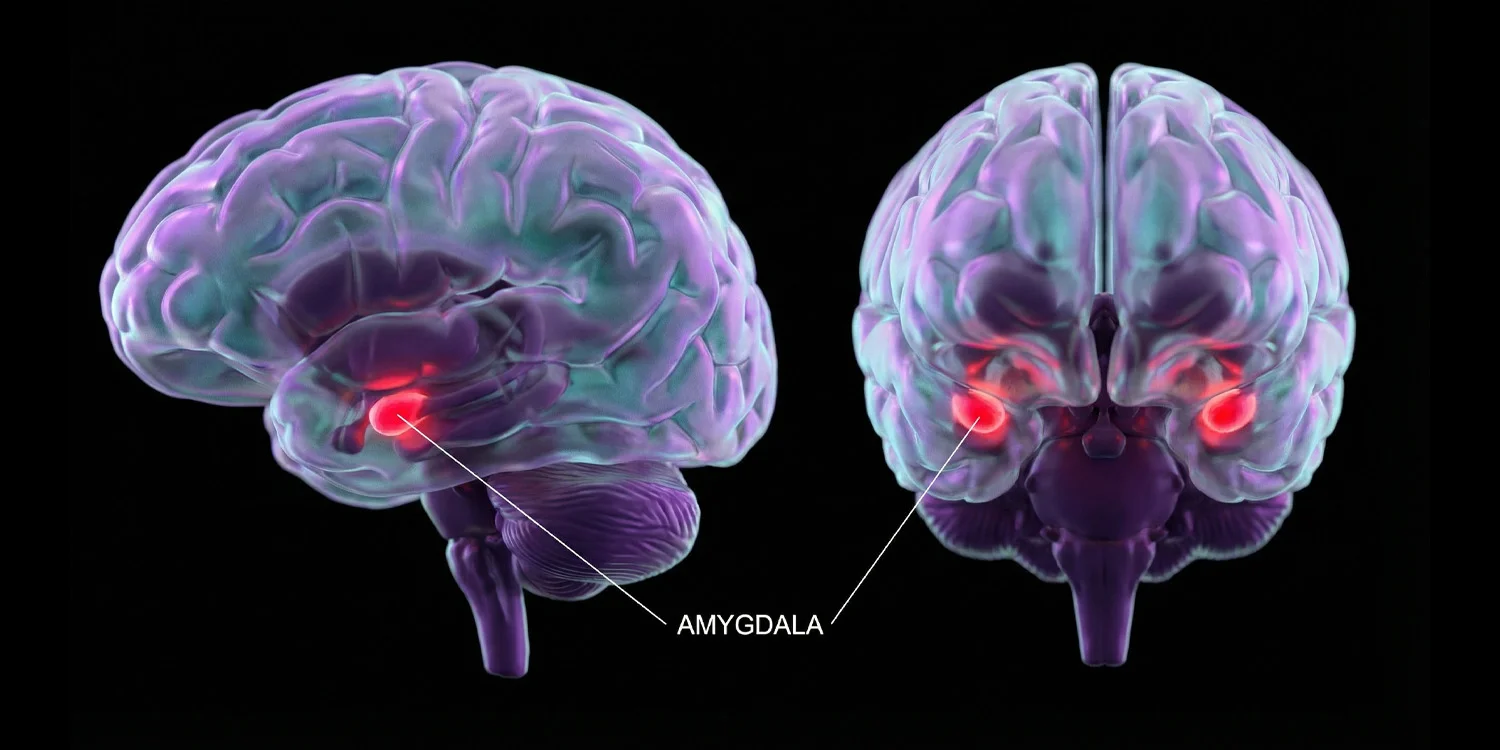
A resting-state fMRI study of 72 college students finds that problematic smartphone use is linked to an imbalance in amygdala connectivity: the right amygdala shows stronger ties to the right temporal pole (involved in social-emotional processing) and weaker connections to the right thalamus, left precuneus (default mode network), and cerebellum, while the left amygdala shows increased connectivity with cognitive-control areas and reduced cerebellar links. These neural differences correlate with higher smartphone dependence and greater difficulty regulating negative emotions, suggesting an overactive emotional system paired with weaker cognitive regulation; however, the cross-sectional design prevents causal conclusions.

Psilocybin reshapes brain rhythms and connectivity, predicting psychedelic intensity
neuroimaging3 months ago

Psilocybin reshapes brain rhythms and connectivity, predicting psychedelic intensity

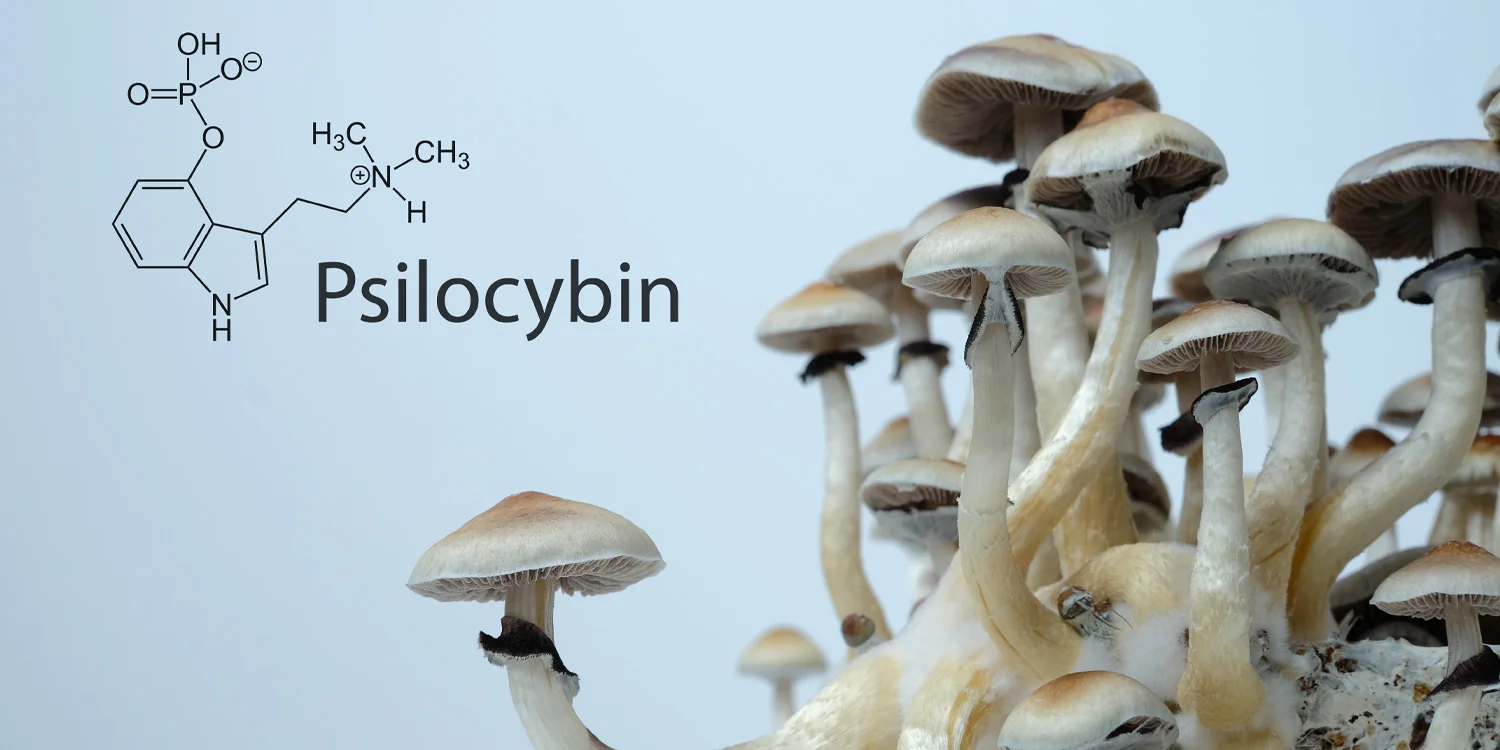
An EEG study of 25 healthy volunteers shows psilocybin shifts the brain from a resting state to a dynamically engaged pattern by reducing slow theta/alpha power and increasing fast beta/gamma activity, with enhanced connectivity in the default mode network and parietal networks that correlates with the intensity of the psychedelic experience. Baseline fast-wave activity in frontal/emotional regions also predicted response to the drug. Using a double-blind, randomized crossover design (10–20 mg psilocybin vs placebo), researchers highlight potential biomarkers to guide psychedelic-assisted therapies, while noting limitations from the small, healthy-sample size and the need for clinical population studies and autonomic markers like heart-rate variability.

Neuroscientists Reveal How the Brain Creates a Unified Reality
science8 months ago

Neuroscientists Reveal How the Brain Creates a Unified Reality

Neuroscientists discovered that the brain constructs a unified reality by using separate predictive models for context, intentions, and actions, which are integrated in the precuneus, shaping our subjective experience. This process was observed through fMRI studies during movie watching, revealing specialized brain regions and their dynamic interactions, providing insights into how our perceptions and shared realities are formed.

Scientists Reveal Brain's Default Mode Network Structure
science1 year ago

Scientists Reveal Brain's Default Mode Network Structure

A study in Nature Neuroscience reveals the structural complexity of the brain's default mode network (DMN), showing it comprises diverse tissue types that support its role in various mental states, from introspection to decision-making, through distinct anatomical features and connectivity patterns. The research combines postmortem histology and in vivo imaging to map the microstructure and functional pathways of the DMN, highlighting its unique integrative role in human cognition.

"Scientists Uncover Brain's Source of Creativity"
neuroscience2 years ago

"Scientists Uncover Brain's Source of Creativity"

Researchers have discovered that the brain's default mode network (DMN) initiates creative ideas, which are then evaluated by other brain regions. Using advanced brain imaging, they tracked real-time brain activity during creative tasks, revealing the DMN's crucial role in creativity. This understanding could lead to interventions that enhance creativity and aid in treating mental health disorders.