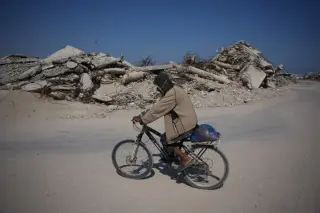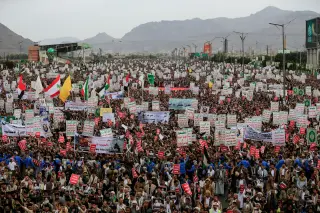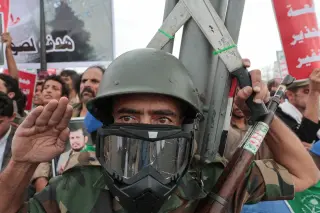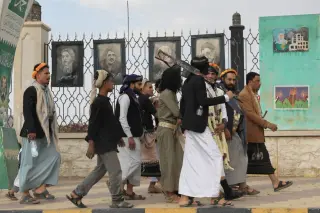
Yemen risks sliding back into large-scale conflict as Saudi-led airstrikes and Houthi attacks escalate, jeopardizing fragile gains, raising regional spillover concerns, and worsening humanitarian conditions.
The United States and Iran exchanged heavy fire after U.S. strikes, with Iran hitting U.S. bases in the Persian Gulf and declaring the Strait of Hormuz closed, escalating tensions and raising the risk of broader conflict.
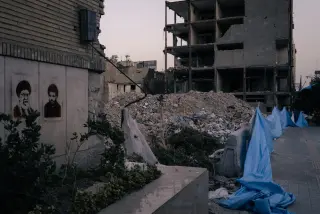
Following the supreme leader’s funeral, Iran’s leadership publicly asserts strength and a bolder stance toward the United States, while Tehran maintains control of the Strait of Hormuz; despite Trump’s claim that the ceasefire is over, the risk of renewed war hangs as both sides take stronger positions.
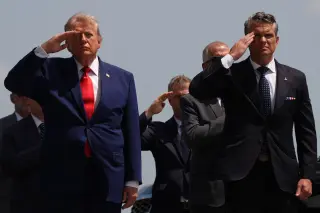
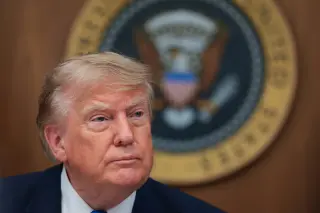
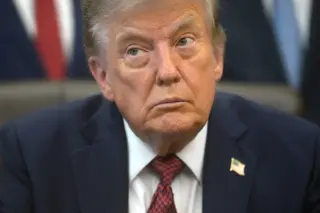
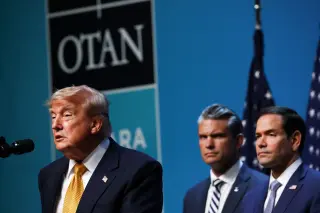
Trump declared the U.S.-Iran ceasefire over, reviving an unpopular war as midterm elections approach, leaving Republicans tied to the conflict in a position voters oppose while Democrats argue the move worsens affordability and national-security concerns; at a NATO summit in Ankara, he signaled a hard line and limited appetite for new negotiations, underscoring a political problem for his party.
Russia launched a large-scale missile and drone strike on Kyiv overnight, killing at least 25 and injuring more than 90 as fires burned across the city; analysts say Moscow is targeting areas beyond the frontline as casualties mount and prospects for a ceasefire fade.
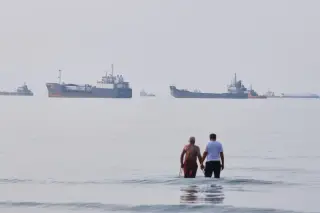
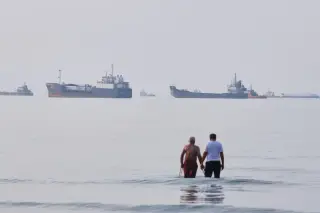
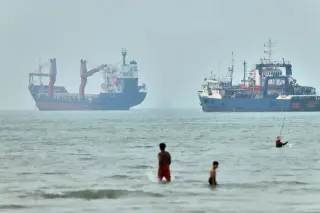
Iran says the Strait of Hormuz is under its full control, brushing off Donald Trump's threats to militarily “complete the job” if Tehran does not relent in the four-month conflict over the strategic waterway.
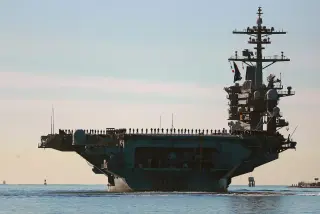
U.S. forces carried out airstrikes on Iranian missile and drone storage locations in what CENTCOM called a powerful response to Iran’s alleged attack on a commercial ship exiting the Strait of Hormuz, as Tehran denies responsibility and regional tensions escalate.
The Senate narrowly voted 50-48 to block President Trump from resuming war with Iran, with four Republicans joining Democrats; two Republican senators were absent, underscoring sharp partisan divides over U.S. policy toward Iran and presidential war powers.
Hours after Iran announced strikes on U.S. assets across the Middle East in retaliation for U.S. strikes, President Trump said Tehran will “pay the price,” warning of further action and signaling a risk to a fragile ceasefire. Iran said it hit 21 sites, including bases in Bahrain, Kuwait and Jordan, though no deaths were reported.
A Washington Post opinion argues that Iran is expanding its terror influence in Europe, highlighting a DOJ case against a Kata’ib Hezbollah commander and linking Tehran’s tactics to Russia’s hybrid warfare; the authors warn Europe remains vulnerable to Iranian proxy plots abroad and call for stronger counterterrorism measures.
After Trump blamed Tehran for a helicopter crash, the United States launched airstrikes on Iran, with a U.S. helicopter crew reportedly rescued by a drone boat and later airlifted; Trump touted the crew’s safety while signaling ongoing pressure and optimism for a possible deal. Israel reportedly conducted strikes against Hezbollah infrastructure in southern Lebanon, underscoring broader regional tensions, as mediators led by Pakistan continue efforts to broker a deal with Iran that hinges on sanctions relief and nuclear concessions.
Israel said it struck Iranian military targets after Tehran fired a barrage of missiles toward Israel—the first such exchange since a ceasefire took effect—threatening to derail peace talks aimed at ending the broader conflict and risking a return to open hostilities in the region.
A Washington Post investigation documents how Lebanese journalist Amal Khalil died after being trapped in a building struck by an Israeli airstrike, with rescuers delayed for two hours five miles away as the IDF, which said strikes targeted Hezbollah, denied access to the site; Khalil was alive during the delay, highlighting dangers to journalists in conflict zones and prompting calls for accountability and safety reforms.
Fighting along the Israel-Hezbollah border has intensified despite a U.S.-brokered ceasefire, with southern Lebanon’s towns like Qlayaa feeling the impact as schools remain open amid shelling and civilians face displacement and economic hardship as Hezbollah rejects the latest deal.
Lebanon’s leaders condemned Iran and warned that Beirut should not be used as a bargaining chip as heavy fighting between Israel and Hezbollah rages in the south; evacuation orders force residents to flee villages such as Anqoun and Dibbine, while U.N. peacekeepers and Lebanese troops clear rubble and monitor security. Lebanese Parliament Speaker Nabih Berri urged a complete, comprehensive ceasefire in line with Hezbollah’s withdrawal. Separately, U.S. forces boarded an Iran-linked tanker in the Indian Ocean as part of pressure on Tehran amid the broader conflict. The war has killed thousands in Lebanon and Israeli casualties and civilians since it began.