Taylor Swift reportedly thwarted leaks about her wedding by watermarking each invitation with the guest's name, a subtle design twist that doubles as a privacy shield and personal touch on a painterly invite, blending branding with secrecy around the big day.
Apple unveiled at WWDC 2026 a suite of AI-powered photo edits—photorealistic generation, extension, and Spatial Reframing—with SynthID watermarks to identify manipulated images, signaling a shift from preserving reality toward flexible editing while trying to curb misinformation through forensics.
YouTube is rolling out an AI avatar feature for Shorts that lets creators record a live selfie to generate a digital version of themselves, which can be used in new clips or added to eligible Shorts; avatars must be used in the creator's own original videos, with remix controls and automatic deletion after three years if unused; all avatar content will be clearly labeled as AI-generated with watermarking like SynthID and C2PA; access is gradual, requiring 18+, an existing channel, and is part of Google's Gemini AI toolkit; it comes amid concerns about deepfakes and other AI-generated content.
OpenAI's Sora app faced unexpected copyright issues and public outcry over AI-generated content, leading to a policy reversal where rightsholders can now specify how their likenesses are used. The company is working on additional controls and clearer watermarks amid concerns about misinformation and misuse, while also expanding access to its AI video technology and infrastructure investments.
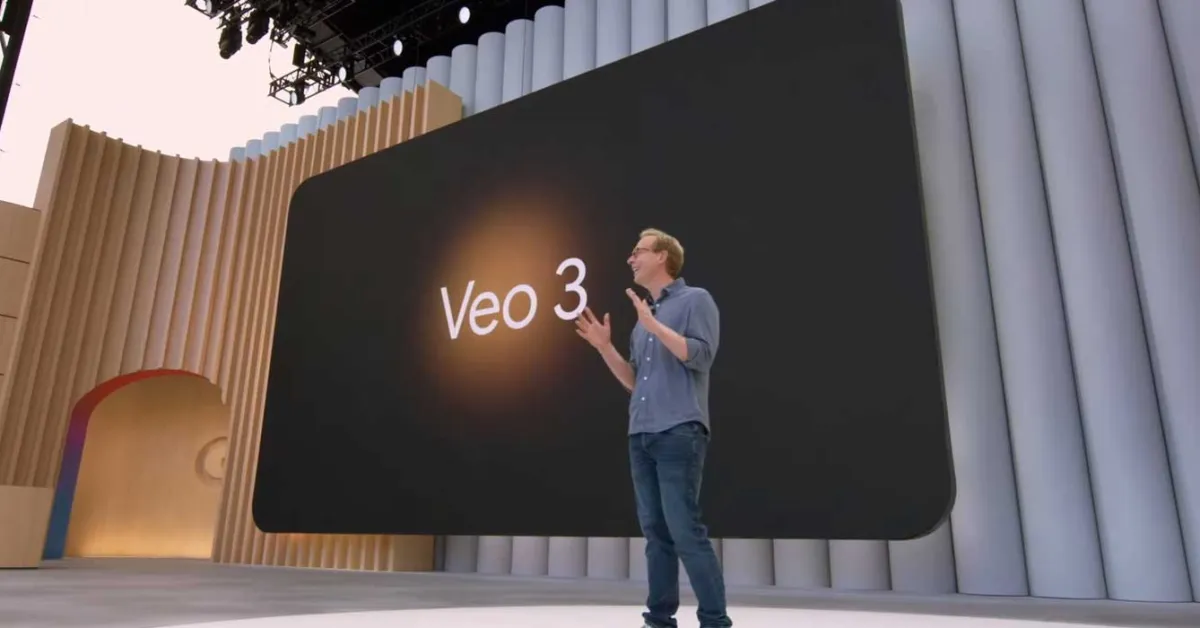
Google is expanding access to Veo 3 in the Gemini app for Pro users on Android and iOS, offering a limited trial of 10 videos with sound, and is also rolling out AI Ultra subscriptions to 73 countries, with new watermarking features and an upcoming SynthID detector tool.
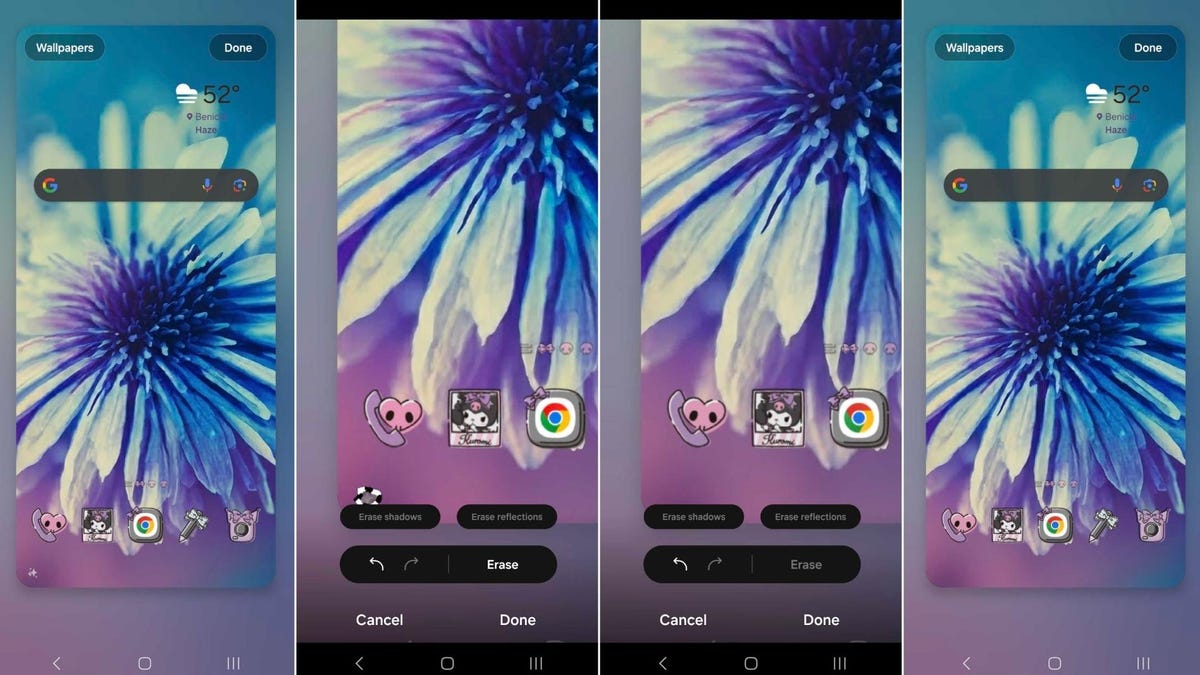
Samsung's new Galaxy S24, equipped with AI capabilities, features a watermark intended to indicate if an image was AI-generated, but the phone's own AI-based object erase tool can easily remove the watermark. This oversight raises concerns about the spread of AI-altered or fake images online, as watermarks and metadata can be easily manipulated. While big AI companies advocate for watermarking as a solution, the issue highlights the ongoing challenge of ensuring the authenticity of digital images in the age of advanced AI technology.
Google's AI arm, DeepMind, has developed a digital watermark called SynthID to identify images created by artificial intelligence (AI) in an effort to combat disinformation. The watermark subtly modifies individual pixels in images, making it invisible to the human eye but detectable by computers. While not foolproof against extreme image manipulation, the technology aims to distinguish between real and AI-generated images. Google's system creates an invisible watermark that remains detectable even if the image is cropped or edited. The move aligns with Google's commitment to ensuring the safe development and use of AI. Other tech companies, including Microsoft and Amazon, have also pledged to watermark AI-generated content.
Microsoft is using a watermark on desktops that says "System requirements not met" to encourage users to upgrade their hardware to support Windows 11. However, the constant reminder can be annoying and insulting. Microsoft has released an official way to remove the watermark by modifying Group Policies. This move is odd and passive-aggressive, as Microsoft doesn't have plans to block Windows 11 updates on unsupported devices.