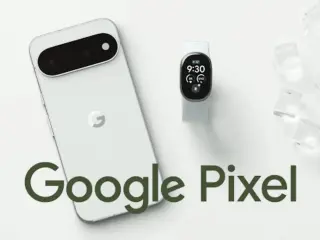
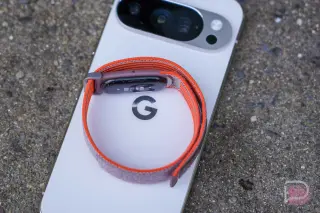
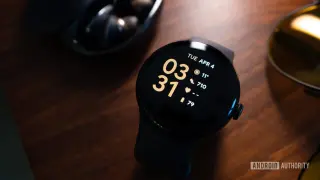
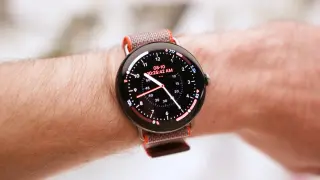
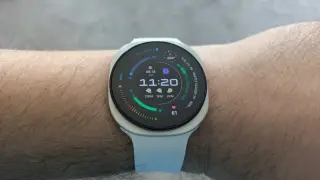
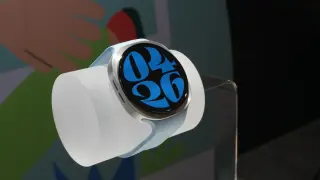
A new Google wearable, model G8BL6, has cleared FCC certification, confirming it features built-in GPS, Bluetooth LE, and a metal frame. The device, which appeared in August Pixel 11 ads, likely runs Wear OS and may be a new Pixel fitness tracker or a Fitbit successor.
A new FCC filing for a device labeled 'Wireless Device' with model number G8BL6 suggests Google is preparing a screen-equipped wearable with GPS. The device, manufactured by Weifang Goertek Electronics, lacks Wi-Fi but supports Bluetooth and GNSS, and its regulatory menu path mirrors Wear OS devices. While Google has not officially named the product, it aligns with a mystery tracker shown in recent Pixel 11 marketing materials.
Samsung has ended software support for the Galaxy Watch 4 and Galaxy Watch 4 Classic after five years, removing them from the security update list and signaling no further major updates; users may keep using them but will miss new features, with upgrade options available from Samsung’s current Watch lineup.
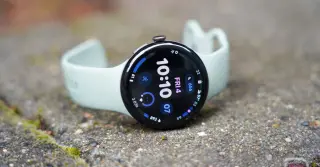
Pixel Watch 5 is a refined Pixel Watch 4+ with modest upgrades (3GB RAM, 64GB storage) and Wear OS 7, delivering strong health tracking and solid battery life. Its design remains premium, charging uses a side magnetic dock, and Gemini offers limited reliability in practice. Pricing rises to $399–$529, and while the software is polished, there’s little incentive to upgrade from Pixel Watch 4, though it’s a notable step up for owners of much older Pixel Watches.
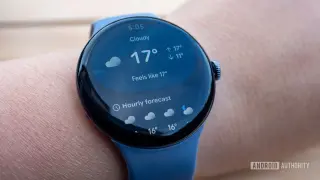
Google's Pixel Weather app for Wear OS is gaining three new watch-face complications—Air quality index, Pollen, and Precipitation—bringing the total to six alongside Sunrise/Sunset, UV Index, and Weather. The update appears in version 1.0.0.94 and can be added via the Pixel Watch companion app or by long-pressing the watch face; some third-party Weather apps already offer similar options, and the rollout is ongoing.
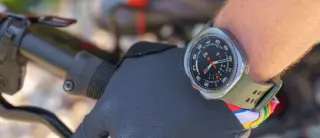
Pixel Watch 5 leans on heavy software glue—Gemini AI, Google Health/ Fitbit integration, and post-processed GPS—to deliver near‑best-in-class track accuracy across urban and forest routes, plus notable UI and sleep improvements and a handful of new workout features, while bumping CPU power and RAM. However, it still lacks core pro-sports capabilities (manual laps, chest‑strap HR pairing, cycling power meters, advanced data-field customization) and faces design/update-cycle hurdles that limit mainstream appeal against Garmin/Apple/COROS. In short, a strong upgrade for GPS accuracy and health AI, but not a full replacement for a dedicated athletic watch.
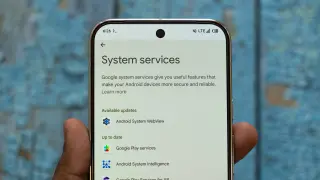
Google Play Services v26.32 introduces Googlebook multi-device setup prompts for PC convergence, expands Tap to Share to include links and location sharing, adds Wear OS location sharing and Wallet age credentials, plus Play Store and WebView enhancements, signaling deeper Android ecosystem integration and groundwork for Googlebooks.
Google says the warning that first‑gen Pixel Watch owners would lose Google Health sync was a bug; legacy Pixel Watch and Fitbit devices remain fully supported, and Google Health requires Wear OS 4 or newer. The erroneous message has been fixed, and users can verify their OS version in Settings.
Google Pixel Watch 5 is pricier with little hardware change from Pixel Watch 4, so Android Authority suggests five alternatives that offer better value: Pixel Watch 4 as the strongest value with long battery life and Gemini support; Samsung Galaxy Watch 9 with a newer SoC, sapphire display, larger battery, and future-ready AI features; Galaxy Watch 7 as a discounted option still receiving updates and sapphire glass; Amazfit Balance 3 for up to 21 days of battery, 64GB storage, and HYROX-focused tools; COROS PACE 4 for a featherweight, long-battery fitness smartwatch with dual-band GPS and training analytics.
Android Central compares Google Pixel Watch 5 and Samsung Galaxy Watch 9, highlighting Pixel Watch 5's longer real-world battery life, Gemini-powered health features, and Google Health Premium, against the Galaxy Watch 9's faster processor and advanced Samsung Health AI metrics; the best pick depends on your preferred health ecosystem and whether you value longevity or processing power, with both offering solid Wear OS experiences.
Motorola's Moto Watch (2026) looks premium and lasts days on a charge, but it runs a low‑power RTOS instead of Wear OS, giving it limited app support and no automatic activity tracking. For $150 you get decent health basics and solid battery life, but with no Google apps, no mobile payments, murky hardware provenance, and spotty GPS, it feels more like a stylish fake Wear OS smartwatch than a true wearable.
Samsung's Galaxy Watch Ultra2 starts at $700 with 64GB storage and two months of Strava/iFIT, delivering a strong Wear OS experience, brighter display, and a feature-rich One UI Watch 9, with around 5 days of heavy-use battery life and up to ~7 days possible by tweaking features. It remains pricey and uses proprietary strap attachments, and some ECG/BP features require Samsung phones. Competing devices include the Apple Watch Ultra 3, Huawei Watch Ultimate 2, and Xiaomi S5 Pro, but Ultra2 stands out for Android users seeking deep OS integration and advanced health tracking, even as a few ecosystem limitations persist.
Samsung's Galaxy Watch Ultra2 refines the original with a thinner, tougher build, a larger brighter display, and a Snapdragon Wear Elite chipset along with a bigger 800mAh battery and new health features like raise-to-speak with Gemini, plus expanded diving modes and ECG. LTE connectivity and rugged MIL-STD-810H design make it a top-tier option for explorers, but the high launch price remains a barrier despite its strong hardware and software package.
Samsung's Galaxy Watch 9 adds new health metrics—Fitness Index, Cardio Load, and a Heart Health Score—along with a faster Snapdragon Wear Elite, but it delivers little battery-life improvement and can show sleep-data gaps. At $379.99 it’s a solid health-focused upgrade only if you need the newest metrics and Gemini AI on your wrist; otherwise the nearly identical Galaxy Watch 8 offers the same experience at a much better value, making Pixel Watch 5 a potential competitor to watch.
Samsung is reportedly developing a smartwatch called Galaxy Aero that runs an RTOS instead of Wear OS, likely priced between the Galaxy Fit 4 and Galaxy Watch FE, with typical sensors and about a week of battery life; Galaxy Aero may be a codename and could launch under a different public name.