New Mexico Footprints Reveal 2,000-Year Human Survival Amid Ice Age Climate Chaos
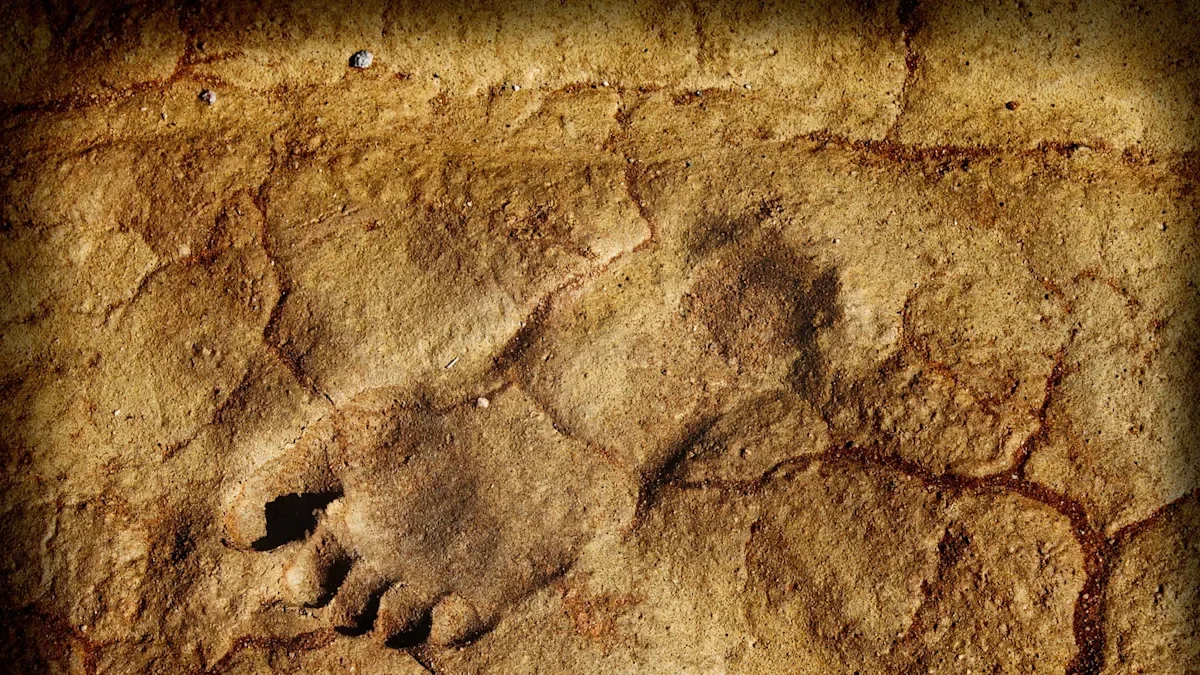
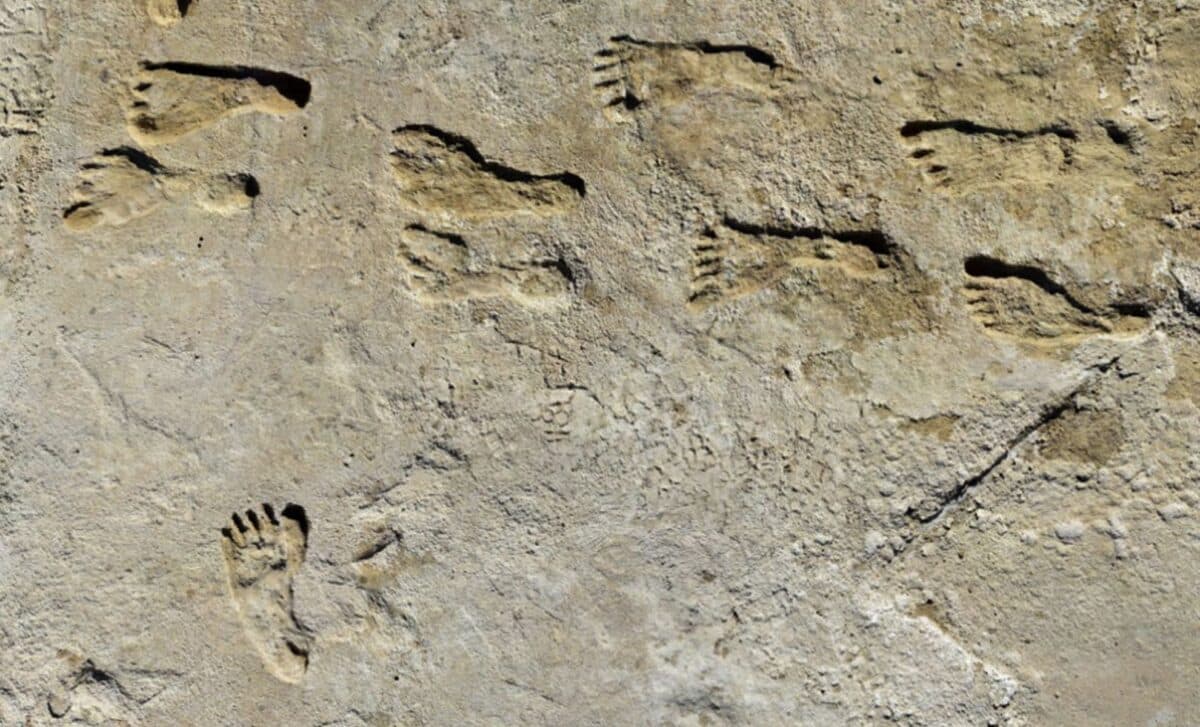
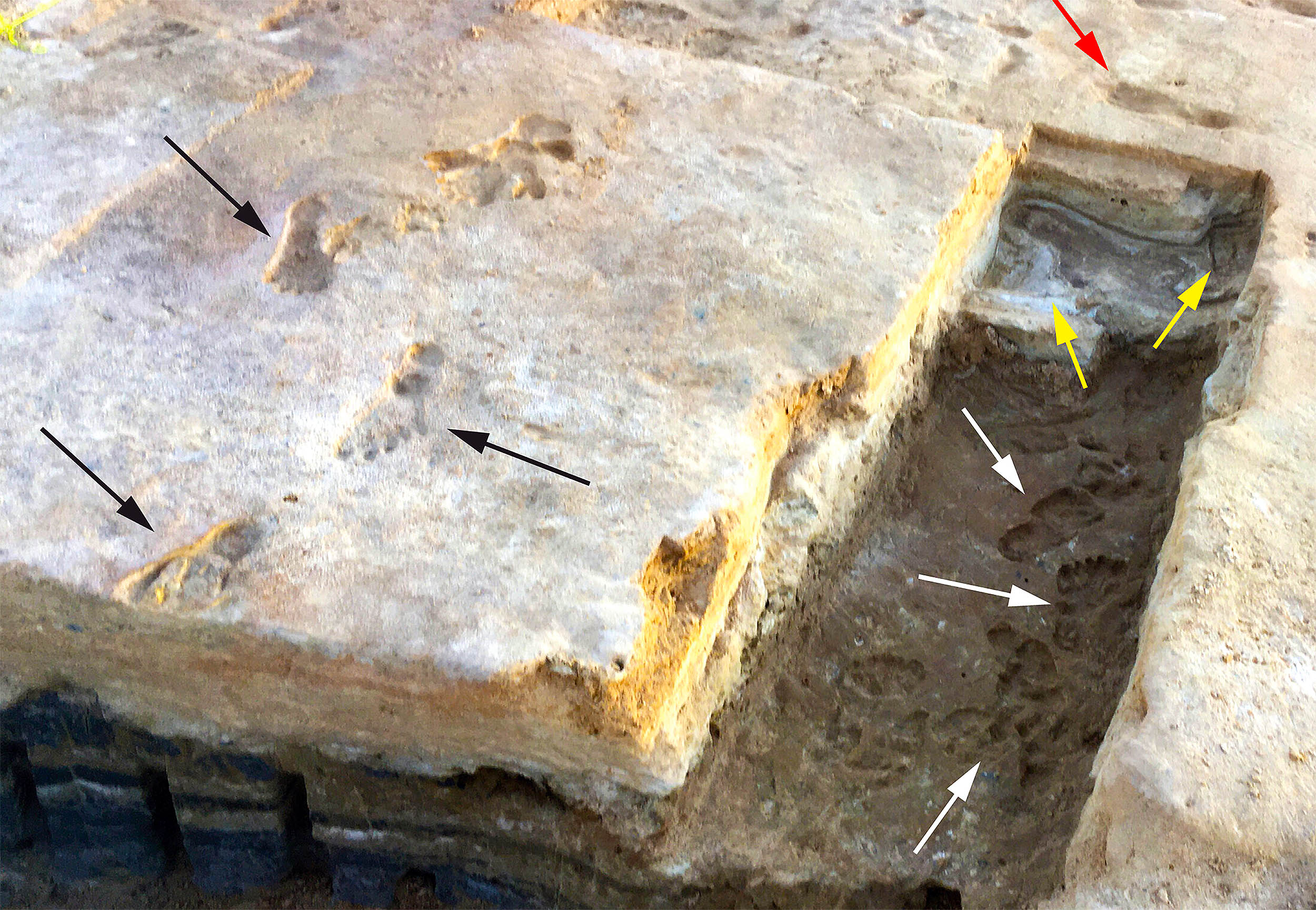
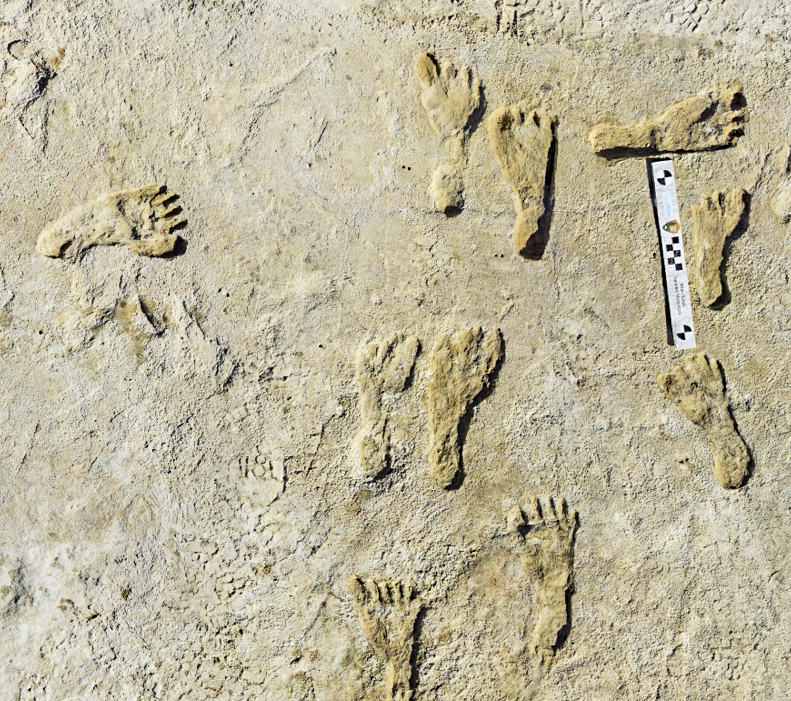
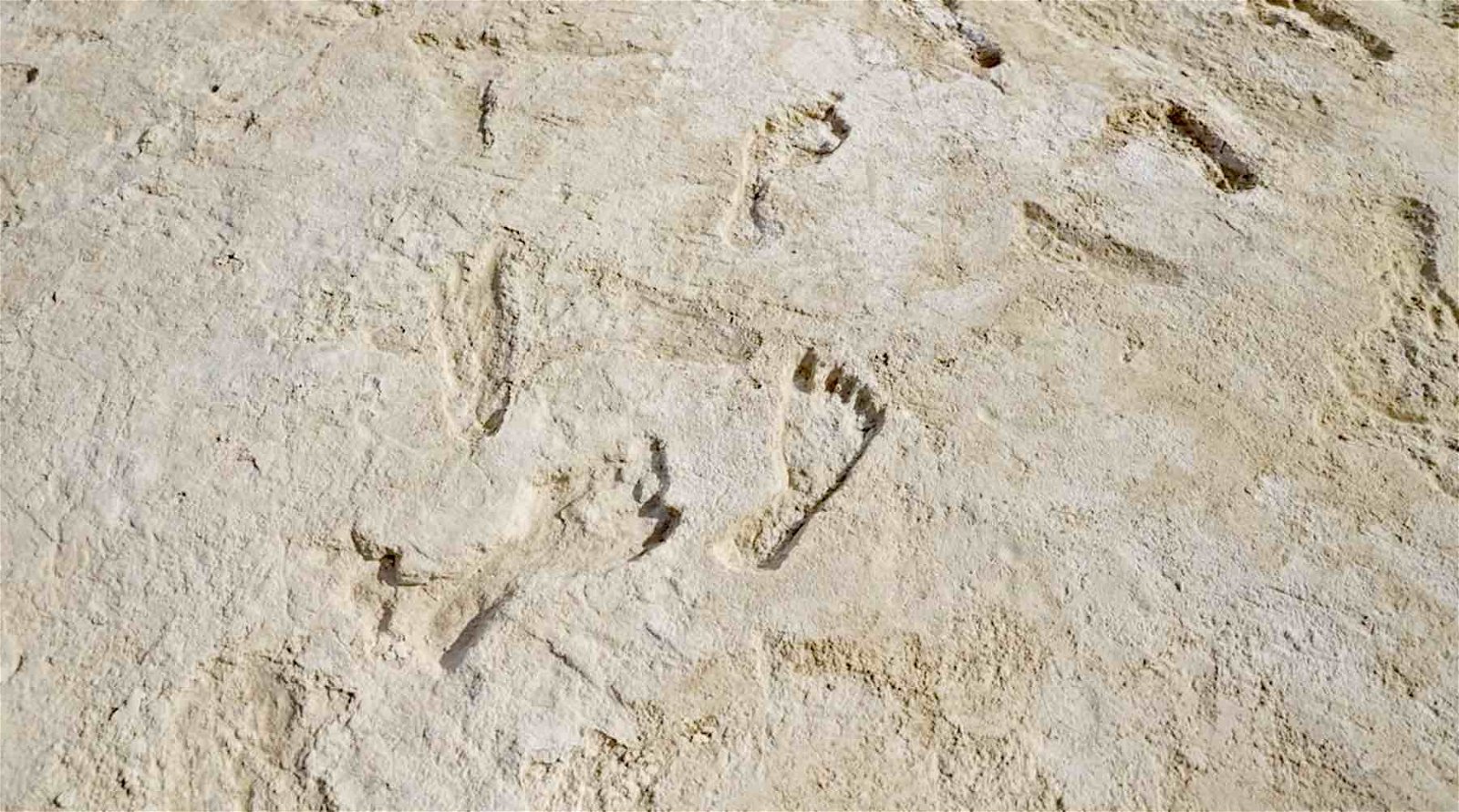
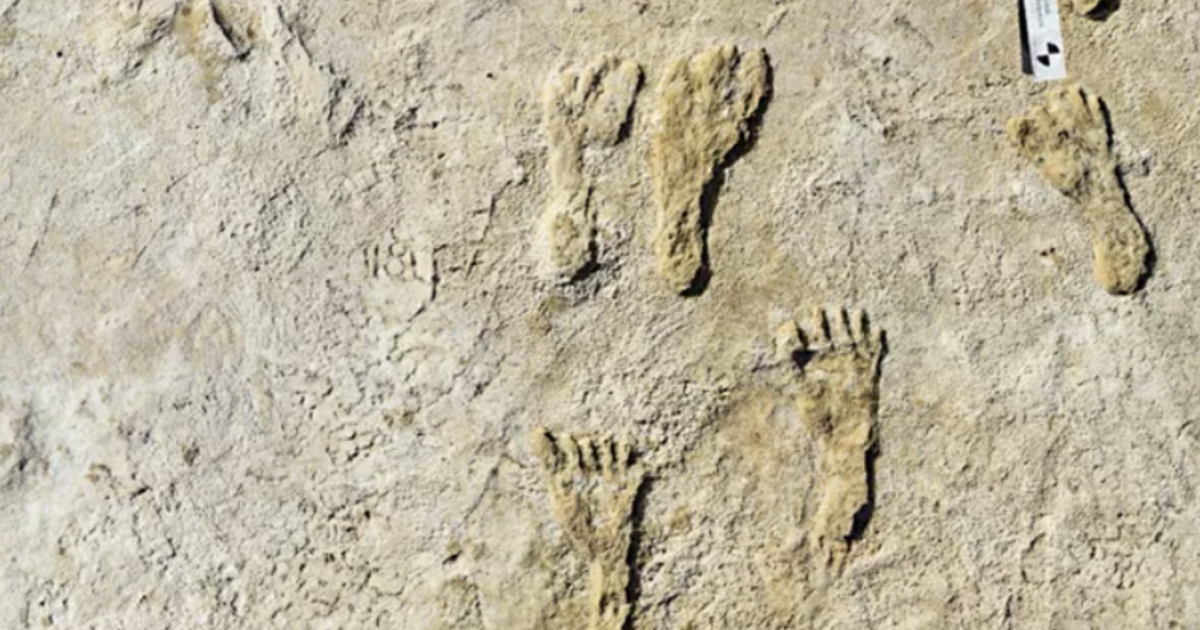
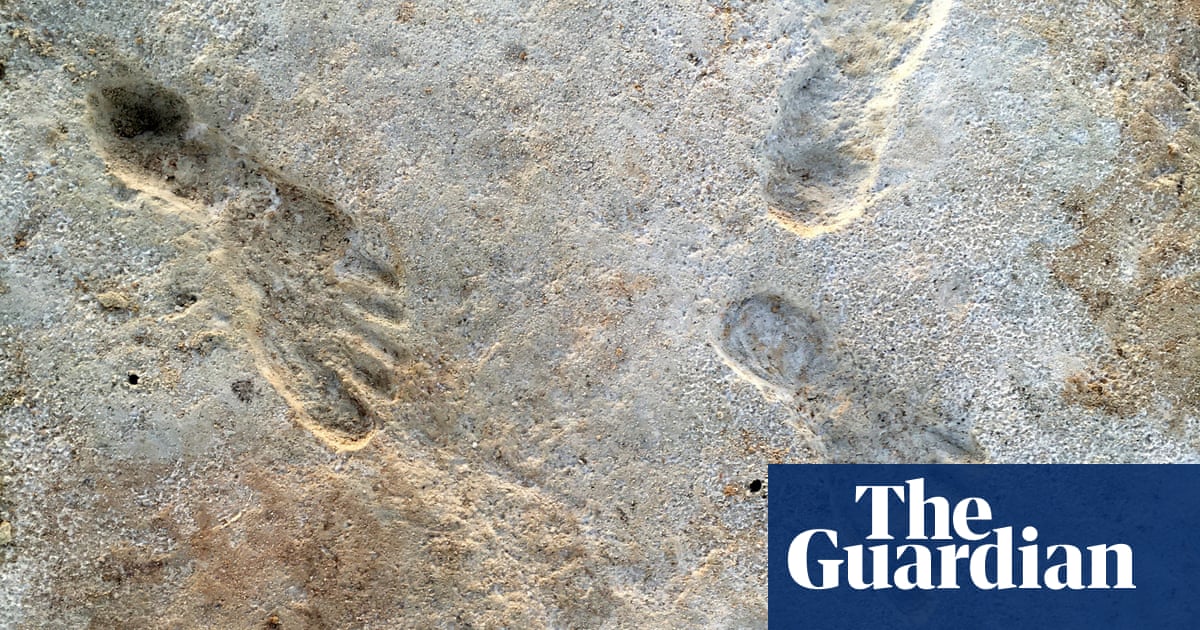
A new study confirms that early humans inhabited White Sands National Park in New Mexico for nearly 2,000 years during the Last Glacial Maximum, enduring rapid and extreme environmental shifts. By analyzing 20 sediment layers containing footprints, pollen, and organic molecules, scientists reconstructed a landscape that transitioned from a large lake surrounded by conifer forests to a drier, sagebrush-dominated environment. The findings demonstrate that human presence was not continuous but occurred in pulses, often coinciding with geological conditions that preserved tracks. This evidence pushes back the timeline of human arrival in the Americas to approximately 23,500 years ago, challenging previous assumptions that the continent was uninhabited until 13,000 years ago. The study highlights that while footprints provide intimate glimpses of human activity, they do not represent a continuous record of population size or movement, as preservation depended on specific hydrological and climatic events.