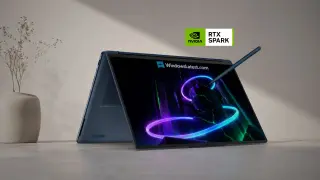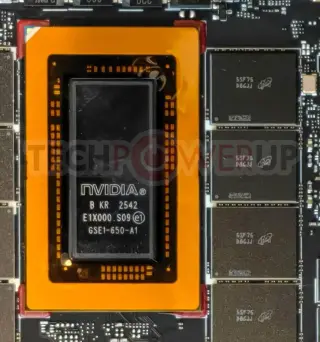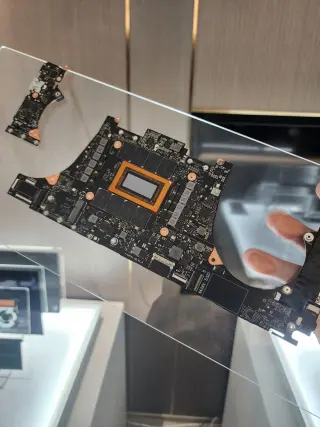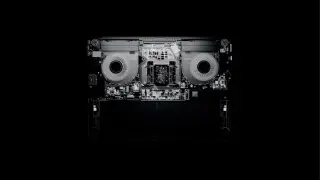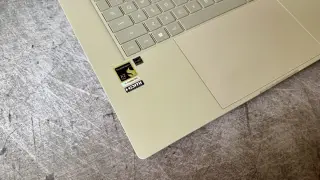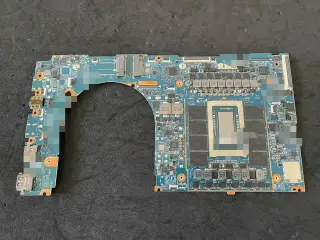
NVIDIA's upcoming N1 gaming SoC has appeared on a laptop motherboard paired with 128GB of LPDDR5X RAM, with OEM partners Dell and Lenovo confirming a 2026 launch. The N1/N1X will use Arm-based CPU cores (10 Cortex-X925 and 10 Cortex-A725) and a Blackwell GPU up to 6,144 CUDA cores, and will offer typical laptop IO (USB-C/Thunderbolt, HDMI) while targeting Windows on Arm with Windows 11 26H1 support.
Nvidia is reportedly preparing its first mobile SoC, the N1 (and a higher-end N1X) based on ARM, aimed at Windows-on-ARM laptops. A leaked engineering sample and confirmation of collaboration with MediaTek point to a broader laptop push, with Computex 2026 expected for a potential reveal and rumors of HP and Dell PCs. Ongoing RAM shortages continue to influence pricing and availability as these new machines edge closer to launch.
Former Microsoft Windows chief Steven Sinofsky hails Apple's MacBook Neo as a 'paradigm shifting' computer and uses it to reflect on Windows on ARM history, arguing Windows 8 and Surface RT were early—but not wrong—strategies. He says Neo validates the ARM approach and laments Surface/Windows on ARM’s failure to attract a robust app ecosystem, suggesting with broader developer support the concept could have evolved into a broader family of devices (clamshell, desktop) just as Neo is doing. Sinofsky notes Surface RT resembled Neo in concept and price, and he concludes, 'We were early, but not wrong.'
The NexPhone, finally shipping in 2026, blends Android on the go with Windows 11 that can boot to a full PC mode when connected to a monitor. It uses the Qualcomm QCM6490 (Windows on ARM) with 12GB RAM and 256GB storage, a 6.58-inch 120Hz display, and a 5,000mAh battery, with dual-boot options (Windows 11 or Debian). Priced at $549 with a $199 deposit and EU shipping, it includes a USB-C hub and targets as a PC‑replacement smartphone.
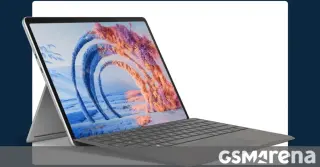
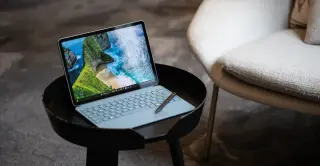
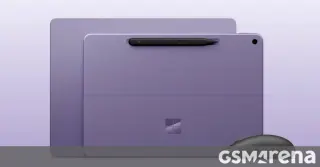
Microsoft trims the Surface Pro to a 12-inch, fanless form factor that preserves the familiar detachable design and delivers standout battery life at a lower price, but it trades some performance and display polish for an all‑new, smaller package. The Snapdragon X Plus X1P CPU offers adequate light‑use performance and the 12‑inch 2196×1464 90Hz display is sharp, yet the device has limited ports (USB‑C 3.2 only), a 1080p webcam, and uses slower UFS storage. Add-ons matter: a $70 charger and optional keyboard ($150) and Slim Pen ($250) push the total toward — and sometimes past — $1,000. Start price is around $650, with a 512GB model bumping to about $700; a review sample with 16GB RAM and 512GB SSD came in at $920 after accessories. It’s a strong secondary device for browsing, media, and light productivity, especially when you value all‑day battery and portability over raw power and upgrade cost.
NVIDIA plans to launch consumer ARM-based laptop SoCs (N1/N1X this year, with N2/N2X expected by 2027) built on a 3nm process for Windows on ARM, rolling out via OEM reference designs and AVL/RVL partner programs to compete with Intel and AMD.
At CES, a pre-production Asus Zenbook A16 with Snapdragon X2 Elite Extreme impressed with its light 16-inch chassis, 48GB RAM, 2TB SSD, and a 2880×1800 OLED display, delivering strong Windows-on-Arm performance and capable Lightroom editing on battery; however, the unit had pre-release bugs (Windows Hello issues and occasional sleep) and gaming remains limited. Pricing isn’t final but is eyeballed around $1,600–$1,700; final hardware/software refinements are expected in a full release.
Qualcomm is expanding its presence in the laptop processor market with the new Snapdragon X2 Plus chips, offering improved performance, power efficiency, and AI capabilities, aiming to challenge Intel and AMD despite currently holding less than 1% market share. The chips are based on a 3nm process, support high-speed memory, and are designed for budget and mainstream laptops, with Qualcomm emphasizing their multi-day battery life and AI features. While adoption is slow, Qualcomm's efforts to improve the Windows on Arm ecosystem and partnerships with app developers suggest a strategic push to grow its market share in the PC industry.
Lenovo has announced a lineup of Windows on ARM laptops for CES 2026, featuring Snapdragon X2 Elite and Plus processors across various models including the Yoga Slim 7x, IdeaPad 5x 2-in-1, and IdeaPad Slim 5x, emphasizing portability, long battery life, and high-resolution displays, while excluding flagship ThinkPad and Legion gaming series from ARM options.
Windows on Arm made significant progress in 2024 with Snapdragon X chips, offering better performance and battery life, and improving app compatibility and gaming support throughout 2025. While still not perfect for all software and high-end gaming, it has become a viable option for many users, with upcoming competition from Intel, AMD, and Nvidia likely to intensify in 2026. The future of Windows on Arm looks promising but also faces challenges from x86 and Linux platforms.
Amazon is offering a significant discount on the Microsoft Surface Laptop 7, now priced at $1,459.99, featuring a 15-inch touchscreen, Snapdragon X Elite processor, 32GB RAM, and 1TB storage, making it a top choice for productivity and casual use in 2025 and beyond.
Qualcomm is preparing its Snapdragon X Elite chips for upcoming Android PCs, signaling a move towards high-performance, ARM-based desktop devices that could rival traditional laptops, as part of the Android/ChromeOS merger.
Microsoft promotes its Copilot+ PCs and Windows on Arm ecosystem as transformative for the PC industry, but customer adoption remains tepid due to high prices, lack of compelling apps, and limited real-world benefits. Despite claims of breakthrough performance and productivity enhancements, actual user experience and sales figures suggest the technology is more beneficial for hardware makers and Microsoft than for consumers, with many apps working well on non-AI hardware and sales not meeting expectations.
Microsoft is updating its Xbox app for Windows on Arm to allow users to download and play ARM64 compatible games locally on devices like the Surface Pro 12, moving beyond just cloud gaming, with more features and game compatibility expected in the coming months.
The Microsoft Surface Laptop 13-inch offers excellent hardware and battery life at a lower price point, but features some compromises like a lower-resolution screen, fewer cores, and app compatibility issues with Windows on Arm, making it suitable for general productivity but less ideal for creative or gaming tasks.