Canada’s Justin Trudeau says major international bodies like the WTO and IMF are poorly suited to today’s geopolitics and argues for “microlateralism”—small group coalitions of like‑minded states—as great powers (the US, China, Russia, India) selectively follow rules, amid Canada’s push to recalibrate diplomacy in a more multipolar world and ongoing global tensions.
Porter argues that Trump-era fractures of the US-led postwar order have spurred Europe and others to seek a ‘third path’ or rely on uncoordinated, transactional alliances. Building a durable liberal, rules-based system without strong US leadership seems unlikely, risking a world split into rival blocs or even a ‘no order’ landscape unless Washington renews its engagement. The piece frames a likely shift from a coherent order to pragmatism and power politics, with China and the US looming as the two poles and varied influence for other states.
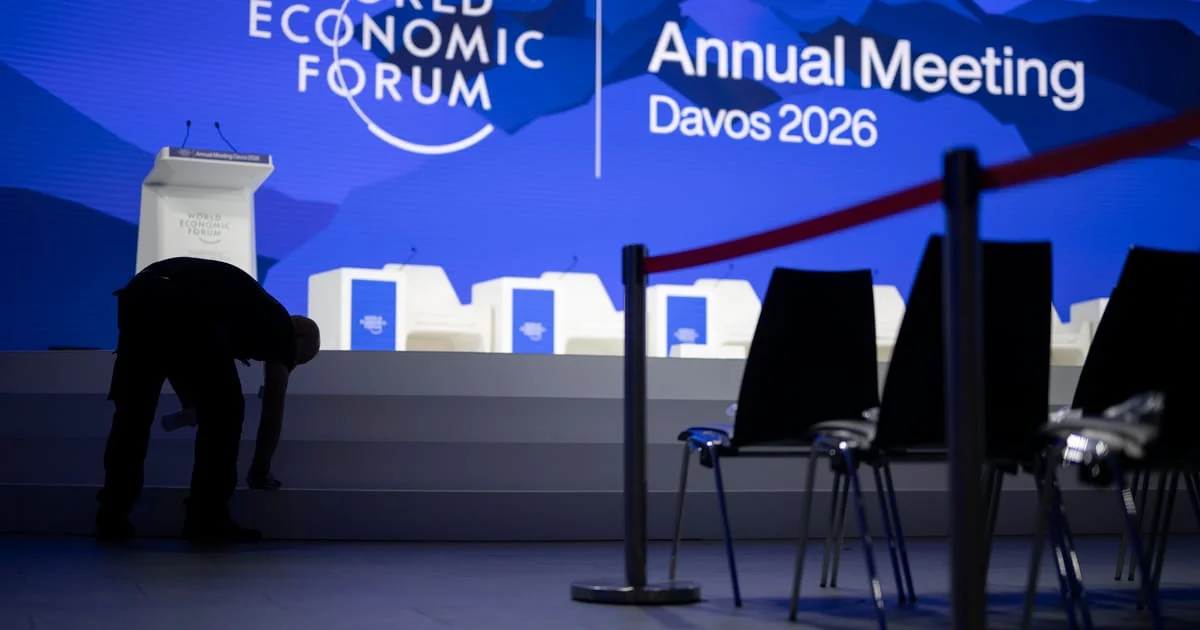
Davos 2026 underscored a weakening rules-based order as elites gathered amid rising populism, European calls for independence from the U.S. and NATO, and a push for the forum to expand beyond Davos to stay relevant.
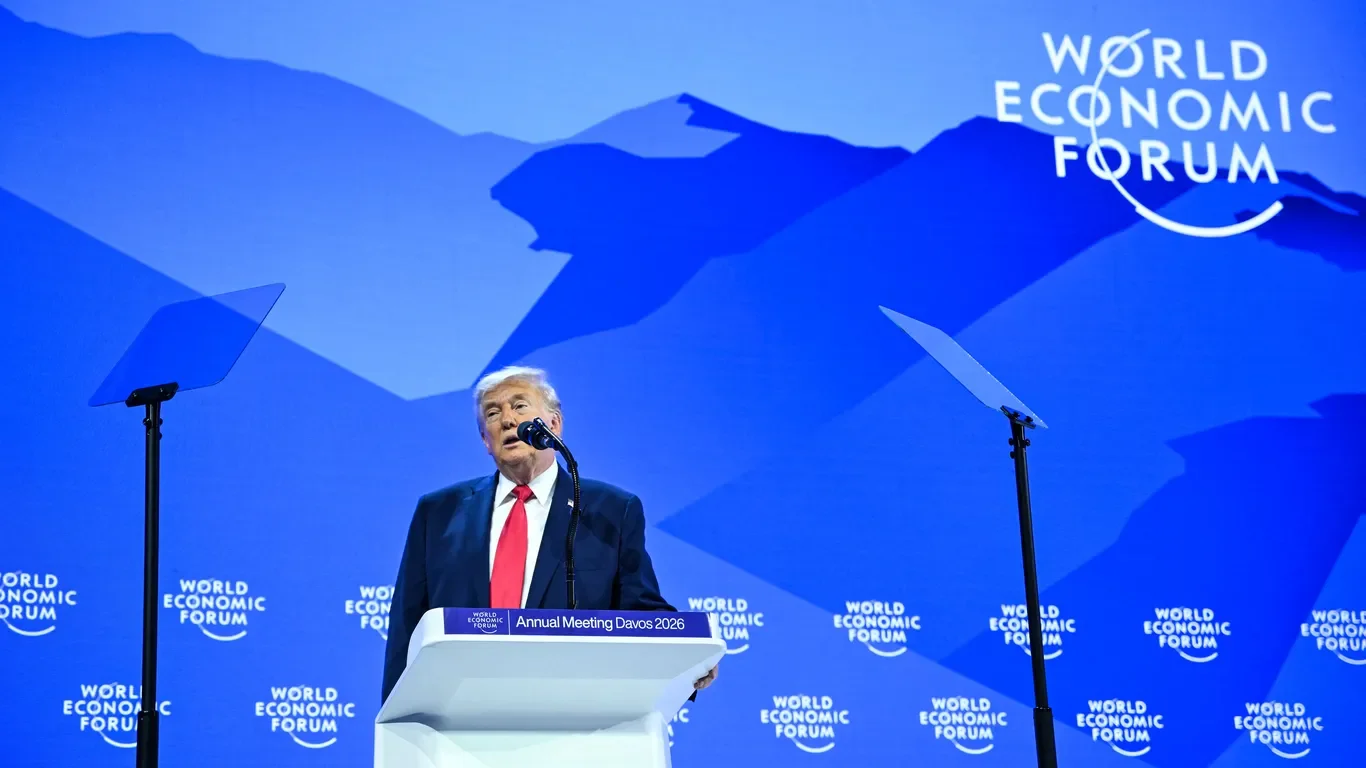
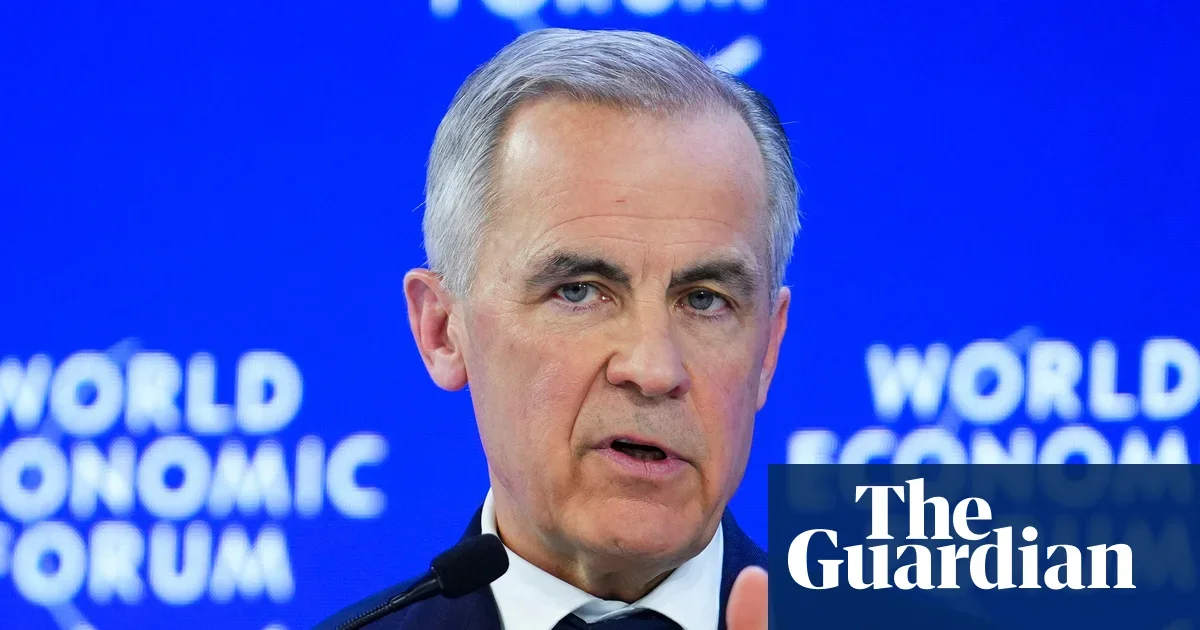
At Davos, Trump claimed Canada exists because of U.S. support and jabbed at Mark Carney, while Carney warned that the rules-based, multilateral world order is under strain; the exchange highlights tense U.S.–Canada relations amid tariff threats and Ottawa’s push to diversify trading partners.
At Davos, CanadianPrime Minister Mark Carney warns the US-led rules-based order is rupturing amid intensifying great-power rivalry. He urges middle powers to cooperate and adapt rather than retreat behind barriers, noting that those at the table matter more than those on the menu. The talk follows Trump’s Greenland gambit, which strains NATO and provokes European resistance, with Macron pledging a firm stance against aggression.
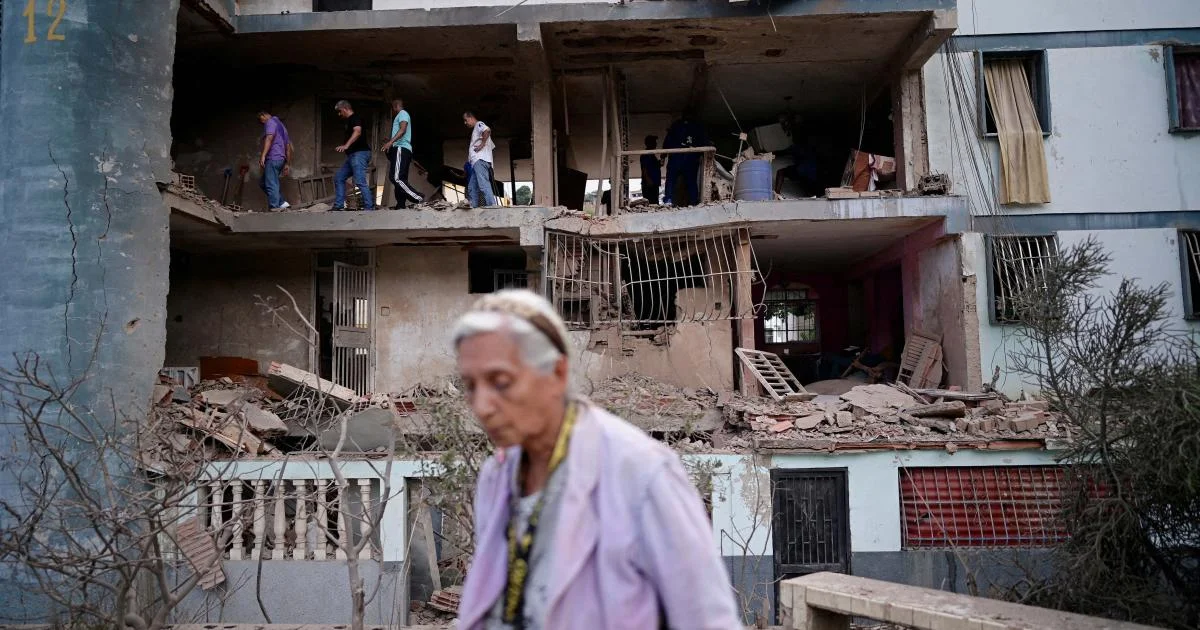
Oona A. Hathaway and Scott J. Shapiro warn that Trump’s presidency has attacked the postwar international legal order by undermining universal norms, sanctioning international courts, breaching trade and UN obligations, and endorsing unilateral force. They point to the Venezuela operation that kidnapped Maduro as a stark example of how legal constraints are being discarded. If this trend continues, the world risks a ruleless order where power—not law—defines rights, leading to greater instability and conflict.
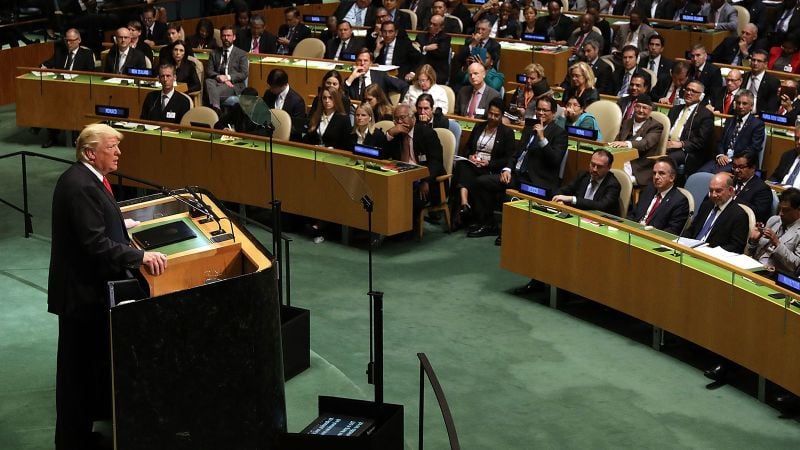
Seven years after being mocked at the UN, Donald Trump now receives flattery from world leaders as he influences global affairs, criticizing international institutions and emphasizing his own achievements in reshaping global conflicts and diplomacy.
The article reflects on the decline of the United States and the United Kingdom as the primary global leaders, highlighting their historical roles in maintaining a predictable international order through crises and wars.
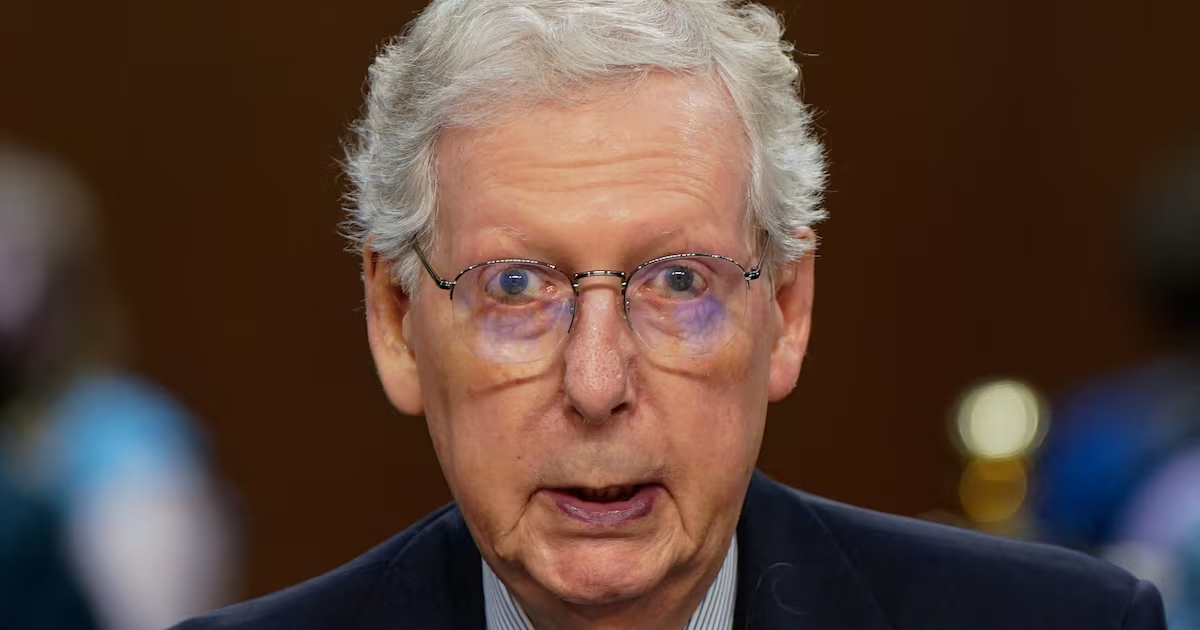
Senator Mitch McConnell warns that current global political tensions and economic policies, such as tariffs and international meetings of anti-Western nations, resemble the dangerous pre-World War II era, highlighting concerns over U.S. preparedness and unity.
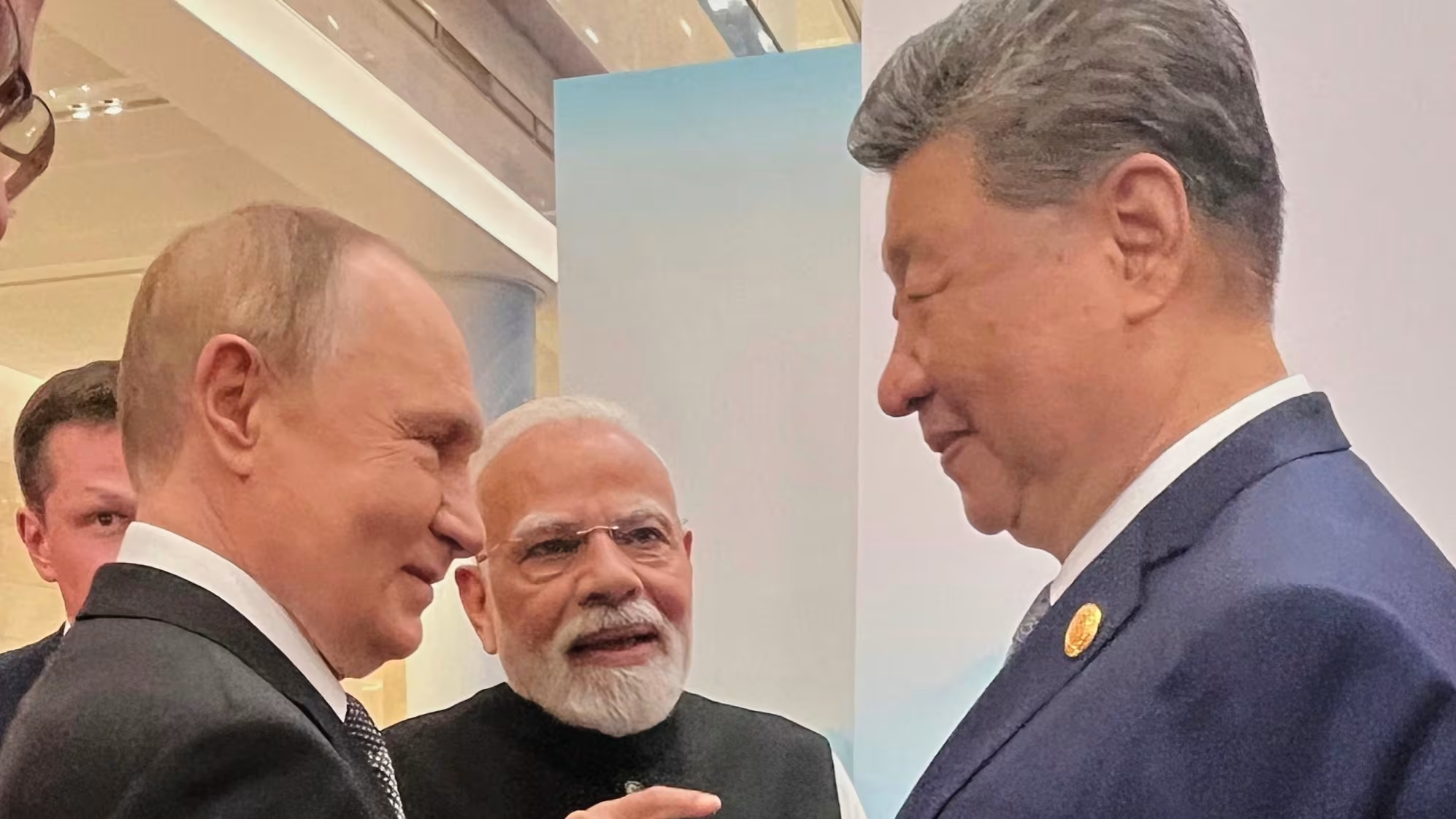
Xi Jinping has outlined China's ambitions to reshape the global order during a major summit, signaling a strategic move to influence international affairs.
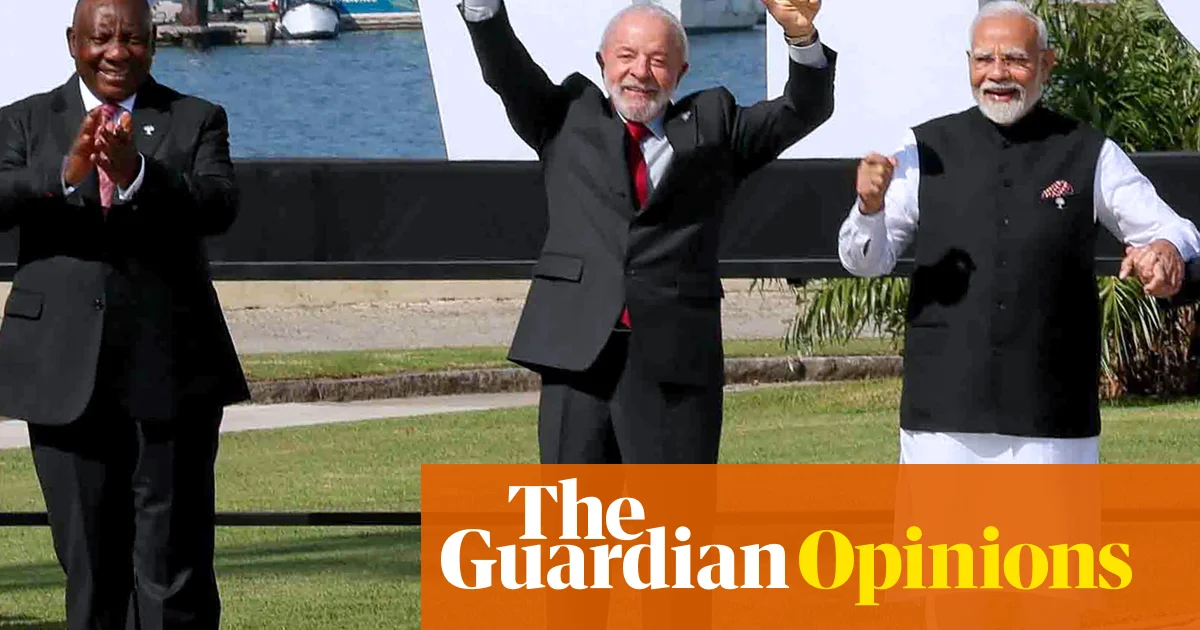
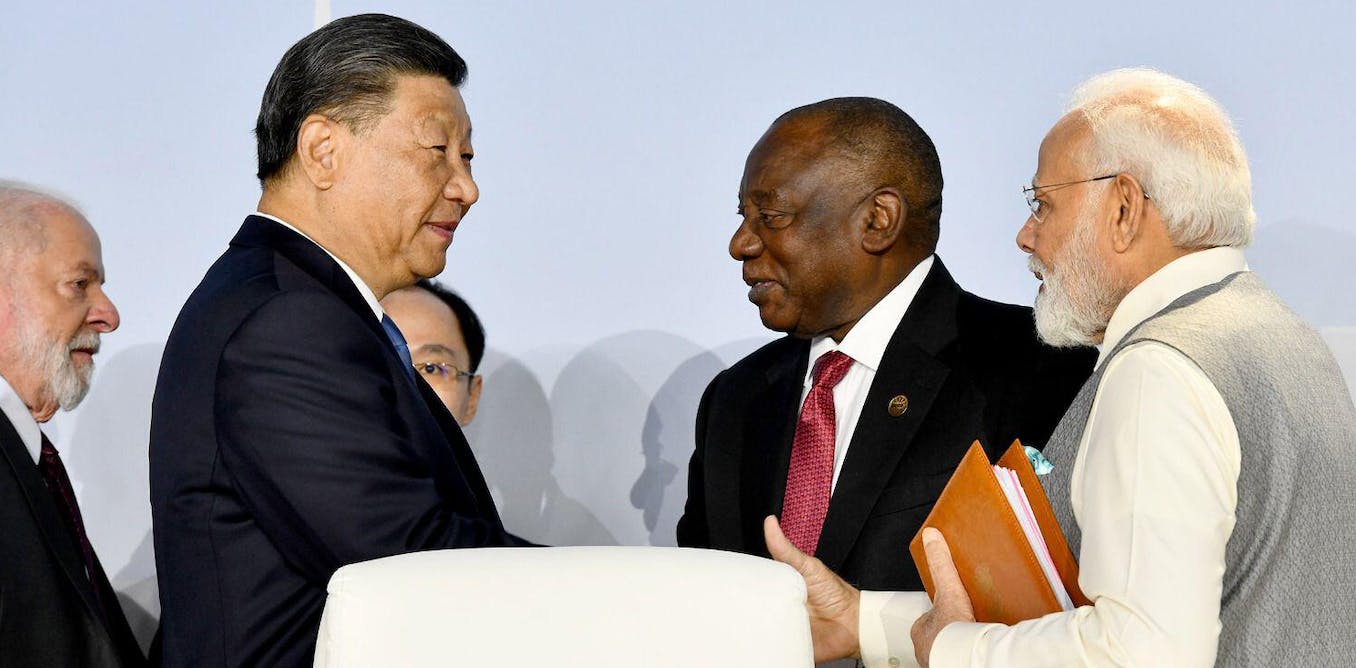
The Brics summit in Brazil aims to strengthen collective action among emerging economies to address global issues like climate change and geopolitical tensions, amidst internal divisions and challenges to multilateralism, with a focus on reforming global governance and supporting climate finance for the global south.
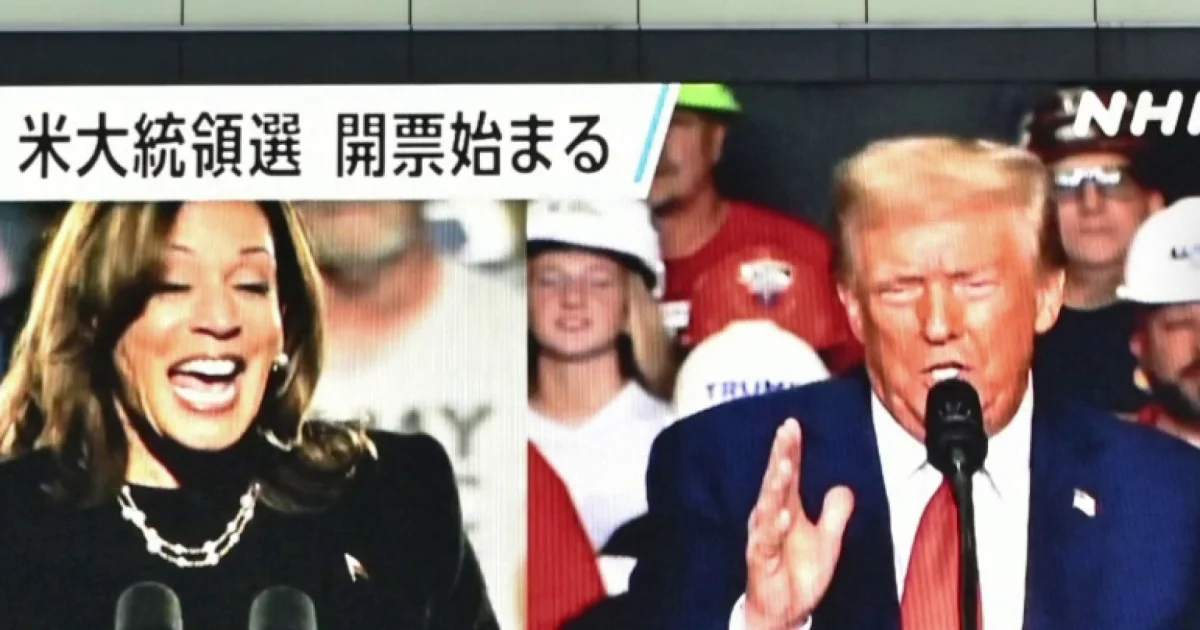
Top U.S. allies are expressing concern over the potential re-election of Donald Trump, fearing it could disrupt the current world order. Experts and political figures are discussing the implications of a second Trump term, with some highlighting the potential for increased global instability and shifts in international relations. The discourse reflects a broader anxiety about the future of democracy and America's role on the world stage.
US intelligence agencies warn of an increasingly fragile world order, citing challenges from an ambitious but anxious China, confrontational Russia, regional powers like Iran, and more capable non-state actors, which are all challenging longstanding rules of the international system and US primacy within it.
Russian President Vladimir Putin's announcement of seeking reelection for a fifth term in office during a ceremony conferring Hero of Russia medals to servicemen involved in the military operation against Ukraine highlights the significance of the Ukraine war in Putin's political life. Despite initial misjudgment, Putin's military decisions turned the tide of the war, and Russian forces continue to press ahead across the frontline. The Biden administration aims to prolong the conflict, but Russia remains determined to prioritize Ukraine. Putin's continuance in power is seen as crucial for Russia's re-emergence as a superpower, countering Western hegemony and fostering multipolarity. The world is witnessing a fundamental conflict between the old and new world, with an increasing number of countries pushing back against the West's globalist agenda. The Arab world is predicted to be the key arena for the struggle for a new world order in 2024.
The west often misunderstands China's foreign policy due to a lack of knowledge and misconceptions. Chinese foreign policy is not a grand scheme for world domination but rather a response to recent developments. China deals with democracies and dictatorships alike, taking a laissez-faire approach to its partners' internal politics. While China seeks to amend certain aspects of the world order, it does not aim to fully overturn it. China's historical experience, including its dominant past and "Century of Humiliation," shapes its foreign policy. The appeal of Chinese aid lies in its alternative approach to western aid packages. Understanding these factors is crucial in comprehending China's foreign policy.