
Tag

Yeast Cells

All articles tagged with #yeast cells

Advancements in Synthetic Biology: Creating a Fully Synthetic Yeast Genome
science-and-technology2 years ago

Advancements in Synthetic Biology: Creating a Fully Synthetic Yeast Genome

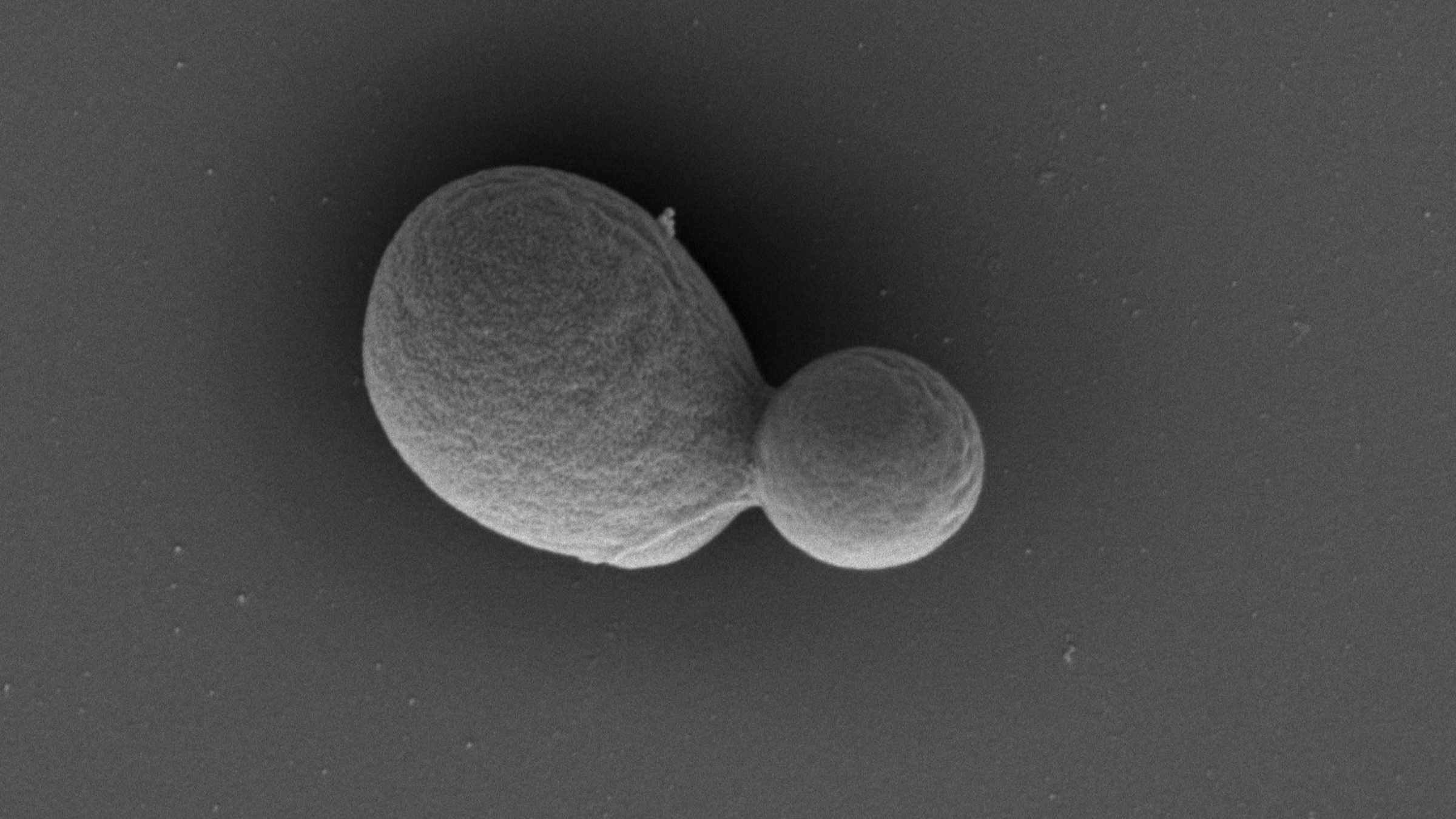
The Syn­thet­ic Yeast Genome Project, known as Sc2.0, is nearing completion in its effort to create yeast cells with a fully synthetic genome. Scientists are stitching together small pieces of DNA to create artificial chromosomes and remove unnecessary genetic material. The project aims to unravel the mysteries of genomes and potentially revolutionize the production of complex medicines. In their latest update, the consortium published 10 papers describing the creation of most of the remaining chromosomes, including a wholly new one that does not exist in nature.

Unlocking the Key to Aging Gracefully: The Power of Dietary Changes
health3 years ago

Unlocking the Key to Aging Gracefully: The Power of Dietary Changes

A study conducted in yeast cells challenges the belief that only caloric restriction can lead to healthier aging. Researchers at the Babraham Institute found that a dietary change from glucose to galactose, without caloric restriction, reduced signs of aging in yeast cells. The positive effects were most pronounced when dietary changes were implemented at a young age, highlighting the potential importance of early-life dietary choices. While the study was conducted in yeast cells, further research is needed to explore the real-world implications for humans.

"Chinese Researchers Uncover Potential 82% Increase in Lifespan"
science3 years ago

"Chinese Researchers Uncover Potential 82% Increase in Lifespan"

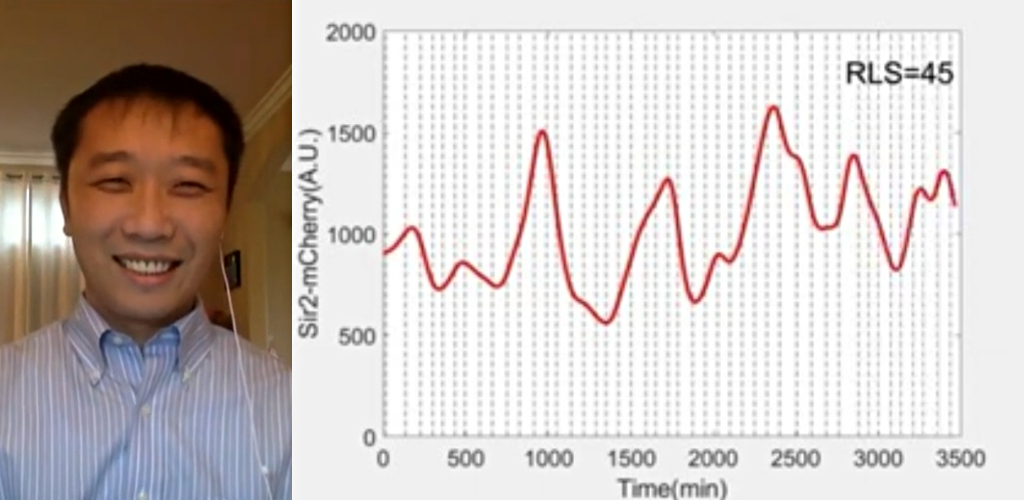
Researchers at UCSD have discovered a way to potentially slow down the aging process by up to 82% by genetically rewiring a circuit in yeast cells to allow them to continuously oscillate between two deteriorative processes instead of succumbing to either. The result is an increased cellular lifespan through a delay in the commitment to aging. The team believes the process can eventually be replicated to apply to humans through gene therapy, but major concerns on ethics and safety remain.