Tag

Disease Risk

All articles tagged with #disease risk

health1 month ago

Wearable Data Links Short Sleep to 37 Diseases, Highlights REM Benefits

A large observational study of nearly 100,000 adults found that sleeping fewer than five hours per night is associated with a higher risk of 37 diseases. Conversely, greater time spent in REM sleep was linked to significantly lower risks for conditions like dementia and Parkinson’s disease. The research suggests that a sleep duration of six to eight hours per night offers the lowest overall disease risk for middle-aged and older adults.


UK Biobank Study Links REM Sleep and 6-8 Hour Durations to Lower Risk of 83 Diseases
health2 months ago

UK Biobank Study Links REM Sleep and 6-8 Hour Durations to Lower Risk of 83 Diseases

A large-scale study of 95,559 UK Biobank participants found that higher REM sleep is associated with a reduced risk of 83 diseases, while 6-8 hours of nightly sleep offers the lowest overall disease risk. Deep sleep also lowered risks for seven conditions, including type 2 diabetes, whereas short sleep and irregular patterns increased risks for various disorders. The findings, published in PLOS Medicine, highlight the importance of sleep architecture, not just duration, for long-term health, though causality cannot be established.

Birth Order Linked to 150 Disease Risks in Massive Sibling Study
health3 months ago

Birth Order Linked to 150 Disease Risks in Massive Sibling Study

A large-scale study published in Nature Health found that birth order is associated with distinct disease risks for first- and second-born children. Analyzing over 10 million individuals, researchers identified 150 conditions with significant links to birth order, including neurodevelopmental issues for first-borns and digestive disorders for second-borns.

Study links birth order to 150 disease risks across 10 million siblings
health3 months ago

Study links birth order to 150 disease risks across 10 million siblings

A large-scale study published in Nature Health finds that birth order is associated with significantly different risks for 150 diseases. First-borns face higher odds of neurodevelopmental and allergic conditions, while second-borns show increased risks for substance abuse and gastrointestinal issues. The findings, based on over 10 million individuals, suggest that physiological, immunological, and social factors contribute to these differences, though the associations are not necessarily causal.

GLP-1 Weight Loss Linked to Lower Obesity-Related Disease Risk in Large Real-World Study
health5 months ago

GLP-1 Weight Loss Linked to Lower Obesity-Related Disease Risk in Large Real-World Study

A real-world study of 89,718 US patients starting GLP-1 or GLP-1/GIP drugs found that greater weight loss during the first year (BMI drop ≥15%) is tied to substantially lower risks of several obesity-related conditions—osteoarthritis (37%), CKD (30%), sleep apnea (69%), and heart failure (32%)—though the heart failure result wasn’t statistically robust. About half of participants stopped treatment within a year, and the findings imply that health benefits depend on achieving and maintaining weight loss, not just the drugs themselves.

Older Men's Sperm Have More Mutations, Potentially Harmful
science1 year ago

Older Men's Sperm Have More Mutations, Potentially Harmful

Research shows that as men age, their sperm accumulate more mutations, some of which are harmful and linked to developmental disorders and cancers, increasing the potential health risks for their children. The study highlights the role of 'selfish' mutations that outcompete others in the testes, with mutation rates rising from 2% in men in their 30s to about 4.5% in men over 70, though not all mutations are necessarily passed on or harmful. Further research is needed to understand the full impact on offspring health.

Las Vegas Faces Urgent Mosquito Crisis
health1 year ago

Las Vegas Faces Urgent Mosquito Crisis

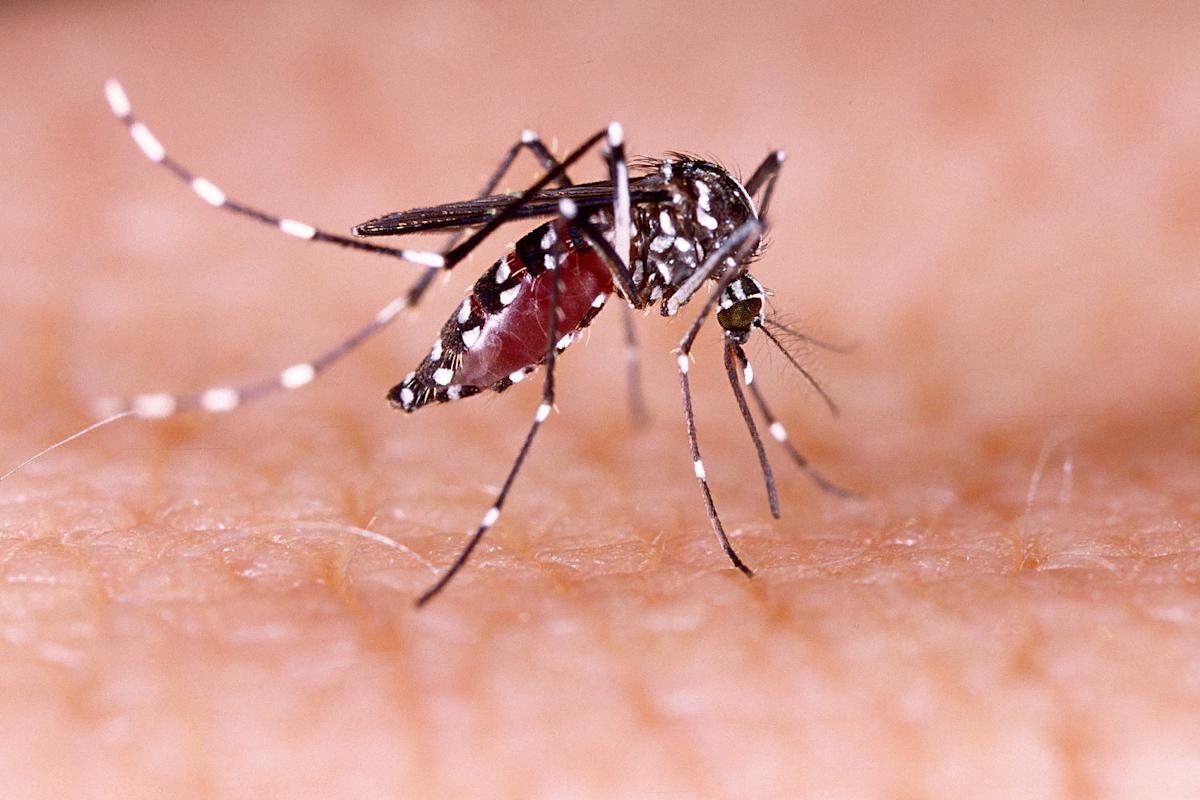
Las Vegas is experiencing an alarming increase in mosquito populations due to urban development, climate change, and insecticide resistance, raising concerns about the spread of mosquito-borne diseases like West Nile virus and dengue. The spread of aggressive Aedes aegypti mosquitoes, which breed in small water sources, is particularly concerning, and a lack of coordinated mosquito control efforts could exacerbate public health risks. Scientists warn that this situation is a warning sign of broader climate change impacts.

Las Vegas Faces Urgent Mosquito Crisis
health1 year ago

Las Vegas Faces Urgent Mosquito Crisis

Las Vegas is experiencing a surge in mosquito populations due to urban development, climate change, and insecticide resistance, raising concerns about the spread of mosquito-borne diseases like dengue and West Nile virus. The situation is a warning sign of how climate change can expand mosquito habitats in desert regions, emphasizing the need for coordinated mosquito control efforts to protect public health.

How Many Steps Do You Really Need for Better Health?
health1 year ago

How Many Steps Do You Really Need for Better Health?

Recent research suggests that aiming for around 7,000 steps per day is associated with significant health benefits, including reduced risks of mortality, cancer, diabetes, cardiovascular disease, depression, and dementia, with diminishing returns beyond that number. The study challenges the popular 10,000-step goal, emphasizing that even modest increases in steps can substantially improve health, especially for those who are less active.