Tag

Nad

All articles tagged with #nad

NAD+, NMN, and Resveratrol: Plausible Biology, Limited Human Evidence
science6 days ago

NAD+, NMN, and Resveratrol: Plausible Biology, Limited Human Evidence

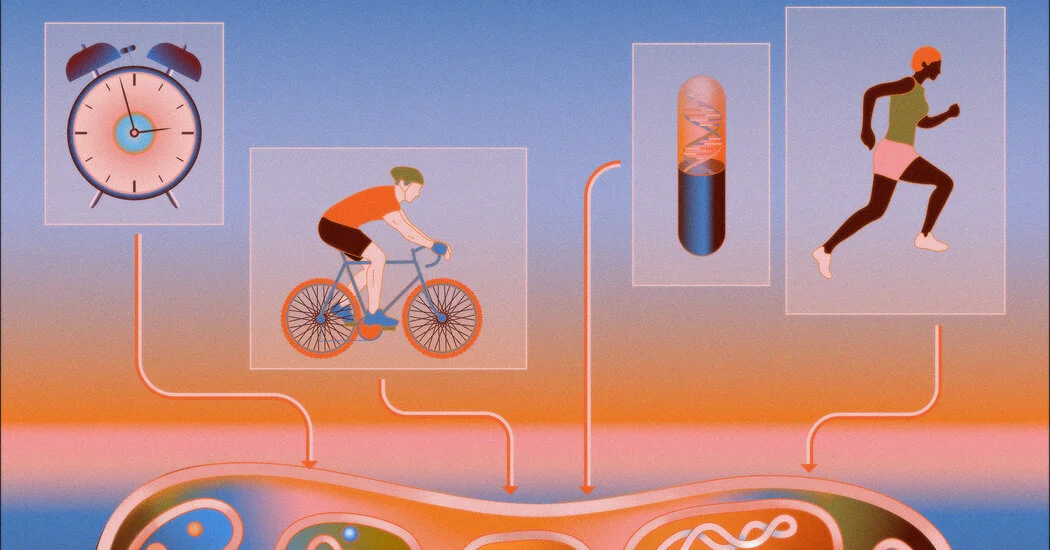
The article explains that NAD+, its precursors NMN and NR, and the polyphenol resveratrol touch aging biology, but human evidence for real anti-aging benefits is limited. NAD+ is vital for energy, DNA repair, and stress responses and declines with age; precursors can raise NAD+ levels in blood or tissues, yet clear, meaningful clinical effects are not established. Resveratrol shows lab promise but suffers from poor oral bioavailability and mixed human results. Overall, biology is plausible but marketing often implies youth, whereas proven anti-aging benefits from supplements are not yet demonstrated; recommended healthy-aging strategies remain regular exercise, good sleep, balanced diet, and managing health conditions. (Republished from The Conversation.)

NMN, NAD+, and Resveratrol: What the science actually says about slowing ageing
science6 days ago

NMN, NAD+, and Resveratrol: What the science actually says about slowing ageing

Current evidence suggests NMN/NR can raise NAD+ markers in blood and may aid metabolic health in some small studies, but there's no convincing proof they slow ageing or preserve muscle or cognition in older adults; resveratrol has shown effects in lab studies but poor bioavailability and mixed human results limit its anti-ageing claims. The biology is plausible, but real long-term benefits are unproven, and the best proven ways to support healthy ageing are regular exercise, good sleep, a balanced diet, and managing chronic conditions.

NAD+-Driven Therapy Reverses Alzheimer’s Memory Loss in Mouse Models
science2 months ago

NAD+-Driven Therapy Reverses Alzheimer’s Memory Loss in Mouse Models

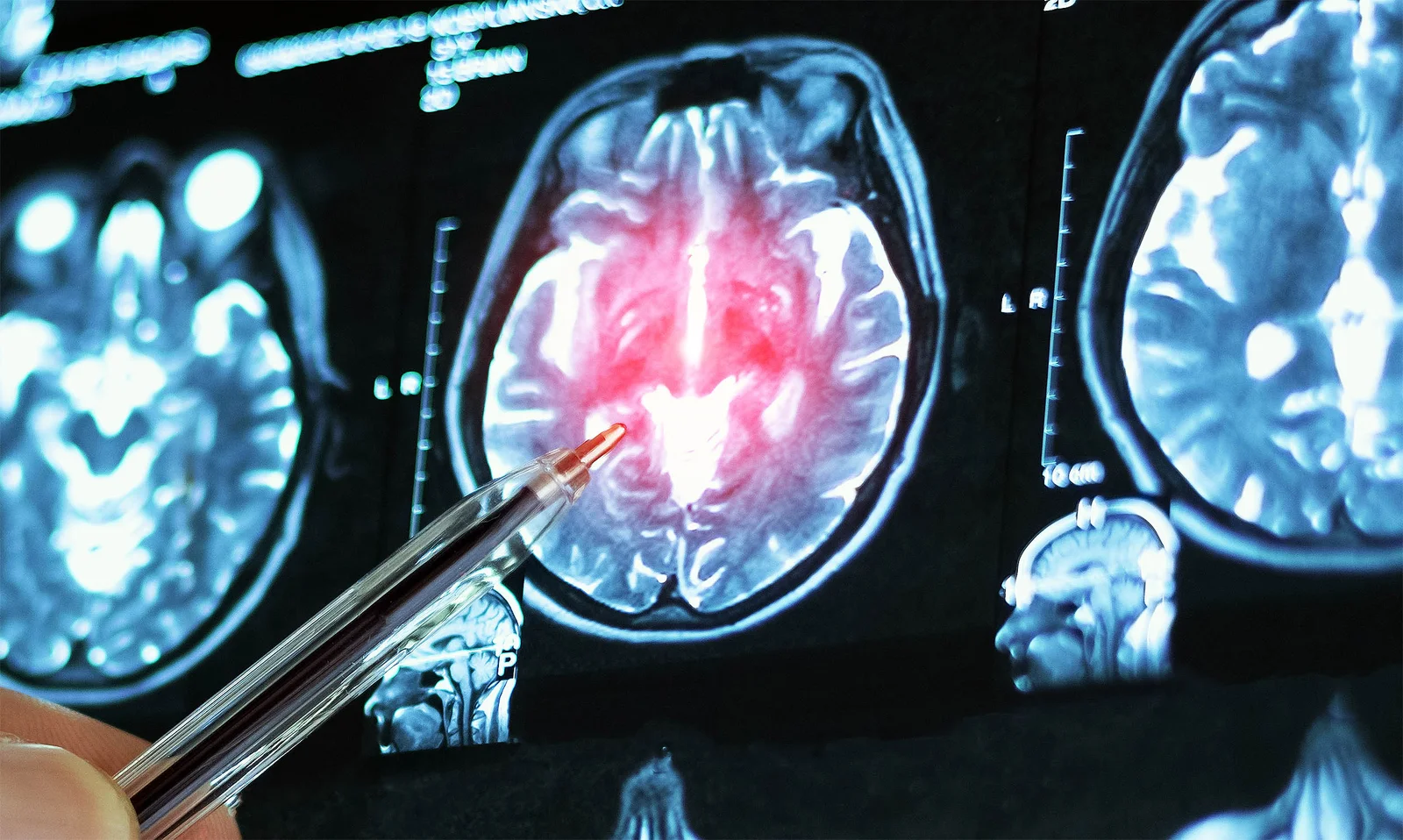
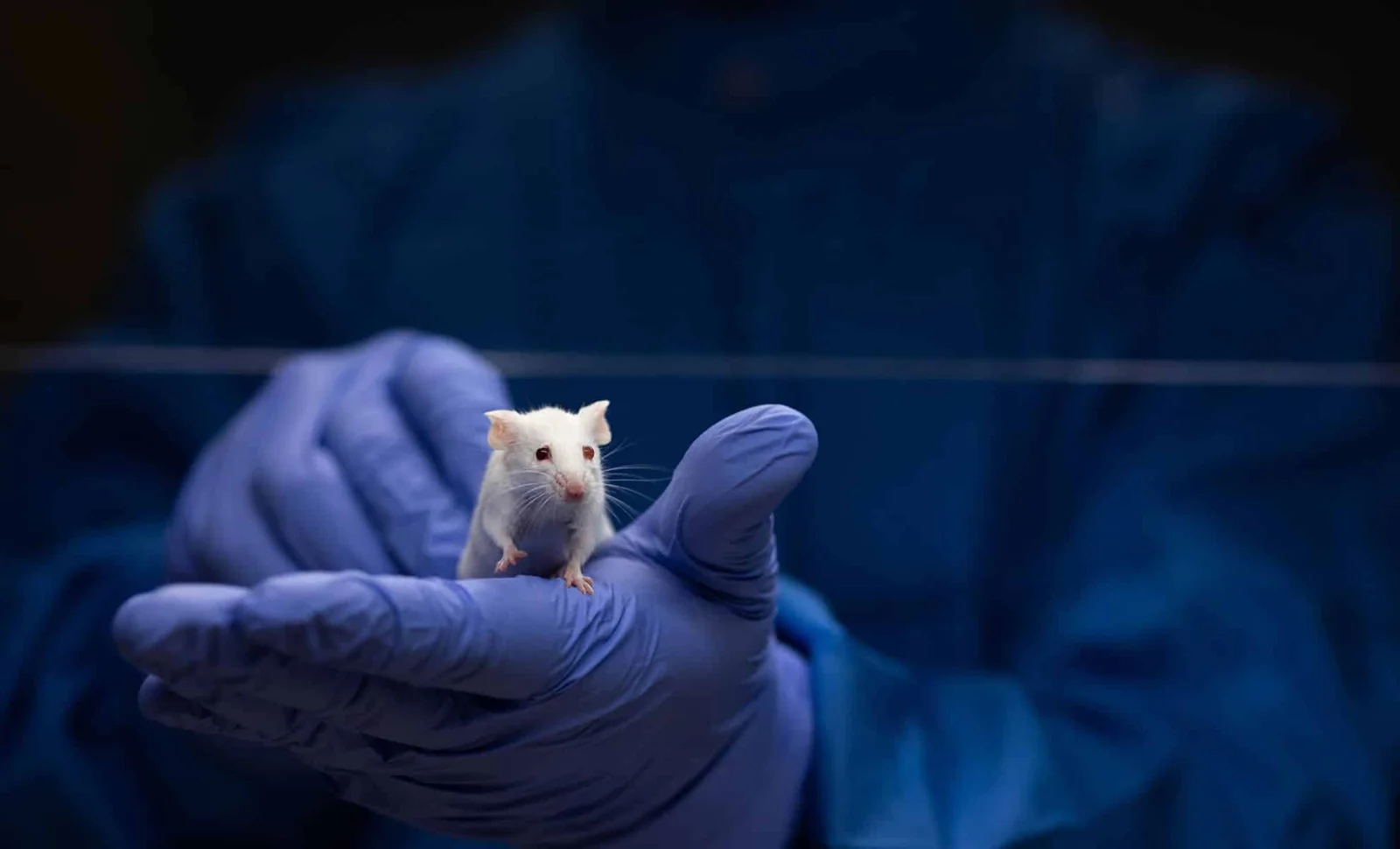
Scientists reversed Alzheimer’s-related memory loss in two mouse models by restoring the brain’s energy balance with an experimental drug (P7C3-A20) that supports NAD+. Treated mice regrew cognitive function, showed fewer markers of brain damage, and had a repaired blood-brain barrier; human brain tissue data similarly linked NAD+ imbalance to disease. Researchers plan carefully designed human trials using blood-based biomarkers to monitor brain changes, while cautioning against DIY NAD+ boosting.

The Vitamin IV Boom: High Hopes, Low Evidence, Real Risks
health2 months ago

The Vitamin IV Boom: High Hopes, Low Evidence, Real Risks

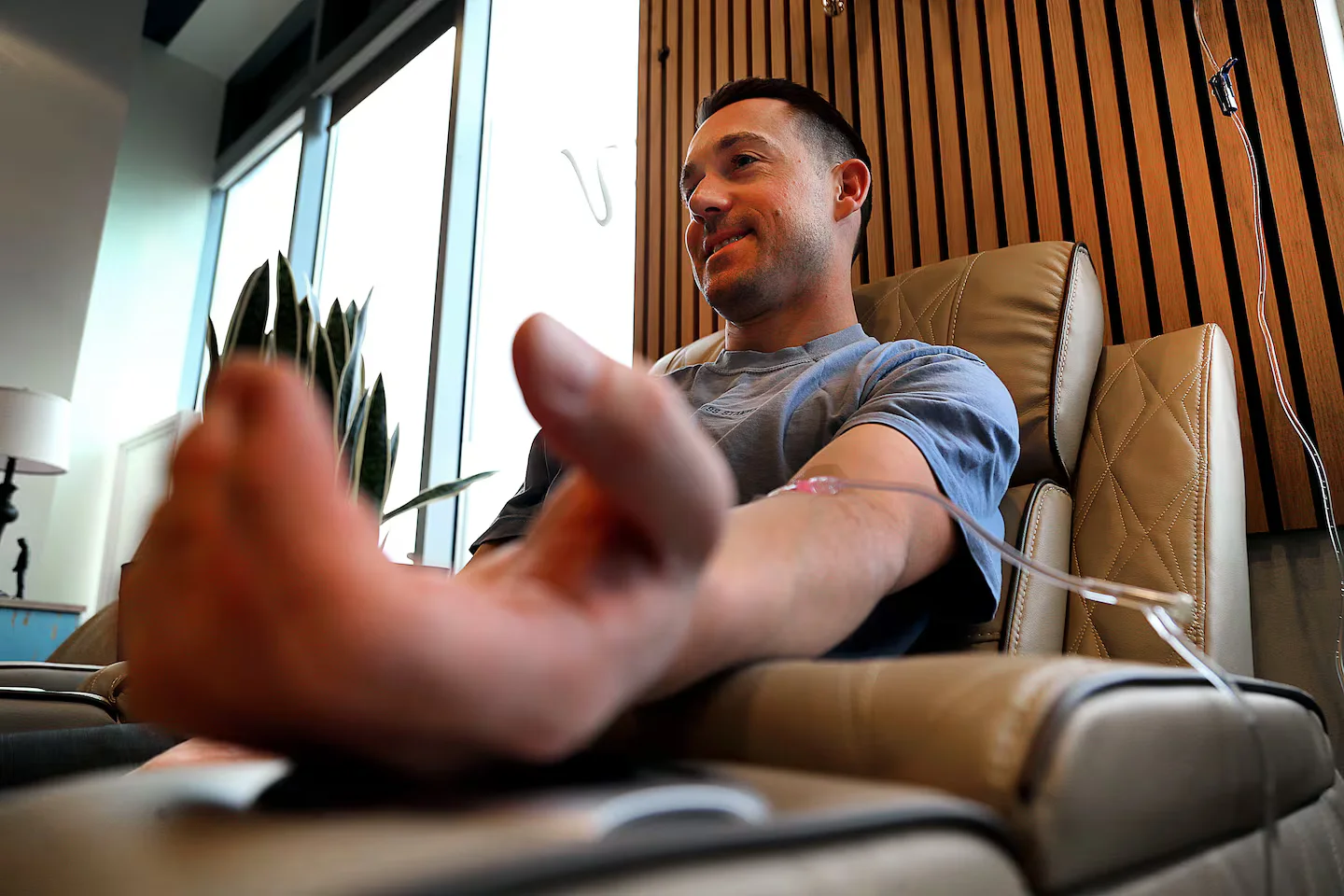
Massachusetts medspas are riding a boom in vitamin IV infusions marketed for immunity and performance, with prices often between $200 and $600. IV drips deliver nutrients directly into the bloodstream, but evidence of benefit for healthy adults is limited and regulatory oversight is inconsistent. Medical experts warn of risks like infections, electrolyte imbalances, and fluid overload, advising that IV therapy should not replace vaccines or healthy habits.

NAD Supplements and Aging: Promising biology, limited human proof
supplements-nutrition-diet-seniors-aging3 months ago

NAD Supplements and Aging: Promising biology, limited human proof

Nicotinamide adenine dinucleotide (NAD+) is a cellular coenzyme essential for energy production and DNA repair; NAD+ levels decline with age, prompting interest in supplements like nicotinamide riboside (NR) and NMN, and even IV NAD+. While some studies show NAD+ precursors can raise NAD+ in humans and IV NAD+ is used in certain contexts, there is no definitive evidence that NAD+ supplementation slows aging or extends lifespan. Experts say NAD+ boosting may support mitochondrial health within a broader longevity strategy, but it is not a standalone anti-aging miracle.

Mitochondria: Can These Cellular Powerhouses Extend Your Lifespan?
health3 months ago

Mitochondria: Can These Cellular Powerhouses Extend Your Lifespan?

The article highlights mitochondria as central to cellular energy and aging, notes the debate over whether mitochondrial decline drives aging or is a consequence, and suggests that regular exercise, a balanced diet, adequate sleep, and key micronutrients support mitochondrial health, while many flashy interventions (like NAD+ boosters and antioxidant supplements) have not shown consistent human benefits.

Boosting NAD+ Rewires RNA Splicing to Undo Alzheimer's Brain Damage
neuroscience3 months ago

Boosting NAD+ Rewires RNA Splicing to Undo Alzheimer's Brain Damage

An international study shows boosting NAD+ levels can protect and reverse Alzheimer's-related brain damage by activating an EVA1C-regulated RNA-splicing pathway, correcting mis-splicing, improving hundreds of genes tied to brain health, and restoring memory in worm and mouse models with supporting human brain data—hinting at a new therapeutic approach beyond targeting plaques or tangles.

Mice Reversal of Advanced Alzheimer's Sparks Hope for Humans
health4 months ago

Mice Reversal of Advanced Alzheimer's Sparks Hope for Humans

A study from University Hospitals, Case Western Reserve University, and the Cleveland VA reversed advanced Alzheimer's in mice by stabilizing brain NAD+ energy balance with the compound P7C3-A20, achieving full cognitive recovery and suggesting a potential amyloid-independent therapy for humans. While promising, results in animals don’t guarantee human success; the team aims for phase I safety trials within about 18 months and envisions broader use for neurodegeneration, alongside lifestyle measures and caregiver support.

health4 months ago

NAD+ Boost Could Rewind Alzheimer’s Signs in Mice, Early Study Says

A Cell Reports Medicine study in two Alzheimer’s mouse models shows that restoring NAD+ balance can reverse key disease features and restore memory, with human brain tissue from severe cases showing similar NAD+ disruptions. While not a human trial and NAD+-targeted therapies aren’t approved, the findings suggest Alzheimer’s progression may stem from reversible cellular energy/repair failures and highlight NAD+ as a promising upstream target and lifestyle factor to support brain resilience.

New Advances Offer Hope for Reversing Alzheimer's Effects
health4 months ago

New Advances Offer Hope for Reversing Alzheimer's Effects

A recent study in mice suggests that restoring NAD+ levels with the compound P7C3-A20 can reverse brain damage and cognitive decline associated with advanced Alzheimer's disease, challenging the notion that the disease is irreversible. The findings highlight the potential for treatments targeting brain energy balance to repair damage and improve function, though further research in humans is needed.