nutrition17.705 min read
HoloTC response forecasts success of oral vitamin B12 replenishment in a rural Indian cohort
17 days ago•Source: Nature

The latest nutrition stories, each synthesized from multiple sources with added background and context.

Weight loss isn’t about starving yourself. Dietitians recommend adding nutrient-dense foods to your plate to increase fullness and sustainability: prioritize protein from plant sources (beans, tofu, tempeh) with about 1.0–1.4 g of protein per kg of body weight daily during weight loss; boost fiber with beans, lentils, whole grains and fruits; fill meals with high-volume, low-calorie vegetables to add bulk and nutrients; include healthy unsaturated fats from nuts, seeds and avocado in moderation. Combined with strength training, this approach helps preserve lean mass, stabilize blood sugar, and reduce deprivation, making weight loss more achievable long-term.

The Guardian•1 month ago
USA Today•1 month ago

A dietitian ate sweet cherries daily for a week and found it an easy, satisfying snack that adds fiber, potassium, vitamin C and anthocyanins. No dramatic health changes occurred in that short window, but benefits like better satiety and potential gut health support were noted. Frozen cherries offer a convenient alternative with similar nutrition. Overall, a tasty, low‑risk habit to enjoy during peak cherry season.
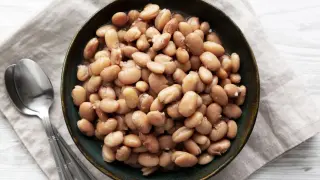
Nutrition is similar for canned and dried beans, but canned varieties often contain more sodium; rinsing low-sodium canned beans or opting for dried beans (soaked to ease cooking) are practical workarounds. Soybeans stand out for a complete amino acid profile and high iron, and can play a key role in a varied diet, including approaches aimed at lowering LDL cholesterol.
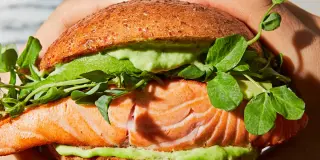
Experts say there’s no single ‘best’ diet for men; a good diet should be accessible, diverse, protein-rich, plant-forward, high in fiber and omega fats, and sustainable. They highlight six approaches: a flexitarian plant-based plan for performance; a balance diet high in protein for muscle growth and recovery; an eating-around-the-world regimen to fill nutrient gaps; a Mediterranean-style plan centered on fish, beans, olive oil, and whole grains; intermittent fasting to curb overeating; and Volumetrics, which lowers calories by increasing food volume with soups, salads, and other high-volume, low-calorie options.
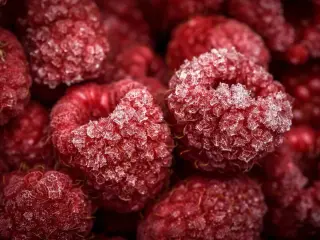
Frozen and canned vegetables are typically cheaper and longer-lasting than fresh, and they can count toward daily fruit and vegetable servings. Guidelines (including Australia’s) allow frozen and canned options as part of your intake, with ½ cup of frozen broccoli or canned beans equaling one vegetable serving and 1 cup of canned peaches or diced frozen mango equaling a fruit serving. While some nutrient loss can occur during processing, these options generally provide similar fiber and vitamins; opt for low-salt and low-sugar varieties to maximize health benefits.

Some bananas stay green because they’re harvested immature or exposed to cold storage, which can disrupt the normal ripening process. Green bananas have more resistant starch, which digests slower and can be gentler on blood sugar, while ripe bananas taste sweeter as starch converts to sugars. Optimal storage is about 56–59°F to minimize ripening disruption. Both green and ripe bananas provide nutrients like potassium and vitamin B6, so the best choice depends on individual health goals and tastes.

Nutrition experts say a large egg’s ~6g of protein can be surpassed by a wide range of foods, with the top options per 3‑ounce serving including canned tuna (20–22g), salmon (20g), firm tofu (20g), shrimp (18–20g), and lentils (18g); other solid options are edamame, Greek yogurt, cottage cheese, dairy milk, quinoa, and pumpkin seeds. The article notes tuna’s mercury caution and highlights the benefits of diverse protein sources to cover all essential amino acids and other nutrients, alongside the 1.2–1.6 g/kg body weight daily protein guideline.
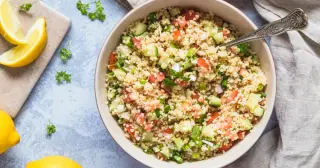
Dietitians emphasize fiber’s pivotal role in digestion, heart health, and longevity, noting that most Americans fall short of daily fiber. The best way to raise intake is through fiber-rich foods, especially whole grains, which provide soluble and insoluble fiber that supports gut bacteria, improves digestion, lowers LDL cholesterol, and aids satiety. Top high-fiber grains include bulgur (about 8 g per cooked cup), barley (roughly 6 g per serving), oats (about 4 g per 1/2 cup dry), and buckwheat (about 4.5 g per serving); other options include spelt, millet, teff, amaranth, quinoa, and popcorn. The Dietary Guidelines advise 2–4 servings of whole grains daily and 25–38 g of fiber per day.

A dietitian recommends skipping probiotic supplements for most people and instead incorporating six probiotic-rich foods—sauerkraut, kefir, miso, kimchi, tempeh, and yogurt—into your diet, with guidance on portioning and choosing fermented over vinegared options to support gut health.
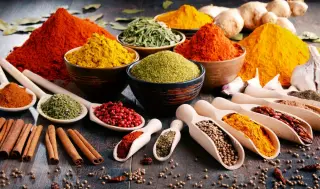
A UCLA-led Nutrition Reviews analysis suggests common kitchen spices may influence glucose regulation, inflammation, brain function, and the gut microbiome. Cinnamon may reduce postprandial insulin and glucose and shift gut bacteria; capsaicin from peppers and nonpungent DCT may boost thermogenesis; turmeric’s curcumin potentially improves memory and cholesterol and works with black pepper; spice mixes rich in polyphenols support beneficial gut microbes and lower oxidative stress. However, real-world dosing, cooking methods, and bioavailability vary, and more robust human trials are needed.
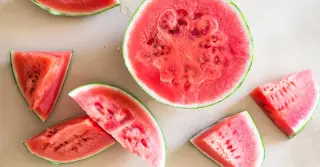
Healthline reports that eating more watermelon may support heart health by increasing intake of nutrients like fiber, potassium, vitamin C, and lycopene, while its amino acid L-citrulline may help lower blood pressure and improve blood flow; its high water content also aids hydration, making watermelon a heart-healthy addition within a balanced diet.