
Tropical Ocean Warming Triggered Record 695 Billion-Ton Ice Gain in East Antarctica
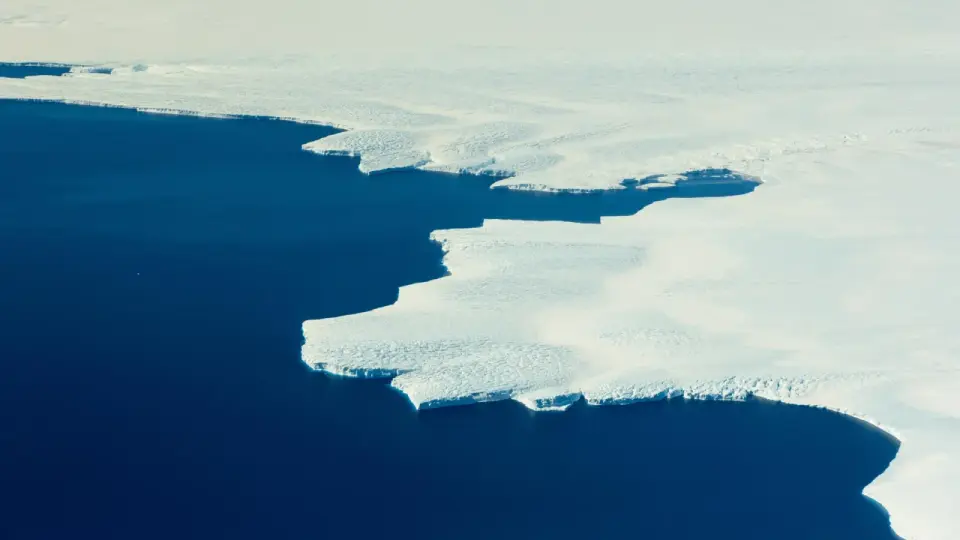
A study in Nature reveals that sustained warming in the tropical warm pool from 2021 to 2023 caused a record 695 billion-ton ice gain in East Antarctica. This temporary surge, driven by atmospheric Rossby waves and increased snowfall, contrasts with the continent's long-term loss of 140.5 billion tons annually. While significant, this event does not reverse the overall decline of the Antarctic Ice Sheet, which remains vulnerable to melting in West Antarctica and parts of East Antarctica.
Key points
- Antarctica gained a record 695 billion tons of ice between 2021 and 2023, the largest mass increase observed by GRACE satellites.
- The gain was driven by sustained warming in the tropical warm pool, which triggered Rossby wave trains affecting atmospheric circulation.
- These changes created a north-south dipole that directed moisture from the Indian Ocean to East Antarctica via atmospheric rivers.
- Heavy snowfall in the Queen Mary Land-Wilkes Land region temporarily slowed the ice sheet's mass loss.
- Anthropogenic forcing accounted for only 9% of the snowfall anomaly, indicating natural variability was the primary driver.
- The event is temporary; Antarctica continues to lose ice at an average rate of 140.5 billion tons per year over the past two decades.
Background
Previous coverage noted that East Antarctica's ice sheet formed 34 million years ago due to mantle uplift and cooling, while recent ice core data extends atmospheric records to 1.2 million years. The current finding adds a new dimension to understanding Antarctic mass balance, highlighting how tropical ocean conditions can influence polar ice accumulation over multi-year periods, distinct from the long-term trends of ice loss driven by warming.
Why it matters
Understanding the mechanisms behind temporary ice gains helps refine sea-level rise predictions. While the 695 billion-ton increase is significant, it does not offset the long-term loss of 140.5 billion tons per year. Recognizing the role of tropical warm pool warming as a 'regulator' of Antarctic snowfall improves climate models by linking distant oceanic changes to polar ice mass, crucial for assessing future sea-level uncertainties.
What to watch
Researchers will continue monitoring the tropical warm pool for similar warming events, which occur roughly once a decade. Future studies will focus on how these teleconnections influence East Antarctic ice mass over longer periods and whether anthropogenic warming might alter the frequency or intensity of these natural cycles. Continued observation of West Antarctic ice loss and East Antarctic glacier vulnerability will remain critical for global sea-level projections.
Want the full story? Read the original reporting
Read on Science Daily