
Andean Orchids Face Extinction as Trade Records Reveal Wild Collection Risks
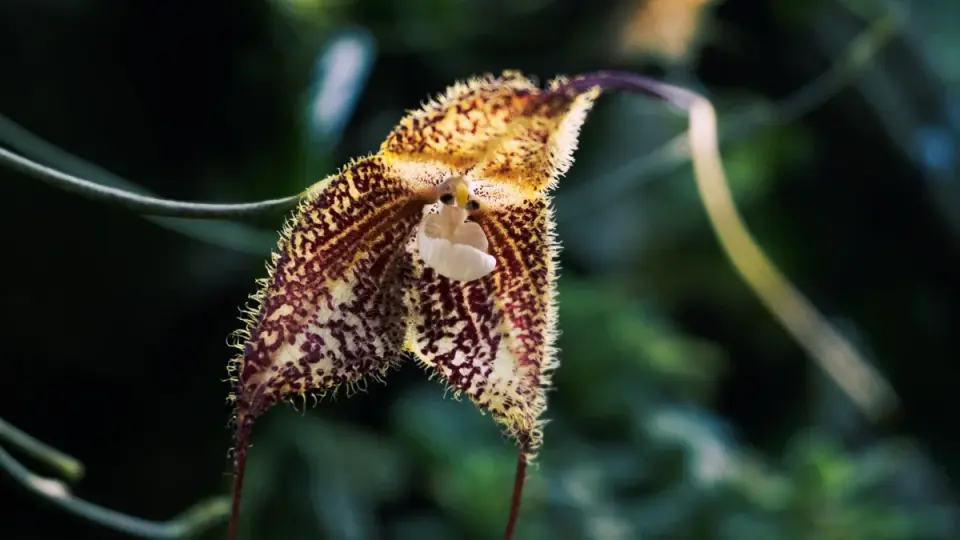
A new study reveals that 91% of Dracula orchid species have entered international trade, with 70% facing extinction. Despite being listed as artificially propagated, researchers suspect wild-sourced plants are being misclassified, prompting calls for stricter CITES protections.
Key points
- A study in Biological Conservation found that 121 of 133 Dracula orchid species have been legally traded internationally since 1981, involving over 112,000 plants across 25 exporting and 52 importing countries.
- Nearly 70% of the genus is threatened with extinction, with 69% known from fewer than six locations globally, some existing in single valleys.
- All traded plants were officially logged as artificially propagated, but researchers doubt this accuracy, noting that 89% of species were first described from nursery plants rather than wild populations.
- The median time between a species' scientific description and its entry into commercial trade was eight years, dropping to five years for species described after 1981; one species was exported a year before it was even named.
- Researchers are urging the upgrade of Dracula orchids from CITES Appendix II to Appendix I to prohibit commercial international trade and prevent further loss of biodiversity.
Background
Dracula orchids, native to the cloud forests of the Andes in Colombia and Ecuador, have been popular among collectors since the 19th century due to their distinctive, gothic appearance. While many enthusiasts trade cultivated plants responsibly, the high demand for wild specimens has historically threatened populations that often number only a few dozen individuals.
Why it matters
The disconnect between viral online popularity and scientific understanding creates a conservation crisis. Misclassification of wild plants as cultivated in trade records obscures the true impact of harvesting, potentially allowing unsustainable collection to continue under the guise of regulated, artificial propagation.
What to watch
If the genus is upgraded to CITES Appendix I, international commercial trade will be prohibited, forcing a delay between species discovery and market entry. This measure aims to protect the remaining wild populations, particularly the three species that have never been successfully cultivated or seen since their initial description.
Want the full story? Read the original reporting
Read on ScienceAlert