
Full Moon Obscures July Meteor Peak, but Perseids Offer Brighter August Alternative
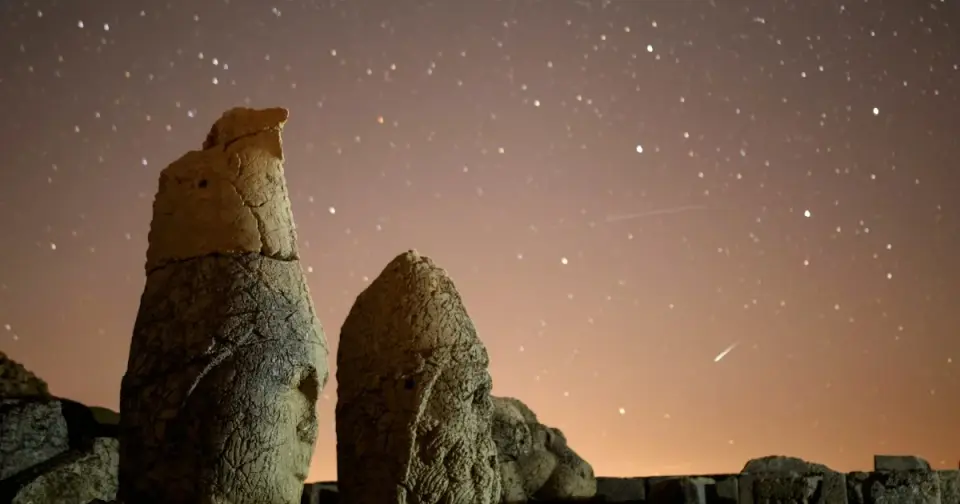
Two meteor showers, the Alpha Capricornids and Southern Delta Aquariids, peak Thursday night into Friday, but a full moon will hinder visibility for most observers. The Perseids, peaking August 12-13, offer a superior viewing experience with up to 75 meteors per hour under dark skies. Experts advise high vantage points and facing north to mitigate moonlight, while noting that Southern Hemisphere viewers may have a better view of the current peak.
Key points
- Alpha Capricornids and Southern Delta Aquariids peak Thursday night into Friday, but a full moon will wash out fainter meteors for most sky-gazers.
- The Perseids, peaking August 12-13, are expected to produce 50-75 meteors per hour under dark skies, offering a much better viewing experience.
- Southern Hemisphere observers may have a better view of the current peak, as the radiant is higher overhead compared to the Northern Hemisphere.
- Experts advise viewing from a high elevation and facing north with the moon at your back to minimize the impact of moonlight on night vision.
- The Alpha Capricornids produce brighter, slower meteors, while the Southern Delta Aquariids produce faster, more numerous meteors.
Background
This follows earlier coverage of a July meteor double feature, where the Southern Delta Aquariids and Alpha Capricornids peaked in succession at the end of July. The Perseids, peaking August 12-13, are also expected to coincide with a total solar eclipse, creating a rare double-header sky show.
How outlets are covering it
Scripps News emphasizes the difficulty of viewing the current peak due to the full moon, while 604 Now highlights the Perseids as a more impressive alternative, noting their potential for 50-75 meteors per hour under dark skies. Both sources agree that the full moon will hinder visibility, but 604 Now provides more specific viewing locations in Metro Vancouver, while Scripps News focuses on general viewing tips.
Why it matters
Understanding meteor showers helps experts determine particles in space and ensures the safety of human spaceflight. Observing these events can reveal key insights into space and help better ensure the safety of spacecraft and crews.
What to watch
The Perseids will peak August 12-13, offering a much better viewing experience under dark skies. Other upcoming meteor showers include the Orionids (October 21-22), Southern Taurids (November 4-5), Northern Taurids (November 11-12), Leonids (November 16-17), Geminids (December 13-14), and Ursids (December 21-22).
Want the full story? Read the original reporting
Read on Scripps News