Tag

Southern Delta Aquariids

All articles tagged with #southern delta aquariids

Twin Meteor Showers Peak This Week, Moonlight Dampens the Display
science26 days ago

Twin Meteor Showers Peak This Week, Moonlight Dampens the Display

Alpha Capricornids and Southern Delta Aquariids peak Thursday night into Friday, but a July full moon will wash out many fainter meteors; visibility will be tough for most skywatchers, though those in the Southern Hemisphere may have a better view. For best results, seek high ground, face north with the Moon behind you to minimize glare, and look for brighter meteors from these showers. The Perseids are active too this week, though they won’t peak until mid-August.
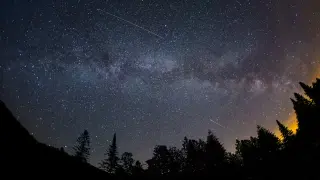
Double meteor shower peak this week: how to see it despite the full moon
science1 month ago

Double meteor shower peak this week: how to see it despite the full moon

A double meteor shower peak arrives Thursday night into Friday as Alpha Capricornids and Southern Delta Aquariids reach their densest points, but the July full Moon will wash out many faint meteors; the Perseids are also active and will peak in mid‑August. Viewing is tougher in the Northern Hemisphere, while the Southern Hemisphere may have a better view. For best results, find a high vantage point, face north with the Moon behind you, and expect only a handful of meteors per hour (roughly 2–3/hr NH and about 3/hr SH).

Twin Meteor Showers Light Up the Sky Tonight: How to Catch Alpha Capricornids and Southern Delta Aquariids
space-and-astronomy1 month ago

Twin Meteor Showers Light Up the Sky Tonight: How to Catch Alpha Capricornids and Southern Delta Aquariids

Two meteor showers—the Alpha Capricornids and Southern Delta Aquariids—are expected to peak tonight into the early morning hours, with the Delta Aquariids producing about 25 meteors per hour and the Alpha Capricornids around 5. A full Moon may wash out fainter meteors, but bright fireballs could still be visible. No special gear is needed; view from dark, low-light skies away from cities and preferably after midnight. The Delta Aquariids run through Aug. 23 and the Alpha Capricornids through Aug. 15, according to AMS/NASA.

July's twin meteor showers peak under a bright Buck Moon
science1 month ago

July's twin meteor showers peak under a bright Buck Moon

A double meteor shower peak—Alpha Capricornids and Southern Delta Aquariids—will occur Thursday night into Friday, but the July Buck Moon will hinder visibility for fainter meteors; observers in the Southern Hemisphere may have the best view, with tips like finding high ground and facing north with the Moon behind you. The Perseids will peak later in August.

science1 month ago

Moon May Dim Delta Aquariids as Singapore Sees Meteor Peak

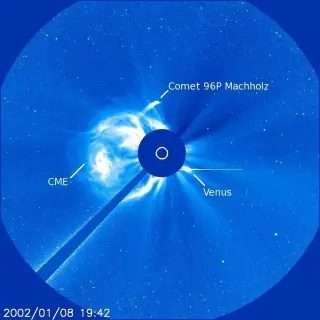
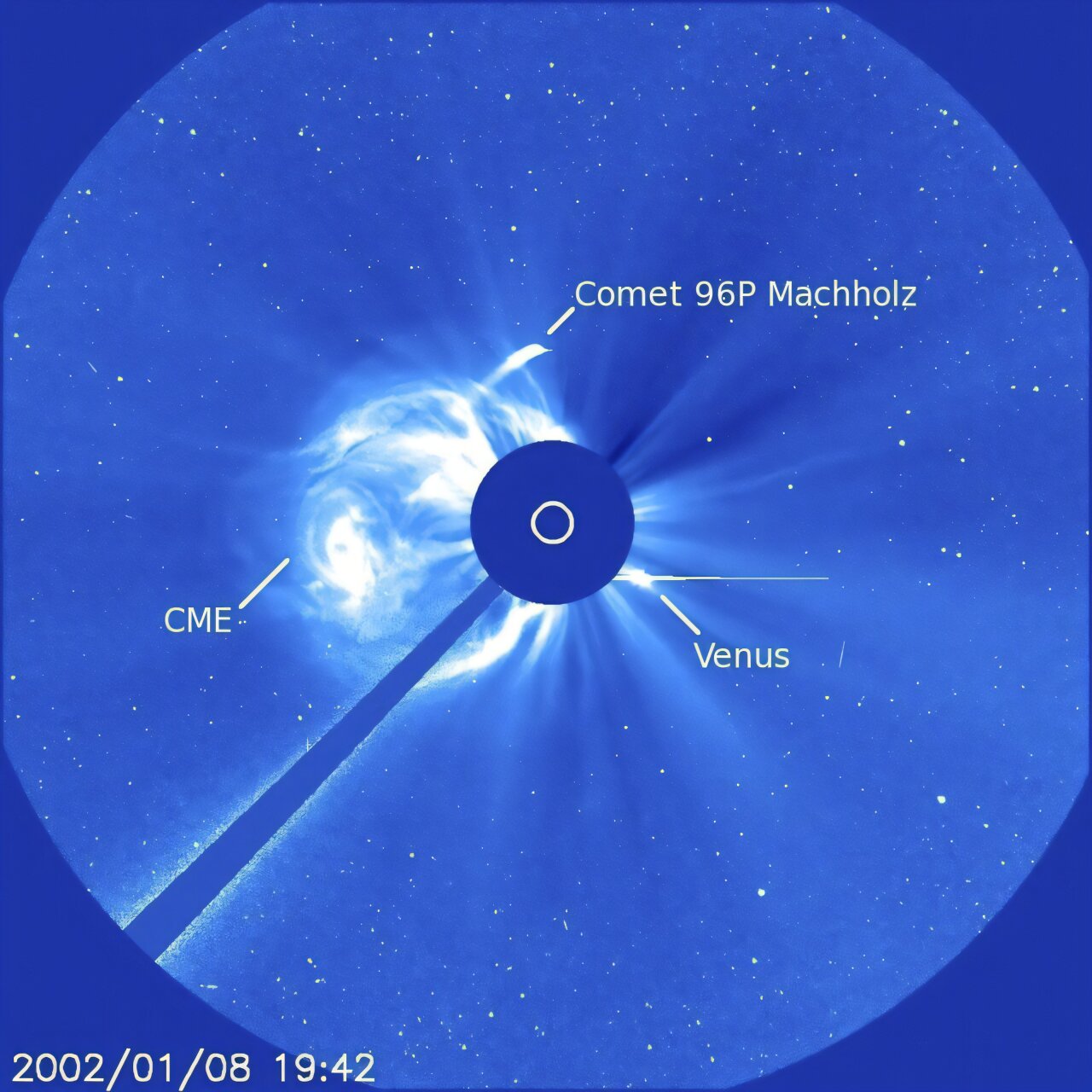
Singapore is set to witness the Southern Delta Aquariids peak on July 29–30 as Earth passes through debris from Comet Machholz, potentially producing up to 25 meteors per hour in dark skies, though the full Moon may hinder visibility. For best viewing, go between 2am and 5:30am in dark areas away from city lights—spots like East Coast Park, Changi Beach Park, West Coast Park, Marina Barrage, and the Southern Ridges are recommended. No special equipment is needed, and the next major shower visible from Singapore is the Perseids around Aug 12–13.

Back-to-Back July Meteor Showers Brighten the Night Sky
science1 month ago

Back-to-Back July Meteor Showers Brighten the Night Sky

Two meteor showers, the Southern Delta Aquariids and Alpha Capricornids, peak back-to-back from July 28–31: the Delta Aquariids (from comet 96P/Machholz) can reach about 15 meteors per hour at their peak, while the Alpha Capricornids (from comet 169/NEAT) offer around 5 brighter meteors per hour. Best viewed under dark, clear skies from around 10 PM to dawn, with moonlight potentially washing out faint trails; visibility is generally good across hemispheres, though southern latitudes may offer the strongest viewing for the Delta Aquariids. Past outbursts occurred in 1977 and 2003, making occasional brighter displays possible.

July meteor double feature to light up skies
space1 month ago

July meteor double feature to light up skies

Two meteor showers will peak in succession at the end of July 2026: the faint Southern Delta Aquariids (peaking July 28–29), likely from Comet 96P Machholz, and the brighter Alpha Capricornids (July 30–31) from 169P/NEAT. Expect up to about 15 meteors per hour during the Delta Aquariids under dark skies, though the waxing gibbous Moon may wash some out; the Alpha Capricornids deliver slower, more luminous fireballs. Delta Aquariids are best seen from southern latitudes, while Alpha Capricornids are visible from both hemispheres. For best viewing, lie flat, gaze roughly halfway between the horizon and the sky above you, about 45 degrees from Aquarius, and give your eyes 30 minutes to adapt before dawn.

Guide to Watching This Week's Double Meteor Shower Peaks
science1 year ago

Guide to Watching This Week's Double Meteor Shower Peaks

This week offers a great opportunity to observe two major meteor showers, the Alpha Capricornids and Southern Delta Aquariids, with peak activity expected around Tuesday and Wednesday nights, providing a chance to see bright fireballs and numerous meteors, especially in the Southern Hemisphere, while also enjoying other celestial events like full moons and eclipses in 2025.

Guide to Viewing This Week’s Double Meteor Shower
science1 year ago

Guide to Viewing This Week’s Double Meteor Shower

This week, sky-gazers can observe the peak of two meteor showers, the Alpha Capricornids and Southern Delta Aquariids, with the best viewing times around midnight and early morning, especially from the Southern Hemisphere. The showers are visible through August 13, and the week also offers opportunities to see other celestial events like the Perseid meteor shower, full moons, and eclipses. Experts recommend finding dark, high-altitude locations for optimal viewing and encourage reporting sightings to aid scientific understanding.