
NASA Researchers Define Orbital Traffic Rules for Lunar Gateway
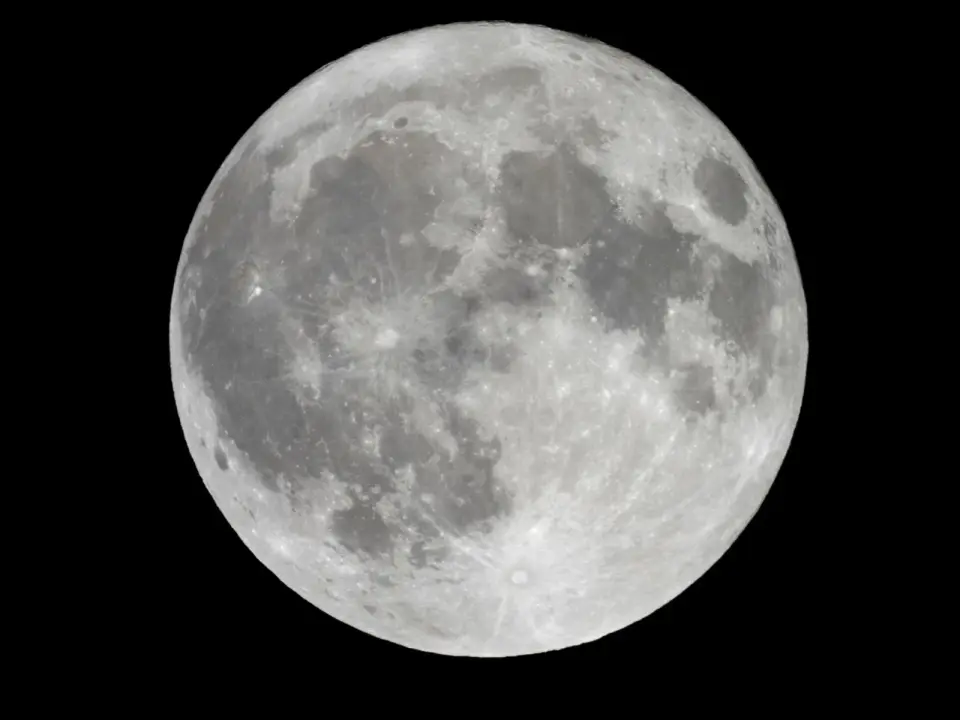
A new study proposes 'relative stationkeeping' strategies to manage spacecraft traffic near the Lunar Gateway, using phase offsets in unstable orbits to prevent collisions without requiring fixed runways.
Key points
- Researchers from NASA, Texas A&M, and Purdue published a detailed analysis for managing traffic in the Gateway's near-rectilinear halo orbit (NRHO).
- The study identifies a trade-off between proximity for docking efficiency and safety margins, testing phase gaps of 10, 30, and 60 minutes.
- Simulations show that a 10-minute gap is unsafe due to potential close approaches, while a 30-minute gap offers a balance of safety and fuel efficiency.
- The proposed method uses relative stationkeeping, where waiting spacecraft track the Gateway's actual predicted motion rather than independent pre-calculated paths.
- Tighter control requires slightly more propellant but significantly reduces the risk of dangerous conjunctions during medium-term loitering periods.
Background
This research builds on previous tests by the CAPSTONE mission, which validated the feasibility of NRHOs, and aligns with broader efforts to repurpose hardware like HALO for lunar infrastructure. It addresses the growing complexity of cislunar traffic as multiple agencies prepare for Artemis missions.
Why it matters
Establishing these mathematical traffic rules is critical for the safety and operational viability of the Lunar Gateway, ensuring that multiple spacecraft can safely wait and dock in a dynamic gravitational environment without collision.
What to watch
Flight controllers must now integrate these strategies with vehicle-specific navigation data and propulsion behaviors to finalize operational rules before the Gateway is fully assembled and missions begin.
Want the full story? Read the original reporting
Read on Space Daily