Tag

Lunar Gateway

All articles tagged with #lunar gateway

NASA pivots from orbital gateway to a surface-based Moon base
technology17 days ago

NASA pivots from orbital gateway to a surface-based Moon base

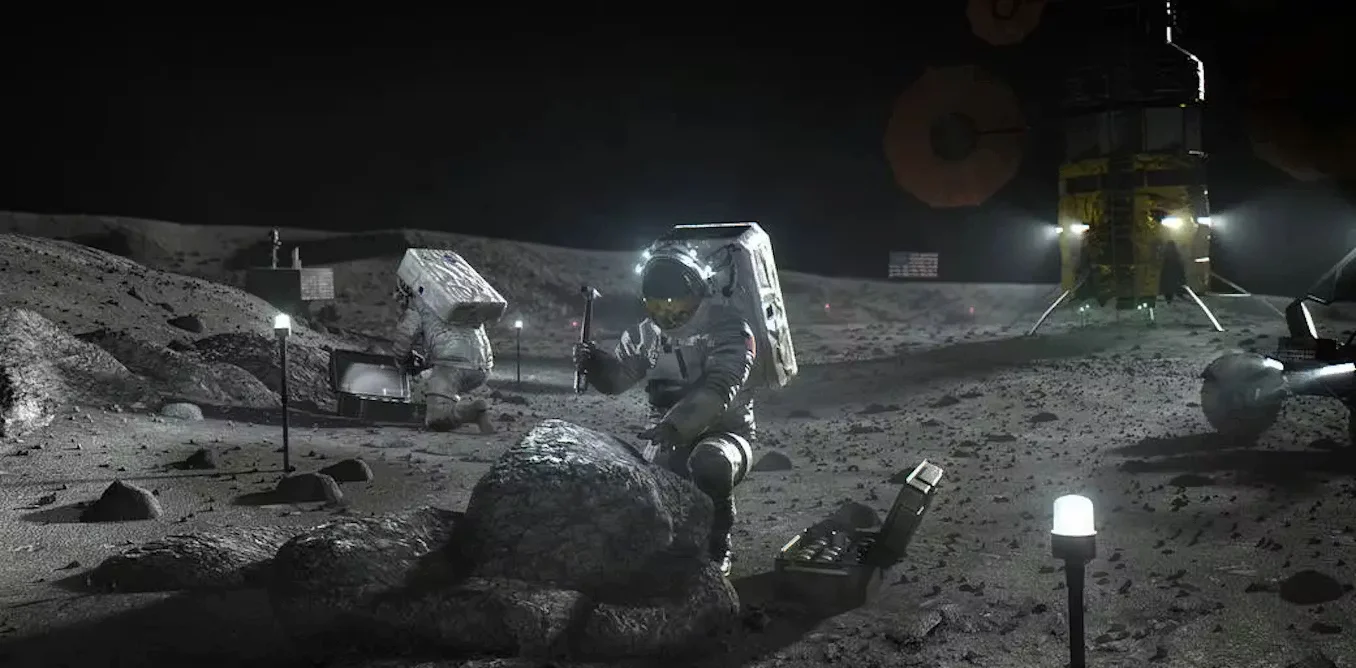
NASA announced a shift to a surface-focused Moon base built in three phases by 2036, scrapping the Lunar Gateway in favor of direct surface infrastructure. The plan relies on expanded Commercial Lunar Payload Services, two lunar communications satellite networks, and a mix of nuclear and solar power, rovers, and habitats to enable long-term presence and in-situ manufacturing. Each phase is projected at about $10 billion, with milestones including 21 landings by 2028, 27 landings in 2029–2032, and 28 landings in 2032–2036, culminating in habitats for four astronauts and a robust lunar industrial ecosystem.

A New Orbit: Replacing the ISS With Moon-Targeted Space Stations
technology24 days ago

A New Orbit: Replacing the ISS With Moon-Targeted Space Stations

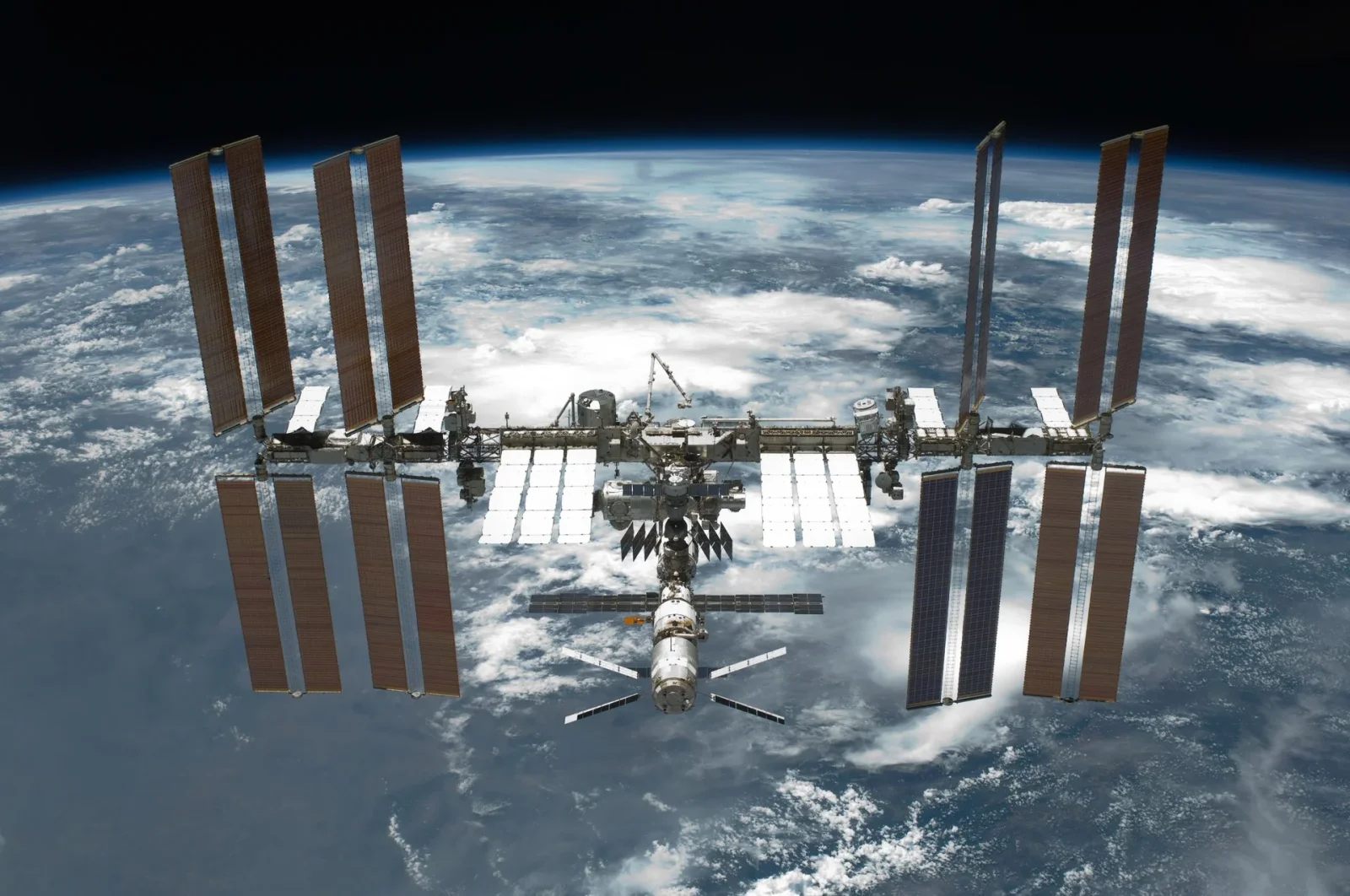
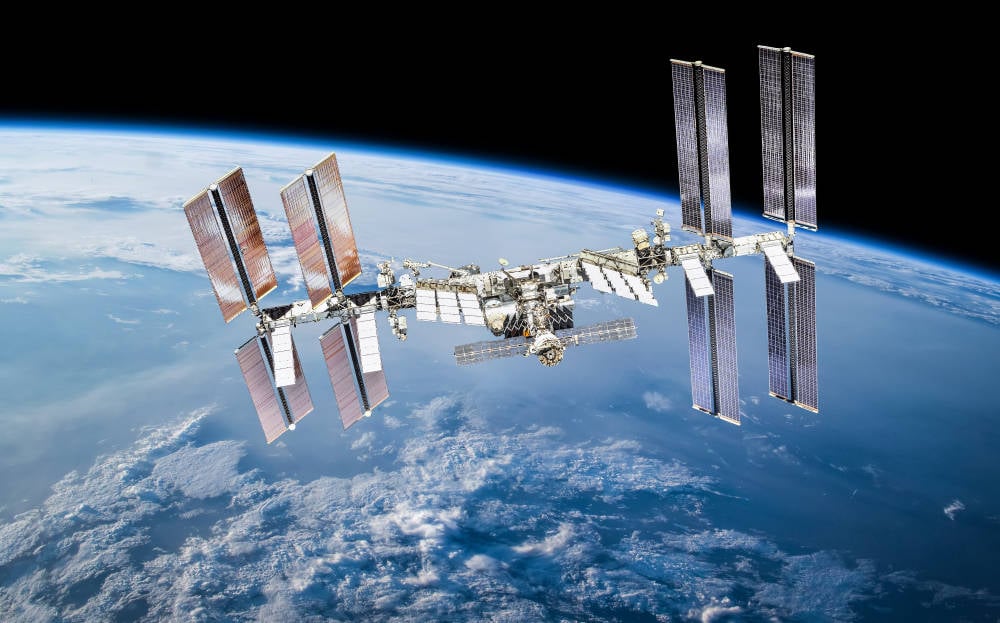
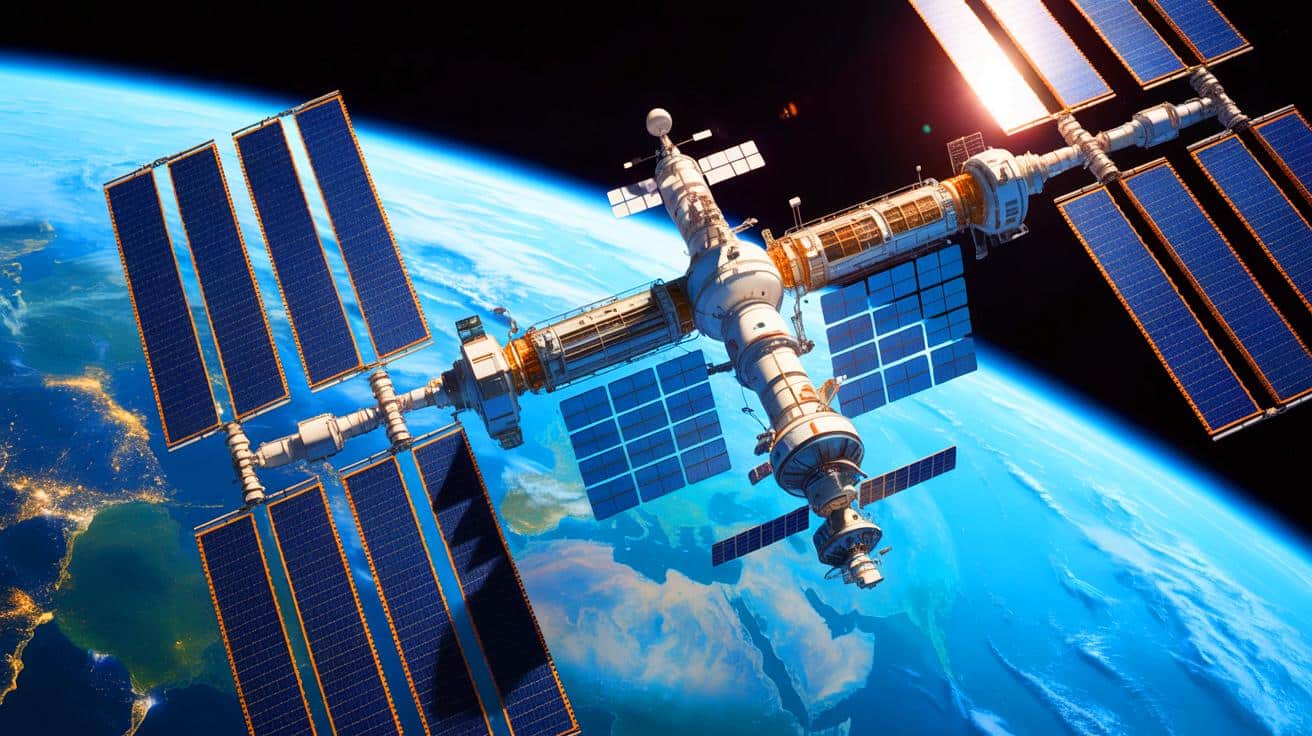
As the International Space Station nears retirement around 2030, global space agencies and commercial players are pursuing a crowded array of successors: NASA/ESA/CSA/JAXA’s Lunar Gateway around the Moon, China’s planned Tiangong expansion, Russia’s shift to reusing ISS modules as the Russian Orbital Station, and India’s Bharatiya Antariksh Station, with timelines extending to 2035 and beyond. The ISS’s aging hardware and health concerns spur these plans, while a growing slate of science, exploration, and commercial missions edge orbital activity closer to the Moon and beyond. A Part II on commercial concepts is promised.

NASA Overhauls Artemis Timeline, Sets Two Moon Landings for 2028
science-tech1 month ago

NASA Overhauls Artemis Timeline, Sets Two Moon Landings for 2028

NASA is reshaping the Artemis program: Artemis III will conduct in‑orbit technology tests instead of a lunar landing, while Artemis IV will become the first crewed Moon landing in 2028, with two Moon landings that year and a cadence of annual missions thereafter. The plan emphasizes testing life support, propulsion and communications in orbit, potential docking with commercial lunar landers, and upgrades to the Orion/AxEMU suits, with the Lunar Gateway not mentioned in the current briefing. The shake‑up follows delays, a multi‑year mission gap, and a workforce reduction, and aims to speed up missions by standardizing the Space Launch System upper stage.

Moon Gateway: Debating the case for an orbital lunar outpost
space1 month ago

Moon Gateway: Debating the case for an orbital lunar outpost

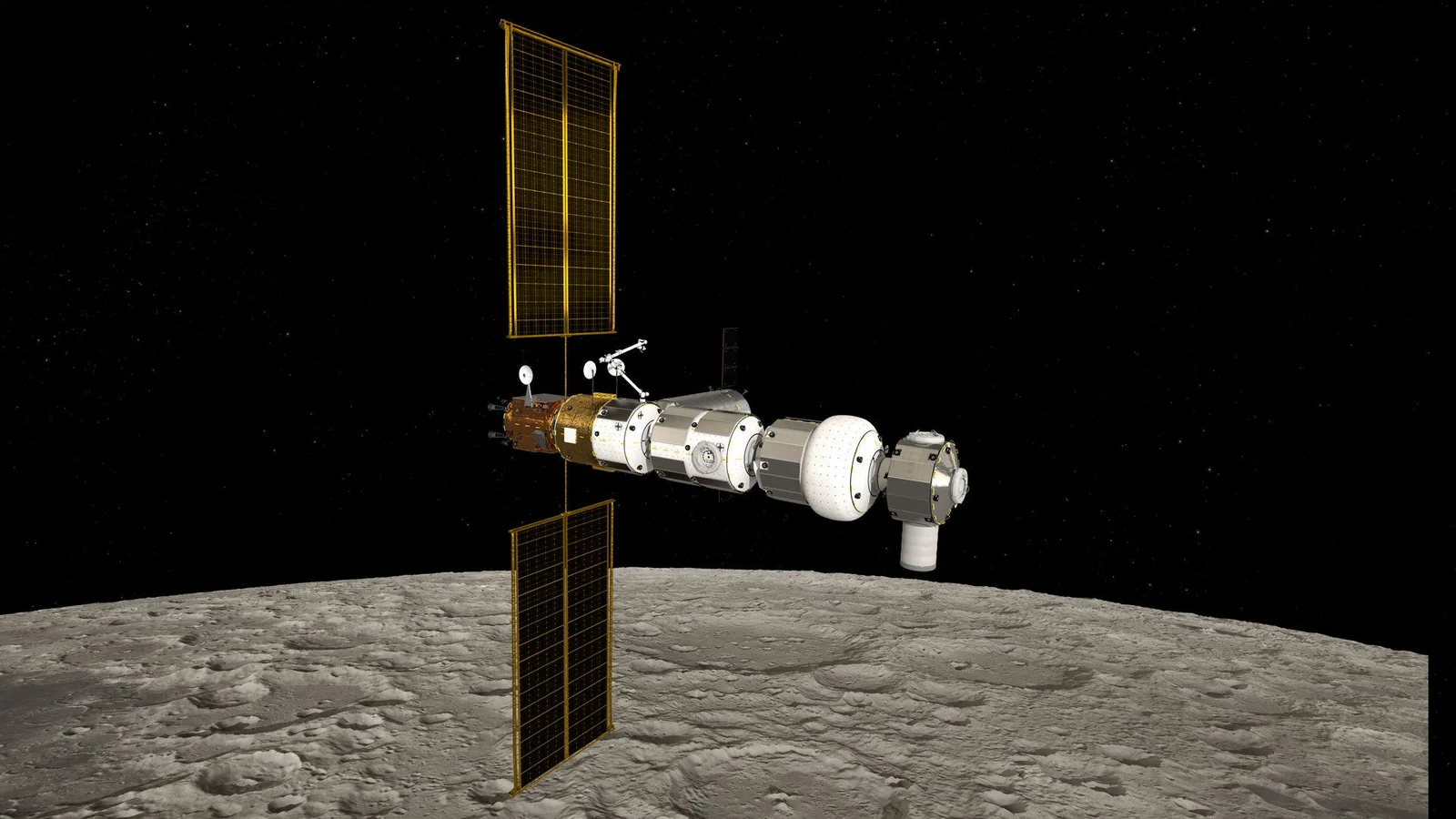
The Lunar Gateway—NASA's planned Moon-orbiting space station developed with international partners—is meant to help test deep-space technology and serve as a staging post for Artemis missions. Its high cost and funding uncertainties spark a debate: supporters say the outpost enables sustainable, international Moon exploration, while critics question its necessity. Even if Gateway is canceled, much of its hardware could be repurposed, but abandoning it could weaken U.S. leadership and international trust in future deep-space cooperation.

NASA's Lunar Gateway Advances with Successful Electric Engine Tests
space-exploration3 months ago

NASA's Lunar Gateway Advances with Successful Electric Engine Tests

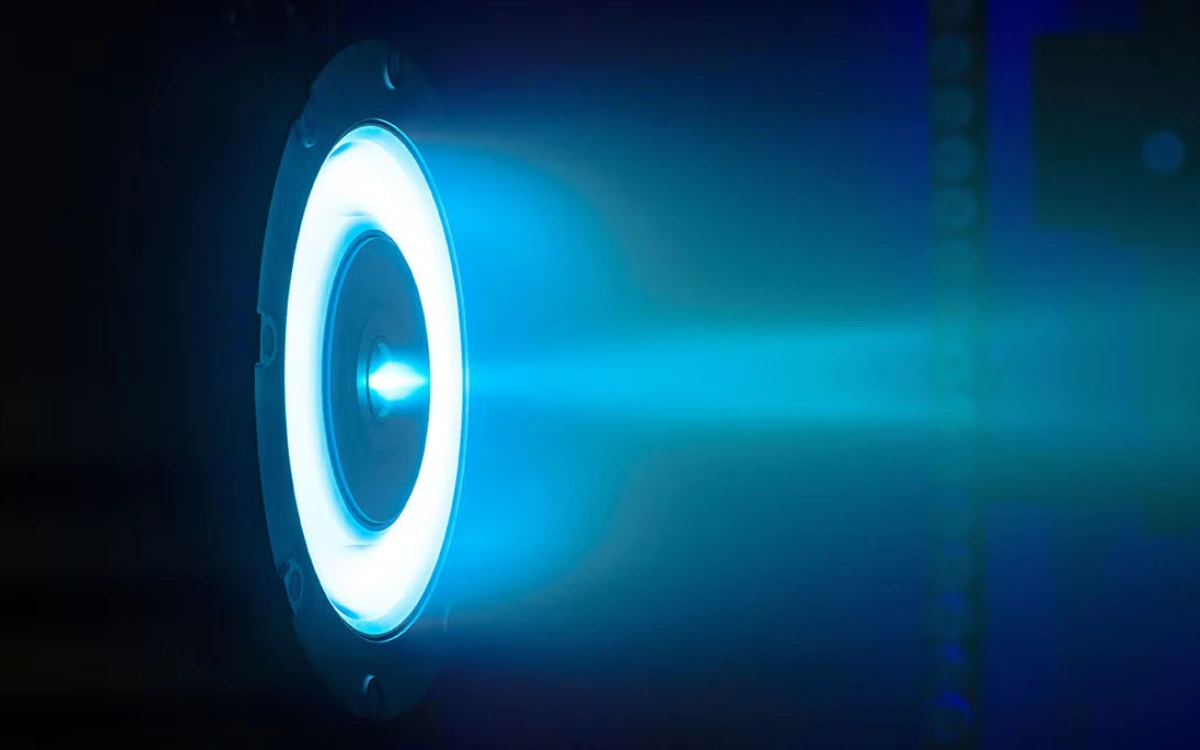
NASA has successfully tested powerful new electric engines for the Lunar Gateway, a space station orbiting the Moon that will serve as a staging point for lunar and future deep space missions. These efficient electric thrusters will enable longer, more cost-effective trips by using electricity instead of fuel, marking a significant advancement in space propulsion technology and preparing for future Mars exploration.

Japan's HTV-X Cargo Craft Debuts as Space Lab and Supplies ISS
space5 months ago

Japan's HTV-X Cargo Craft Debuts as Space Lab and Supplies ISS

Japan's Aerospace Exploration Agency (JAXA) successfully docked its new cargo spacecraft, HTV-X, at the ISS, marking a significant milestone. The spacecraft, designed to serve as both a cargo carrier and a temporary space lab, carried supplies, experimental equipment, and new technology demonstrations, with plans for its use after leaving the ISS, including trash disposal and hosting equipment for extended periods. This mission also highlights Japan's advancements in space technology and its ongoing contributions to international space efforts like the Artemis Program.

"First Look: Designs for Moon Orbit Space Station Revealed"
space-exploration2 years ago

"First Look: Designs for Moon Orbit Space Station Revealed"

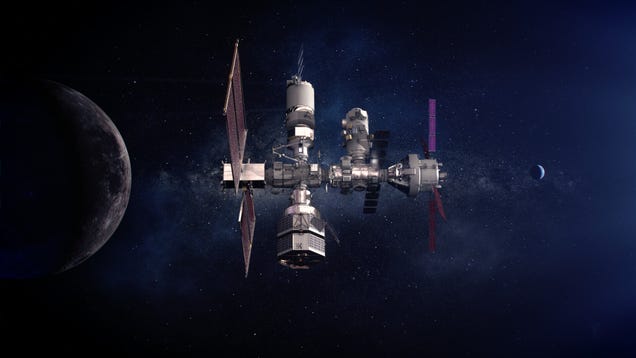
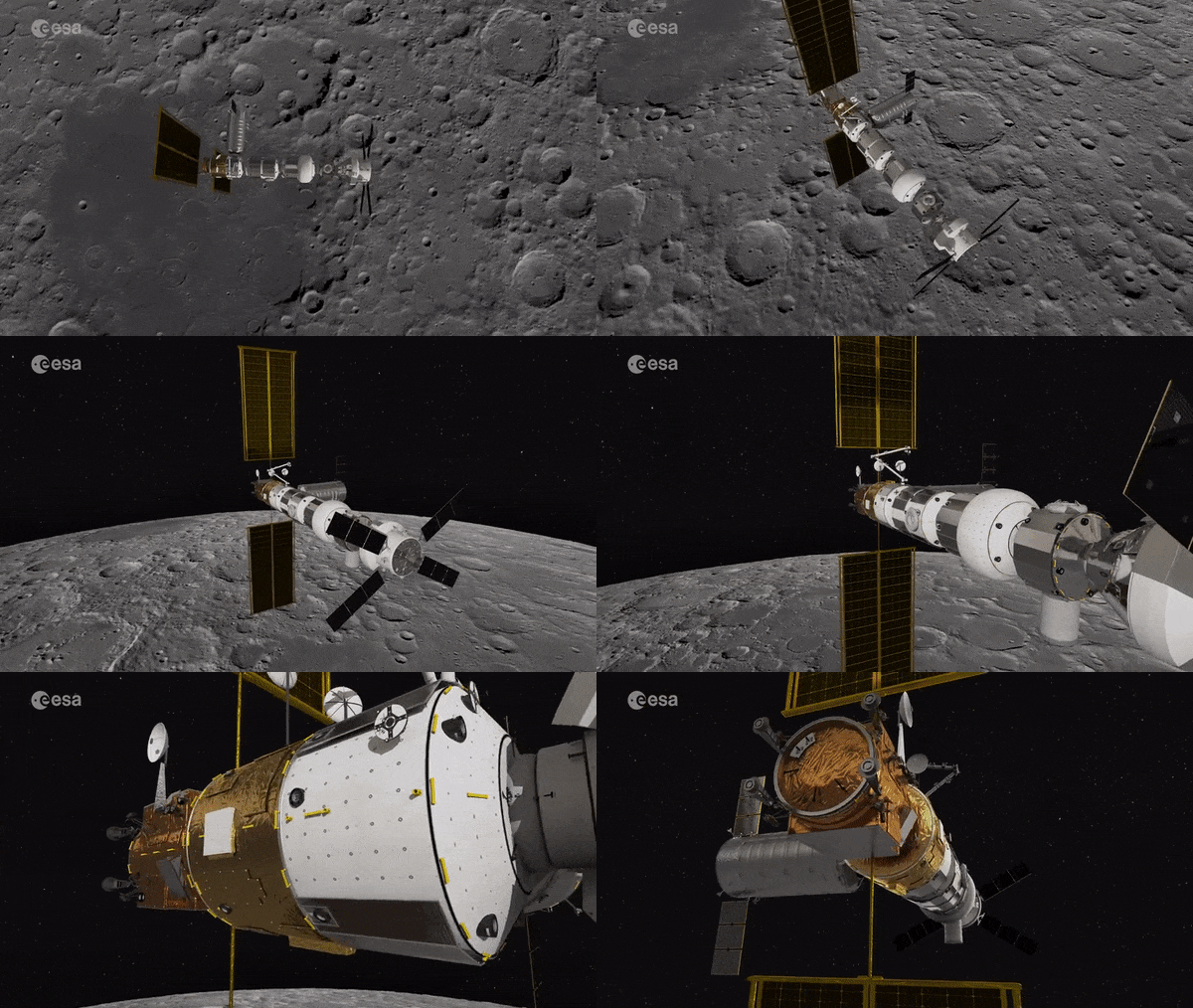
NASA and its international partners are developing the Lunar Gateway, a new space station to orbit near the Moon, with the first modules expected to arrive in space in 2025. The station will serve as a gateway for missions to the Moon and Mars, and will be a joint effort by the U.S., Europe, Japan, Canada, and the United Arab Emirates. The Gateway will operate in a near-rectilinear halo orbit and is set to host astronauts for research, spacewalks, and as a staging point for future missions. Additionally, plans are in place to wind down operations at the International Space Station by 2030, with NASA working on a deorbit vehicle to guide its safe descent to Earth.

"Northrop's Lunar Gateway Module Program Costs Soar to $100 Million"
space-technology2 years ago

"Northrop's Lunar Gateway Module Program Costs Soar to $100 Million"

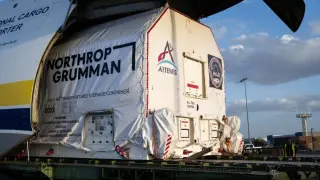
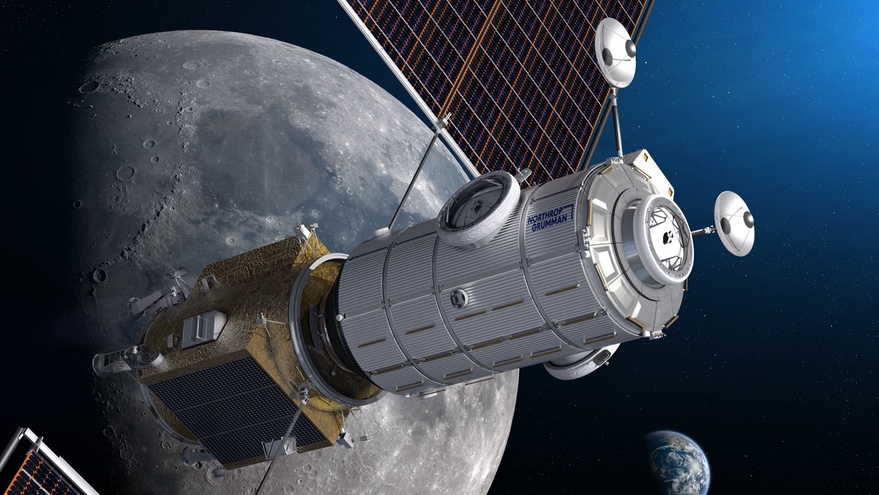
Northrop Grumman has reported a $42 million charge on its contract to build the Habitation and Logistics Outpost (HALO) module for NASA's lunar Gateway, bringing its total losses on the program to $100 million for the year. The company attributed the charge to cost growth and evolving mission requirements. The HALO module, part of NASA's lunar Gateway, is based on Northrop's Cygnus cargo spacecraft and is intended to provide living accommodations and docking ports for visiting spacecraft and lunar landers. The company is also taking a more cautious approach to bidding on fixed-price contracts in light of the HALO program's challenges. NASA's recent announcement of delays to the Artemis missions could separately delay the launch of the first Gateway elements.

"UAE's Role in NASA's Lunar Gateway Space Station"
space-exploration2 years ago

"UAE's Role in NASA's Lunar Gateway Space Station"

NASA plans to build Lunar Gateway, a small space station in lunar orbit, to support missions around the Moon and enable future deep space exploration, including crewed missions to Mars. The station will be located in a near-rectilinear halo orbit, providing continuous communication with Earth. It will be built in phases, with the first elements to be launched by 2025. The station will support astronauts for 90-day stays and conduct various scientific research. However, crews will face increased radiation exposure compared to low Earth orbit, and the station's capabilities are expected to expand over time to support long-term human presence on the Moon and beyond.

UAE to Construct Airlock for Lunar Gateway, Joining NASA's Artemis Mission
space-exploration2 years ago

UAE to Construct Airlock for Lunar Gateway, Joining NASA's Artemis Mission

The United Arab Emirates has partnered with NASA to build part of the lunar Gateway space station and send a UAE astronaut on a future Artemis mission, marking a historic moment in space collaboration. The UAE's space program, which includes successful Mars and lunar missions, will provide the Crew and Science Airlock module for the Gateway, allowing for crew and science to move from the station's pressurized environment into space. This partnership advances international cooperation in space and paves the way for deep-space exploration, with the UAE joining the U.S., European Space Agency, Japan, and Canada as partners on Artemis projects.

From Spacelab to Gateway: 40 Years of International Cooperation in Space
space-exploration2 years ago

From Spacelab to Gateway: 40 Years of International Cooperation in Space

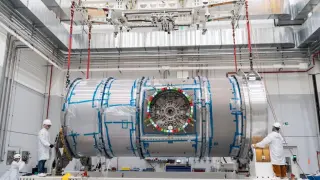
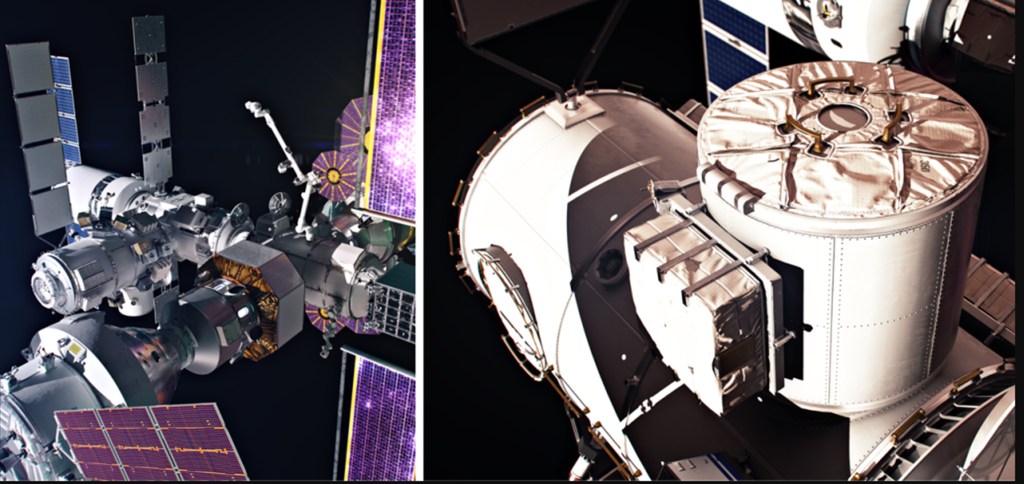
ESA's Spacelab module, which launched 40 years ago, marked the beginning of Europe's involvement in crewed modules for space exploration. Since then, Europe has contributed various modules to the International Space Station (ISS) and is currently working on modules for the Gateway station that will orbit the Moon. The modules are made using advanced welding techniques and are designed to be smaller yet stronger than previous modules. The I-Hab module, part of the Gateway station, is being tested for compatibility with other modules and will serve as living quarters for crews of four for up to 30 days at a time. Europe's module development is expected to continue with plans for lunar surface modules for a future Moon base.

The Future of the International Space Station: NASA's $1 Billion Crash Mission and the Looming Gap
space2 years ago

The Future of the International Space Station: NASA's $1 Billion Crash Mission and the Looming Gap

The International Space Station (ISS) is set to be deorbited and burned up in Earth's atmosphere in January 2031, leaving the US without access to a space station. However, China's Tiangong Space Station is currently in orbit and expected to last at least 10 years, while private space companies like Axiom Space are planning to launch their own modules to conduct commercial space activities. Russia initially planned to leave the ISS and start its own station in 2027, but has agreed to continue being part of the ISS until 2028. Additionally, the Lunar Gateway, a space station in lunar orbit, is being developed by NASA, ESA, JAXA, and CSA for future missions to the Moon and Mars. New space stations will be needed in the late 2030s to maintain a continuous human presence in space.

Lunar Gateway's Solar Electric Propulsion Engine Aces Qualification Tests
space2 years ago

Lunar Gateway's Solar Electric Propulsion Engine Aces Qualification Tests

NASA's Advanced Electric Propulsion System (AEPS), a solar electric propulsion system that uses xenon as propellant, has passed qualification tests and will be integrated into the Lunar Gateway. Originally designed for the now-cancelled AARM mission, AEPS will serve as the primary propulsion method for deep space and cargo missions, supporting the Artemis program's goal of landing astronauts on the Moon. The AEPS thrusters will be mounted on the Power and Propulsion Element (PPE) of the Lunar Gateway, set to launch in November 2025.

"NASA's ChatGPT-inspired Chatbot Revolutionizes Communication in Space"
spacetechnology2 years ago

"NASA's ChatGPT-inspired Chatbot Revolutionizes Communication in Space"

NASA is developing an AI assistant similar to ChatGPT to enable astronauts to have conversations with their spacecraft. The AI-powered platform will be used in the upcoming Lunar Gateway space station to communicate with AI robots exploring distant planets and moons. The system aims to detect and fix glitches, facilitate communication, and provide advice on space experiments through conversational interactions.