
Perseverance Captures Historic Tracks After Breaking Interplanetary Driving Record
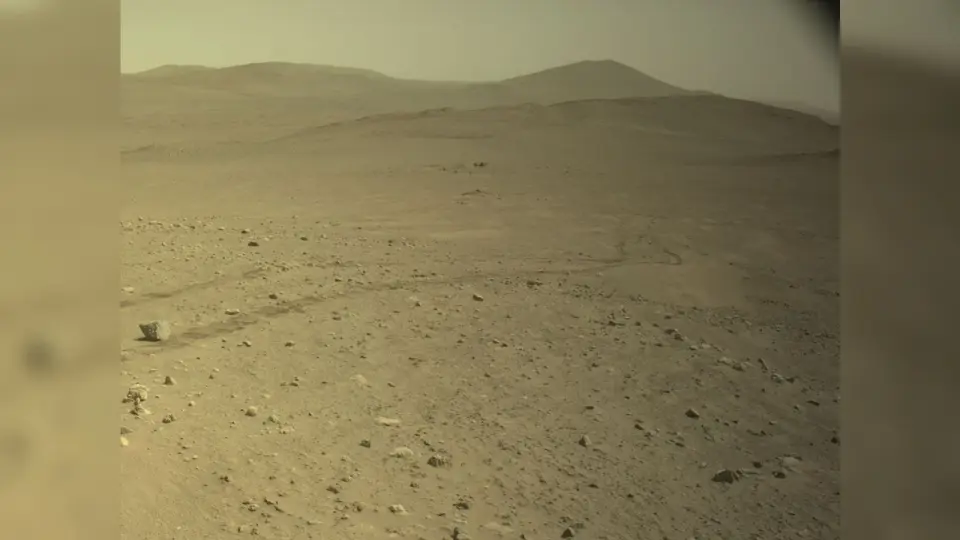
NASA's Perseverance rover has officially broken the record for the farthest distance traveled on another planet, reaching 28.10 miles (45.22 kilometers) on October 11, 2026. This milestone surpasses the previous record held by the Opportunity rover, which took 14 years to cover a similar distance, whereas Perseverance achieved it in just over five years. The achievement highlights advancements in autonomous driving technology, with the rover utilizing its AutoNav system for over 90% of its journey. While the Mars Sample Return program was canceled earlier this year, Perseverance continues its mission to search for signs of ancient life and prepare for future human exploration.
Key points
- Perseverance reached 28.10 miles (45.22 kilometers) on October 11, 2026, setting a new interplanetary driving record.
- The rover surpassed the previous record held by Opportunity, which took 14 years to cover a similar distance, whereas Perseverance achieved it in just over five years.
- The achievement highlights advancements in autonomous driving technology, with the rover utilizing its AutoNav system for over 90% of its journey.
- Perseverance continues its mission to search for signs of ancient life and prepare for future human exploration, despite the cancellation of the Mars Sample Return program earlier this year.
Background
This milestone follows earlier coverage of Curiosity's unedited dawn photos revealing Mars's true blue-gray palette and wind-carved cliffs on Mount Sharp. It also builds on previous reports of Perseverance's autonomous navigation capabilities and its exploration of the Lac de Charmes region on the western rim of Jezero Crater.
Why it matters
The record-breaking drive demonstrates significant advancements in autonomous driving technology, including new capabilities like onboard Global Localization, which allows the rover to determine its position without human intervention. This achievement highlights the potential for future robotic missions to explore other planets with greater autonomy and efficiency.
What to watch
Perseverance will continue its mission to search for signs of ancient life and prepare for future human exploration. The rover's ongoing exploration of the Lac de Charmes region on the western rim of Jezero Crater will provide valuable insights into the planet's geological history and potential for past life.
Want the full story? Read the original reporting
Read on Space