
Crew-13 Sets US Record with 7-Hour ISS Transit, Led by First Black Female Commander
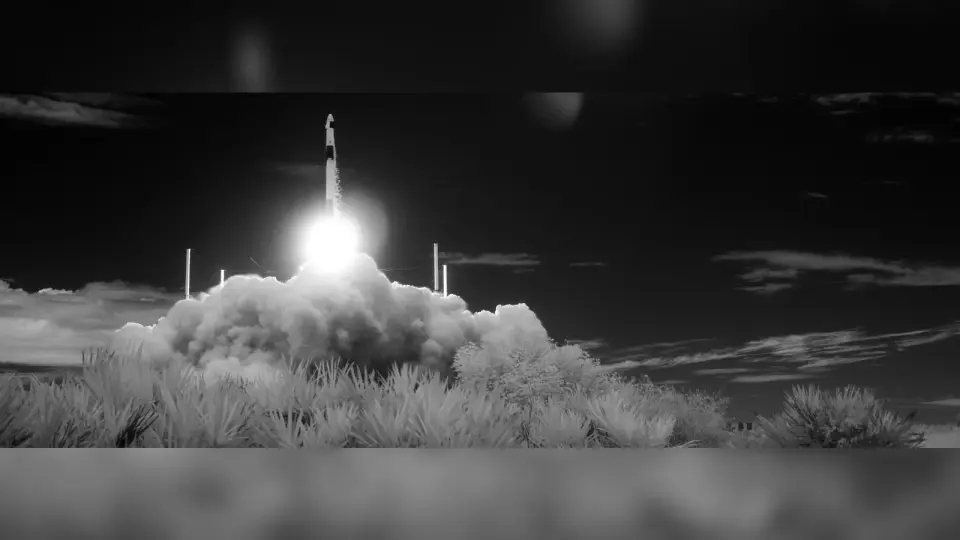
SpaceX’s Crew-13 mission successfully launched on October 1, 2026, setting a new U.S. record for the fastest transit to the International Space Station at 7 hours and 55 minutes. The four-person crew, led by NASA astronaut Jessica Watkins, docked with the ISS after a three-week delay caused by a fuel leak. This mission marks the first time a Black woman has commanded a crew to orbit and the first U.S. crewed launch in six months.
Key points
- Crew-13 launched from Cape Canaveral on October 1 at 11:10 a.m. EDT, reaching the ISS in 7 hours and 55 minutes, beating the previous U.S. record of 12 hours and 33 minutes set in November 2024.
- The crew consists of NASA astronauts Jessica Watkins and Luke Delaney, Canadian astronaut Joshua Kutryk, and Roscosmos cosmonaut Sergey Teteryatnikov. Watkins is the first Black woman to command a crew to orbit.
- The mission was delayed by three weeks from its original September 12 date due to a leaking fuel system in the Crew Dragon capsule, which was repaired before launch.
- The record-breaking transit was attributed to favorable orbital mechanics, with NASA officials noting that the ISS was in an 'opportune spot' allowing for a rapid catch-up.
- The crew will spend six months aboard the ISS, replacing the current Expedition 75 crew and conducting long-duration science research.
Background
Prior to this launch, our archive noted that Crew-13 completed final pre-launch checks on September 29, including a dry dress rehearsal and static fire tests. The mission had been delayed from September due to a Dragon spacecraft leak. On October 1, the crew launched with a record transit time, using a hand-crocheted golden dragon named 'Lucky' as a zero-gravity indicator. The mission honors the legacy of Apollo 13 through its patch and lucky charm.
How outlets are covering it
Space.com highlighted the infrared imagery of the launch, emphasizing the visual drama and power of the rocket. NASA confirmed the docking time and the record-breaking nature of the transit, attributing it to favorable orbital mechanics. The Guardian focused on the historic significance of Jessica Watkins being the first Black woman to command a crew to orbit, as well as the personal stories of the crew, such as Joshua Kutryk’s wife giving birth while he is in space. Interesting Engineering detailed the technical aspects of the record-breaking transit, explaining how the ISS’s position allowed for a rapid catch-up, and noted that while this is the fastest U.S. transit, a Russian Soyuz mission in 2020 was faster at 3 hours and 3 minutes.
Why it matters
This mission demonstrates the increasing efficiency and reliability of SpaceX’s Crew Dragon program, setting a new benchmark for U.S. spaceflight. The record-breaking transit time could have implications for future missions, potentially reducing the time astronauts spend in transit and increasing the time available for research and exploration. Additionally, the historic nature of Jessica Watkins’ command highlights the growing diversity in space exploration, a significant milestone for NASA and the broader space community.
What to watch
The Crew-13 astronauts will now begin standard leak checks and pressurization ahead of hatch opening, planned for about 8:45 p.m. EDT on October 1. They will join Expedition 75 and begin their six-month stay aboard the ISS, conducting long-duration science research. The crew will replace the current Expedition 75 crew, who will return to Earth. NASA and SpaceX will continue to monitor the mission and provide updates on the crew’s activities and progress.
- SpaceX's Crew-13 astronaut launch in infrared | Space photo of the day for Oct. 5, 2026 Space
- Dragon Docks Bringing SpaceX Crew-13 to Station NASA (.gov)
- ‘An amazing ride’: SpaceX flight led by first Black female commander sets US speed record The Guardian
- SpaceX smashes US record as astronauts reach ISS in just 7 hours and 55 minutes interestingengineering.com
- SpaceX describes surgical intervention before launch of latest crew mission Ars Technica
Want the full story? Read the original reporting
Read on Space