
Orionid Meteor Shower Peaks Tonight: Halley's Comet Debris Offers Brief Dark-Sky Window
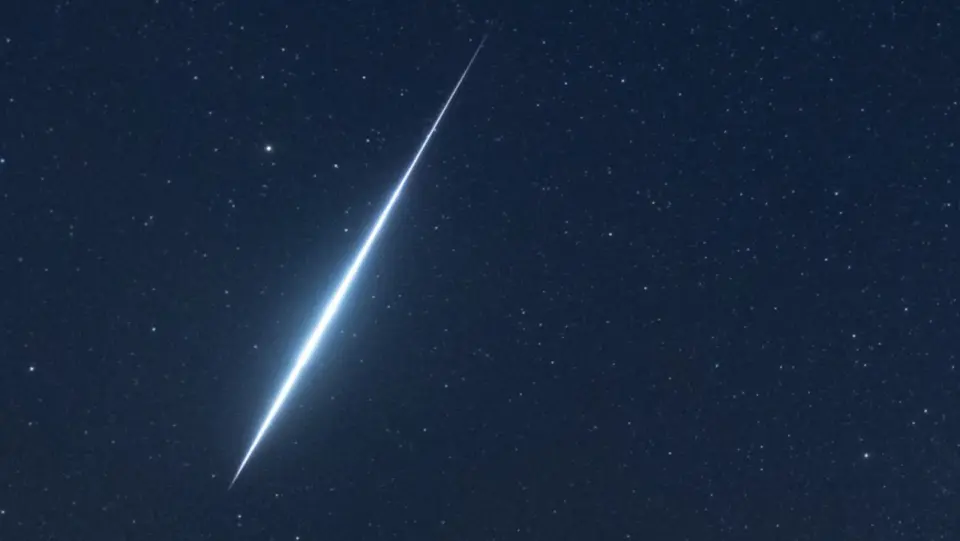
The Orionid meteor shower peaks overnight on Oct. 21-22, 2026, as Earth passes through debris from Halley's Comet. Under dark skies, observers can see 10-20 meteors per hour, but a waxing gibbous moon limits early evening visibility. The best viewing window is after moonset around 3 a.m. until dawn.
Key points
- Peak activity occurs overnight Oct. 21-22, 2026, when Earth intersects the densest part of Halley's Comet's debris trail.
- Under ideal dark-sky conditions, 10-20 meteors per hour are expected, according to NASA.
- A waxing gibbous moon, just four days from full, will obscure fainter meteors in early evening viewing.
- The moon sets around 3 a.m., creating a brief optimal window for observation before dawn.
- Meteors appear to radiate from near the star Betelgeuse in the constellation Orion, rising above the eastern horizon an hour before midnight for U.S. viewers.
- The shower has been active since Oct. 2 and will continue through Nov. 7, 2026.
Background
The Orionid meteor shower is an annual fall event linked to Halley's Comet, which will next visit the inner solar system in 2061. Previous coverage noted that the 2026 shower offers a brief dark-sky window after moonset, with up to 20 meteors per hour under optimal conditions. The shower is one of autumn's most popular stargazing events, known for fast, bright streaks.
How outlets are covering it
Space.com emphasizes the impact of the waxing gibbous moon on visibility, noting it will hide fainter meteors, and advises looking away from the radiant point for longer trails. The New York Times highlights the shower's status as a fall favorite and notes that Orionids can sometimes linger in the sky for minutes. Yahoo's coverage focuses on the practical timing and location details for observing Halley's Comet debris. All sources agree on the peak dates and the moon's limiting effect, but Space.com provides the most detailed viewing tips, while The New York Times offers broader context on the shower's popularity.
Why it matters
The Orionid meteor shower is one of the most accessible astronomical events for casual observers, requiring no special equipment. It offers a rare opportunity to witness the aftermath of Halley's Comet, a celestial body famous for its 75-year orbit. The event also underscores the importance of dark-sky conditions for astronomical observation, highlighting the impact of light pollution and lunar phases on visibility.
What to watch
The Orionid meteor shower will continue through Nov. 7, 2026, with activity gradually decreasing after the peak. Halley's Comet is currently racing back toward the sun and will next visit the inner solar system in 2061. Observers are encouraged to plan future stargazing sessions around moon phases and meteor shower peaks for optimal viewing.
- Orionid meteor shower peaks tonight: Here's the best time to spot shooting stars Space
- How to Catch the Orionids, a Meteor Shower From Halley’s Comet The New York Times
- The Orionid meteor shower peaks tonight. When and where to see Halley's comet debris Yahoo
- Halley’s Comet Is About To Send ‘Shooting Stars’ Across The Sky Forbes
- Orionid meteor shower 2026: cloud cover forecast by region The Weather Channel
Want the full story? Read the original reporting
Read on Space