
Starfish Space’s $15M NASA Inspection Mission Ends After Otter Spacecraft Loses Contact
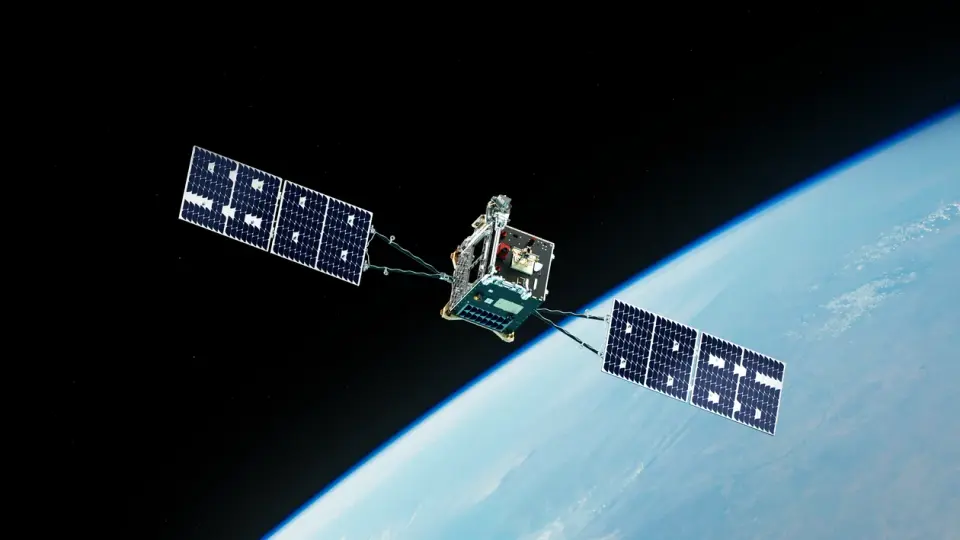
Starfish Space has lost contact with its Otter 24C spacecraft, prematurely ending a $15 million NASA mission to inspect inoperable satellites in low Earth orbit. The failure, caused by an error in the satellite bus fault protection system that turned off the radio, is deemed unrecoverable. While the mission did not achieve all objectives, Starfish and NASA plan to use lessons learned to improve future orbital servicing capabilities.
Key points
- Starfish Space’s Otter 24C spacecraft lost contact during the commissioning phase of the Small Spacecraft Propulsion and Inspection Capability (SSPICY) mission.
- The SSPICY mission, funded by NASA at a cost of $15 million, was designed to inspect defunct satellites and demonstrate advanced propulsion and robotic boom technologies.
- An investigation determined that an error in the fault protection system provided by Astro Digital erroneously turned off the spacecraft’s radio, preventing communication re-establishment.
- Starfish Space, NASA, and Astro Digital concluded the spacecraft is unrecoverable, though they are working to fix the fault protection system for future missions.
- Starfish Space continues to pursue other orbital servicing contracts, including a satellite disposal job for the Space Development Agency and missions for the U.S. Space Force.
Background
This incident follows a series of challenges in commercial space servicing. In late 2026, the Neil Gehrels Swift Observatory ended its mission after a failed rescue attempt by Katalyst Space Technologies, highlighting the difficulties of orbital debris management. Starfish Space had previously launched a smaller Otter Pup prototype in 2025 and recently demonstrated close approaches to target satellites, signaling its transition from prototype testing to operational commercial services. The SSPICY mission was Starfish’s first full-scale deployment of its Otter spacecraft, integrating navigation and propulsion technologies for the first time.
How outlets are covering it
GeekWire and NASA both confirm the unrecoverable status of the Otter 24C spacecraft and emphasize the value of technology demonstrations for learning and iteration. NASA’s Greg Stover stressed that commercial capabilities are critical for U.S. space leadership. SpaceNews reported the failure but provided limited detail due to paywall restrictions. Aviation Week noted the mission was contracted under NASA’s Small Business Innovation Research program but did not provide further details. All sources agree on the cause of the failure: an error in the fault protection system that turned off the radio. Starfish Space framed the failure as a learning opportunity, while NASA highlighted the importance of collaboration with industry partners to push technological boundaries.
Why it matters
The failure of the SSPICY mission underscores the technical challenges and risks involved in commercial space servicing and orbital debris inspection. While the mission did not achieve all its objectives, the data and lessons learned will inform future missions and improve the reliability of satellite servicing technologies. Starfish Space’s continued pursuit of other contracts, including those with the Space Development Agency and U.S. Space Force, indicates that the company remains committed to developing orbital servicing capabilities despite this setback. The incident also highlights the importance of robust fault protection systems in spacecraft design and the need for rigorous testing procedures to prevent similar failures in the future.
What to watch
Starfish Space is working with Astro Digital to fix the fault protection system and update testing procedures for future Otter missions. The company is also preparing for a docking attempt with a target satellite known as ElaraSat. NASA and Starfish are exploring opportunities to fulfill the remaining SSPICY mission objectives through other Starfish missions. Future Otter missions include a satellite disposal job for the Space Development Agency, two commercial satellite servicing missions in geostationary Earth orbit, and two servicing missions for the U.S. Space Force.
- Starfish Space loses contact with its Otter spacecraft, ending satellite inspection mission GeekWire
- Starfish Space’s first Otter servicing spacecraft fails SpaceNews
- NASA-Funded SSPICY Mission Experiences Communications Loss NASA (.gov)
- Starfish Space Loses Otter 24C Servicing Spacecraft Following Communications Failure SpaceWatch.GLOBAL
- NASA-Backed Starfish Space Mission Loses Contact With Otter Spacecraft Aviation Week
Want the full story? Read the original reporting
Read on GeekWire