Tag

2024 Yr4

All articles tagged with #2024 yr4

The UN's asteroid alarm: a Vienna official sounded Earth's near-miss alert
science12 days ago

The UN's asteroid alarm: a Vienna official sounded Earth's near-miss alert

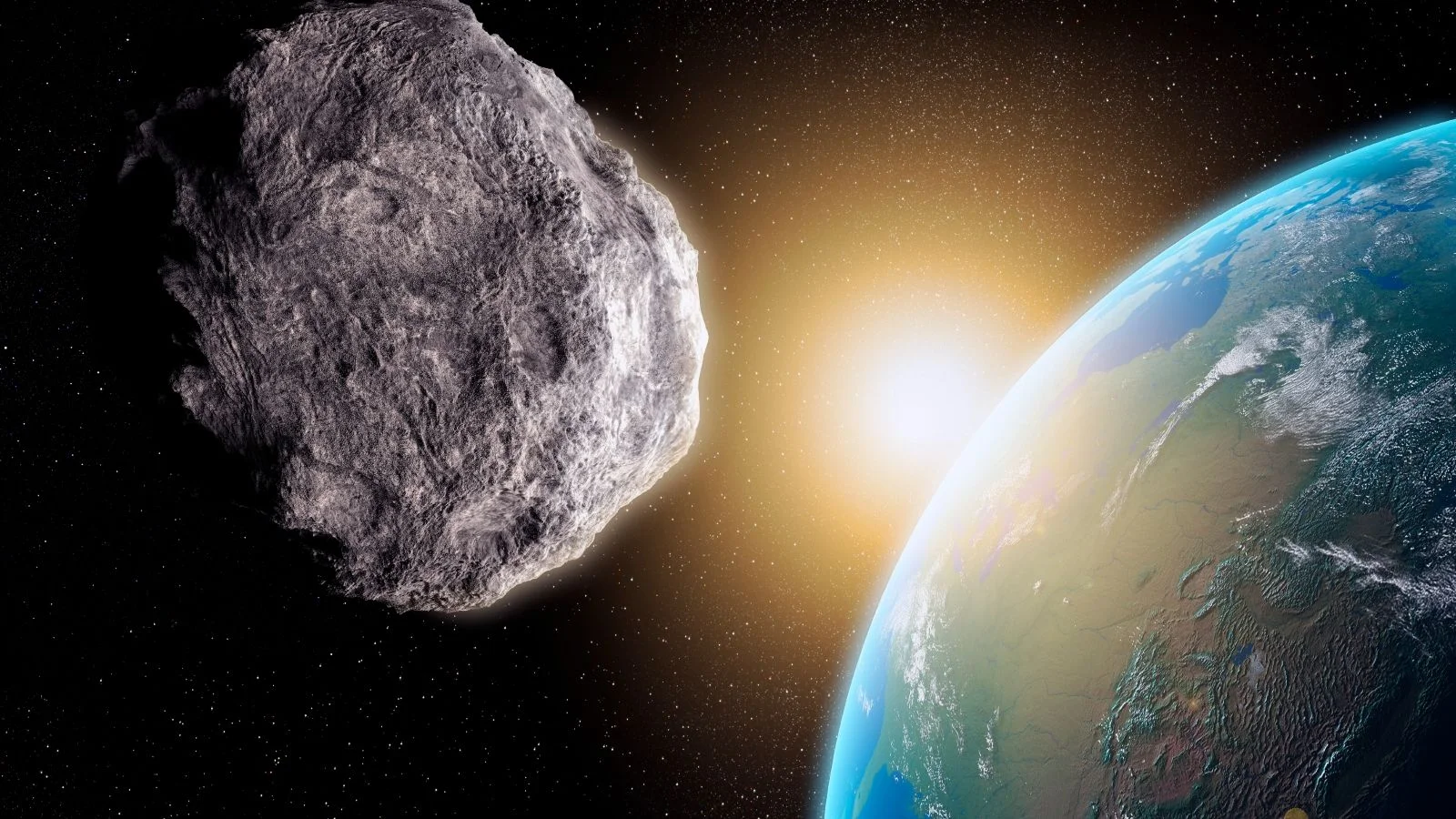
Aarti Holla-Maini, director of UNOOSA, triggered the UN’s first global planetary‑defence alert when asteroid 2024 YR4’s Earth‑impact probability rose from under 0.05% to over 1%, reaching Torino level 3; a rapid international response and consideration of deflection were drafted, testing real‑world space governance. UNOOSA’s Vienna team also coordinates satellite registrations and disaster response, and while the risk subsided by early 2025, the episode underscored the growing challenges of space traffic.
JWST-Driven update clears Moon-impact risk for asteroid 2024 YR4 in 2032
science1 month ago

JWST-Driven update clears Moon-impact risk for asteroid 2024 YR4 in 2032

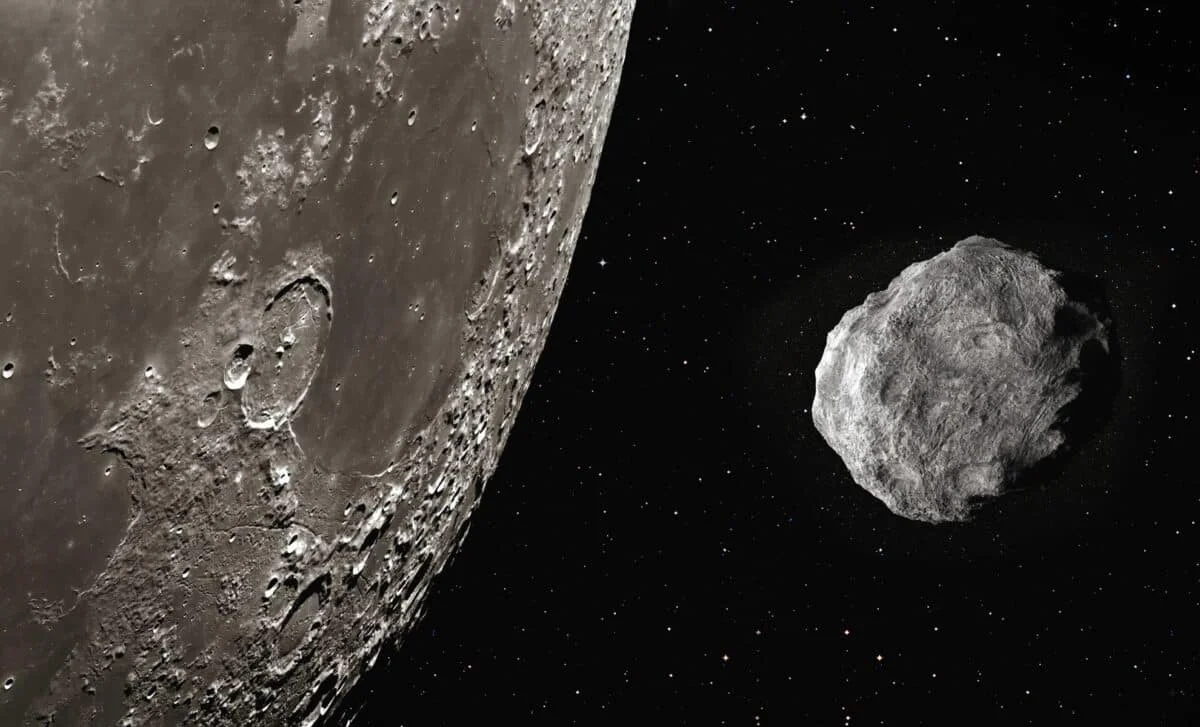
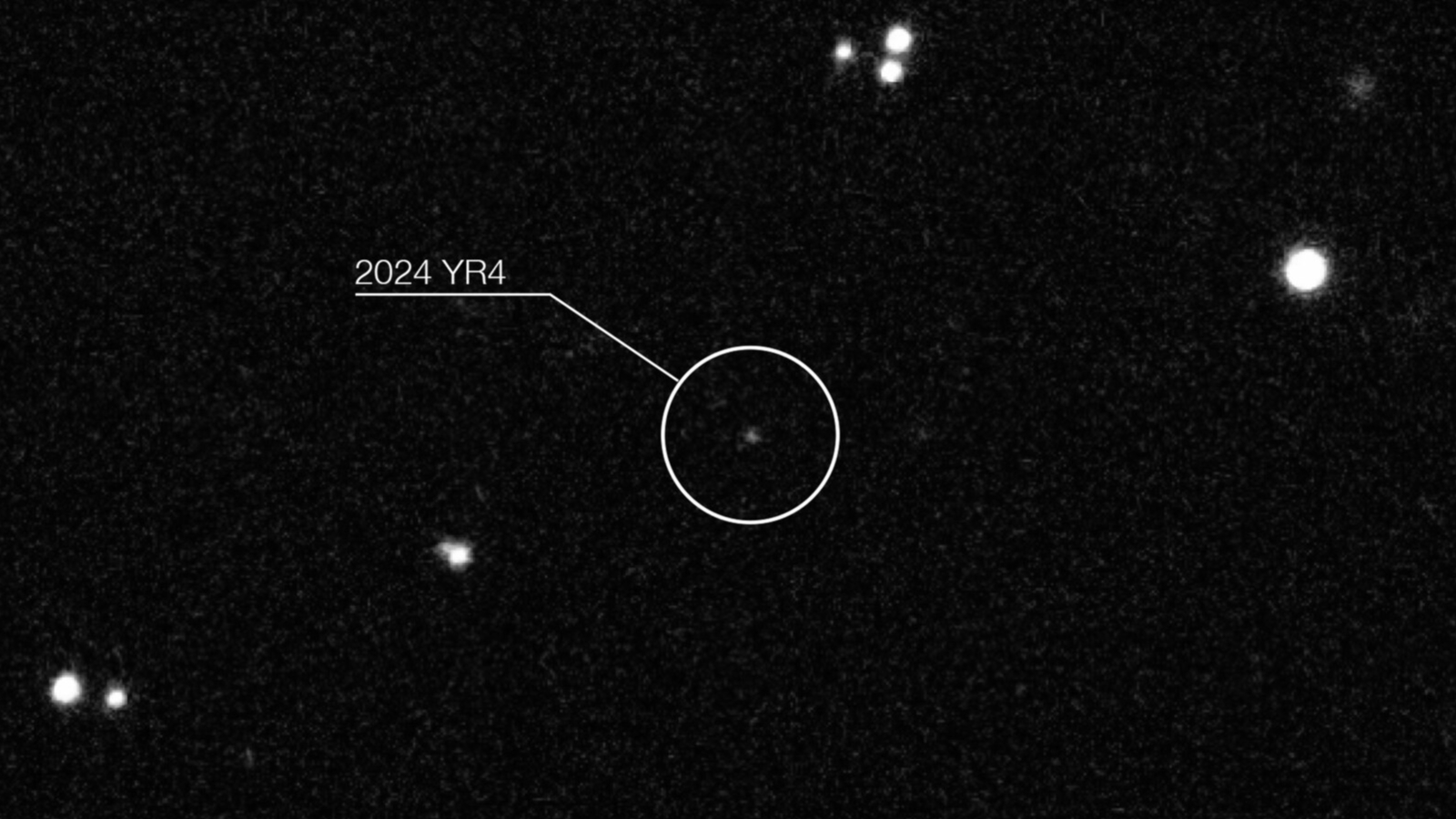
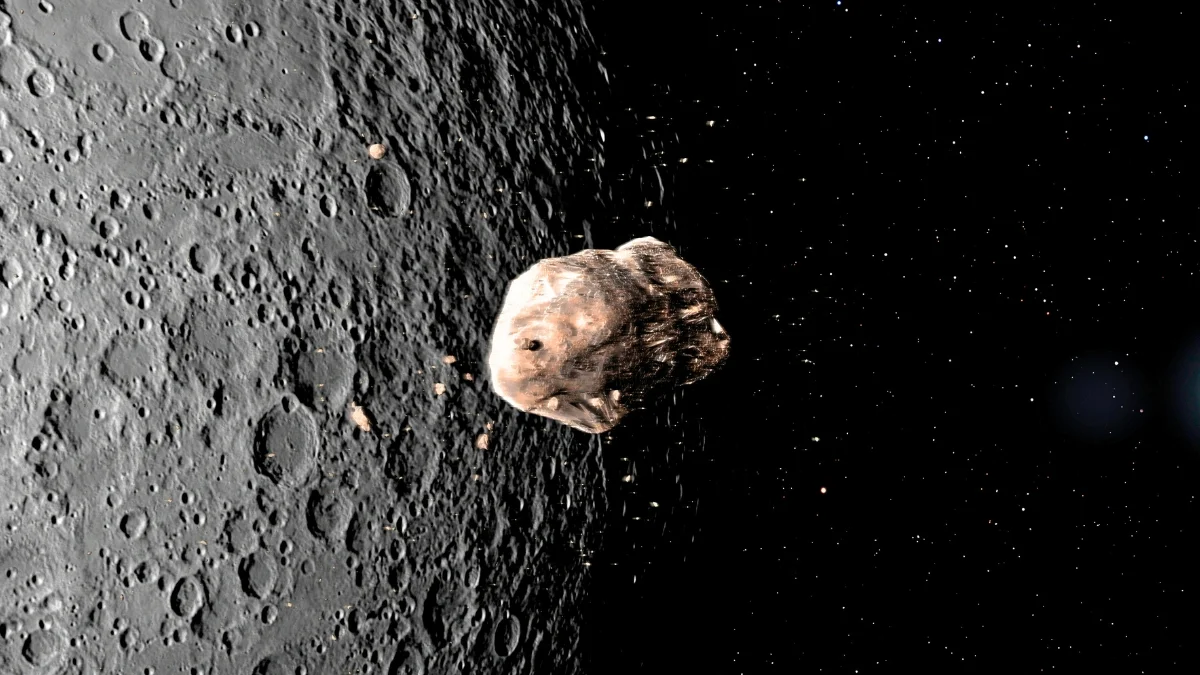
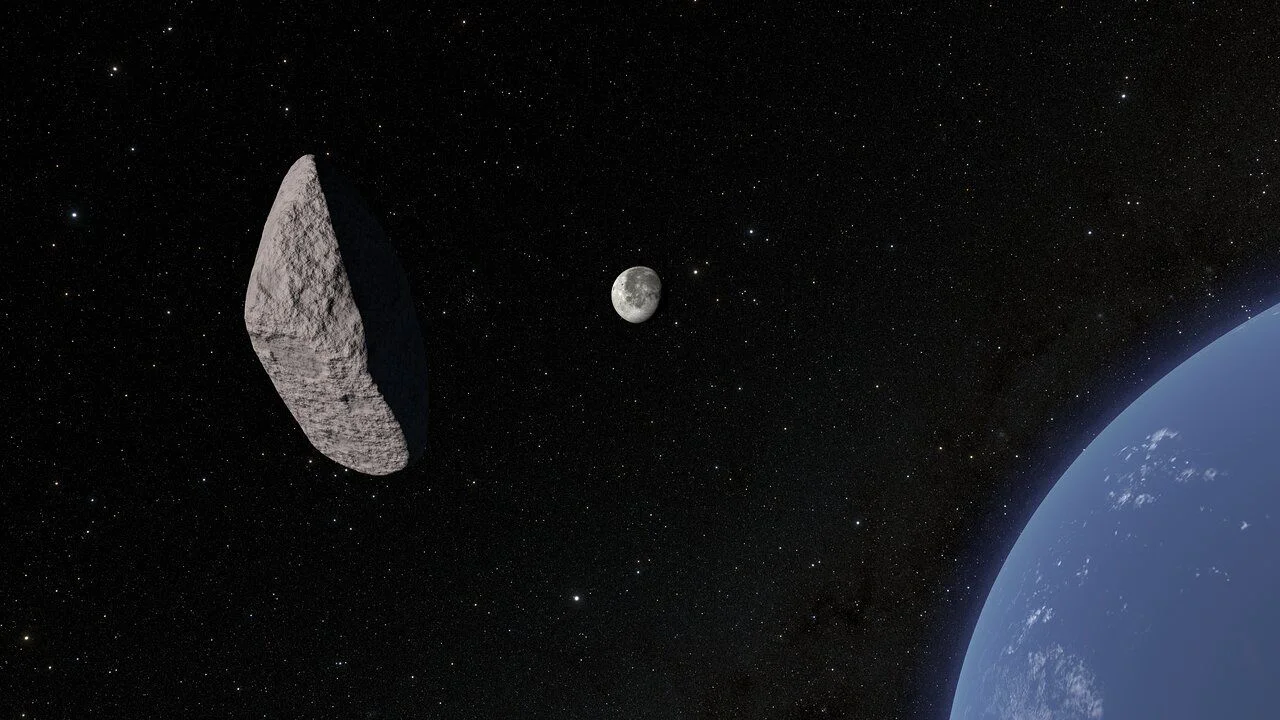
NASA, aided by James Webb Space Telescope observations, has ruled out any lunar impact risk from asteroid 2024 YR4 in 2032, lowering the earlier 4.3% chance to zero and predicting a close approach about 13,200 miles from the Moon on December 22, 2032; the ~200-foot rock was discovered in 2024 by ATLAS, and concerns about a potential lunar collision have been put to rest.

Moon-safe: Asteroid 2024 YR4 will miss the Moon in 2032 after JWST orbit refinements
astronomy1 month ago

Moon-safe: Asteroid 2024 YR4 will miss the Moon in 2032 after JWST orbit refinements

Astronomers using the James Webb Space Telescope refined the orbit of asteroid 2024 YR4, ruling out a collision with the Moon and showing it will pass about 13,200 miles (21,200 km) above the lunar surface in 2032. This closes the earlier 4.3% Moon-impact risk that existed due to orbital uncertainty, with Gaia-star measurements helping to nail down the asteroid’s path.

JWST refines 2024 YR4’s path, lunar impact odds drop to zero
space1 month ago

JWST refines 2024 YR4’s path, lunar impact odds drop to zero

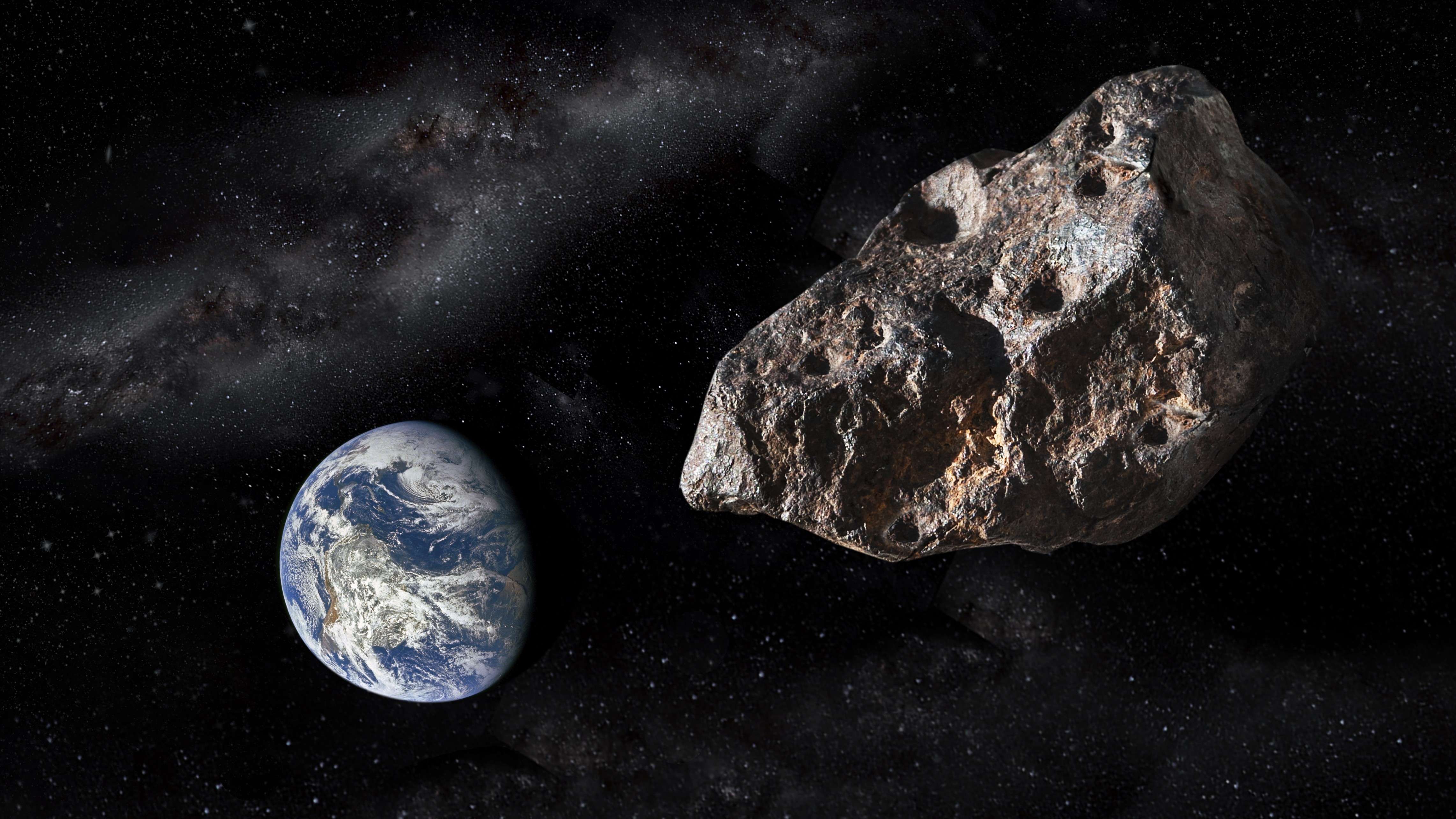
NASA’s James Webb Space Telescope refined the trajectory of near-Earth asteroid 2024 YR4, eliminating the possibility it will hit the Moon and lowering the lunar‑impact probability from about 4.3% to zero. The asteroid will pass by the Moon at roughly 13,200 miles (21,200 km) from the lunar surface in 2032, while Earth remains safely distant. The rock is estimated at 53–67 meters in diameter, and JWST’s observations—among the faintest ever of an asteroid—pushed the telescope to its limits. NASA plans another JWST look at 2024 YR4 in 2028.

60-Meter Asteroid Could Slam the Moon in 2032, Opening a Rare Lunar Science Window
space2 months ago

60-Meter Asteroid Could Slam the Moon in 2032, Opening a Rare Lunar Science Window

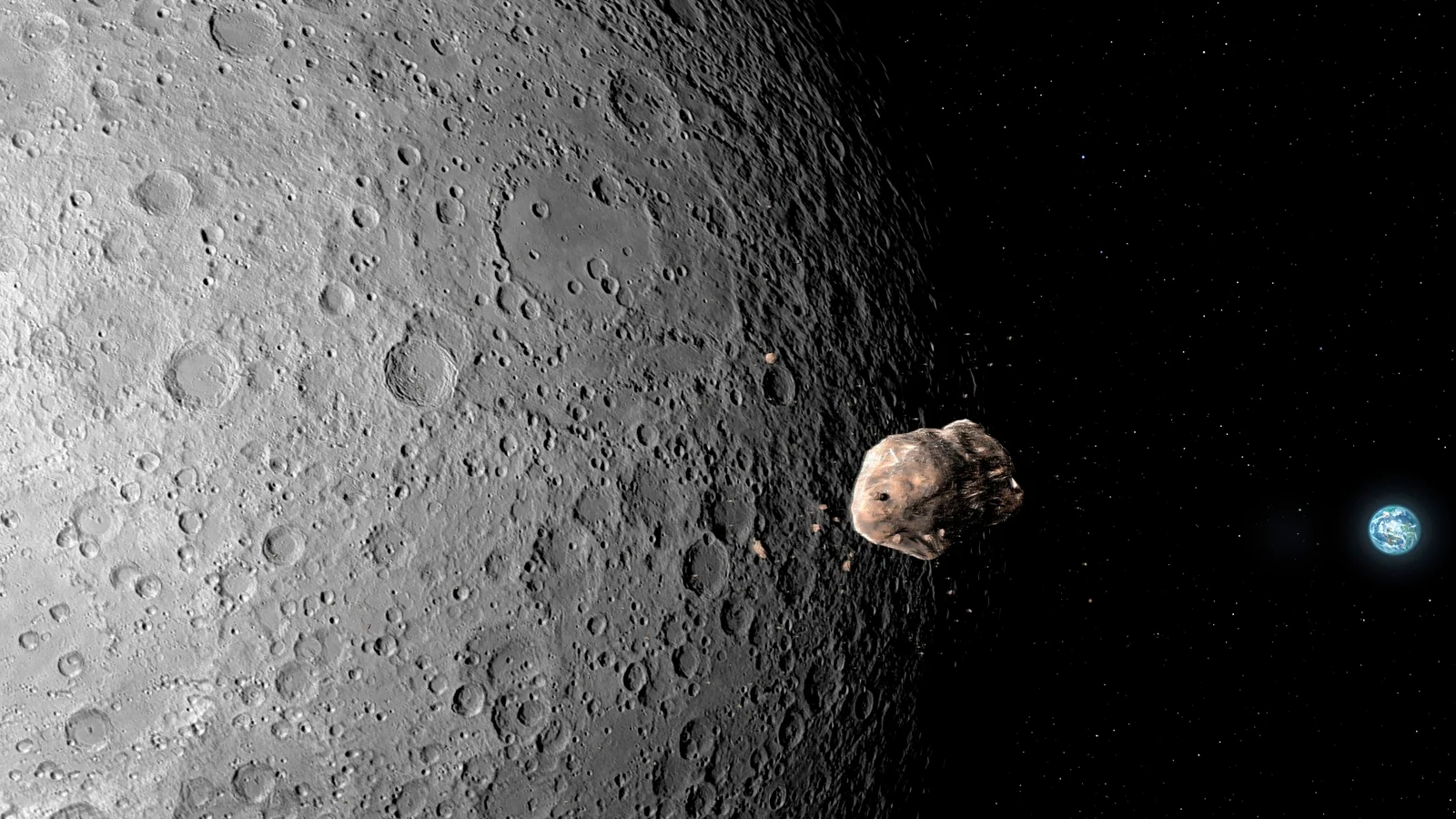
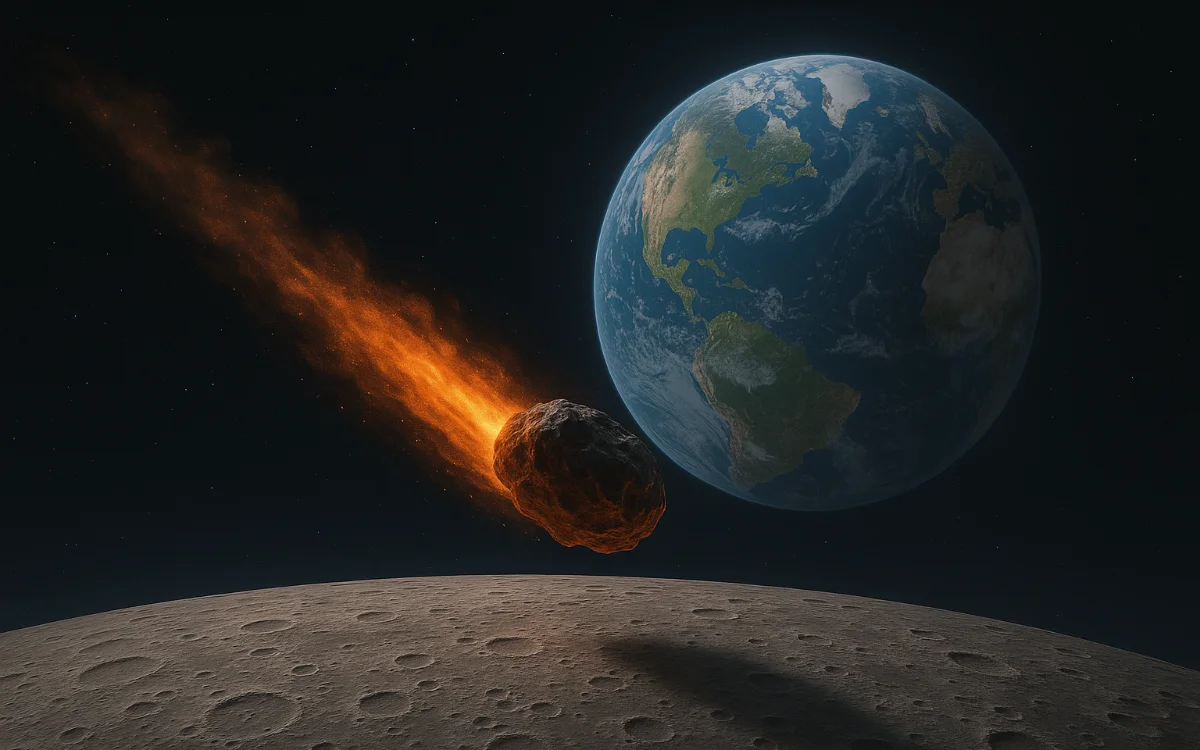
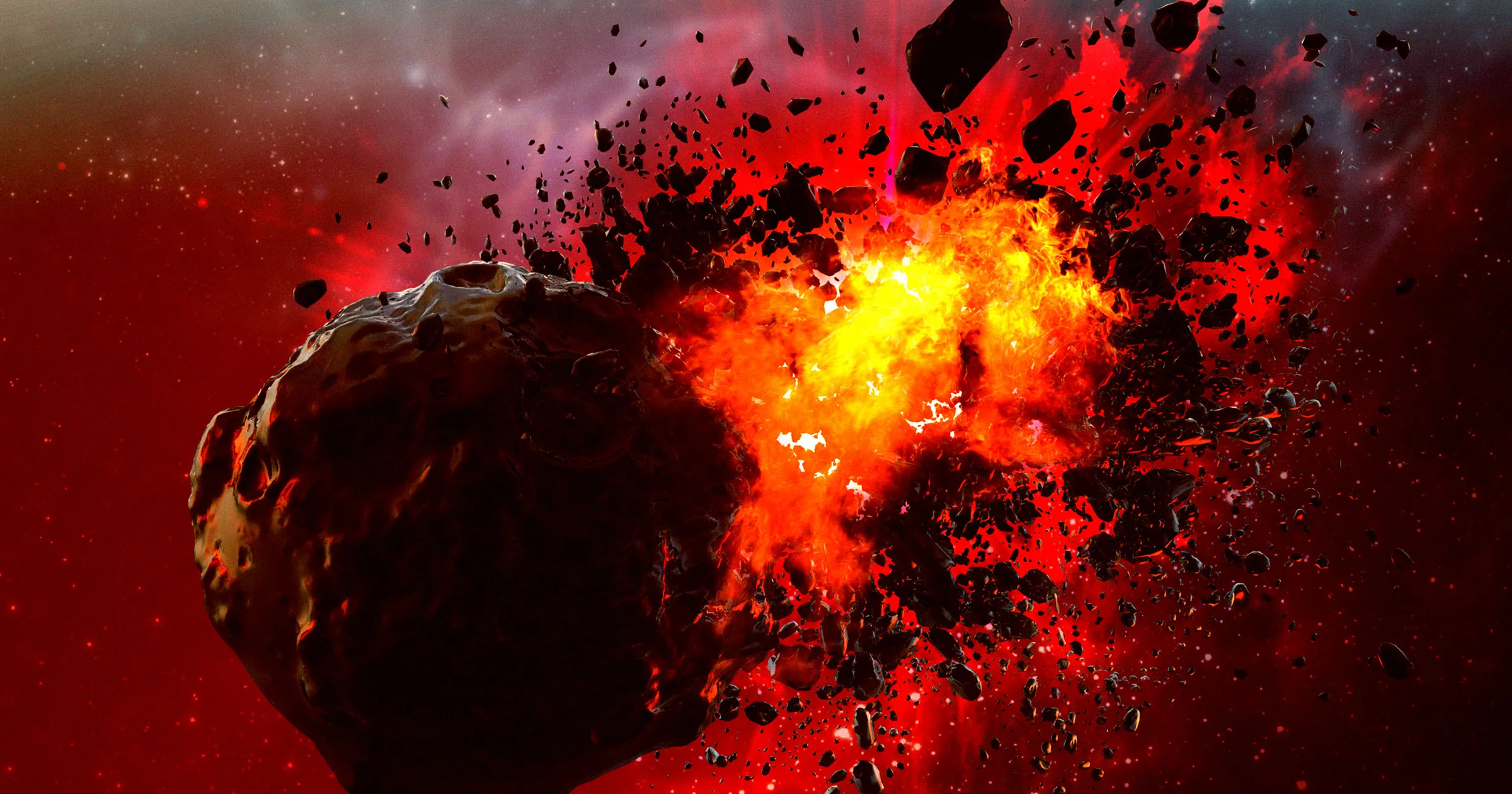
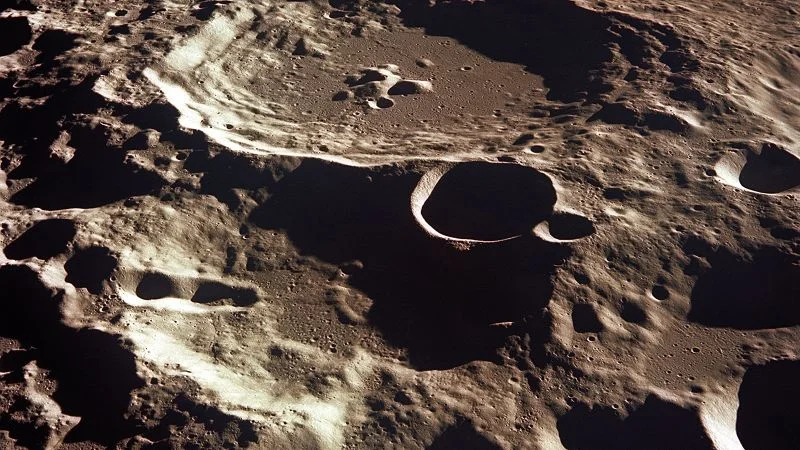
Asteroid 2024 YR4, about 60 meters wide, could strike the Moon in December 2032 with roughly a 4.3% probability, releasing energy comparable to 6.5 million tons of TNT and creating a ~1-km crater visible from Earth. The impact could trigger Moonquakes and reveal subsurface details, while lunar debris might reach Earth’s orbit and threaten satellites, prompting a debate between potential deflection (as demonstrated by NASA’s DART mission) and pursuing scientific observations of the event.

Moon could glow like Venus if 2024 YR4 hits in 2032, new simulations suggest
space2 months ago

Moon could glow like Venus if 2024 YR4 hits in 2032, new simulations suggest

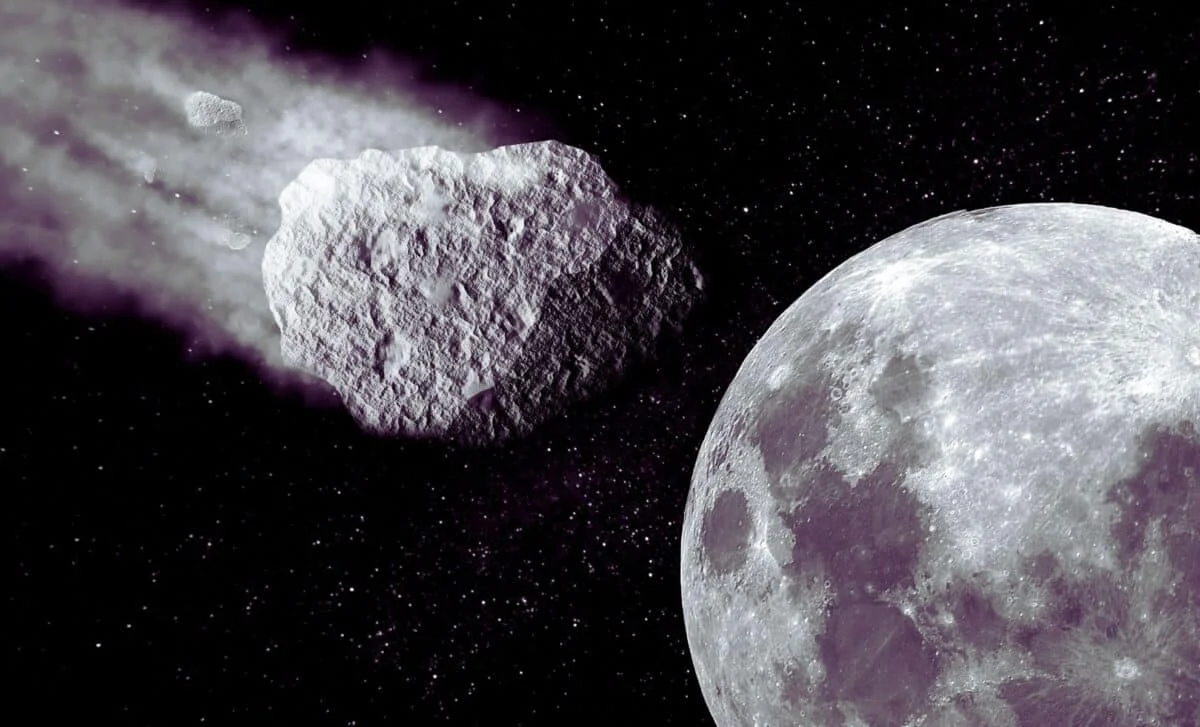
A new arXiv preprint reports that asteroid 2024 YR4, about 60 meters across, has a 4.3% chance of striking the Moon in 2032. Using 10,000 simulated trajectories, researchers map a ~3,000 km impact corridor just north of Tycho crater. The impact could unleash about 6.5 megatons of TNT energy, producing a Venus-bright flash (-2.5 to -3 magnitude) lasting 3–5 minutes and visible from Earth under favorable lighting, with a minority (about 2.85%) of flashes observable from our side of the Moon’s illuminated face. The event could eject up to 100 million kilograms of lunar rocks toward Earth, potentially triggering thousands of secondary flashes and “super meteor storms” over days to weeks. The findings are not yet peer‑reviewed.

NASA and Scientists Urge to Destroy Asteroid 2024 YR4 to Protect the Moon
science6 months ago

NASA and Scientists Urge to Destroy Asteroid 2024 YR4 to Protect the Moon

NASA is considering destroying asteroid 2024 YR4 to prevent a potential impact on the Moon in 2032, which could cause debris that threatens satellites. Due to limited time and uncertainties in the asteroid's properties, the team suggests a preemptive demolition rather than deflection, emphasizing the need for early detection and planning. The approach aims to protect Earth's satellite infrastructure from lunar impact debris.

Scientists Urge Destroying Threatening Asteroid Pre-Impact
science6 months ago

Scientists Urge Destroying Threatening Asteroid Pre-Impact

Scientists, including NASA researchers, are considering using nuclear devices to blow up the asteroid 2024 YR4, which has a very low chance of hitting Earth but a higher chance of impacting the Moon, as a method of planetary defense. The plan involves launching nuclear disruption missions within the next few years, though budget constraints and the asteroid's uncertain mass pose challenges.

Astronomers Investigate Potential Effects of an Asteroid Impact on the Moon
science8 months ago

Astronomers Investigate Potential Effects of an Asteroid Impact on the Moon

Astronomers are monitoring asteroid 2024 YR4, which initially posed a threat to Earth but now is more likely to impact the moon, potentially creating a visible impact event and lunar debris that could affect Earth’s space infrastructure. This situation highlights the expanding scope of planetary defense to include lunar impacts and the importance of advanced telescopes and impact mitigation strategies.

Understanding Asteroid Risks and Origins
science8 months ago

Understanding Asteroid Risks and Origins

Scientists determine the probability of an asteroid hitting Earth by tracking its orbit through astrometry, which involves precise observations over time to reduce uncertainty. As more data is collected, the predicted impact risk is refined, often decreasing as the orbit becomes clearer. The case of asteroid 2024 YR4 illustrates how initial impact probabilities can change significantly with additional observations, highlighting the importance of ongoing monitoring and effective communication about impact risks.