Anthropic's Claude for Creative Work now integrates with Autodesk Fusion, enabling natural-language prompts to drive design actions and turn concepts into manufacturable 3D CAD models.
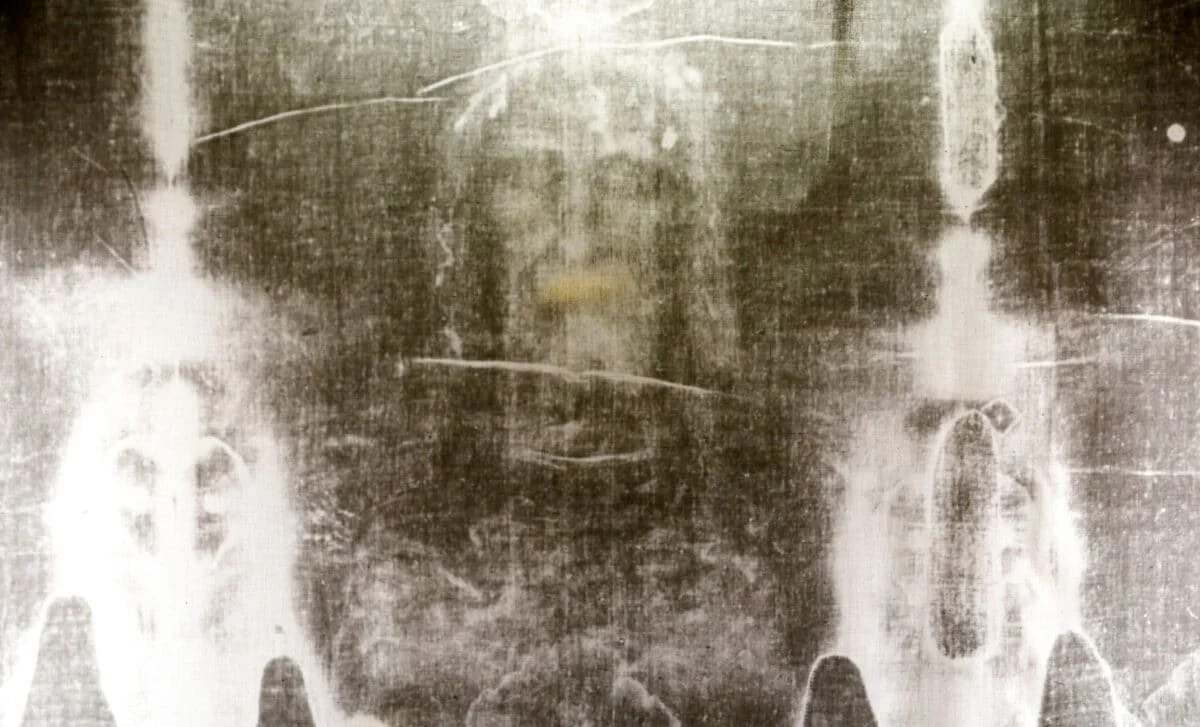
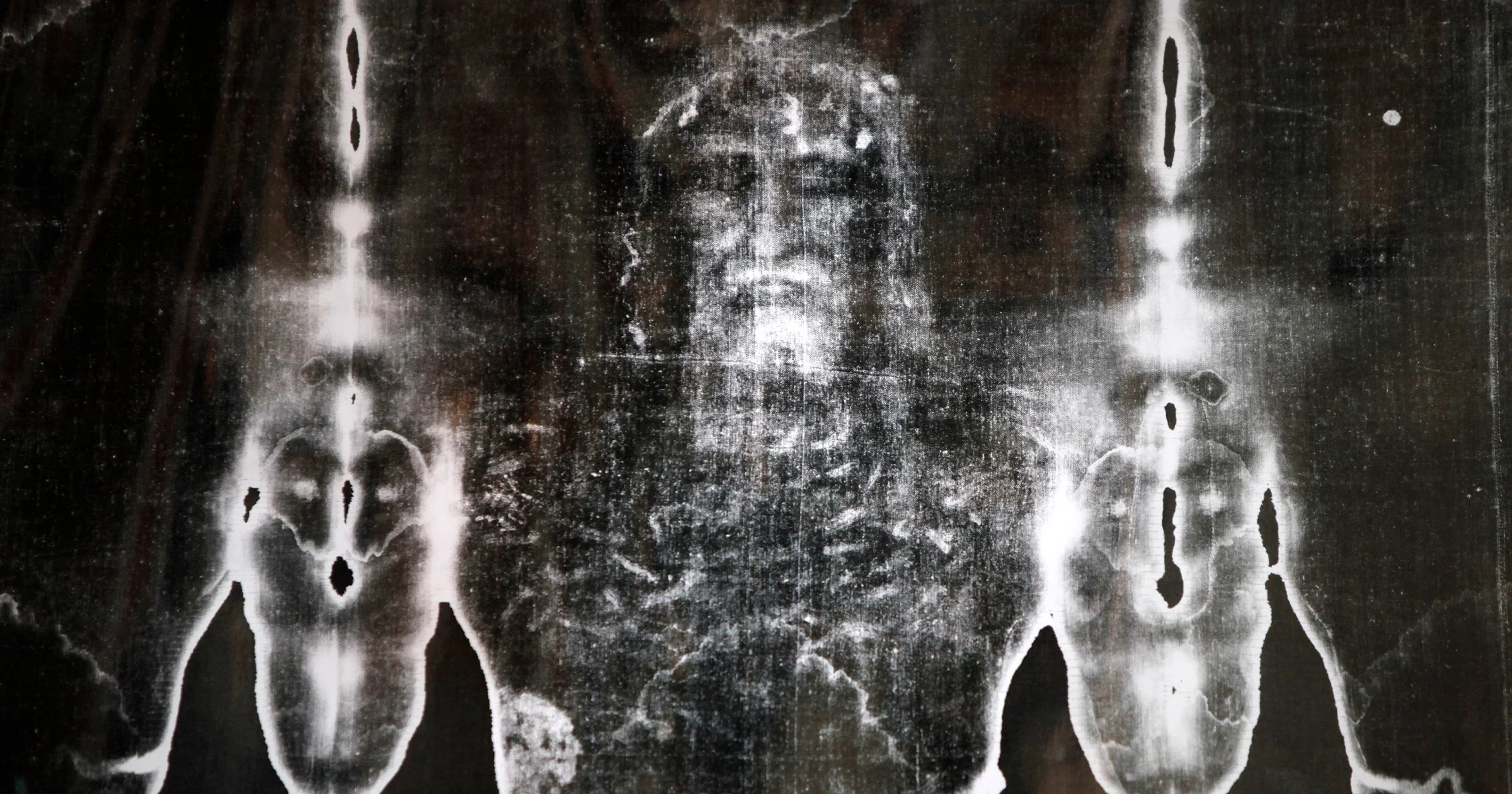
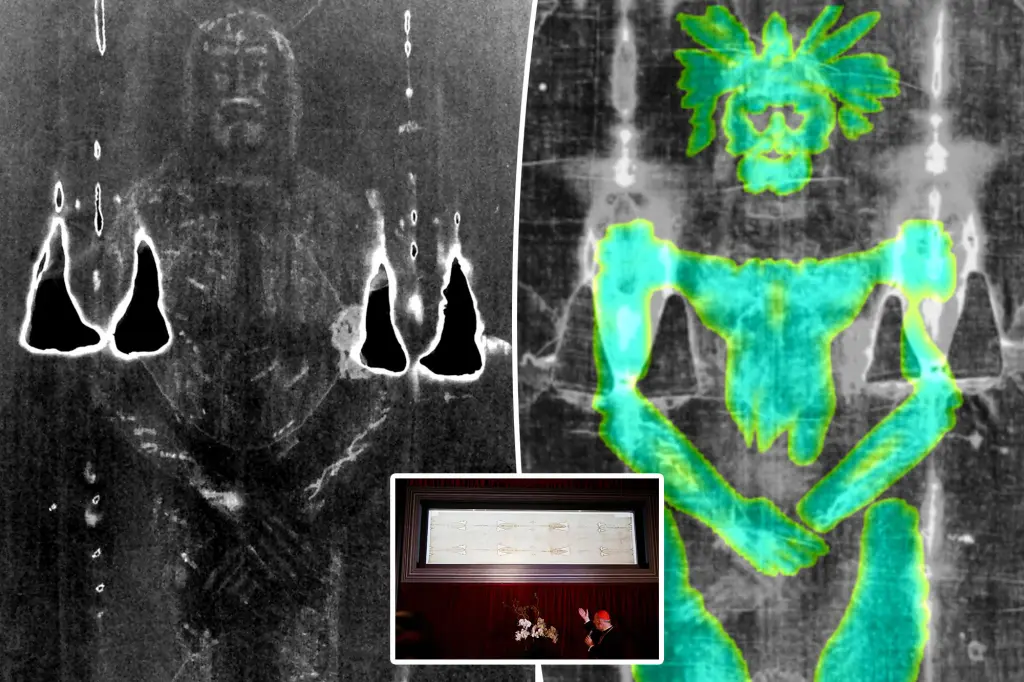
A study using open-source tools (Blender and MakeHuman) models a 1.8-meter adult male and finds that the Shroud’s image is more consistent with a low-relief artistic technique than a direct imprint from a 3D body, suggesting the famed cloth may be an artwork rather than a miraculous burial image.
Maxon has introduced a standalone AI-powered tool called Maxon Digital Twin (MDT) designed for creating digital representations of physical objects for marketing and commercial use. The company clarified that MDT uses a third-party AI agent, not trained on user works, and plans to integrate with other AI-enabled graphic apps, raising questions about future AI tools across its product lineup.
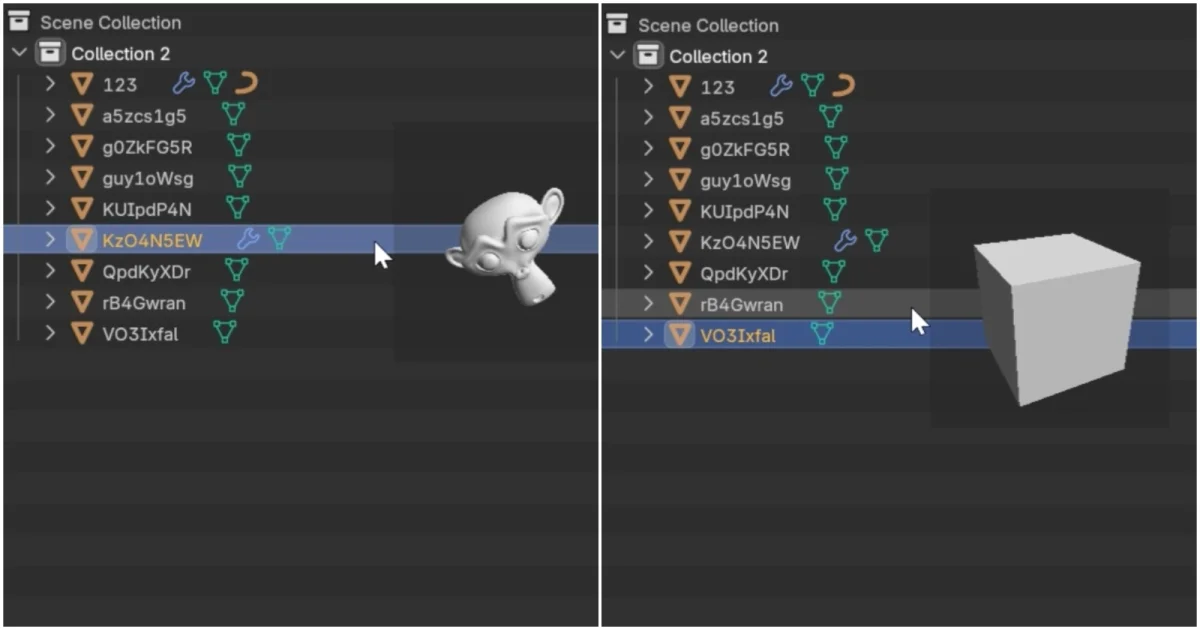
Shuimeng has released an updated free Blender add-on called Outliner Model Preview, compatible with Blender 4.2 and above, which allows users to quickly preview 3D models in the Outliner with a simple hover, enhancing workflow efficiency.
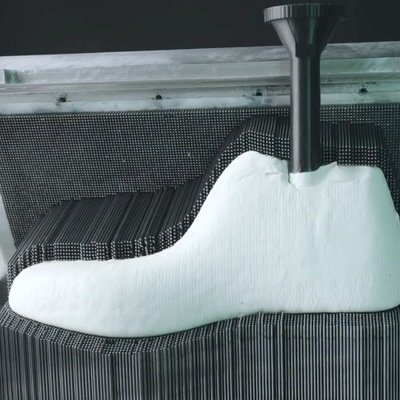
British company Fyous has developed the PolyMorphic Mold, a reconfigurable, pin-based system that allows molds to be quickly reset into any shape, reducing time, cost, and storage needs in manufacturing processes like vacuum forming and casting. The mold can handle high pressure and is claimed to be infinitely reusable, offering a versatile solution for various molding applications.
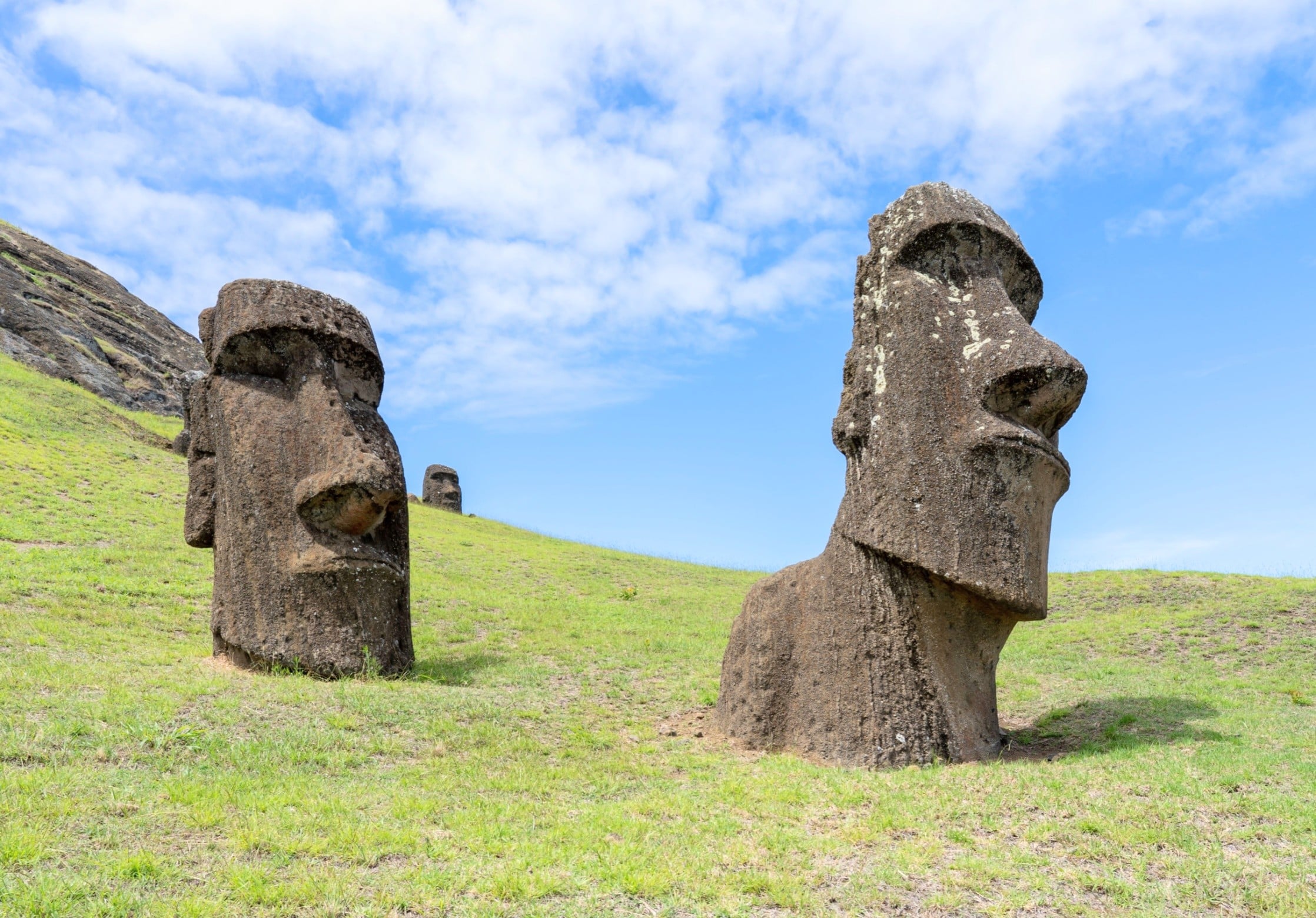
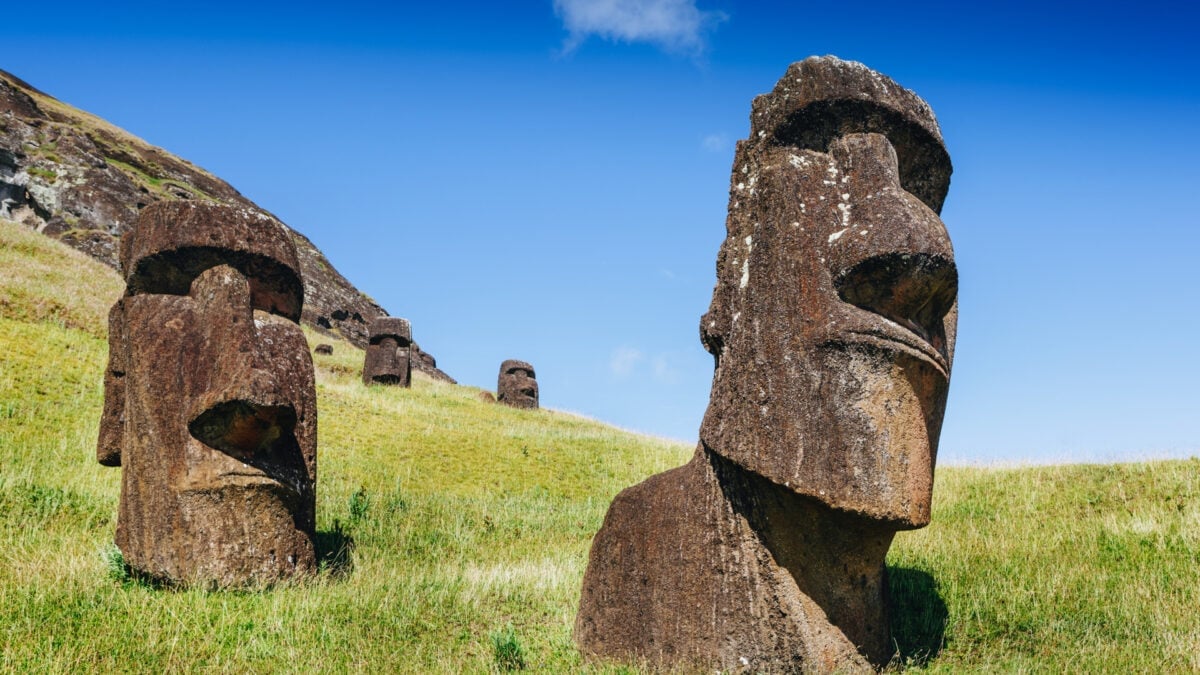
A team of researchers has demonstrated that the giant moai statues on Easter Island were moved into place by a 'walking' method using ropes, overturning previous theories. They confirmed this through experiments with replicas and analysis of ancient roads, showing that the statues could be rocked upright and guided along specially designed paths, reflecting the ingenuity and resourcefulness of the islanders. This discovery highlights the advanced engineering and cultural significance behind the statues, emphasizing human innovation in the face of resource limitations.
Scientists have demonstrated that the moai statues of Easter Island were likely moved using a 'walking' method with ropes, supported by 3D models and field experiments, challenging previous theories and aligning with local oral traditions.
A new study using 3D modeling suggests the Shroud of Turin may not be a genuine burial cloth but rather a work of art or a statue, challenging traditional beliefs about its authenticity and highlighting the potential of digital tools to explore historical mysteries.
New research suggests the Shroud of Turin was not used to wrap Jesus' body but is instead an artistic recreation, based on 3D modeling that shows its image aligns more with a low-relief art piece than a direct imprint of a human body, challenging traditional beliefs about the relic's authenticity.
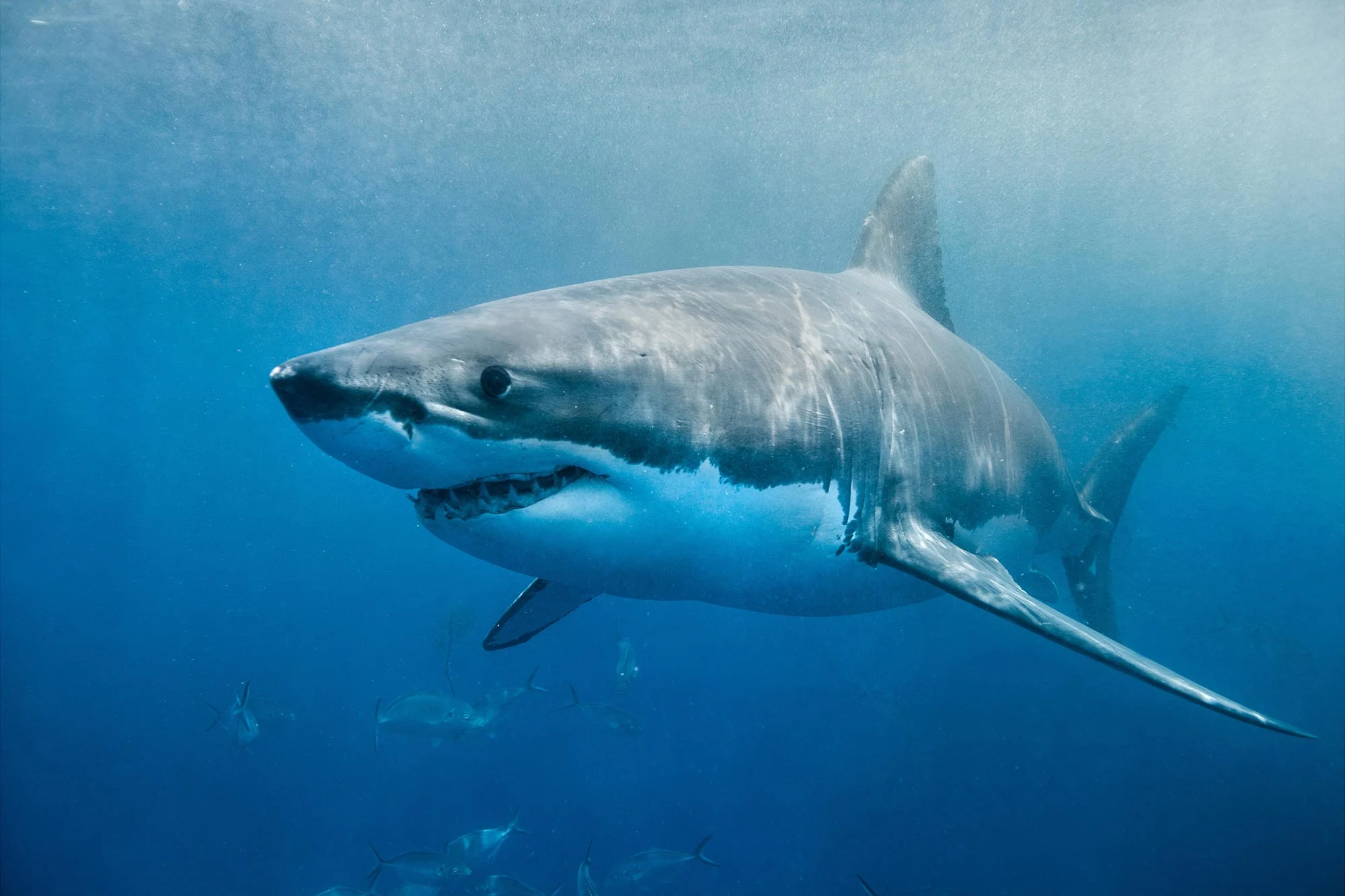
A recent study using 3D scans of 54 shark species confirmed that sharks follow the two-thirds scaling law, a long-theorized biological rule relating surface area and volume, with high precision, providing insights into their physiology and evolutionary constraints.
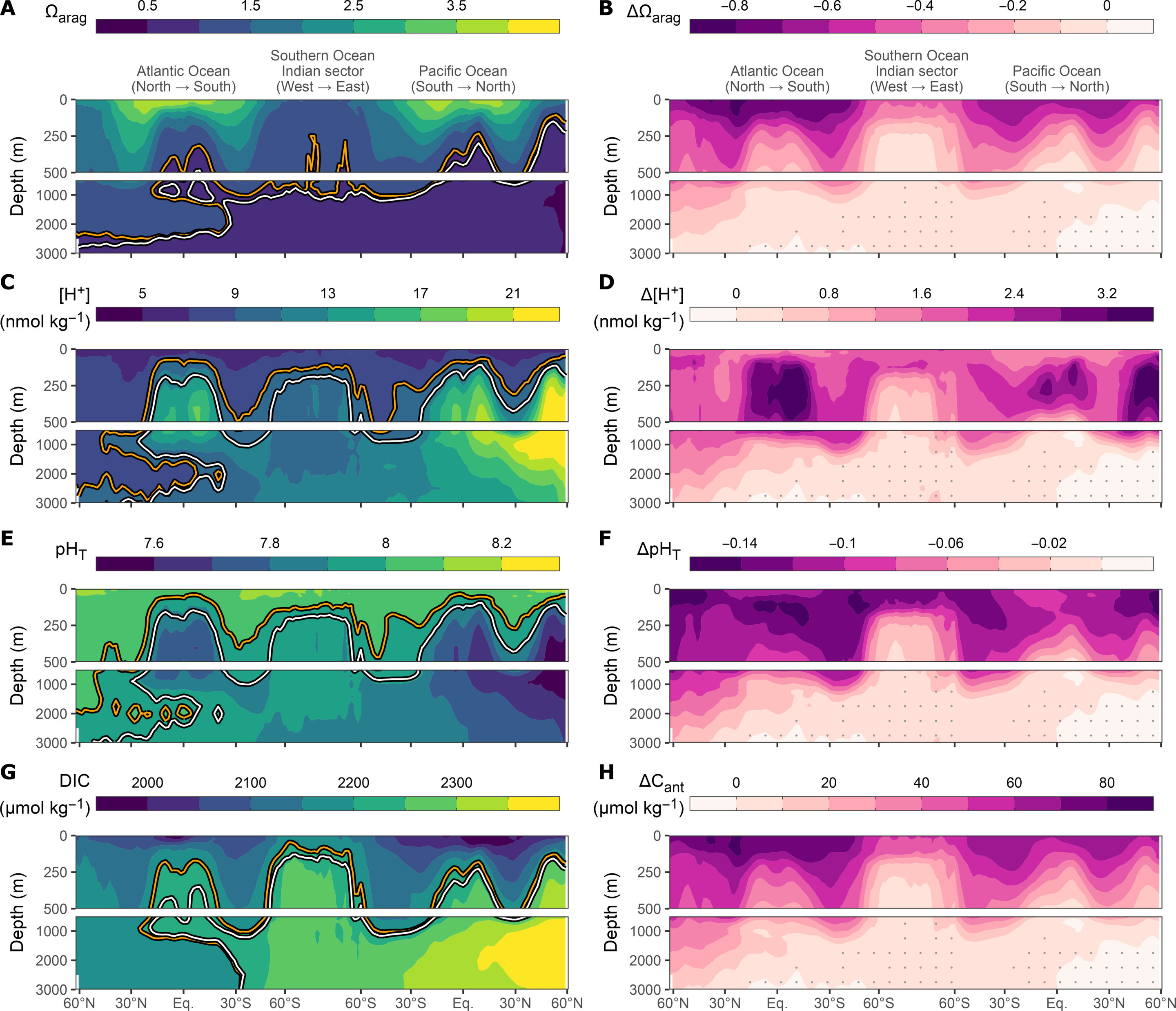
Researchers at ETH Zurich have developed a 3D model to study ocean acidification, revealing that increased atmospheric CO2 has caused acidification to penetrate deeper into the oceans, reaching an average depth of 1,000 meters by 2014. The study highlights the impact on marine life, particularly organisms like pteropods, whose calcium shells are vulnerable to dissolving in more acidic waters. The model used historical CO2 data to simulate changes in ocean chemistry over time, showing significant acidification in areas like the Atlantic meridional overturning current.
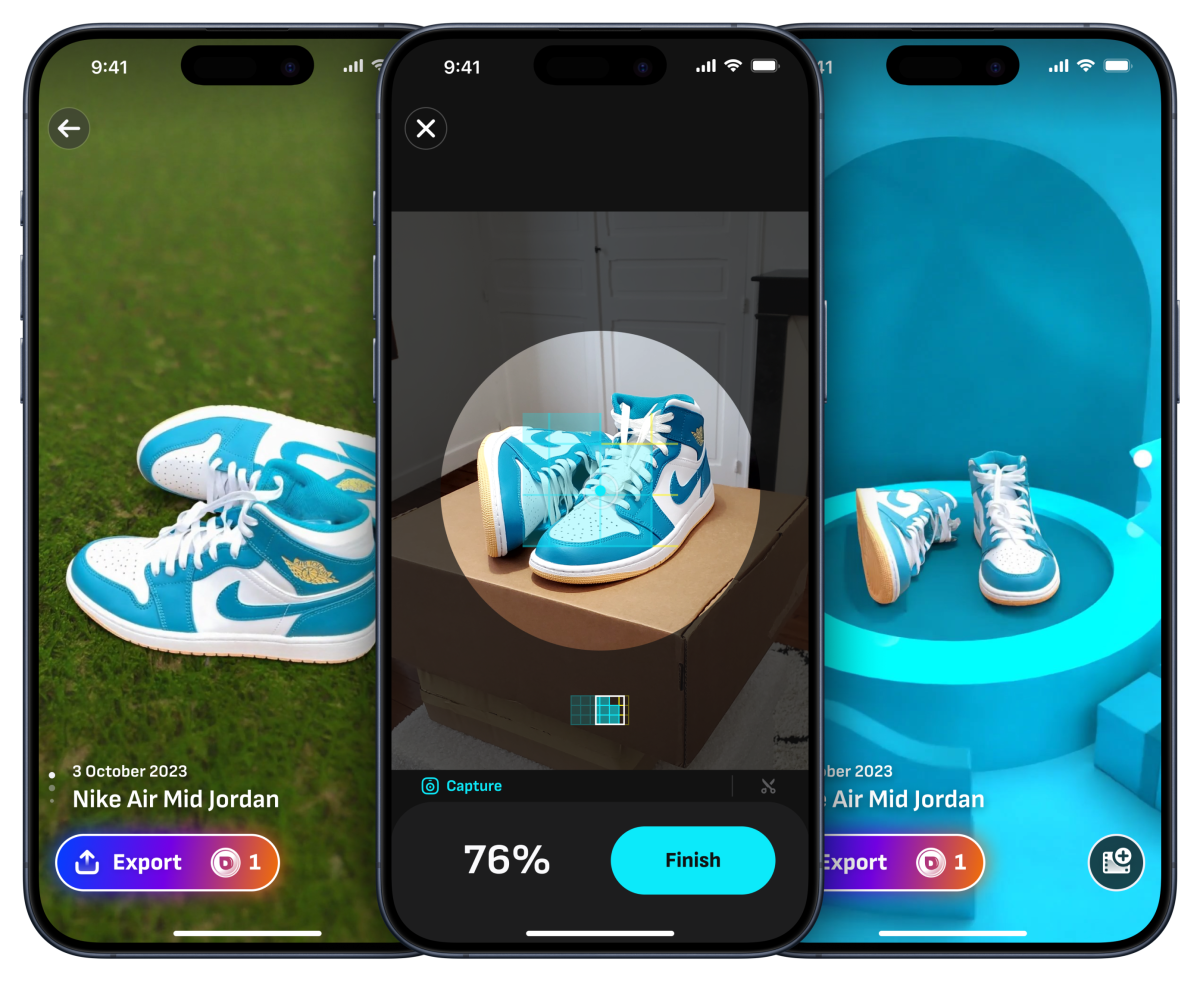
French startup AniML has launched Doly, an iPhone app that simplifies the creation of 3D product videos for e-commerce. Using AI and a technique called Gaussian splatting, Doly allows users to capture 3D models of products with their phone and integrate them into professional-looking videos. The app offers various templates for different marketing needs, and users can purchase and download the final videos. AniML has raised $2 million in seed funding to support this venture.
Nvidia has unveiled LATTE3D, a text-to-3D generative AI model that can rapidly convert text prompts into 3D representations of objects and animals, catering to various industries such as gaming, design, and robotics. The model, developed by Nvidia's Toronto-based AI lab team, can produce 3D shapes almost instantly when running inference on a single GPU, marking a significant advancement in speed. While some have raised concerns about the quality of the results, LATTE3D represents a major leap in generative 3D technology, offering high quality and rapid processing.
Researchers at the University of Surrey have trained an AI system to predict the 3D pose of dogs from 2D images using the video game Grand Theft Auto, creating a database called DigiDogs. This AI system could have various applications, from ecology to animation, and may help conservationists spot injured wildlife or assist artists in creating more realistic animals in the metaverse. The team plans to further refine the system using real dog photographs and Meta's DINOv2 model to ensure accurate 3D pose prediction.
DJI, a leader in drone technology, has launched their first 3D model editing software called DJI Modify, designed to work seamlessly with DJI Terra for industries such as surveying, mapping, urban planning, firefighting, and emergency response. The software aims to streamline model editing tasks, including repairing drone-captured 3D models, removing floating parts, flattening areas, repairing textures, filling holes, and repairing water surfaces. DJI Modify is currently available for free trial for six months and represents DJI's expansion beyond drone manufacturing into the realm of intelligent editing software for film and video production.