
AI Rush Pushes U.S. Trade Gap to 16-Month High in July
The U.S. trade deficit widened to $88.6 billion in July—the largest in 16 months—as imports, including electronics for the AI boom, outpaced exports.

All articles tagged with #july
The U.S. trade deficit widened to $88.6 billion in July—the largest in 16 months—as imports, including electronics for the AI boom, outpaced exports.

China's July exports rose 23.9% year-on-year, beating forecasts as AI infrastructure demand and a surge in chip shipments supported growth; imports climbed 27.5%, and the trade surplus reached $112.5 billion. Semiconductor exports jumped 117% in July, with electrical and mechanical goods (EVs, batteries, wind equipment) accounting for a large share of shipments. U.S. shipments rose about 17% amid tariff changes, while EU demand also grew, signaling the export engine could stay strong into Q3 even as domestic consumption remains weak.
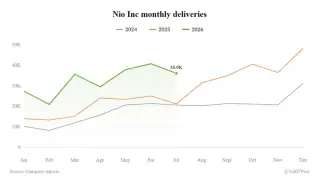
Nio delivered 35,934 vehicles in July, up 71% year over year but down from June, signaling strong annual growth with a seasonal month-to-month dip.

Vulture curates a July Netflix watchlist of 10 films spanning drama, thriller, and sports, from Apollo 13 and Gone Girl to Saw X and Obvious Child, highlighting standout performances and why each title is worth streaming this month.

Google has pushed the Gemini 3.5 Pro rollout from June to July to incorporate real-world feedback from early testers and refine long-horizon tasks and agent-powered capabilities, as competition with OpenAI and Anthropic heats up; some users have had early access on Antigravity and LMArena, and 3.5 Pro builds on lessons from Flash 3.5.
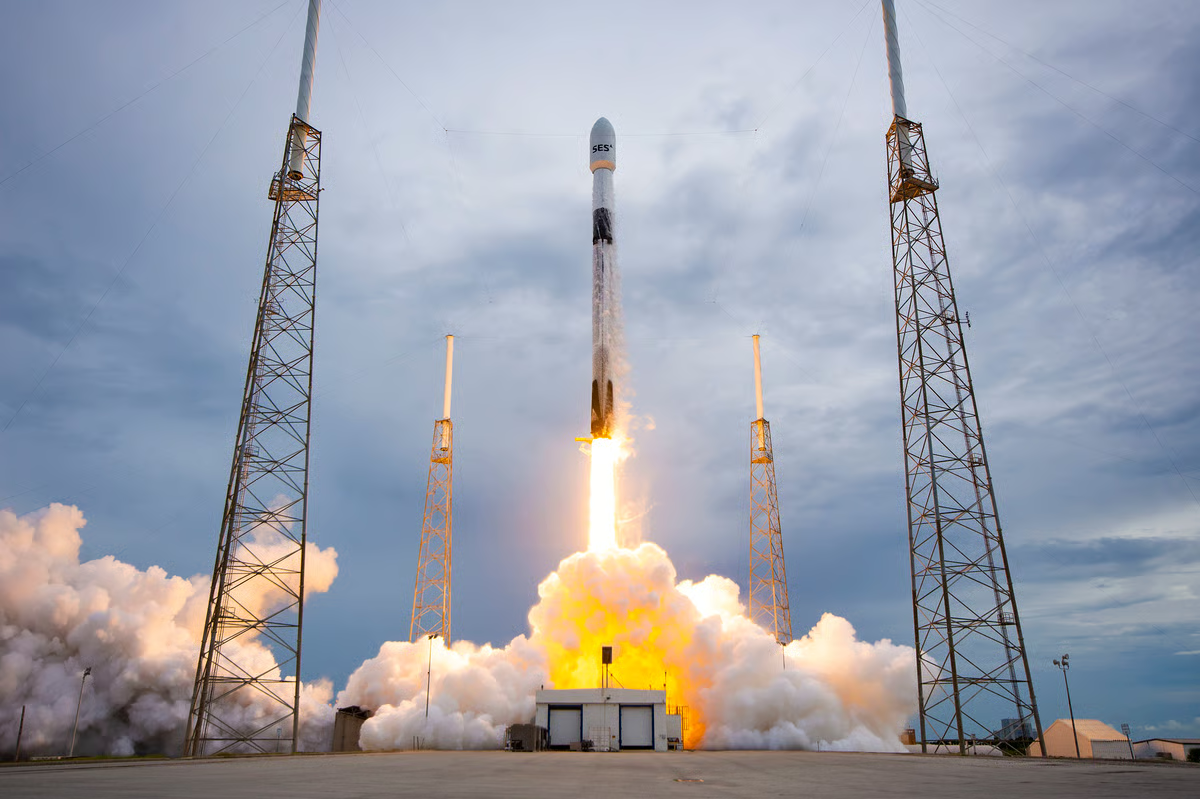
SpaceX is going public at a record $1.75 trillion valuation with a $135 listing price, but The Motley Fool argues the high market valuations and a sky‑high price‑to‑sales multiple, plus weak near‑term fundamentals, could push the stock down—potentially to about $75 a share in July—before any long‑term upside from its space, data, and AI ambitions materializes, making a patient entry more sensible for investors wagering on growth.
SpaceX is going public in what could be the biggest IPO, with a $135 listing and a roughly $1.75 trillion valuation, bypassing traditional price discovery. The offering has strong bank support, but The Motley Fool argues the near-term stock could fall, potentially to about $75 a share in July, given a frothy market, a sky‑high price-to-sales multiple, and slowing revenue growth post-merger. Bulls counter that a vast long-term opportunity—tens of trillions in addressable market—could justify substantial upside over years, despite rough post-IPO analogs like Meta and Uber.

Washington’s John F. Kennedy Center for the Performing Arts will close for two years for renovations starting in July, a plan Trump says was prompted by performers’ backlash as the center contends with controversy over the project.

The UK economy experienced no growth in July, following a significant manufacturing contraction, with a focus on rolling three-month growth figures; the government faces pressure to boost growth and may consider tax increases in the upcoming Budget amid economic challenges and political debates.

China's July exports rose over 7%, surpassing expectations, while imports experienced their largest increase in a year, indicating a strong trade performance despite ongoing tariff negotiations with the US. The trade surplus also increased significantly, supporting the economy, although factory activity showed some slowdown.

Wall Street's reaction to a poor July jobs report has revived speculation about a potential interest rate cut in September, impacting market sentiment and trading activity.

Washington D.C. experienced a scorching day with temperatures reaching 98°F, making it the second-warmest day of the year and only slightly below the record set 95 years ago, as part of a broader heatwave across the U.S.

Late July offers a spectacular opportunity for stargazers to observe three meteor showers—the Alpha Capricornids, Southern Delta Aquariids, and Perseids—especially with the moon setting early, providing dark skies for optimal viewing, with peak activity around July 30 for the first two and mid-August for the Perseids.
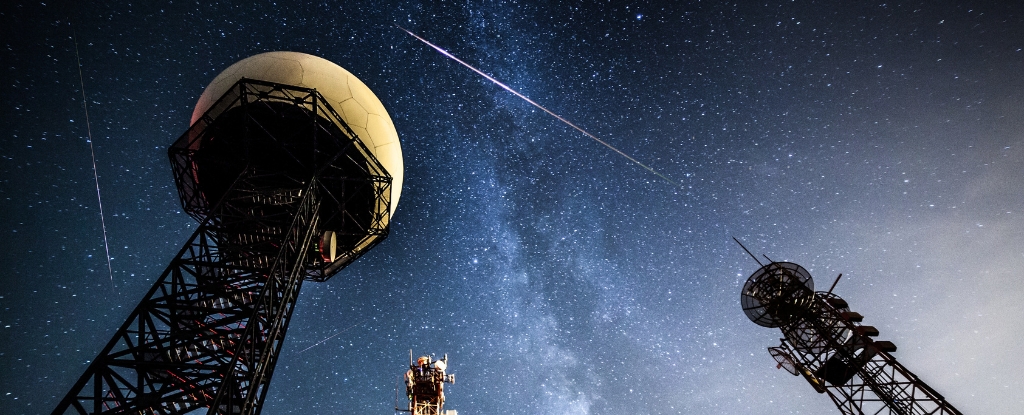
The second half of July and early August offer prime opportunities to view three major meteor showers—the Alpha Capricornids, Perseids, and Southern Delta Aquariids—with optimal viewing conditions due to moon phases, making it an ideal time for skywatching enthusiasts to observe these spectacular celestial events.
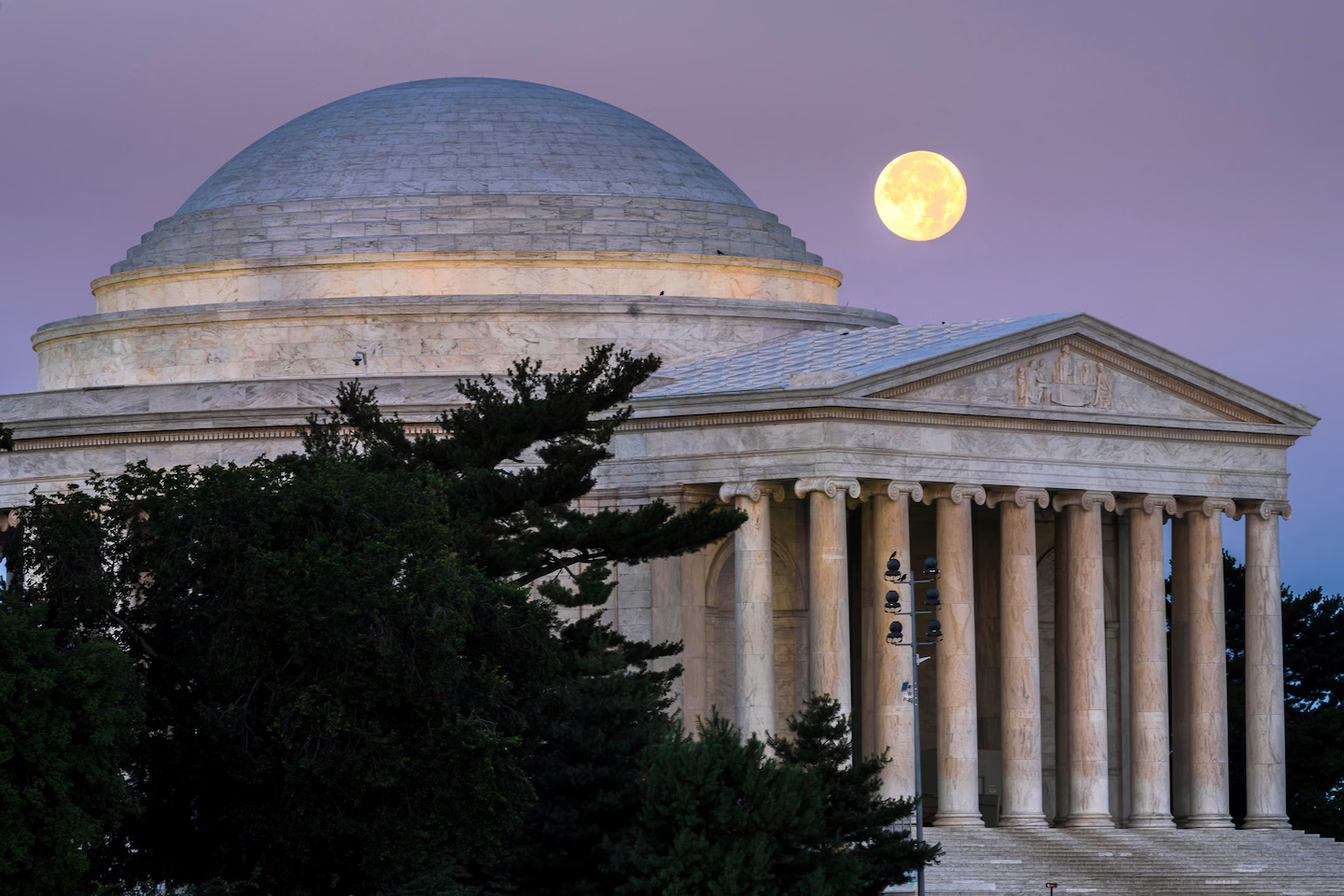
July's full moon, known as the buck moon, will reach peak illumination at 4:38 p.m. Eastern on Thursday, best viewed during the predawn and evening hours, and is named for the antler growth on male deer and its proximity to summer thunderstorms.