Tag

Meteors

All articles tagged with #meteors

Earth Faces a Spike in Daytime Fireballs in 2026
space14 days ago

Earth Faces a Spike in Daytime Fireballs in 2026

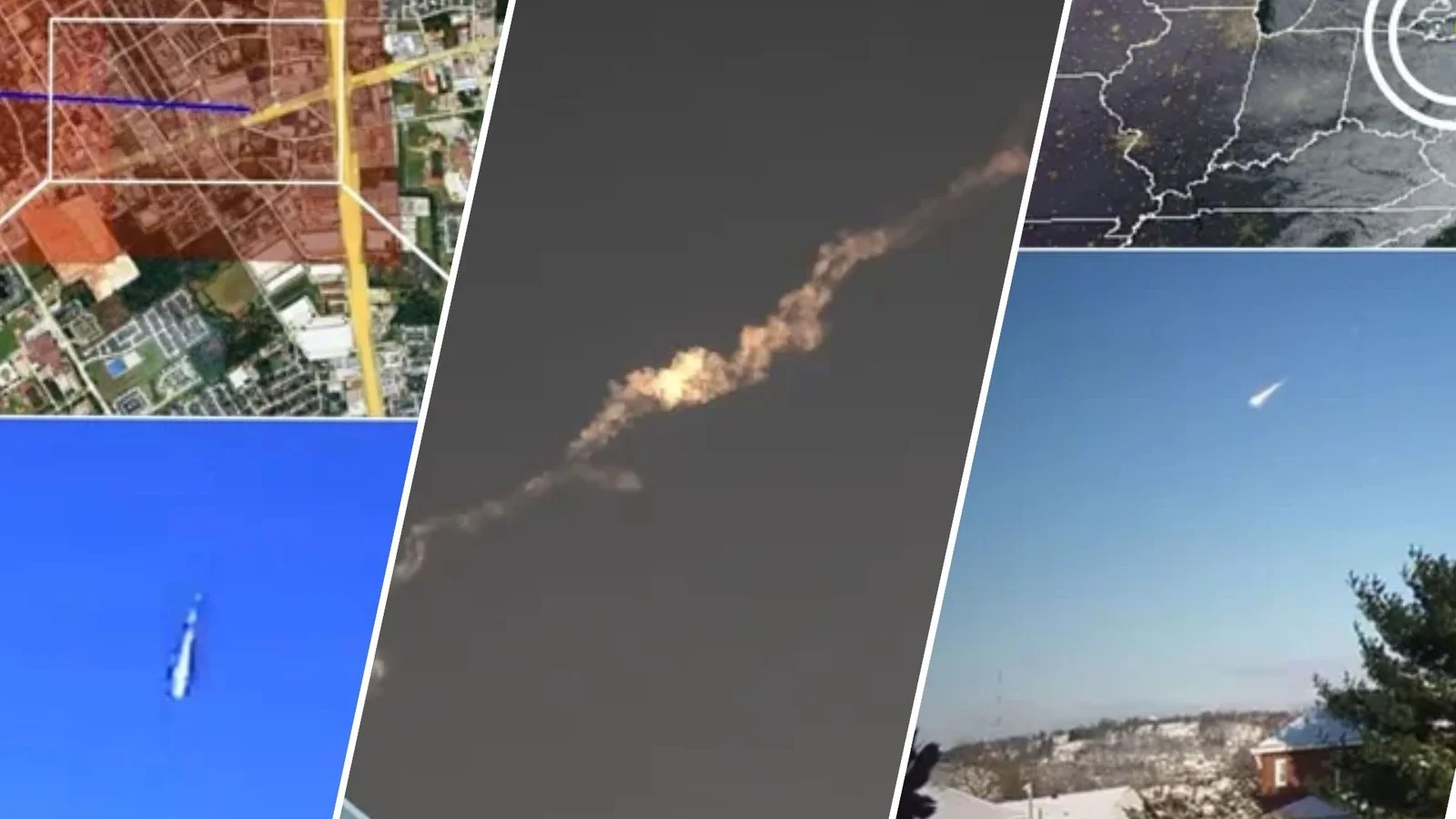
Earth is experiencing an unusual surge of large daytime fireballs in early 2026, with 2,046 fireball events in Q1 and several bright, high‑energy events visible from multiple continents, including a 3,229‑report Western Europe daytime bolide and a 7‑ton asteroid over Ohio/Pennsylvania. Trajectories cluster around the Anthelion direction and high‑declination radiants, suggesting debris from multiple inner‑solar‑system sources rather than a single shower or alien activity. Recovered meteorites are eucrites/diogenites (achondrites) from differentiated asteroids, implying a possible recent breakup of a large parent body. Scientists emphasize gaps in current monitoring and call for expanded automated all‑sky cameras and cross‑referencing with radar and infrasound to improve near‑Earth defense.

Bright Fireball Surge Across North America Indicates Real Uptick in Meteoroids
space14 days ago

Bright Fireball Surge Across North America Indicates Real Uptick in Meteoroids

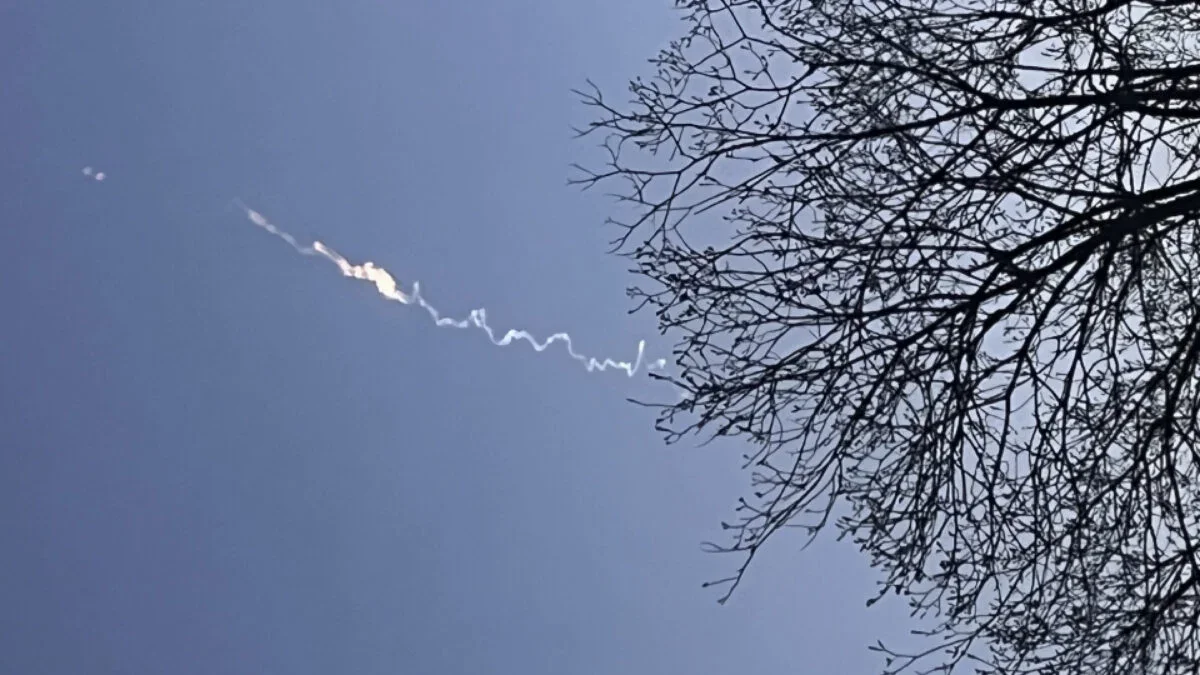
Unusually bright fireballs were seen across North America in March 2026; data from the American Meteor Society suggests a real uptick in large fireball events and meteorite recoveries, beyond reporting bias, with possible contributions from longer meteors and springtime orbital dynamics, while AI and better cameras may amplify reporting but do not fully explain the trend.

Record Meteor Boom Surge in 2026 Triggers Scientific Scrutiny
science15 days ago

Record Meteor Boom Surge in 2026 Triggers Scientific Scrutiny

A 2026 spike in loud, well-documented meteor fireballs—including a 7-ton object over Ohio and a March event with over 3,200 witnesses in Western Europe—has researchers calling for serious investigation. AMS analysis shows higher rates and more witnesses than typical, with a notable contribution from Anthelion-origin meteors. The findings discount a new meteor shower or extraterrestrial spacecraft, but whether the uptick reflects normal variance or unknown debris remains unclear, warranting continued monitoring.

Western skies flash again as third meteor sighting in a week
science17 days ago

Western skies flash again as third meteor sighting in a week

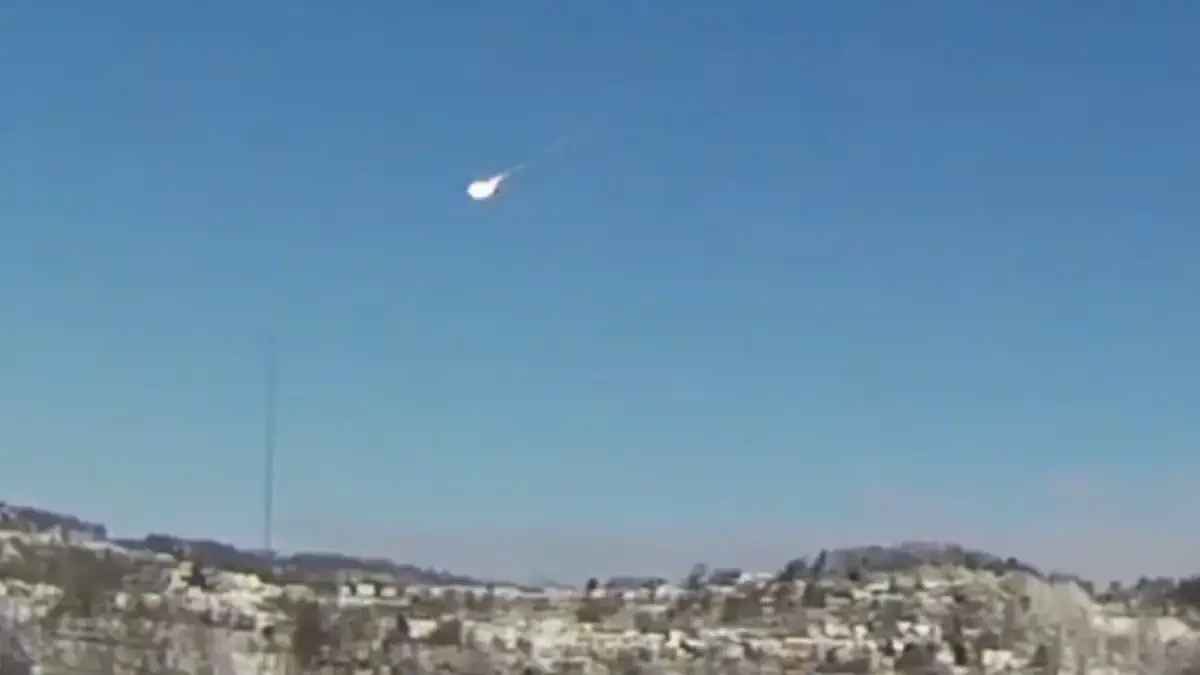
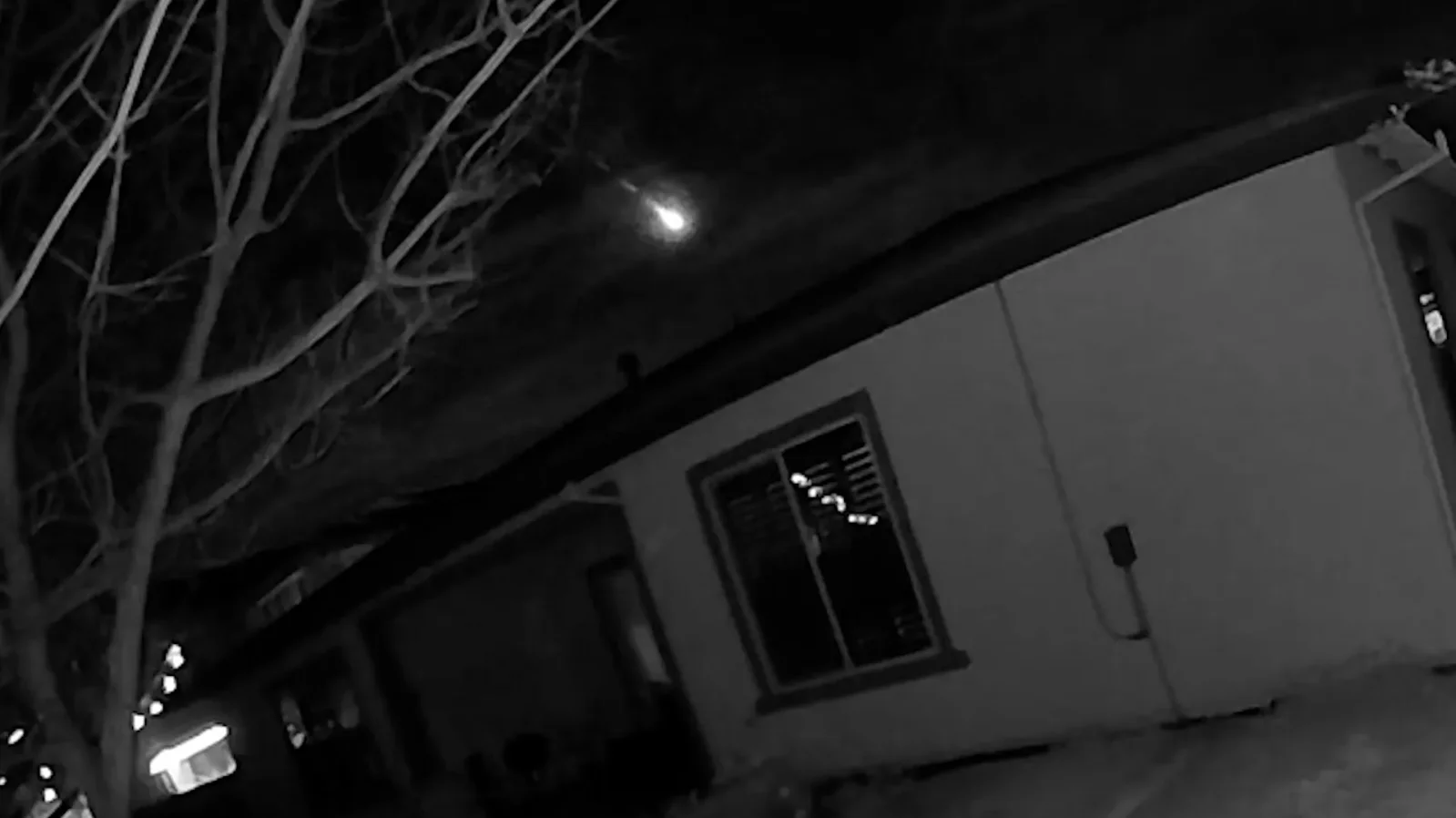
A bright fireball was seen around 8 p.m. PT Sunday across California, Nevada and Arizona, with hundreds reporting to the American Meteor Society (AMS) and more than 300 sightings logged. It’s the US’s third meteor sighting in a week, following earlier events in Ohio and Texas. NASA explains meteors are space rocks burning up in Earth’s atmosphere, and the next notable event is the annual Lyrid meteor shower in April.

January's Meteor Shower and Supermoon to Illuminate Night Skies
science3 months ago

January's Meteor Shower and Supermoon to Illuminate Night Skies

The first supermoon and Quadrantid meteor shower of the year will occur in January, but the bright moonlight may reduce the visibility of the meteors, which are best seen from the Northern Hemisphere in dark skies before dawn. Both events are visible without special equipment, with the meteor shower peaking Friday night into Saturday morning and the supermoon visible throughout the night.

Upcoming Meteor Showers in December 2025: When and Where to Watch
science3 months ago

Upcoming Meteor Showers in December 2025: When and Where to Watch

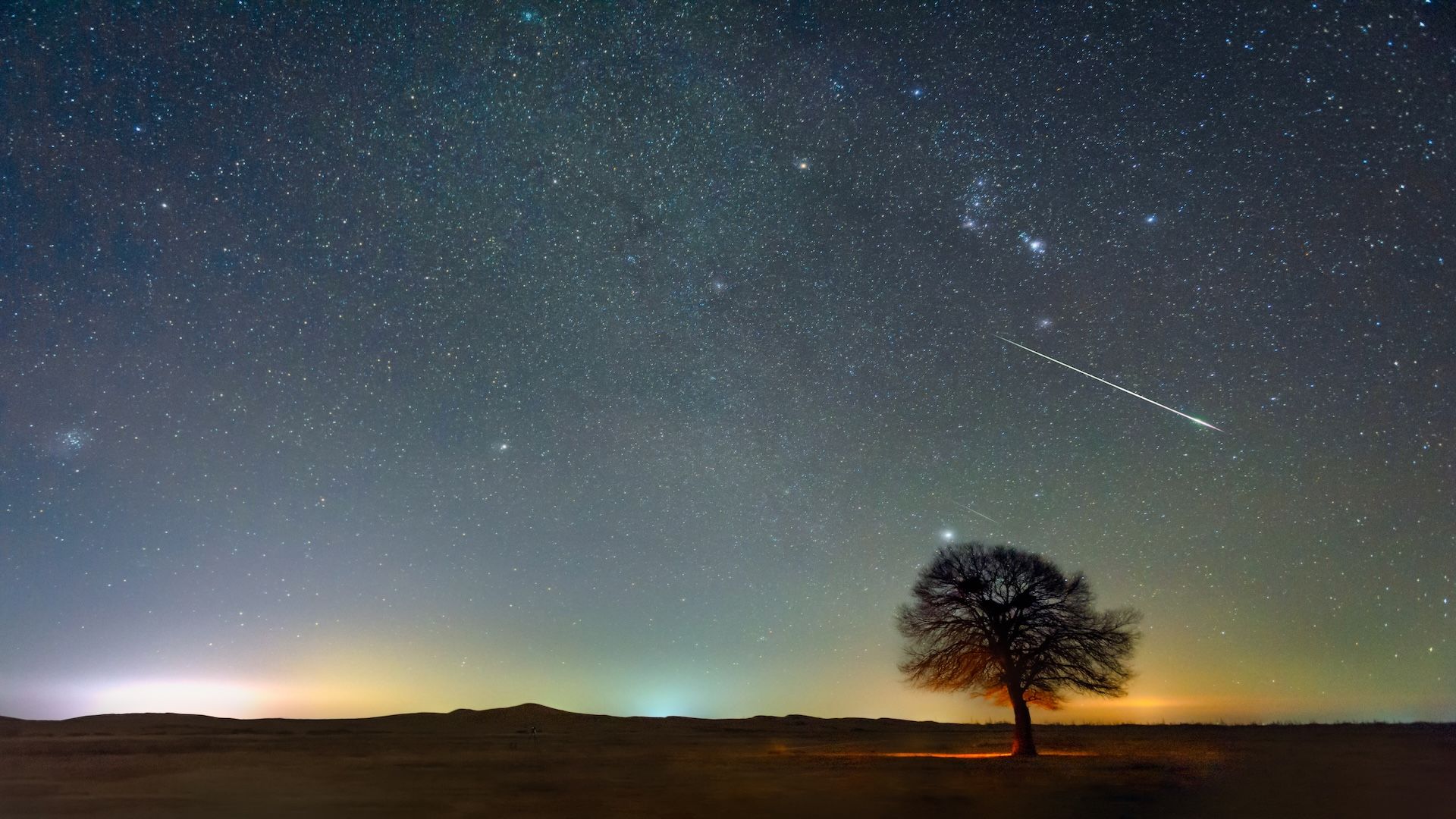
The Ursid meteor shower peaks overnight on December 21-22, 2025, coinciding with the winter solstice, offering a great opportunity for stargazing under dark skies, especially before dawn on December 22 when the radiant point is highest in the northern sky. The shower, caused by debris from Comet 8P/Tuttle, usually produces 5-10 meteors per hour but can have outbursts exceeding 25, with historical peaks of 100 meteors per hour.

October's Meteor Showers: Highlights and Viewing Tips
science6 months ago

October's Meteor Showers: Highlights and Viewing Tips

The Draconid meteor shower peaks this week around 3 p.m. ET, but visibility may be limited due to the supermoon brightness. Best viewing is right after dark toward the northern sky, especially near the constellation Draco, though activity is expected to be low. The Orionids will peak later this month with better visibility during a new moon, offering 10-20 meteors per hour. The Draconids are known for rare meteor storms, occurring roughly every six years.

Aurigid Meteor Shower Peaks Overnight on August 31
science7 months ago

Aurigid Meteor Shower Peaks Overnight on August 31

The Aurigid meteor shower peaks on August 31, offering a chance to see up to six shooting stars per hour as Earth passes through debris from comet C/1911 N1 Kiess, with the best viewing time in the early hours of September 1 in the eastern sky. Stargazers are advised to look away from the radiant near theta Aurigae and can enhance their experience with suitable cameras like the Nikon Z6 II.

Perseid Meteor Shower 2025: How, When, and Where to Watch the Spectacle
science7 months ago

Perseid Meteor Shower 2025: How, When, and Where to Watch the Spectacle

The Perseid meteor shower, visible until August 23 and peaking on August 12-13, offers a spectacular view of bright meteors, especially in dark rural areas. Despite moonlight and weather challenges, Ohio residents can maximize their viewing by visiting designated dark sky parks like Geauga Observatory Park and Fry Family Park, and watching after midnight or before dawn. Clear skies and minimal light pollution are key for the best experience.