Tag

Analog Mission

All articles tagged with #analog mission

NASA seeks four volunteers for a yearlong Moon-and-Mars habitat simulation
space7 days ago

NASA seeks four volunteers for a yearlong Moon-and-Mars habitat simulation

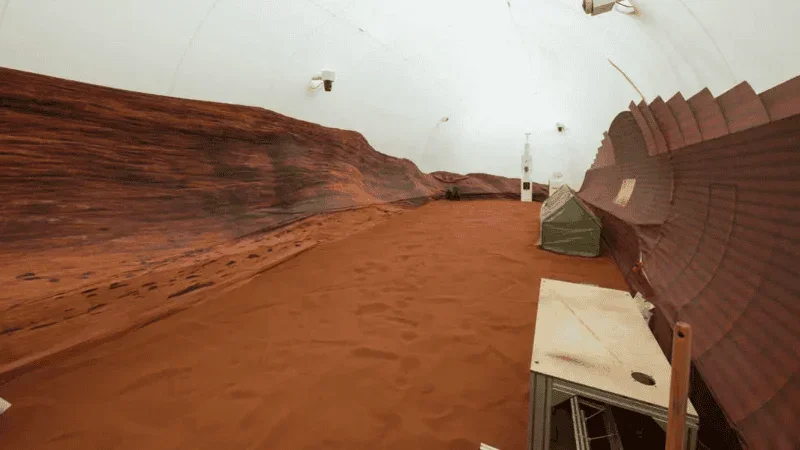
NASA is recruiting four volunteers for a yearlong Moon and Mars Exploration Analog (MMEA) at the Johnson Space Center to simulate living in space. The program, starting no earlier than August 2027, will place participants in two habitats—a 650-square-foot mock spacecraft and a 900-square-foot surface habitat—for three mission phases that mimic travel, surface living, crop growth, health maintenance, and spacewalk practices, with two months of pre- and post-mission training (14 months total). Applicants must be U.S. citizens or green-card holders aged 30–55, fluent in English, and hold bachelor’s degrees in engineering, biological/physical sciences, or mathematics (advanced STEM degrees or military experience also considered). The study aims to reduce risks and test countermeasures for long-duration space travel and Moon/Mars objectives, including adjustments for Mars time.
NASA Seeks Volunteers for a Year-Long Mars Analog Mission
science13 days ago

NASA Seeks Volunteers for a Year-Long Mars Analog Mission

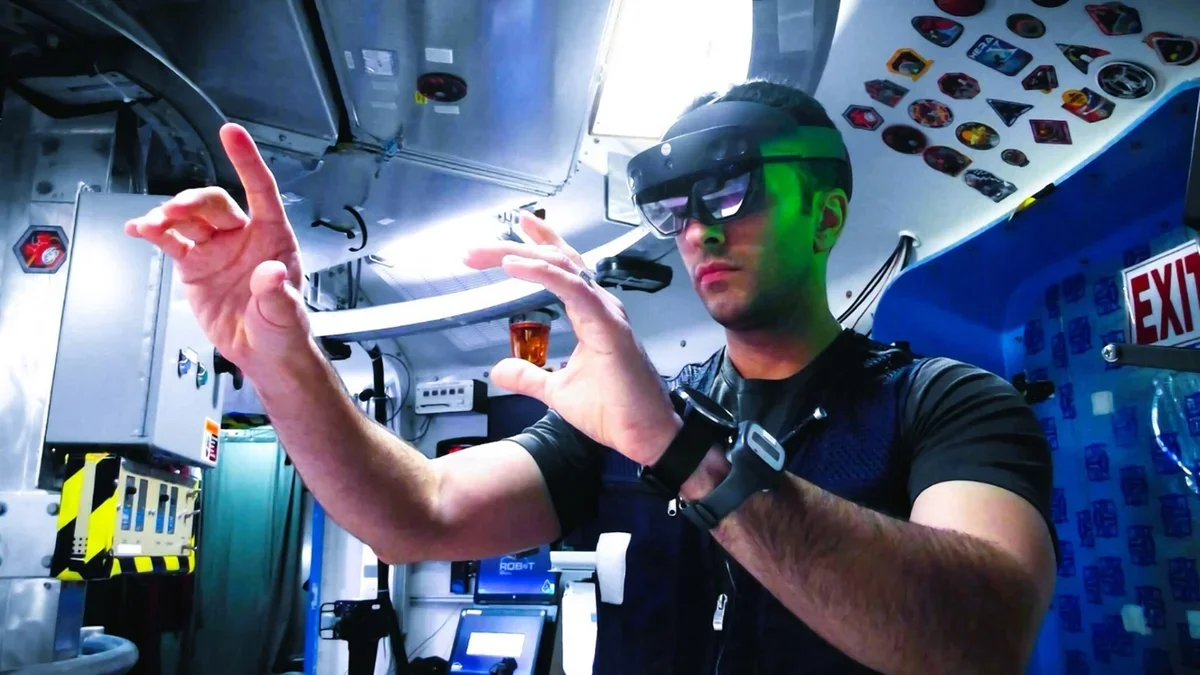
NASA is inviting volunteers to participate in its Moon & Mars Exploration Analog (MMEA), a year-long simulation that recreates the isolation, confinement, and daily tasks of a long‑duration spaceflight. Participants will live in specialized habitats, perform scheduled maintenance, conduct scientific experiments, respond to simulated emergencies, and help researchers study crew dynamics, mental health, and mission procedures. The program also features virtual reality spacewalks and a mandatory social‑media detox, building on prior analogs HERA and CHAPEA. The next mission is planned to begin no earlier than August 2027, after NASA selects and trains the crew.

NASA's One-Year Fake Mars Habitat Lockup Experiment
science-and-technology3 years ago

NASA's One-Year Fake Mars Habitat Lockup Experiment

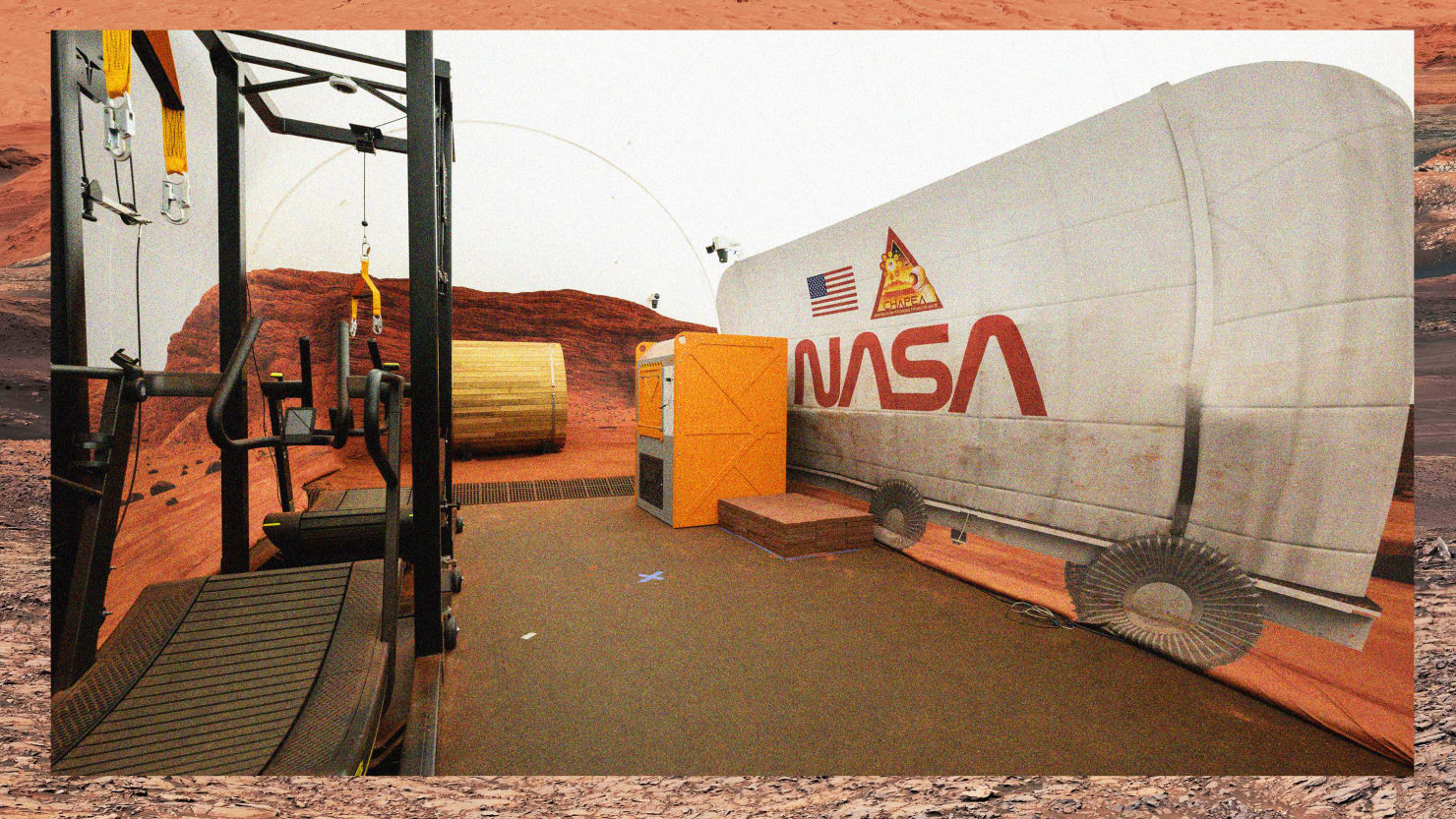
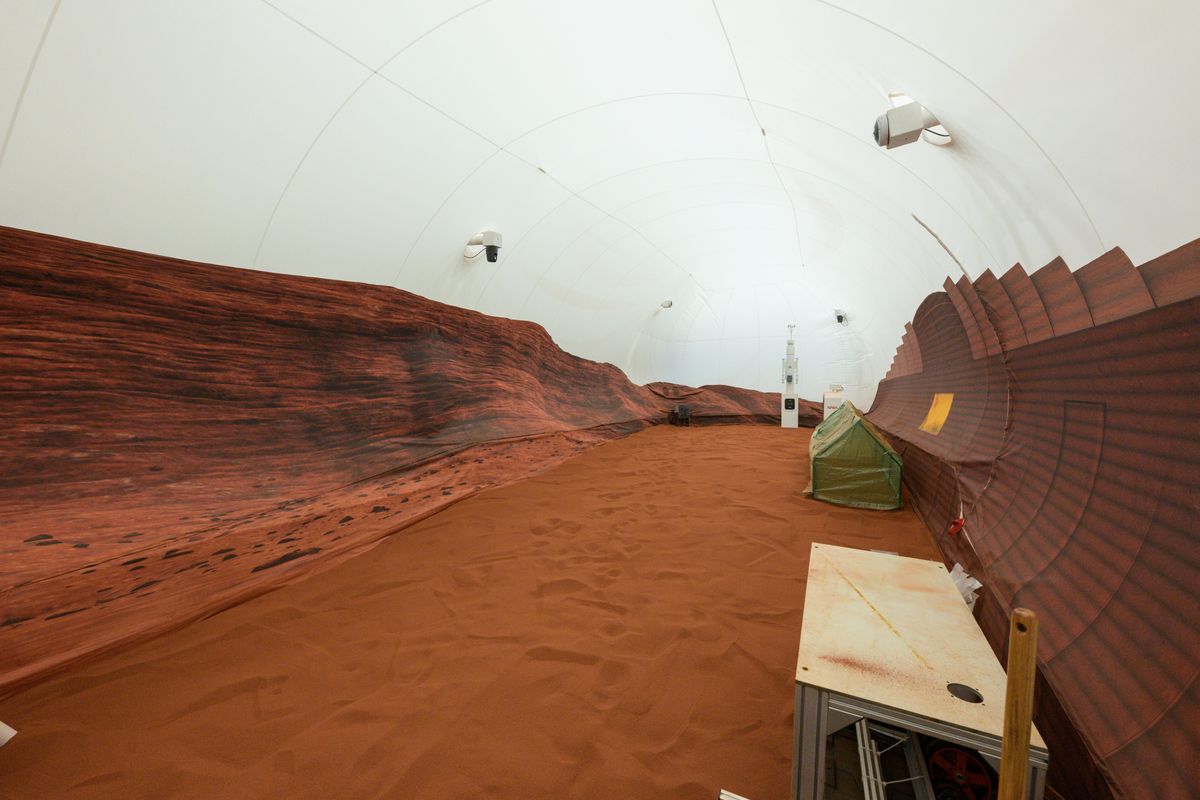
NASA is conducting a year-long analog mission called CHAPEA to simulate life on Mars and study how it affects the crew's health, both physical and mental. The four crew members will live in a 3D-printed habitat with a Mars-like sandbox where they'll perform simulated missions. The mission seeks to learn how factors like diet, isolation, and time-delayed communication affect the crew's mood and ability to perform their jobs. The research team will control the crew's diets, environment, and activities to understand how these factors affect each other. The information gathered will help design the first actual missions to Mars and anticipate the health challenges that might arise from putting people on the surface of another planet for a year or more.

Four Researchers to Live in Simulated Mars Outpost for a Year on Earth
spaceflight3 years ago

Four Researchers to Live in Simulated Mars Outpost for a Year on Earth

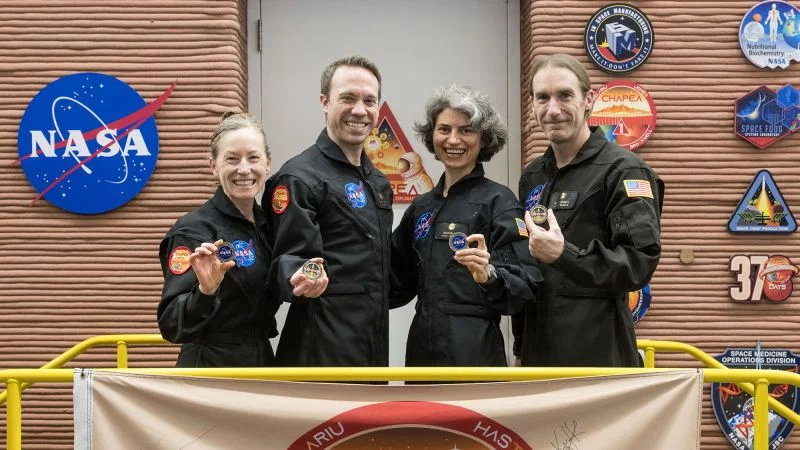
NASA is set to begin its first long-duration analog mission called the Crew Health and Performance Exploration Analog (CHAPEA) in June, where four crewmembers will live in a 1,700-square-foot habitat for a year to simulate a Mars surface mission. The crew will participate in activities that astronauts on Mars would do, from cooking to exercise to cleaning, as well as maintenance work on the habitat, crop growth, and scientific research. The simulation will allow NASA to collect cognitive and physical performance data to give more insight into the potential impacts of long-duration missions to Mars on crew health and performance.

"NASA Plans to Send Four Humans to Live on Mars in 2023"
science-and-technology3 years ago

"NASA Plans to Send Four Humans to Live on Mars in 2023"

NASA is training four people to live on Mars as part of its human exploration expedition. The volunteers will be part of a year-long mission to prepare humans for the exploration of the Red Planet. They will live in a habitat that will simulate conditions on Mars when humans arrive on the Red Planet in the near future. The crew is scheduled to begin in June this year. NASA has planned three such missions to be sent to Mars.