NASA Volunteers Exit 378-Day Mars Simulation, Highlighting Isolation Challenges for Future Deep Space Missions
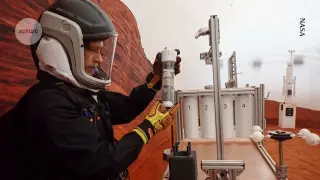
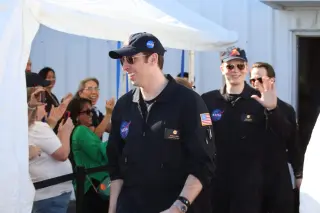
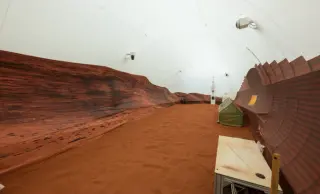
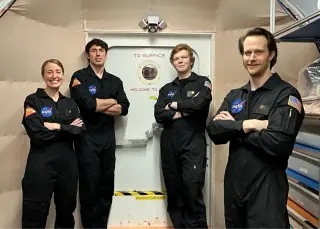
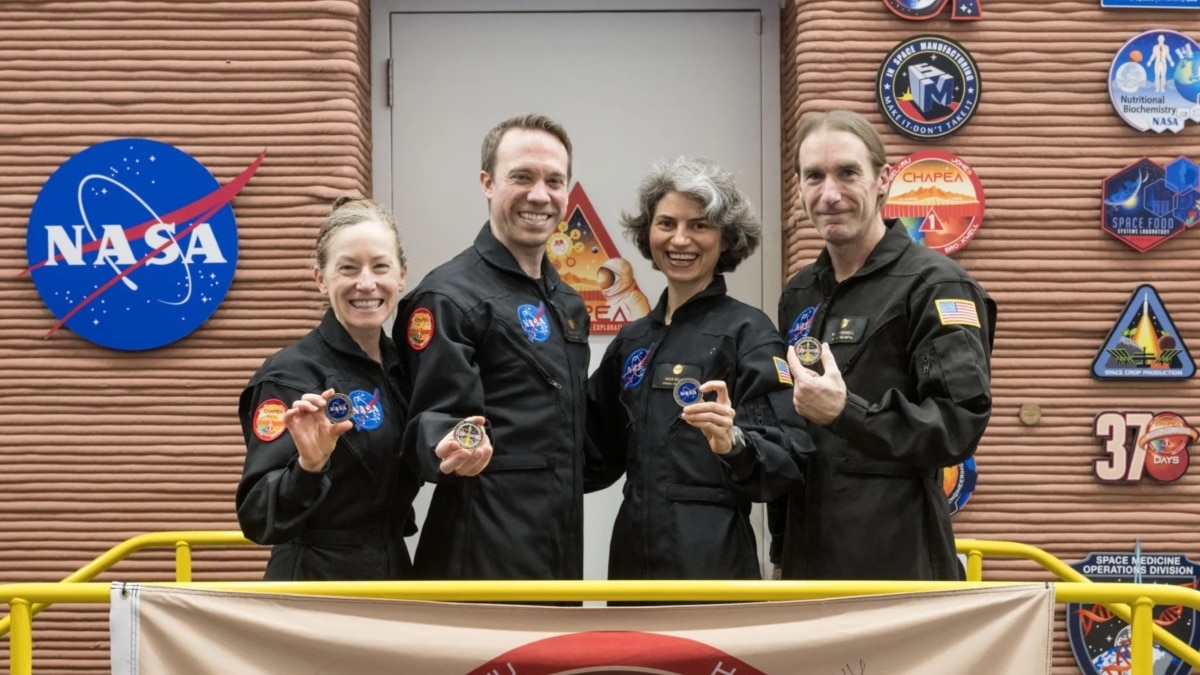
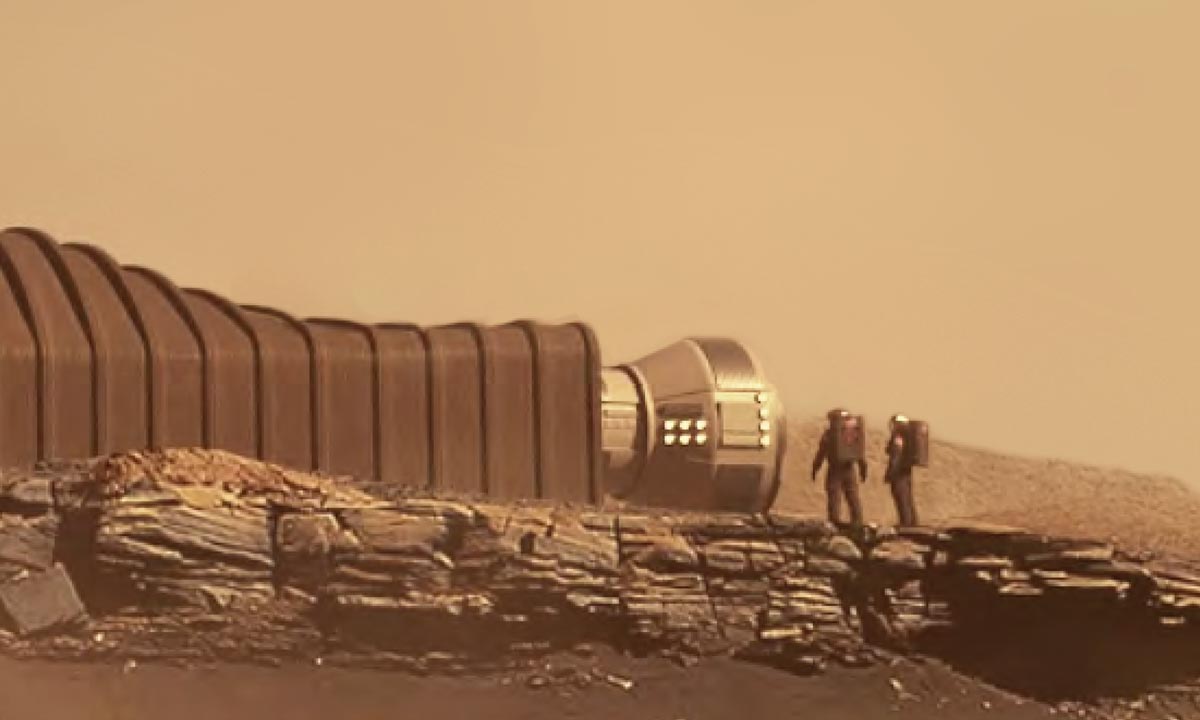
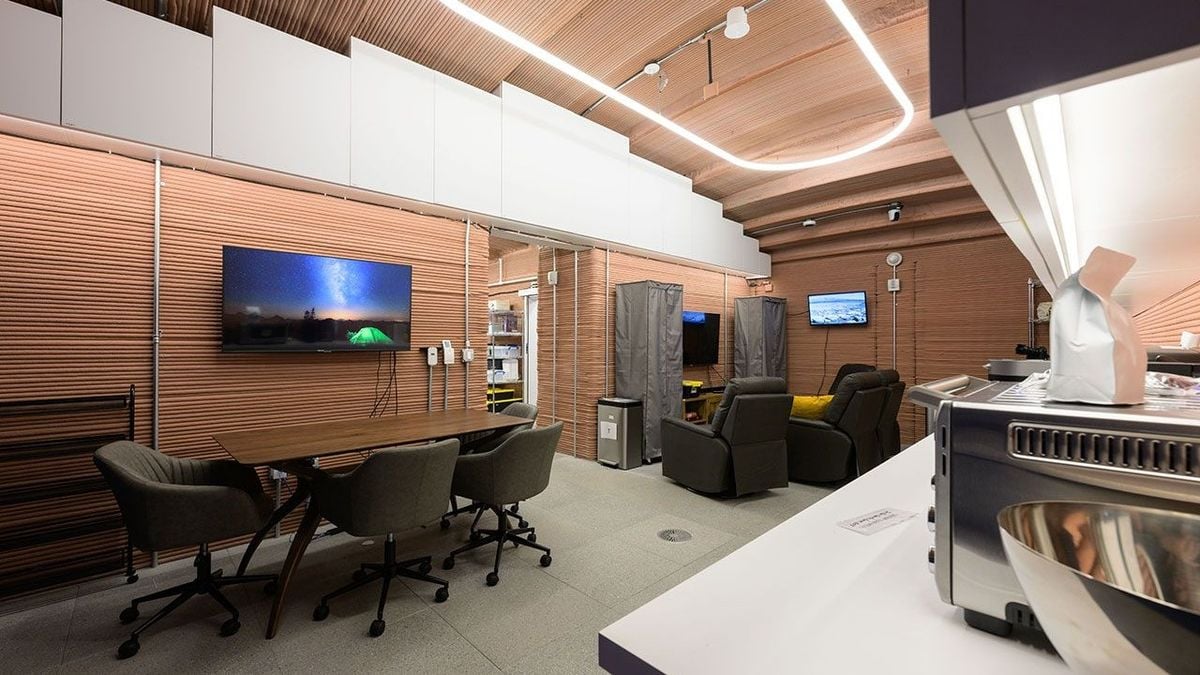
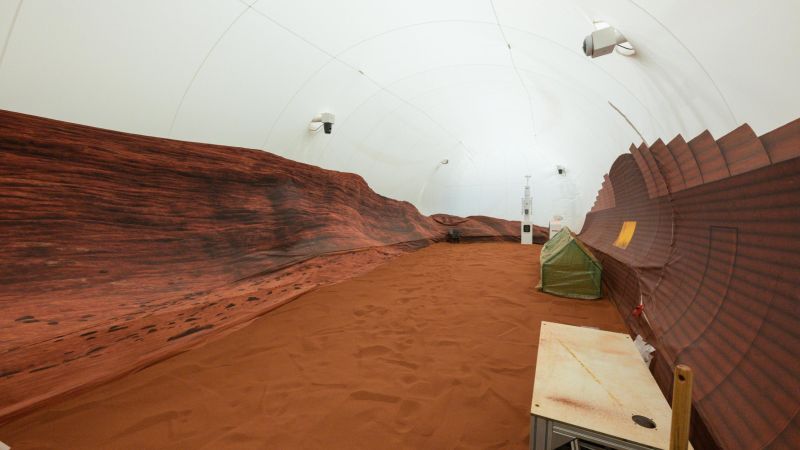
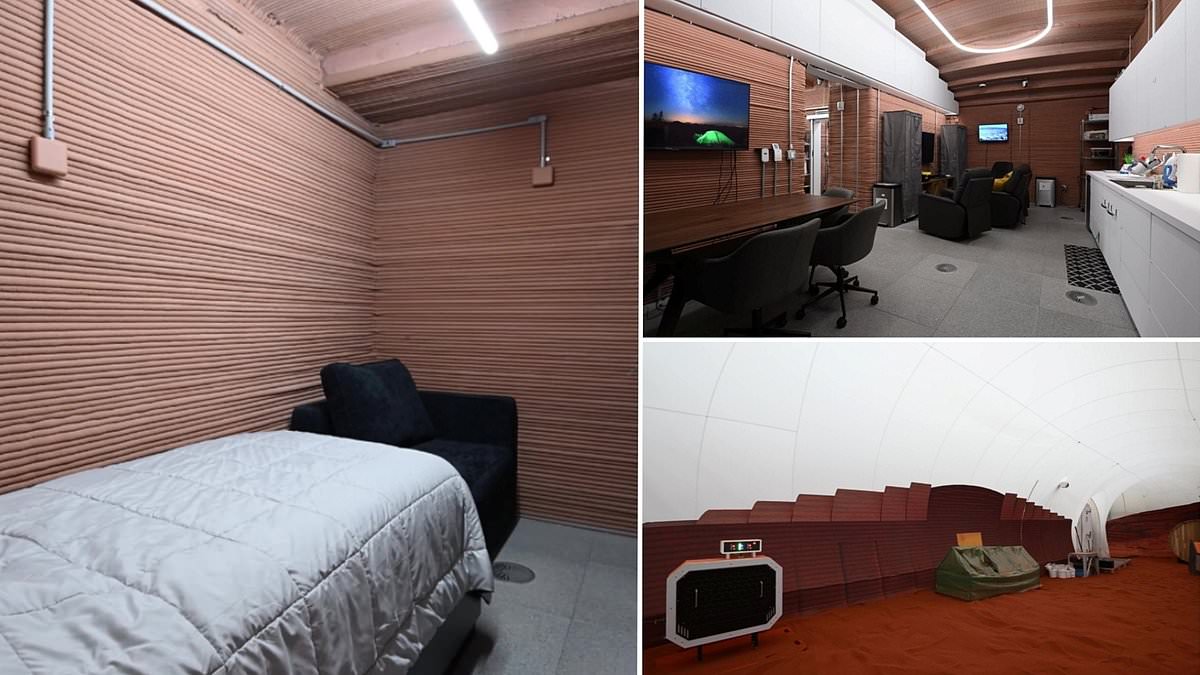
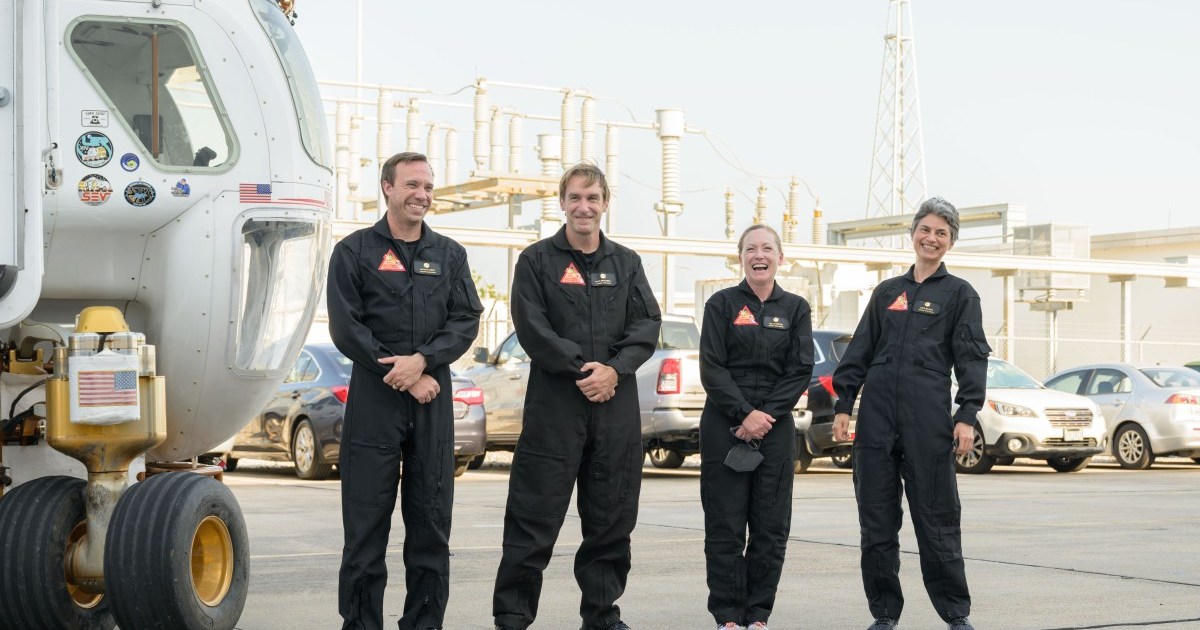
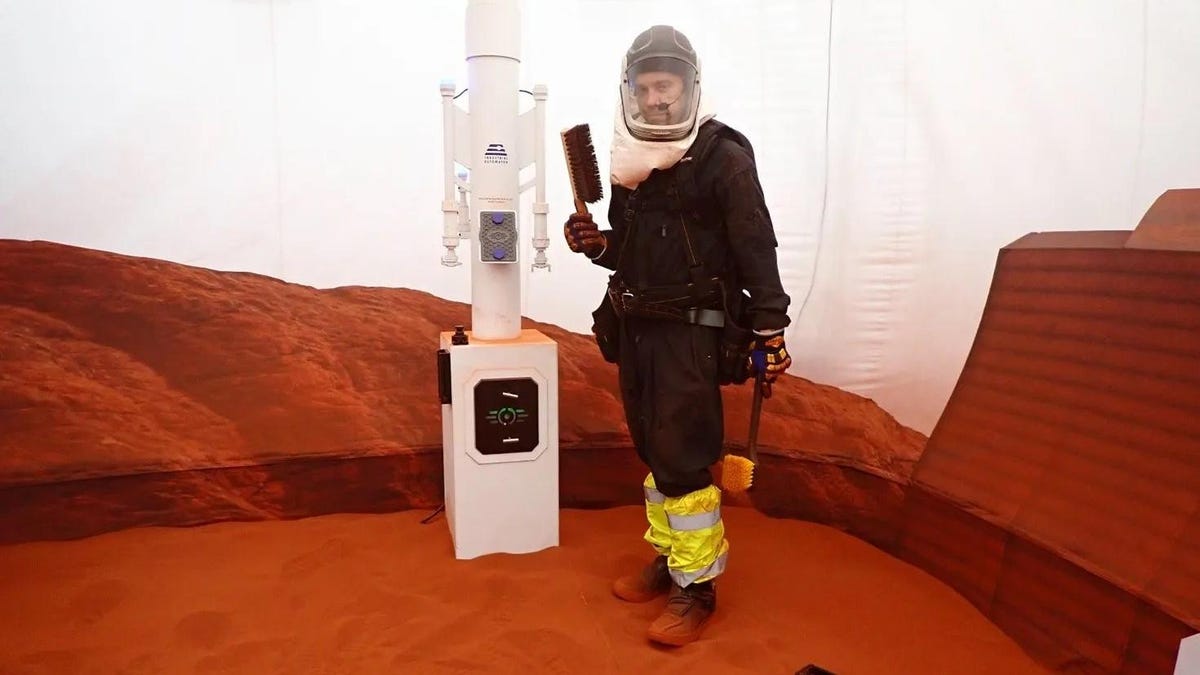
Four volunteers completed a 378-day isolation experiment in a 3D-printed habitat at NASA’s Johnson Space Center, simulating life on Mars. The mission, part of the Crew Health and Performance Exploration Analog (CHAPEA) program, tested human endurance, resource management, and communication delays to prepare for future lunar and Martian exploration. The crew, led by Ross Elder, exited the habitat on October 31, 2026, after facing challenges such as limited space, no sunlight, and simulated communication blackouts. NASA plans to use the data to improve life-support systems and crew protocols for deep space missions, with a new Moon and Mars Exploration Analog (MMEA) mission expected to begin in August 2027.