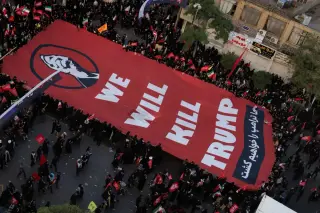
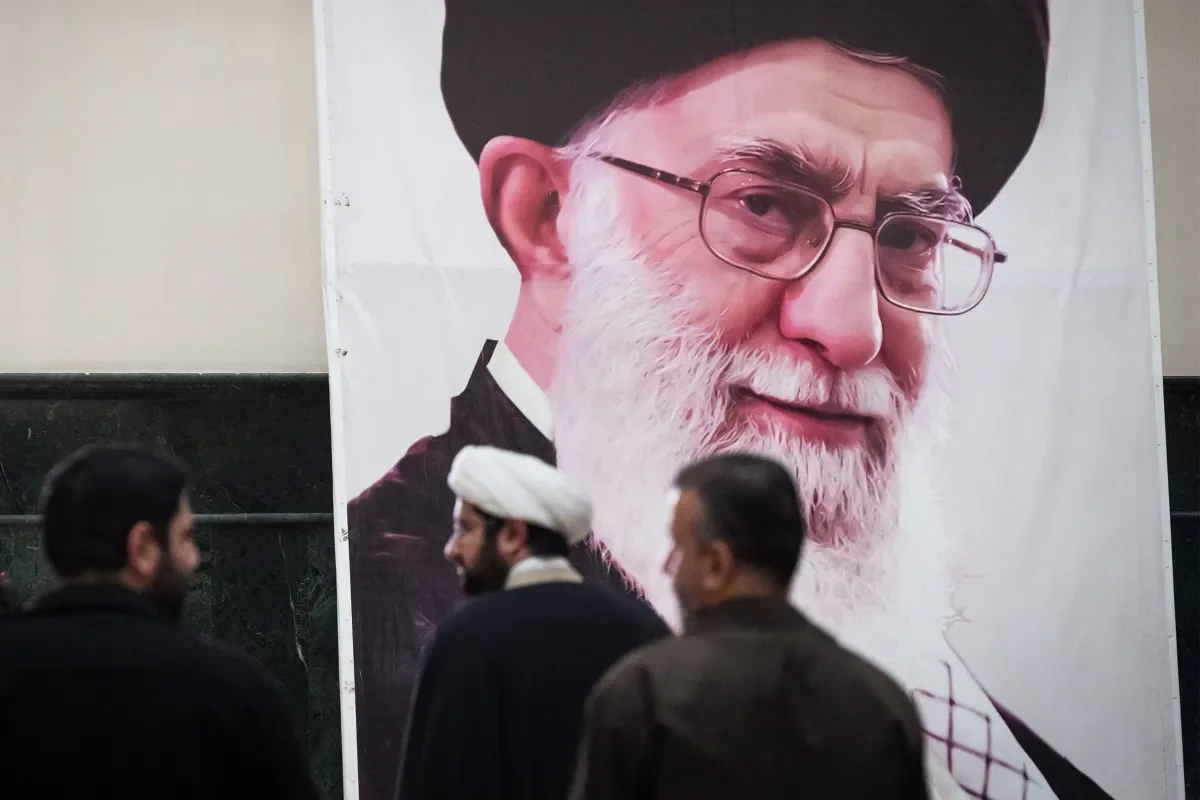
After Ayatollah Ali Khamenei’s funeral featured calls for Trump’s killing, the former president responded with threats toward Iran, signaling a marked escalation in U.S.-Iran tensions.
During Ayatollah Ali Khamenei’s burial in Mashhad, mourners displayed banners threatening retaliation, including one that read “WE WILL KILL TRUMP,” along with other threats aimed at U.S. and Israeli leaders. The display underscores ongoing tensions surrounding Khamenei’s death and Iran’s broader confrontations in the region amid recent cross-border hostilities and retaliatory strikes.
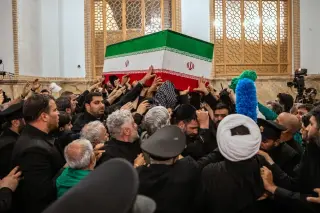
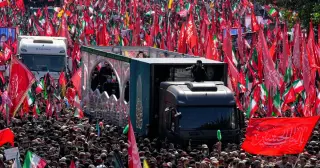
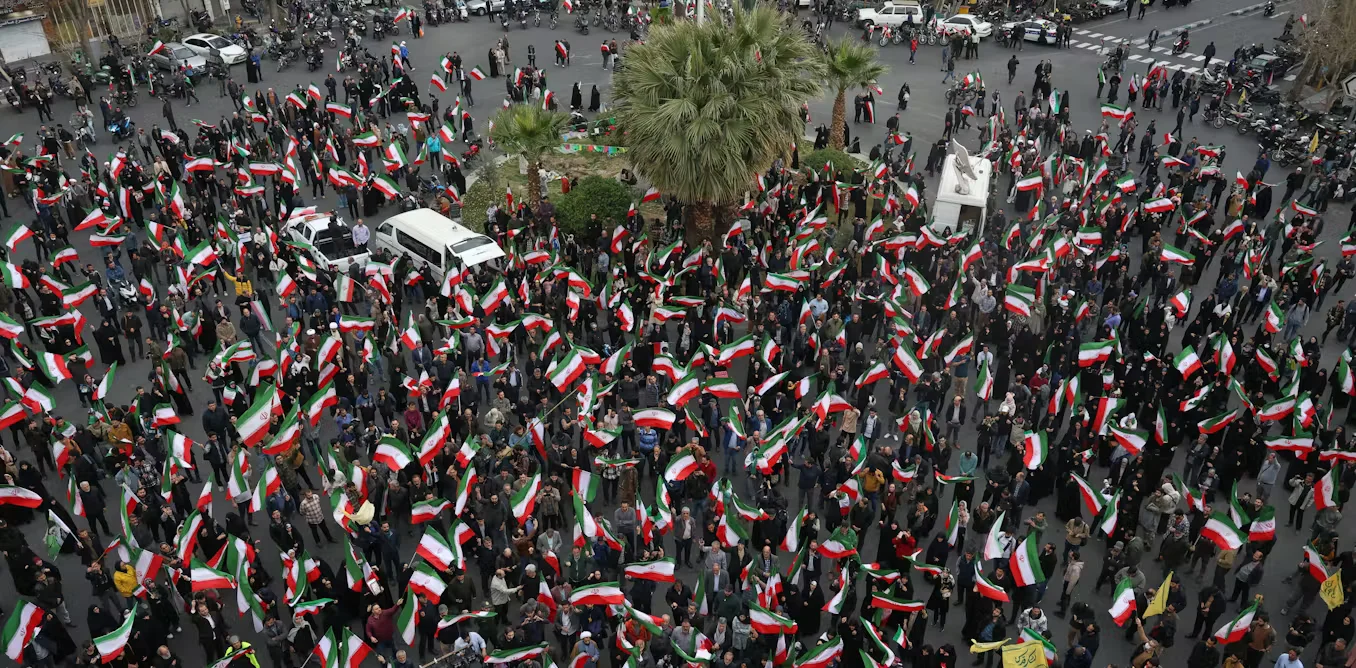
Iranian authorities staged a massive Tehran funeral procession for Supreme Leader Ayatollah Ali Khamenei, with coffins—and family members killed in the February strike—paraded as chants against the U.S. and Israel rang through the crowds. The route was altered to manage huge turnout, and Khamenei’s son Mojtaba, reportedly injured, did not attend. After lying in state, the coffin will travel to Iraq and then be buried at the Imam Reza shrine in Mashhad, as U.S.–Iran talks pause amid ongoing conflict and Iran seeks to demonstrate control over the country.
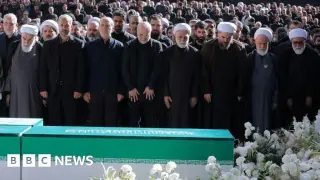
Mojtaba Khamenei did not attend his father Ali Khamenei's funeral as senior regime figures, including President Masoud Pezeshkian, joined thousands in Tehran. The absence has fueled speculation about Mojtaba's health since his March appointment, while funeral ceremonies unfold across Tehran, Qom and Iraq with millions expected to participate.
Kalshi refused to pay out about $54 million to users who bet that Ayatollah Ali Khamenei would be ousted after his death, saying the wager was directly tied to death and not permitted by their rules. The firm reimbursed bettors at even odds, but traders and critics blasted the decision as immoral and opaque, fueling public backlash.
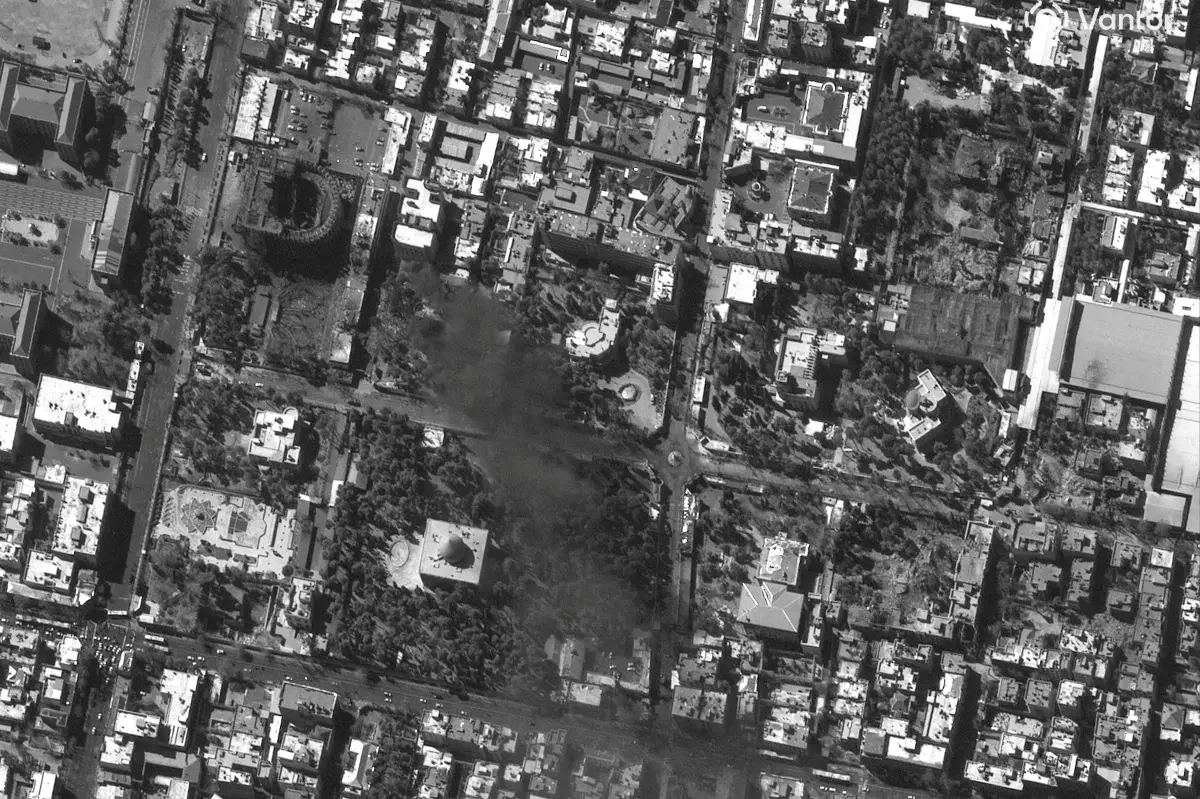
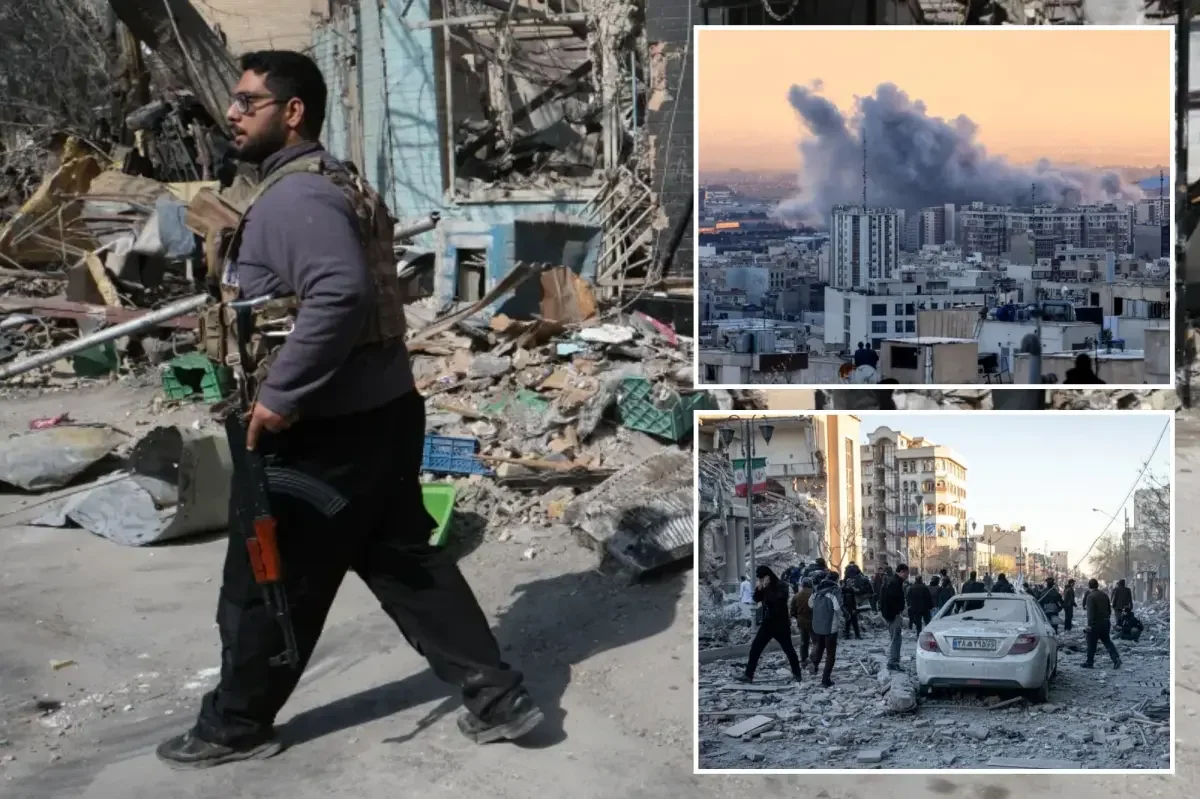
Video released by the Israeli Defence Forces shows about 50 fighter jets destroying Ayatollah Ali Khamenei’s underground bunker in Tehran with roughly 100 bombs, a strike described as part of Operation Epic Fury that killed Khamenei and dozens of senior Iranian officials, with Iran firing back during ongoing regional attacks.
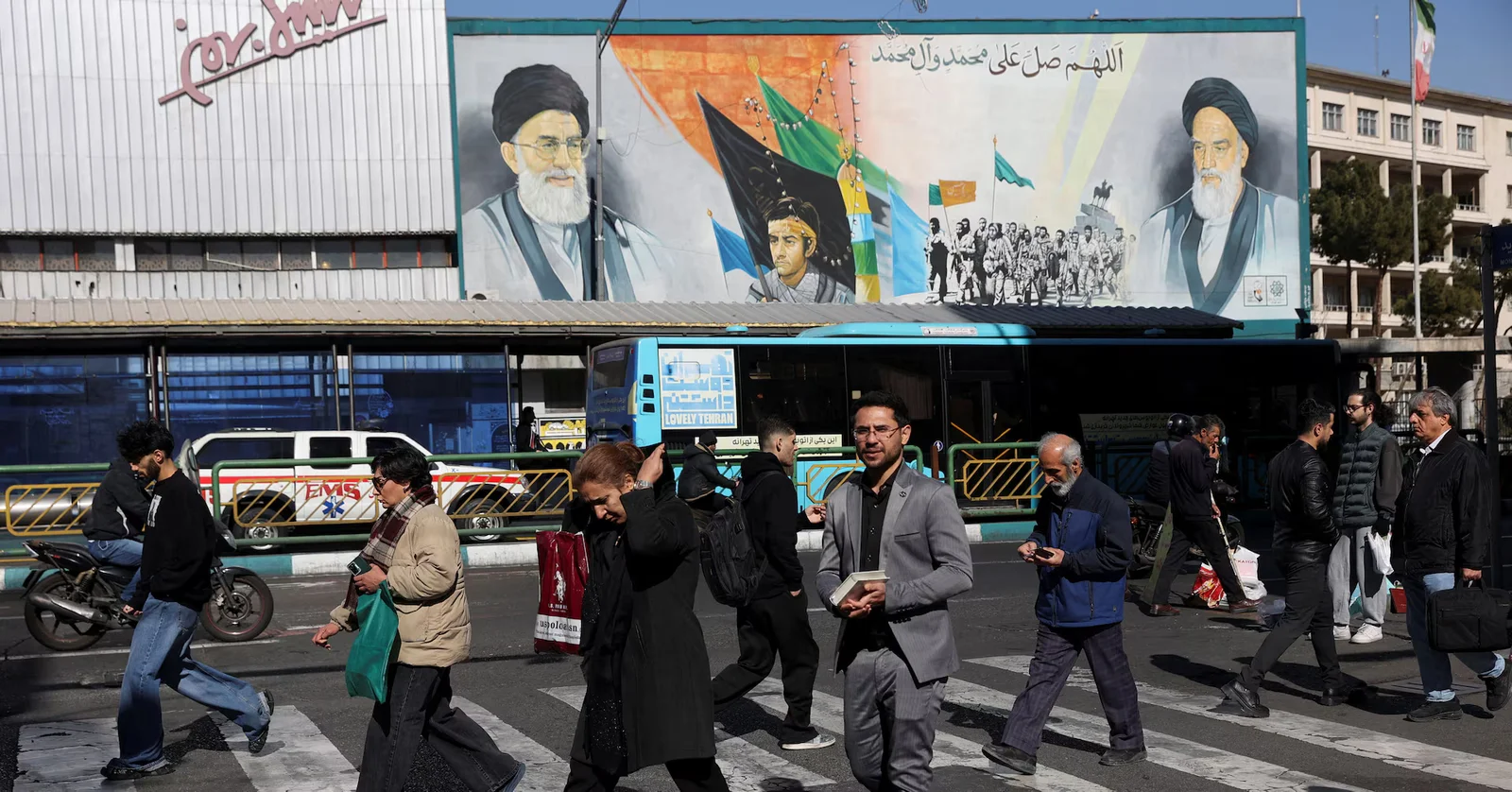
An anonymous eyewitness in Tehran describes a tense city under checkpoints and militia intimidation after the US–Israel strike that killed Supreme Leader Ali Khamenei, yet crowds pour into the streets in celebration and optimism for regime change, with youth leaning toward Reza Pahlavi despite security fears and a broader war atmosphere.
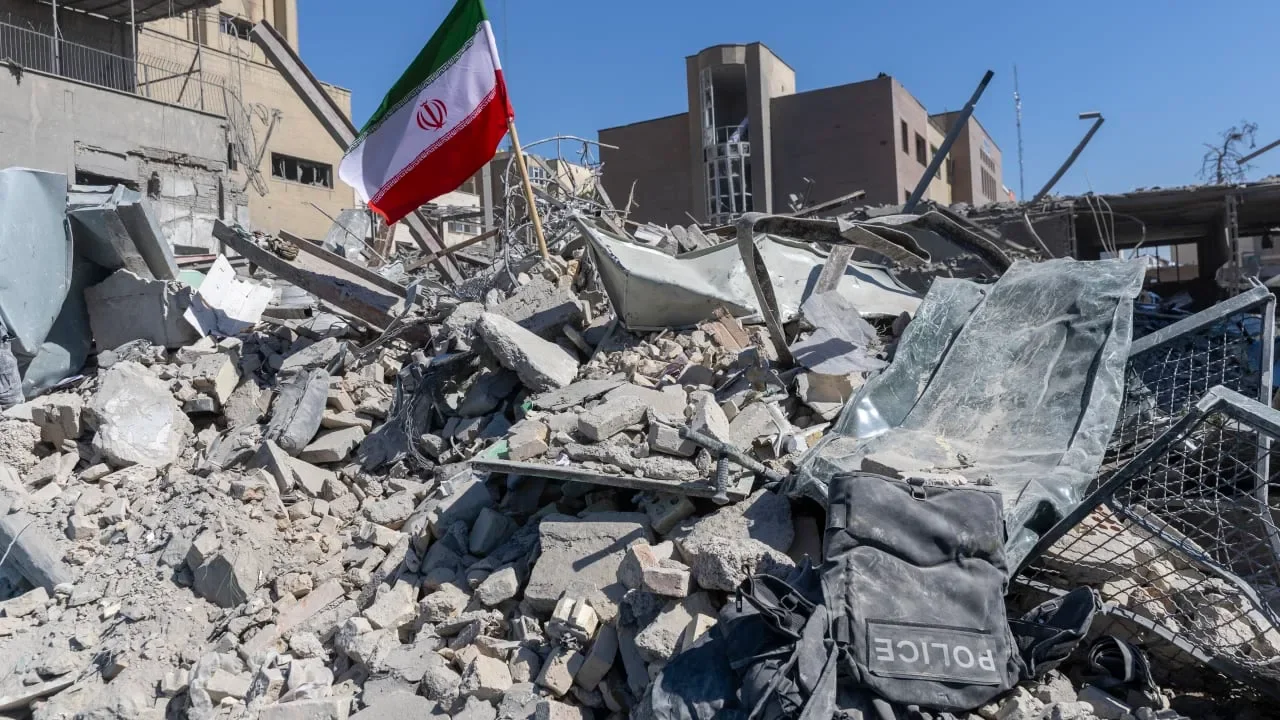
US and Israeli strikes on Iran’s military leadership during Roaring Lion and Epic Fury have severely disrupted Tehran’s ability to manage the war, with senior and mid-level commanders hit and missile launches becoming sporadic; Iran is scrambling to appoint a replacement for Supreme Leader Ayatollah Ali Khamenei amid reports (unconfirmed) that Mojtaba Khamenei could succeed, while US-Israeli actions also targeted police stations to deter protests and analysts note an about 86% drop in launches since day one.
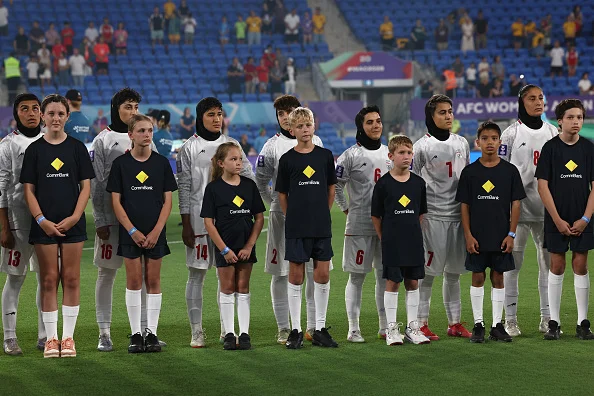
Iran’s women’s national team stayed quiet through their national anthem before the AFC Women’s Asian Cup opener against South Korea on the Gold Coast, a quiet protest amid the death of Supreme Leader Ayatollah Khamenei and broader regime unrest. South Korea won 3-0, but the moment drew attention as Iranian supporters and officials navigated the political backdrop; head coach Marziyeh Jafari declined to comment on politics, and Iran will next host Australia at the same venue.
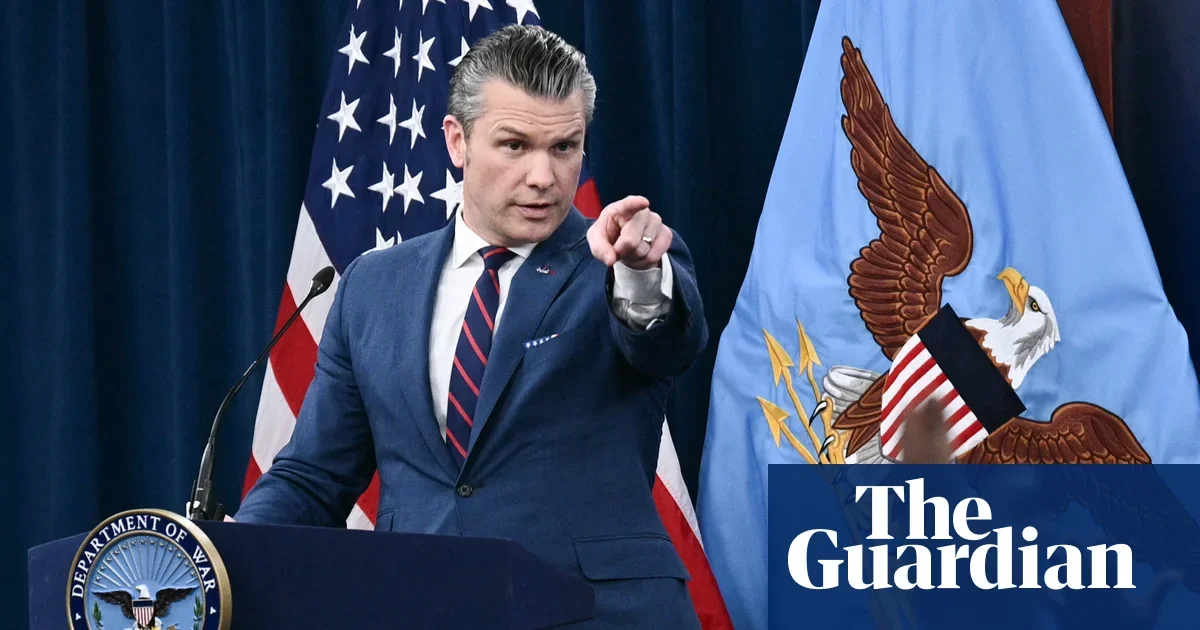
The US defense secretary hails the Iran strikes as a swift, precise air campaign with no US boots on the ground for now, while refusing to define a timeline or rule out future actions; four American service members were killed by a ballistic missile that penetrated air defenses; President Trump suggests boots on the ground could be used if necessary, and Rubio and other officials frame the mission as deterring retaliation rather than pursuing a democracy-building outcome, with aims to destroy Iran’s navy, missile production, and potential nuclear capabilities, all while warning the confrontation won’t be open-ended.
Despite the largest US-led assault in decades and reports (later confirmed) of Ayatollah Ali Khamenei’s death, The Conversation interview with diplomat Donald Heflin argues regime change in Iran remains unlikely: large-scale U.S. ground intervention is improbable, popular uprisings are unlikely, and Iran’s entrenched leadership and Revolutionary Guards suggest the regime would endure, with leadership shifts likely to occur from within rather than through collapse.
Iran's leadership worries a limited U.S. strike could rekindle anti-government protests and threaten the regime, with officials saying the fear barrier has collapsed and external pressure might embolden Iranians to return to the streets; analysts warn a crackdown under attack could escalate violence, while reformists and opposition figures urge major reforms to avert wider unrest.
Iranian leaders warn a limited U.S. strike could reignite mass protests and threaten the regime after January’s crackdown; officials say the public’s fear is eroding and external pressure may embolden demonstrators, risking a harsher crackdown or bloodshed if protests resume.
Iran’s crackdown on protests is fueling anger and risking civil conflict, as rights groups report thousands dead (over 6,500 confirmed, with other outlets claiming far higher totals) and the regime’s hardline response draws more Iranians into opposition sentiment while the US strengthens military posturing against Tehran.
Leaked briefings reported by Western outlets allege Supreme Leader Khamenei ordered crackdowns on protests, including live-fire, contradicting official regime statements and fueling internal dissent. The Institute for the Study of War cites casualty figures far higher than Iran’s UN claims, while rights groups say families are pressured to identify victims as Basij members. Debates over restoring Internet access and reports of Iranian officials seeking asylum abroad underscore growing fissures within Iran’s leadership.