Tag

Behavioral Ecology

All articles tagged with #behavioral ecology

New Study Questions Whether 'Mind Control' Parasite Actually Causes Risky Behavior
science16 days ago

New Study Questions Whether 'Mind Control' Parasite Actually Causes Risky Behavior

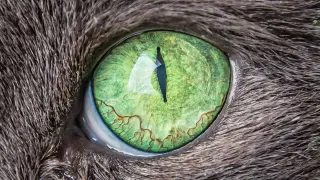
A new commentary in Animal Behaviour challenges the popular narrative that Toxoplasma gondii manipulates host behavior to facilitate transmission. While the parasite is known to infect warm-blooded vertebrates and requires cats for reproduction, zoologist Andrew Davinack argues that many observed behavioral changes may be the result of 'ecological sorting' rather than direct manipulation. Davinack suggests that animals with naturally risky traits are more likely to encounter the parasite, creating a correlation that mimics causation. However, controlled lab studies still show specific behavioral shifts, such as reduced fear of cat odors in rodents, suggesting the parasite does have some influence, but the evidence in wild populations remains ambiguous due to methodological limitations.
Snake Cannibalism Revealed as an Adaptive Response to Scarcity
science7 months ago

Snake Cannibalism Revealed as an Adaptive Response to Scarcity

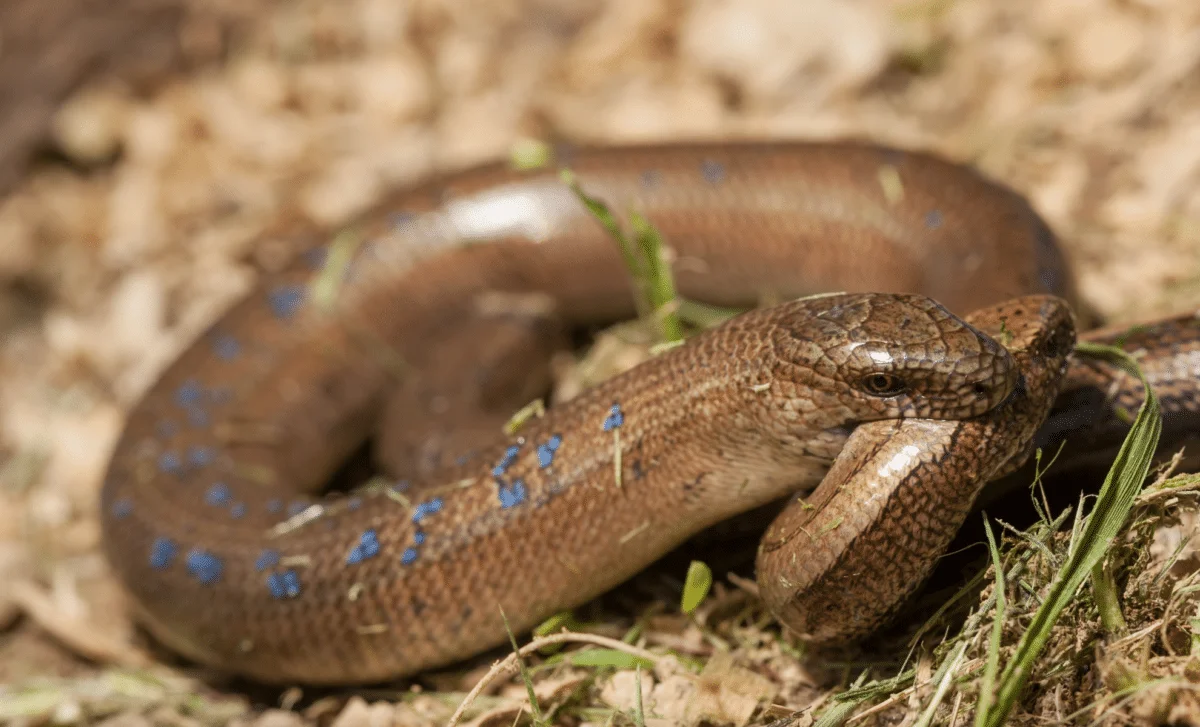
A Biological Reviews study analyzing hundreds of reports across 207 snake species finds that cannibalism is widespread and has evolved at least 11 times, indicating it’s an adaptive survival strategy in response to ecological stress and food scarcity—occurring in both the wild and captivity to regulate populations and boost ecological fitness; some experts caution against broad generalizations across all species.

"Mind-Controlled: How a Parasitic Worm Turns Ants into Zombies"
science-and-environment2 years ago

"Mind-Controlled: How a Parasitic Worm Turns Ants into Zombies"

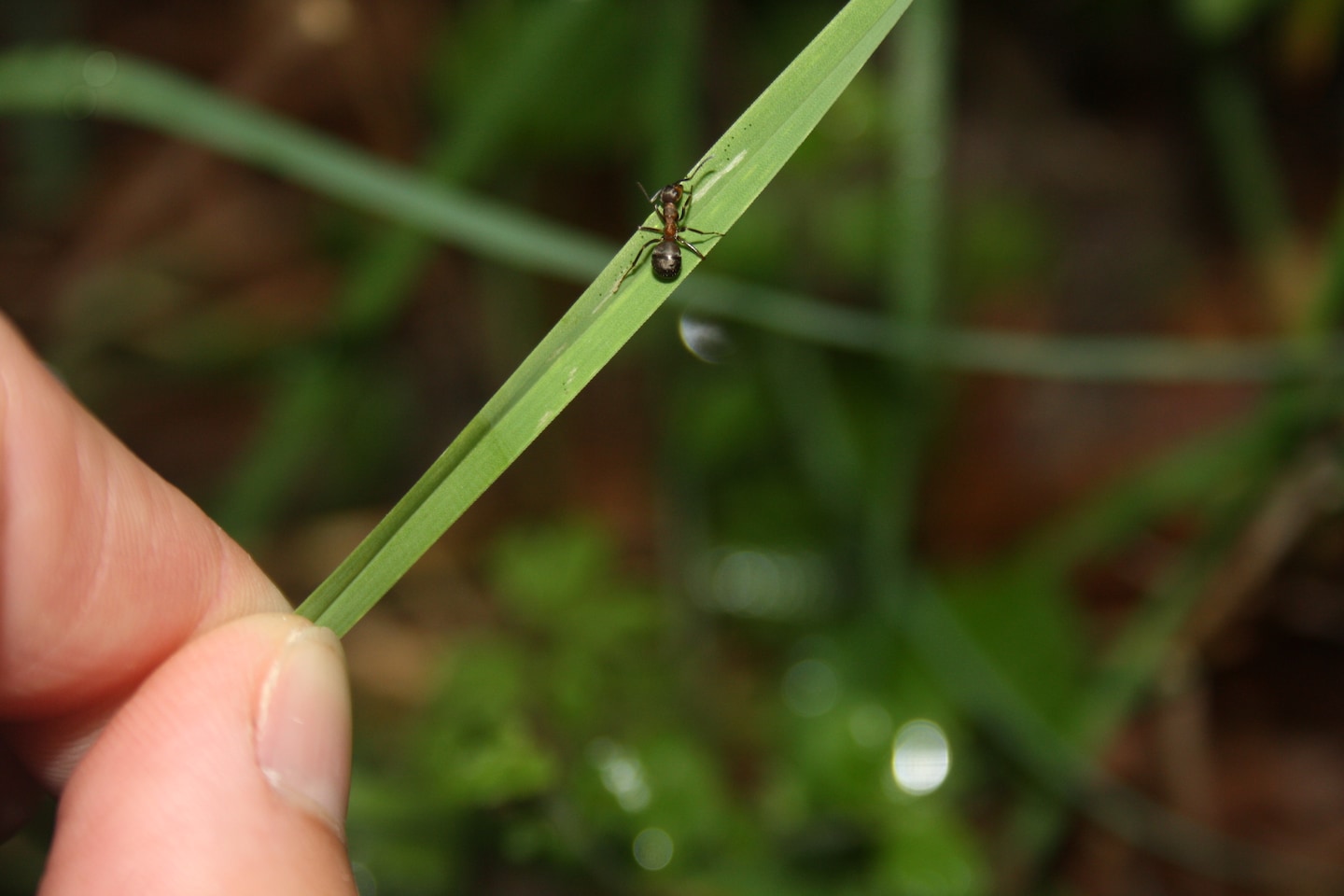
Researchers have studied the lancet liver fluke, a parasitic flatworm that turns ants into zombies, to understand how parasites manipulate host behavior. The fluke infects ants, migrates to their brain, and causes them to climb to the top of a blade of grass, where they are more likely to be eaten by grazing animals. The worms then settle in the animal's liver, lay eggs, and continue their life cycle. The study found that air temperature plays a role in the ants' behavior, with cooler temperatures triggering the ants to remain attached to the grass. Understanding parasite behavior could enhance knowledge about their sophistication and potential implications for human infections.